

Last updated September 12, 2026 · Editorial policy
Open any solo-travel feed and it’s the same montage: someone alone on a clifftop in a flowing dress, a perfectly composed flat-white-for-one, a caption about freedom and finding yourself. What it never shows is 7pm on day four, in a city where you don’t speak the language, holding a menu at a table for one while couples and friends fill every other seat — and feeling, suddenly and sharply, alone. If you’ve travelled solo, you know that moment. Nobody posts it. So let’s talk about it honestly.
The loneliness is real, and it isn’t failure
There’s a particular loneliness that only shows up when you’re travelling alone, and it tends to arrive at specific moments: the dinner hour, when eating is suddenly a social act you’re doing solo. The incredible view you turn to share and there’s no one beside you. The hotel room after a huge day, when the adrenaline drains and the silence gets loud. None of that means you chose wrong or that you’re bad at this. It means you’re a human being a long way from your people. Naming it honestly is the first relief — because the second worst part of solo loneliness is quietly believing you’re the only one feeling it.
Why it hits even when you love going alone
Loving solo travel and feeling lonely on it are not contradictions; they coexist. Independence buys you freedom, not immunity. And the feeds make it worse: the solo-travel myth is relentlessly upbeat, so when the lonely hour lands, you measure your real, complicated trip against everyone else’s edit and come up short. There’s also the quieter weight nobody mentions — you carry every decision alone, all day, with no one to split the load or laugh off the wrong turn. That’s not loneliness exactly, but it stacks on top of it.
Solo travel sells you the sunset. It rarely mentions the table for one.
There are two kinds of solo loneliness
It helps to tell them apart. The first is situational — a bad evening, a soulless hotel district, jet lag and a closed kitchen. It passes, and it’s fixable with small moves. The second is the kind you brought with you: the feeling that was waiting at home and simply boarded the plane too. Travel won’t cure that one, and it’s worth being honest with yourself about which you’re feeling, because the fixes are different. A walking tour solves the first. The second usually wants rest, routine, and the people who already love you — sometimes the kindest trip is a shorter one.
What actually helps
For the everyday kind, small structural choices do more than willpower. Stay somewhere social — a guesthouse or a hostel with a common room beats a sealed hotel, even if you’re an introvert; you can leave the conversation whenever you like, but it’s there. Become a regular: pick one café or bar and go daily, and by day three the staff know you and the place stops feeling foreign. Put yourself in low-pressure group settings — a free walking tour, a cooking class, a dive boat — where talking to strangers is the default, not an awkward exception (our guide to making friends while slow-traveling is built entirely around this). Slow down, too: rushing five cities in a week guarantees you never stay long enough to know anyone, which is half of why slow travel feels warmer. And call home without guilt — a ten-minute voice note from a stranger’s city is not a failure of independence; it’s how you refuel for it.
Solitude is not the same as loneliness
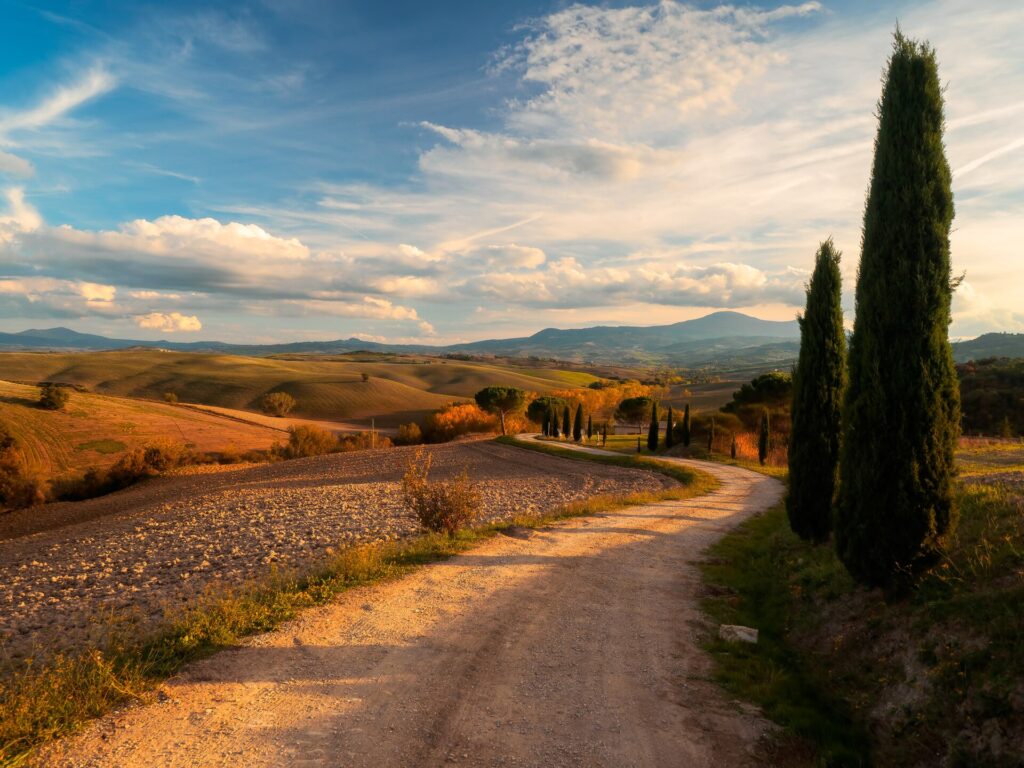
Here’s the turn worth holding onto. Loneliness is the ache of missing connection. Solitude is the quiet of being content in your own company — and solo travel, more than almost anything, teaches you to move from the first to the second. The lonely evenings, the ones nobody photographs, are often exactly where the trip does its real work: you learn to sit with yourself, make your own day, trust your own taste. People come home from solo trips changed not because of the landmarks but because of those hours. If you’re planning one and the crowds feel like too much on top of it, our quieter-alternative destinations and the calmest cities to land in are gentle places to start. Go anyway. Bring the loneliness if you must — it’s often travelling toward something better.
You Might Also Love




Written by
John Morrison is the founder and lead travel writer at Packzup. Over the past decade he has explored destinations across Africa, the Americas, Asia, Europe, the Middle East, and Oceania — always self-funded, never on a press trip.
