
Last updated September 11, 2026 · Editorial policy
You already know the feeling. You save for the trip, fly across the world, and arrive at the famous viewpoint to find three hundred other people filming the same sunset for the same app. The icons of world travel — Santorini, Venice, Bali, the Amalfi Coast — are buckling under their own fame, and in 2026 the places themselves are saying so out loud: Venice charges day-trippers to get in, Santorini is capping cruise ships, Barcelona residents turned water pistols on the crowds, and Bali now taxes arrivals to clean up after them. The views are still there. The magic, increasingly, is queued.
Here is what seasoned travellers have quietly worked out: for almost every overcrowded headliner there is a calmer place a short hop away that delivers the same essential experience — the whitewashed village, the impossible blue water, the alpine lake — with room to breathe, lower prices, and the feeling of somewhere that still belongs to itself. These are not consolation prizes. Several are simply better. Below are ten swaps worth making in 2026, each with an honest note on what you gain and what you give up.
- Instead of Santorini → Naxos — same Cycladic beauty, real beaches, roughly half the price
- Instead of Bali’s south → Lombok — the empty beaches Bali had 20 years ago
- Instead of Venice → Ljubljana (or Chioggia) — canals and cafés without the crush
- Instead of Phuket → Koh Lanta — the Andaman, minus the neon
- Instead of Dubrovnik → Kotor — a walled Adriatic town, a third cheaper
- Instead of the Swiss Alps → the Julian Alps (Slovenia) — the same peaks at a fraction of the cost
- Instead of Tulum → Bacalar — a seven-coloured lagoon instead of beach clubs
- Instead of Reykjavík’s tour-bus loop → the Faroe Islands — raw North Atlantic, almost to yourself
- Instead of Paris in peak summer → Lyon or Annecy — better food, swimmable lake
- Instead of the Amalfi Coast → Puglia — the same southern-Italian magic, room to park
Instead of Santorini → go to Naxos
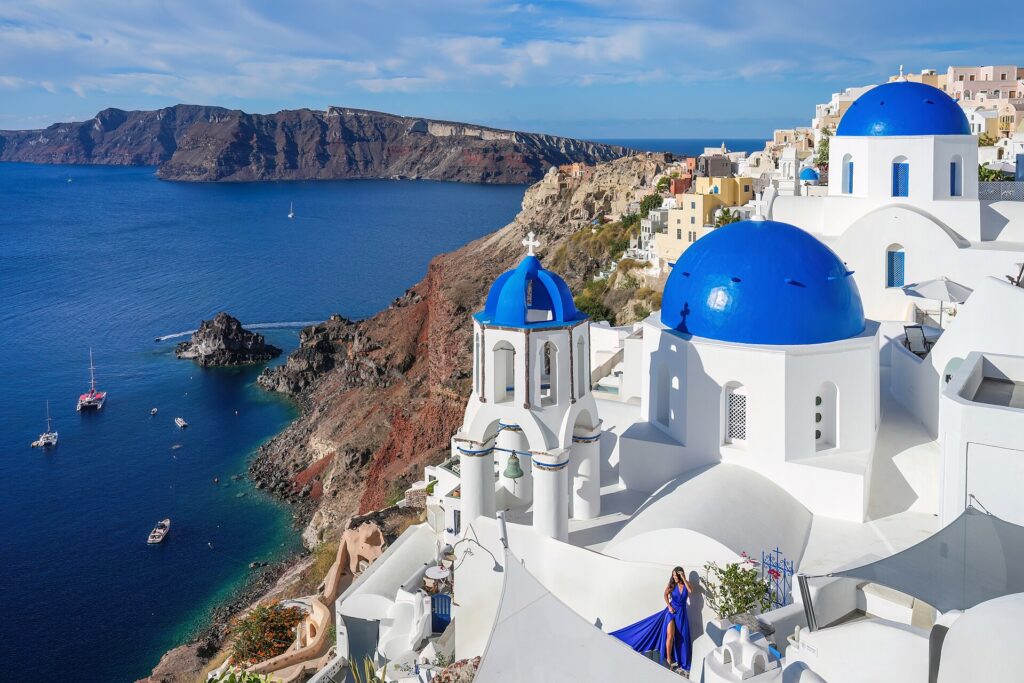
Santorini’s caldera is genuinely one of the great views in Europe — but it now often feels more like a cruise-port backdrop than an island escape, beautiful in photos and breathless in person. Up to 17,000 cruise passengers a day are funnelled toward the same Oia sunset, the donkey paths jam, and a mediocre cocktail runs €16. Naxos, the largest of the Cyclades, has the same whitewashed-village-and-cobalt-sea DNA — but it also has a life of its own. It is a working agricultural island that grows its own food (the cheese, the potatoes, the citron liqueur are all local), and it has the one thing Santorini conspicuously lacks: long, soft, sandy beaches like Plaka and Agios Prokopios. Climb to the marble Portara gate for sunset, then disappear into mountain villages like Halki and Apiranthos. You trade caldera drama for space, half-price tavernas, and the sense of a real place. See where it sits among the best islands in Greece, or weigh the classic Crete vs Santorini question first.
Crowds: far thinner · Cost: ~40–50% cheaper · Best for: beaches, families, slow Greece · When: May–June, September
Instead of Bali’s south → go to Lombok
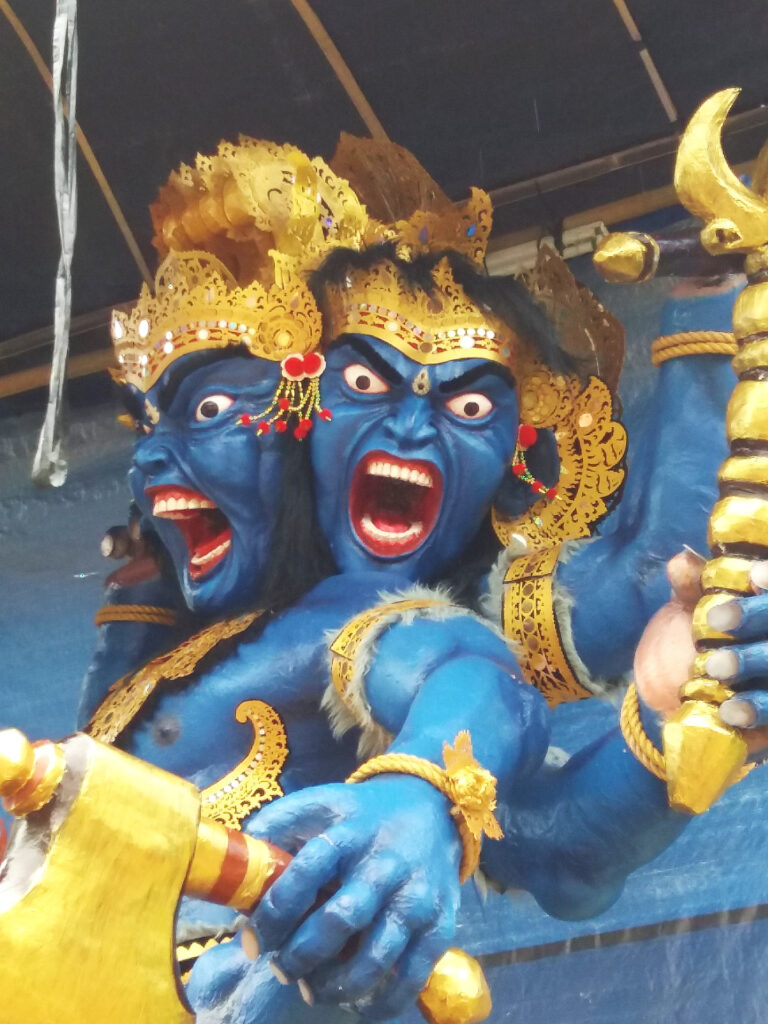
The Bali most people picture — Canggu, Seminyak, Kuta — is now scooter gridlock, beach clubs and construction cranes. Lombok, the next island east and a short fast-boat away, is what Bali was two decades ago: empty surf beaches like Selong Belanak and Mawi, the Gili islands a hop offshore, and Rinjani rising behind it all for anyone who wants to trek a volcano. The culture is Sasak rather than Balinese-Hindu, the pace is slower, and your money goes further. What you give up is the polish — fewer world-class cafés and restaurants, thinner nightlife, rougher roads. For most people chasing the ‘real Bali’ feeling, that is the entire point. We break the decision down in Bali vs Lombok.
Crowds: a fraction · Cost: cheaper, esp. lodging · Best for: surfers, trekkers, calm · When: May–September (dry)
Instead of Venice → go to Ljubljana
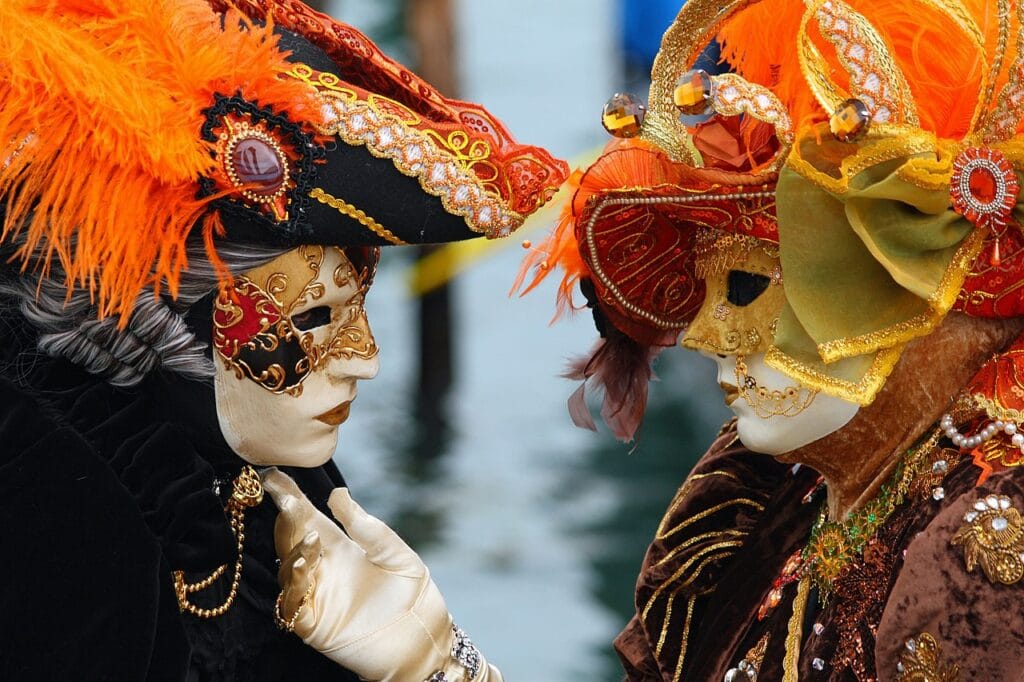
Venice is straining under more than 20 million visitors a year against a resident population that has fallen below 50,000 — hence the new day-tripper fee. Two swaps work depending on what you actually want. If it is the lagoon itself, Chioggia sits at the southern end — a working fishing town threaded with canals and a genuine morning fish market, with almost no tourists. If you want a romantic, walkable canal city, Ljubljana is the answer: it gives you the café-and-canal evening without spending half of it waiting behind selfie sticks — a car-free centre along the willow-lined Ljubljanica, dragon bridges, a hilltop castle, and Lake Bled an hour away. You lose St Mark’s sheer grandeur; you gain a city that feels lived-in rather than performed. Pair it with a Slovenia itinerary, or compare Venice vs Florence if Italy is non-negotiable.
Crowds: minimal · Cost: much lower · Best for: walkable beauty, couples · When: May–June, September
Instead of Phuket → go to Koh Lanta
Patong is package-tour Thailand at its most frantic — traffic, jet-ski scams, neon. Koh Lanta, down in Krabi province, is the opposite temperament: a long, low-rise island of west-facing sunset beaches, family guesthouses and dive shops, with the Andaman’s best snorkelling (Koh Rok, Koh Haa) a boat ride away. It is the kind of place where you arrive planning three nights and rebook for a week. The trade is obvious — little nightlife, and you reach it by ferry rather than taxi from the airport — but as a base for slow beach days it beats Phuket comfortably. If you are still deciding, Phuket vs Krabi covers the wider region.
Crowds: lower · Cost: similar-to-cheaper · Best for: families, divers, slow beach days · When: November–April
Instead of Dubrovnik → go to Kotor
Dubrovnik’s walls are magnificent and, by mid-morning, almost unwalkable — cruise ships and Game-of-Thrones tours overwhelm the Old Town in waves. Ninety minutes south, across the Montenegrin border, Kotor offers a walled medieval town just as photogenic, wrapped around a fjord-like bay, with a near-vertical fortress climb that earns you a better view than anything in Dubrovnik. Prices run roughly a third lower, and the surrounding Bay of Kotor — Perast, Our Lady of the Rocks — is worth days on its own. Cruise ships do call, so go early or stay overnight to have it quiet. Start with our Kotor travel guide and the Kotor itinerary; if you are comparing the coast, see Dubrovnik vs Split.
Crowds: thinner (worst at midday) · Cost: ~30% cheaper · Best for: walled-town magic, views · When: May–June, September
Instead of the Swiss Alps → go to the Julian Alps (Slovenia)
Switzerland is sublime and quietly punishing on the wallet — a simple mountain-hut lunch can clear CHF 30. The Julian Alps, around Lake Bohinj and Triglav National Park, deliver the same postcard — turquoise glacial lakes, jagged limestone peaks, cable cars, world-class hiking — for a fraction of the price and with a fraction of the foot traffic. Bohinj is the quieter, wilder sibling of famous Lake Bled, ringed by trails and swimmable in summer. You won’t get a Matterhorn or Switzerland’s seamless trains, but for hikers and lake-swimmers on a budget the value gap is enormous. See how the numbers compare in our cost of traveling Switzerland guide, then plan with the Slovenia itinerary.
Crowds: much lower · Cost: far cheaper · Best for: hikers, lake-lovers, value · When: June–September
Instead of Tulum → go to Bacalar
Tulum spent a decade turning from bohemian beach town into a generator-powered party strip with Tulum-tax prices, recurring sargassum and a famous gap between the Instagram and the reality. Three hours south, Bacalar sits on the Laguna de los Siete Colores — the Lagoon of Seven Colours — a vast freshwater lake so clear and so many shades of blue it looks edited. Bacalar still has mornings quiet enough to hear the water move. You swim, kayak at dawn, visit cenotes, and pay a fraction of Tulum’s bills in a town that moves at its own speed. You give up the Caribbean beach and the Tulum ruins on your doorstep, and the nightlife is gentle. For most, that is a feature. If you still want the coast too, compare Cancun vs Tulum and check the best time to visit Mexico.
Crowds: low · Cost: much cheaper · Best for: calm, turquoise water, cenotes · When: November–April
Instead of Reykjavík’s tour-bus loop → go to the Faroe Islands
Iceland’s Golden Circle and south coast now move in convoys; the famous stops can feel like a queue with a view. The Faroe Islands — eighteen green-and-black specks between Iceland and Norway — deliver the same raw North Atlantic theatre with almost nobody in the frame: sea cliffs, grass-roofed villages, and the waterfall at Múlafossur tumbling straight into the ocean. You will, at some point, stand completely alone in front of something extraordinary — a sensation Iceland can no longer reliably sell. The weather is moodier, flights are fewer and pricier, and there are fewer marquee ‘sights’ — what you get instead is atmosphere and solitude. Photographers and hikers will not regret the swap. Plan it with our Faroe Islands itinerary and the best time to visit.
Crowds: almost none · Cost: higher (worth it) · Best for: photographers, solitude, hikers · When: May–August
Instead of Paris in peak summer → go to Lyon or Annecy
Paris in July and August is hot, packed, and half-closed — the Parisians themselves have fled. So follow them. For food, Lyon is France’s gastronomic capital: its bouchons and Les Halles market mean you can eat brilliantly without a reservation scramble. For postcard summer, Annecy — the ‘Venice of the Alps’ — has flower-lined canals, a turquoise lake clean enough to swim in, and mountains on the doorstep. Neither replaces the Louvre or Notre-Dame; both are far more pleasant places to actually be in August. Keep Paris for shoulder season, and in the meantime mine our best weekend getaways from Paris — and the best time to visit Paris for when you do go.
Crowds: lower · Cost: cheaper than peak Paris · Best for: food (Lyon), lakes (Annecy) · When: swap in for July–August
Instead of the Amalfi Coast → go to Puglia
The Amalfi Coast is essentially one cliff-edge road, and each summer it becomes one cliff-edge traffic jam — with hotel prices to match the views. Puglia, down in Italy’s heel, spreads the same southern-Italian magic across a whole region you can actually move through: the whitewashed hill town of Ostuni, the conical trulli of Alberobello, sea caves at Polignano a Mare, and some of the best cheap food in the country (orecchiette, burrata trucked in from Andria that morning). You lose Positano’s vertical drama and you’ll want a car, but you gain space, beaches, and meals that cost a third of the coast. It pairs naturally with our hidden gems in Italy and a wider 10-day Italy itinerary.
Crowds: spread out · Cost: much cheaper · Best for: food, beaches, road trips · When: May–June, September
A fairer word on the originals
None of this means the famous places are ruined or unworthy — Santorini’s sunset and Venice’s light are icons for a reason. It means you should visit them on purpose: in shoulder season, early in the morning, for a night rather than a day, and with eyes open about the trade. But if your trip falls in July, or your budget is real, or you simply want to feel like a traveller rather than a queue number, the swaps above are not a compromise. More often than not they are the better trip — and they spread tourism’s weight to places that actually welcome it. Plan the practical side with our 2026 travel cost index and the travel calendar.
You Might Also Love

Written by
John Morrison is the founder and lead travel writer at Packzup. Over the past decade he has explored destinations across Africa, the Americas, Asia, Europe, the Middle East, and Oceania — always self-funded, never on a press trip.
