
Last updated September 1, 2026 · Editorial policy
Mallorca Itinerary: 5-Day Day-by-Day Travel Plan
Quick answer: Five Mallorca days: Palma and La Seu cathedral, the Tramuntana trio of Valldemossa, Deià and Sóller, east-coast calas, Alcúdia and Cap de Formentor, then Sa Calobra or Binissalem wine country to finish.
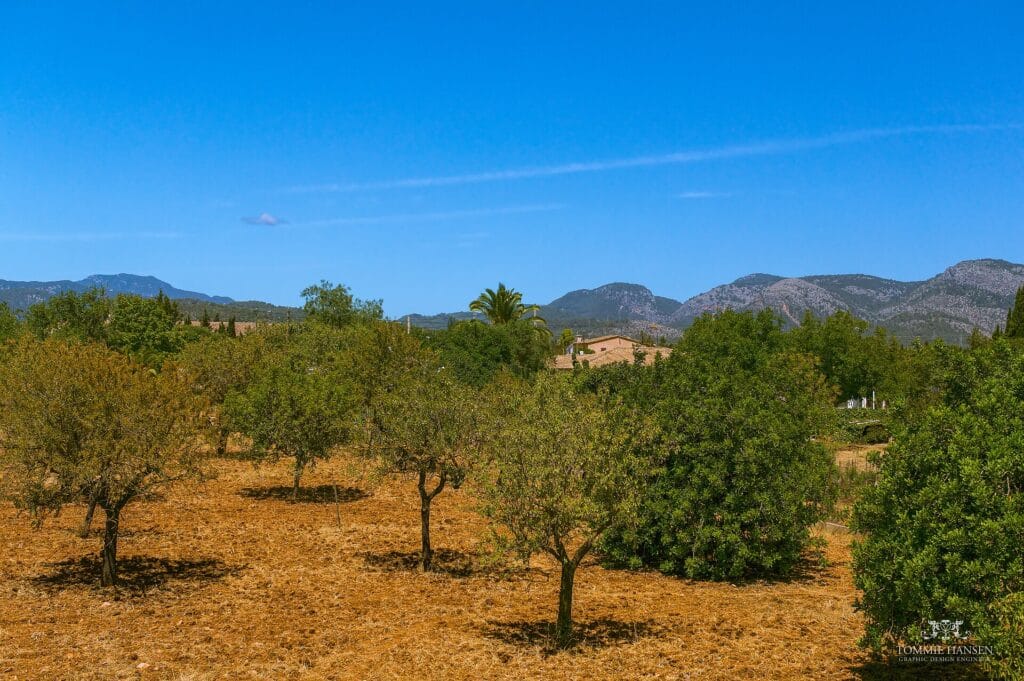
Planning a trip to Mallorca? This itinerary is built from a first-time-visitor perspective: hit the icons, eat the best food, and finish with memorable experiences. Each day mixes a major sight, food stops, and downtime.
Mallorca Itinerary at a Glance
| Day | Focus |
|---|---|
| Day 1 | Palma & La Seu |
| Day 2 | Tramuntana: Valldemossa to Sóller |
| Day 3 | East Coast Calas |
| Day 4 | Alcúdia & Cap de Formentor |
| Day 5 | Sa Calobra or Wine Country |
Day-by-Day Itinerary
Day 1 — Palma & La Seu
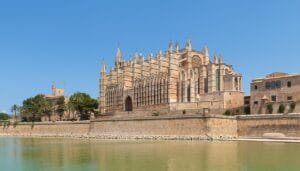
Give the first morning to Palma and its sandstone cathedral, La Seu (about €10–12) — go early when the light pours through the rose window, and look for Gaudí’s wrought-iron baldachin inside. Wander the old town’s honey-colored lanes off Passeig del Born, courtyard-peeping at the old merchant palaces. Coffee break: an ensaïmada — the coiled, powdered-sugar pastry Mallorcans argue about endlessly — from a classic bakery. Come evening, cross to Santa Catalina, the old fishermen’s quarter turned tapas district, and eat your way down the market streets; finish with a drink on the cathedral sea wall as it glows at golden hour.
Day 2 — Tramuntana: Valldemossa to Sóller
Rent a car (roughly €35–60 a day in season) or take bus 203 into the Serra de Tramuntana, the UNESCO-listed mountain spine. Start in Valldemossa, where Chopin wintered in the Carthusian monastery — try the local coca de patata bun. Continue to impossibly pretty Deià, Robert Graves country, and scramble down for a swim at stony Cala Deià. End in Sóller: orange-scented plaza, modernist church, and the rattling vintage tram (about €7–8) down to Port de Sóller for a harborside sunset dinner. Fair warning: Ma-10 roadside parking fills by mid-morning in July and August.
Day 3 — East Coast Calas
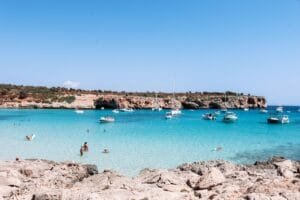
Beach day on the southeast coast, where the water does its best Caribbean impression. Cala Mondragó and neighboring S’Amarador sit inside a protected natural park — pines running down to the sand, turquoise shallows, easy parking and a beach bar for long lazy hours. The famous tiny cove of Caló des Moro is gorgeous but minuscule: arrive before 10am in summer or admire it from the clifftop path and move on without guilt. Lunch inland in Santanyí, a golden-stone market town (markets Wednesday and Saturday), then finish in Cala Figuera, a working fishing port where boats slide right past the restaurant terraces. Insider: pack water shoes — the prettiest swimming entries here are rocky.
Day 4 — Alcúdia & Cap de Formentor
Head north. Alcúdia‘s walled old town and its small Roman theatre earn a slow morning wander between the medieval gates; Pollença adds the 365 cypress-lined Calvari steps and one of the island’s best Sunday markets. Then drive the ridge road onto Cap de Formentor — the Mirador Es Colomer balcony hangs 200 meters over the open sea, and the lighthouse road unspools past cliffs, coves and pine forest (in peak summer the far cape is served by shuttle bus from Port de Pollença; check access rules before driving). Swim under the pines at Formentor beach, then circle back for a seafood dinner on the Port de Pollença promenade as the whole bay goes pink.
Day 5 — Sa Calobra or Wine Country
Two very different finales. The epic: Sa Calobra — drive the famous knotted road that loops under itself down the mountain (or skip the hairpins and take the boat from Port de Sóller, about €20–30) to the Torrent de Pareis gorge, where 200-meter walls open onto a pebble beach. The mellow: Binissalem wine country, tasting Mallorcan Manto Negro reds among the vines (tastings from about €15–25). Either way, be back in Palma by evening for a vermut and one last walk on the seafront — the cathedral reflected in Parc de la Mar is the island’s best free show.
Where to Stay in Mallorca
Choose a central neighborhood within walking distance of major sights — you’ll save hours of commute time over 5 days. Book 6-12 weeks ahead for best rates.
Budget Breakdown (5 Days)
Spain is rated Moderate in our Travel Cost Index 2026. Figures are country-level daily ranges per person and exclude international flights.
| Travel style | Per day | Total 5 days |
|---|---|---|
| Budget | $30-55 | $150-275 |
| Mid-range | $100-180 | $500-900 |
| Luxury | $300-500 | $1,500-2,500 |
Source: Packzup Travel Cost Index 2026 — country-level averages; city and peak-season prices run higher. Excludes international flights.
What to Pack
- Clothing: Pack light breathable clothes for hot dry summers, a swimsuit for the calas, grippy shoes for Palma’s cobbles and Tramuntana trails, and a cover-up for visiting Palma Cathedral and village churches.
- Tech: Spain uses type C and F plugs at 230V. Download offline maps for Serra de Tramuntana hikes where signal drops; EU SIMs roam free, others should grab a Spanish eSIM.
- Documents: Mallorca is Spain, so Schengen rules apply: many visitors enter visa-free for short stays, but check current requirements before booking. Carry passport copies and travel insurance covering medical care.
- Money: The currency is the euro. Cards work almost everywhere, including taxis, but keep some cash for beach chiringuitos and village markets. Tipping is modest, rounding up is plenty.
- Day bag: Sunscreen and a hat for strong island sun, water shoes for pebbly calas, a light towel, and bottled water, Mallorca tap is drinkable but hard and salty-tasting.
Routing Mistakes That Eat a Mallorca Day (and How to Sequence Around Them)
The trap that ruins most Mallorca plans is treating the island as small. The Coves del Drach sit near Porto Cristo on the east coast, roughly 70 km from Palma, while the dramatic Serra de Tramuntana villages run up the northwest. Pairing the caves with Valldemossa or Soller in one day means crossing the whole island twice, so split them onto separate days and cluster by coast instead.
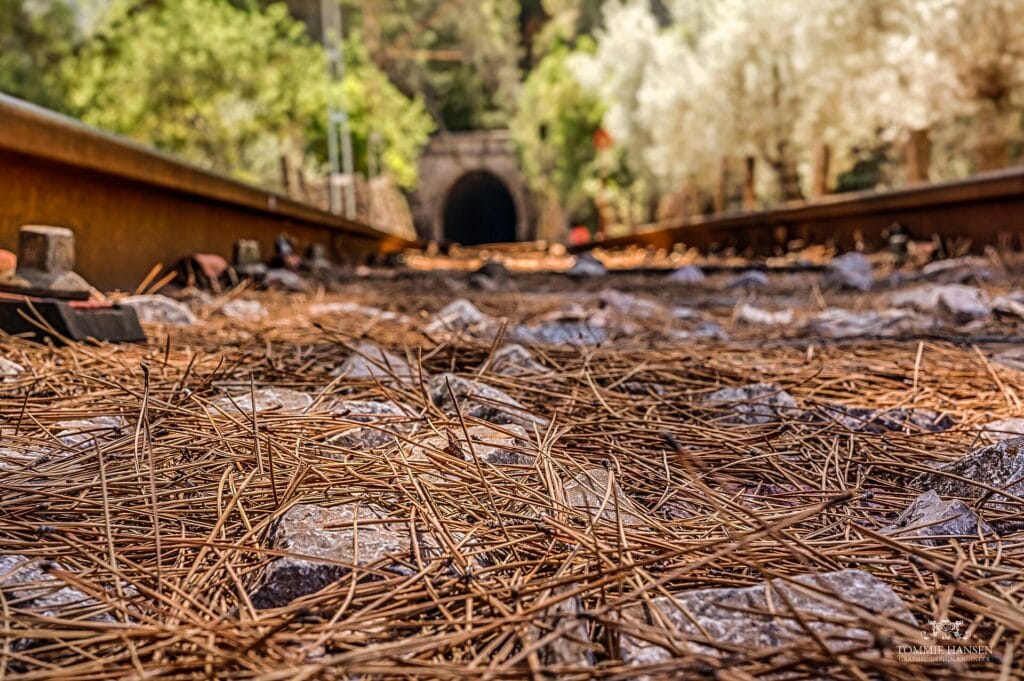
On the mountain day, take the vintage 1912 Soller train one way from Palma (27 km, about an hour through the range) rather than driving both directions, then ride the historic tram down to Port de Soller, a 15-minute hop. That removes the backtrack and the parking hunt in Soller’s narrow centre.
A few sequencing calls worth making:
- Skip the Sa Calobra descent unless you have time to spare. The MA-2141 (Coll dels Reis) winds through 26 hairpins and the 270-degree ‘Nus de Corbata’ knot, so it crawls behind cyclists and tour buses.
- Pair Valldemossa with Deia, only about 10 km apart on the MA-10, instead of doubling back to Palma between them.
- Reach the western villages and any cliff car park early; in summer the lots fill before mid-morning.
Frequently Asked Questions
Is 5 days enough for Mallorca?
For first-time visitors, 5 days in Mallorca covers the main highlights without rushing. If you want to add day trips, slower pace, or hidden gems, plan 2-3 more days.
How much will a 5-day Mallorca trip cost?
Using the Budget Breakdown table above, drawn from our Travel Cost Index 2026: Budget $30-55/day ($150-275 for 5 days), Mid-range $100-180/day ($500-900 for 5 days), Luxury $300-500/day ($1,500-2,500 for 5 days). Country-level averages, excluding international flights.
What’s the best time for this Mallorca itinerary?
Shoulder seasons offer the best balance of weather, crowds, and prices for Mallorca. See destination-specific best-time guide.
How do I get around Mallorca?
Not essential: trains link Palma with Inca, Sa Pobla and Manacor, the vintage Soller railway crosses the mountains, and TIB buses reach most resorts. Rent a car only for remote calas and Tramuntana villages, and expect scarce summer parking.
What should I pack for 5 days in Mallorca?
Summer means light clothing and serious sun protection, but bring real walking shoes: Tramuntana trails and cobbled village lanes punish flip flops. Keep swimwear for the beach, since wearing it in Palma streets can draw a fine.
Should I book hotels in advance?
Book three to six months ahead for July and August and for Easter week; the spring cycling season also fills the Port de Pollenca and Alcudia area in April and May. Outside those windows, a few weeks is plenty.
Related Mallorca Travel Guides
- Best Things to Do in Mallorca
- Where to Stay in Mallorca
- Best Food in Mallorca
- Best Time to Visit Mallorca
Best time to visit Mallorca (real climate data)
Best months: April, May, June, September, October, November.
Mallorca’s warmest month is July (avg 33°C / 91°F), the coolest is January (low 7°C / 45°F). The wettest is September (78 mm) and the driest is February.
Source: Open-Meteo ERA5 climate normals (2019–2023). See the full month-by-month weather →
You Might Also Love

Written by
Drew Treasury is a contributing travel writer at Packzup, specialising in city culture, food markets, street art, and neighbourhood-level travel.
Trip prep: before you travel, plan what to wear, check the tap water, sort your mobile data, and see if it is a cash or card country, and skim local etiquette.
