
Last updated September 11, 2026 · Editorial policy
It is July 2026, and if you follow football at all, you have spent the past month watching the World Cup swallow every screen in every bar on the planet. Argentina arrived in North America as defending champions; Portugal arrived, as ever, with a stacked squad and a nation expecting. Few countries live and breathe the game the way these two do, and that intensity spills into everything else they offer a traveler.
But this is a travel comparison, not a match report. Beyond the shirts and the chants, Argentina and Portugal could hardly be more different trips: one is a sprawling epic across a country that runs from subtropical waterfalls to Patagonian glaciers, the other a compact, sunny corner of Europe you can genuinely cover in ten days. We have paid our own way through both, and this guide breaks down where each one wins on costs, food, beaches, cities, weather, logistics and nightlife, so you can pick the right trip rather than the team having a better tournament.
| Category | Argentina | Portugal | Winner |
|---|---|---|---|
| Daily budget | $40–150 for most travelers | $60–200 for most travelers | Argentina |
| Food | World-class beef, wine, ice cream | Superb seafood, pastries, cheap lunches | Argentina (just) |
| Beaches/Nature | Epic nature, average beaches | Gorgeous beaches, gentler nature | Split decision |
| Cities & culture | Buenos Aires is a heavyweight | Lisbon and Porto punch above their size | Argentina |
| Weather | Opposite seasons, huge range | Mild, sunny, reliable | Portugal |
| Ease of travel | Big distances, more planning | Compact, easy, English-friendly | Portugal |
| Nightlife | Legendary, starts at 2 a.m. | Fun but earlier | Argentina |
| Value for money | Excellent once you land | Good by European standards | Argentina |
When to go: Argentina vs Portugal
Measured, not guessed — five years of climate normals (WMO 1991–2020, or ERA5 2019–2023 where unavailable). Months are ranked by how close the average high sits to 25°C, penalised by wet days.
Argentina
- Best month
- November
- Then expect
- 25°C · 7 wet days
- Next best
- February, March
- Wettest month
- January (10 wet days)
Portugal
- Best month
- July
- Then expect
- 28.4°C · 0 wet days
- Next best
- August, June
- Wettest month
- April (10 wet days)
- Different windows — Argentina peaks in November, Portugal in July. If your dates are fixed, that is the deciding factor.
- Portugal is the drier bet at its peak — 0 wet days vs 7.
- Biggest split is July — Portugal is 14.3°C warmer that month.
Source: climate normals (WMO 1991–2020, or ERA5 2019–2023 where unavailable) via Open-Meteo, CC BY 4.0 — Packzup Travel Climate Dataset (open data).
Cost comparison: what you will actually spend
Let’s start with the honest part: Argentina’s prices have been a rollercoaster. The blue-dollar bonanza, when a steak dinner cost less than a sandwich in Lisbon, is mostly over; dollar prices climbed steeply through the economic reforms of the last two years. Argentina is still cheaper than Western Europe for most things, but it is no longer comically cheap, and anyone telling you otherwise has not been recently.
Realistic daily budgets in Argentina: backpackers can manage on $40–65 a day with hostels, empanadas and buses; mid-range travelers should plan on $90–150 for boutique hotels in Palermo, parrilla dinners and a domestic flight or two; luxury starts around $250–400 with estancia stays and Mendoza wine lodges. A superb steak dinner with a bottle of Malbec still runs $25–40 a head, which remains one of the best food deals on Earth.
Portugal is pricier day to day but stable: roughly $60–90 for budget travelers, $130–200 mid-range, and $300-plus for luxury, with Lisbon and the summer Algarve at the top of those ranges. It is still noticeably cheaper than its neighbors to the north, something we dug into in our France vs Portugal comparison, but Lisbon stopped being a secret bargain a decade ago.
The wildcard is airfare. From the US East Coast, Portugal is often a $450–800 round trip, while Argentina usually runs $900–1,400. On a trip shorter than ten days, that gap can erase Argentina’s on-the-ground savings entirely.
Food: steak and Malbec vs seafood and pastéis
Argentina’s food culture is deep and gloriously specific: beef cooked slowly over coals, empanadas that change character by province, Italian-influenced pastas and milanesas, and ice cream that rivals anything in Rome. Meals are events here; an asado with locals can run four hours, and Mendoza Malbec is absurdly good for the price. The honest weakness is variety: after ten days, vegetarians and anyone craving spice or greens will start to struggle outside Buenos Aires.
Portugal counters with the Atlantic: grilled sardines in summer, octopus rice, bacalhau in a hundred forms, and Porto’s francesinha for anyone whose cardiologist is not watching. The pastel de nata is the best two-dollar purchase in Europe, and the prato do dia lunch, a full plate with a drink for $10–14, keeps daily costs low. Portuguese wine, from vinho verde to port, is criminally underrated.
Our call: Argentina by a nose, purely because a proper parrilla night is one of the world’s great eating experiences. If you do not eat red meat, flip the verdict; Portugal wins for you, and it is not close.
Beaches & nature: two different planets
This category has to be split, because each country wins the opposite half of it.
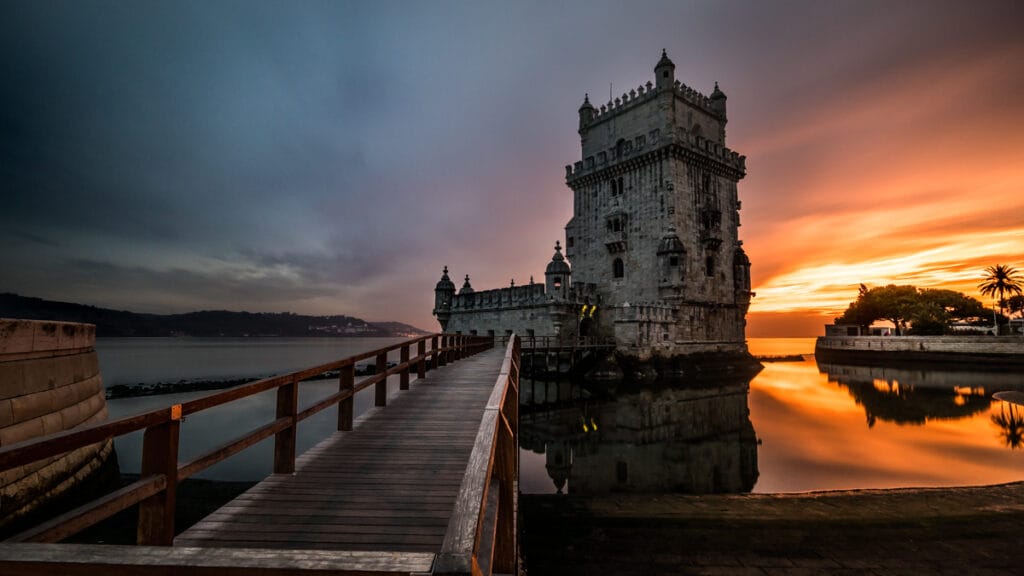
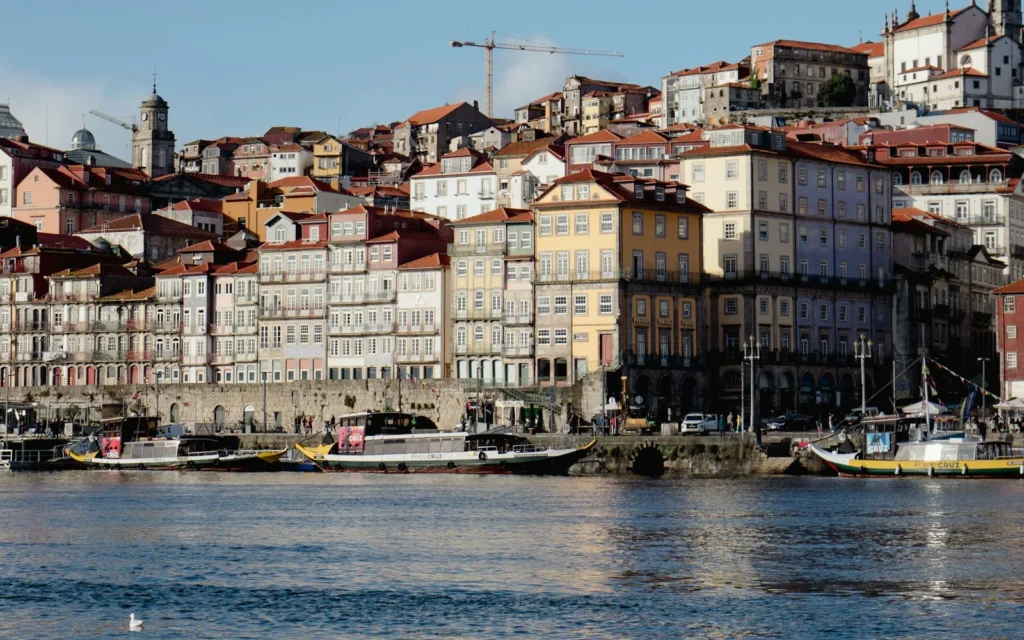
Beaches: Portugal, easily. The Algarve’s golden cliffs and hidden coves, the wild Costa Vicentina, surf towns like Ericeira and Peniche, and the monster winter waves at Nazaré add up to one of Europe’s best coastlines; it holds its own even in our Greece vs Portugal matchup. The catches are real, though: the Atlantic stays cold even in August, and July crowds in Lagos test your patience. Argentina’s beaches around Mar del Plata are a beloved local summer ritual, but they are not why you fly eleven hours.
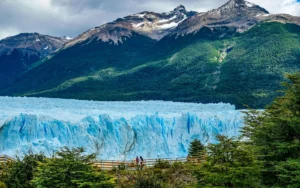
Nature: Argentina, overwhelmingly. Iguazú Falls makes Niagara look like a leaky faucet, Perito Moreno is a glacier you can hear cracking from the walkways, and the hiking around El Chaltén ruins other mountains for you. Add the red-rock northwest around Salta, the Bariloche lake district and whale season in Península Valdés, and no country Portugal’s size can compete. Madeira’s levada trails and the volcanic Azores are genuinely lovely, but they play in a different league.
Cities & culture
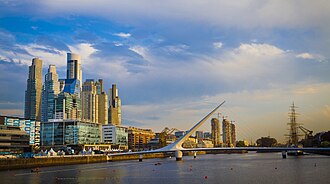
Buenos Aires is one of the world’s great cities, full stop. Faded Belle Époque architecture, all-night bookstores, tango spilling out of San Telmo milongas, the Recoleta cemetery, and a café culture that treats a two-hour coffee as normal behavior. Beyond the capital, Mendoza is a wine pilgrimage, Córdoba hums with student energy, and Salta anchors the dramatic northwest; our guide to things to do in Argentina shows just how much this country holds.
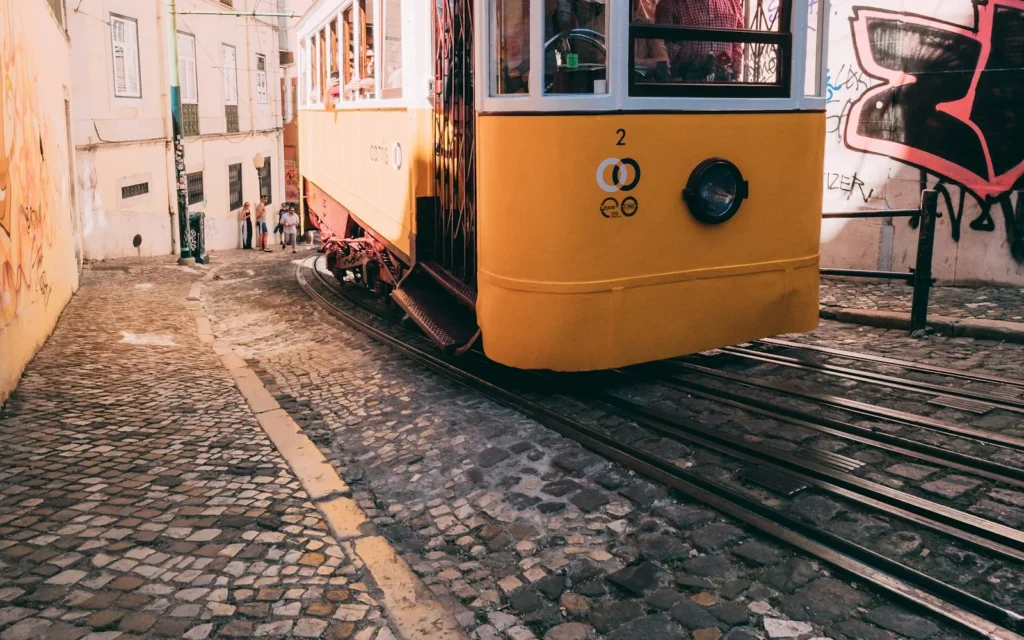
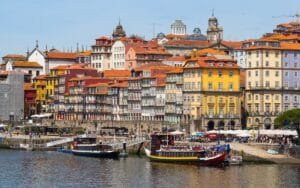
Portugal’s cities are smaller but dense with reward. Lisbon’s miradouros, tiled facades and fado houses in Alfama; Porto’s port lodges across the river; Sintra’s fairy-tale palaces forty minutes from the capital; Évora and Coimbra for history without the tour buses. You can absorb a satisfying sweep of Portuguese culture in a week. Seeing Argentina’s takes a month.
We give the category to Argentina on the strength of Buenos Aires alone, while conceding that Portugal’s density of walkable, beautiful old towns is unmatched in this pairing.
Weather & when to go
Here is the twist travelers forget: the seasons are opposite. Right now, in July 2026, Portugal is in peak summer, with Algarve beach weather and crowds to match, while Argentina is in winter, which means skiing near Bariloche and crisp grey days in Buenos Aires.
Portugal’s sweet spots are May–June and September–October: warm, sunny, cheaper, far less crowded. Even winter is mild and walkable. Argentina is more complicated because it spans half a continent: Patagonia is best November through March, Buenos Aires shines in spring and fall, and Iguazú works most of the year but steams in high summer.
Portugal wins for simplicity and year-round reliability. Argentina wins if your dates are flexible enough to chase the right season in the right region, or if skiing the Andes in July sounds like your kind of plot twist.
Getting around & safety
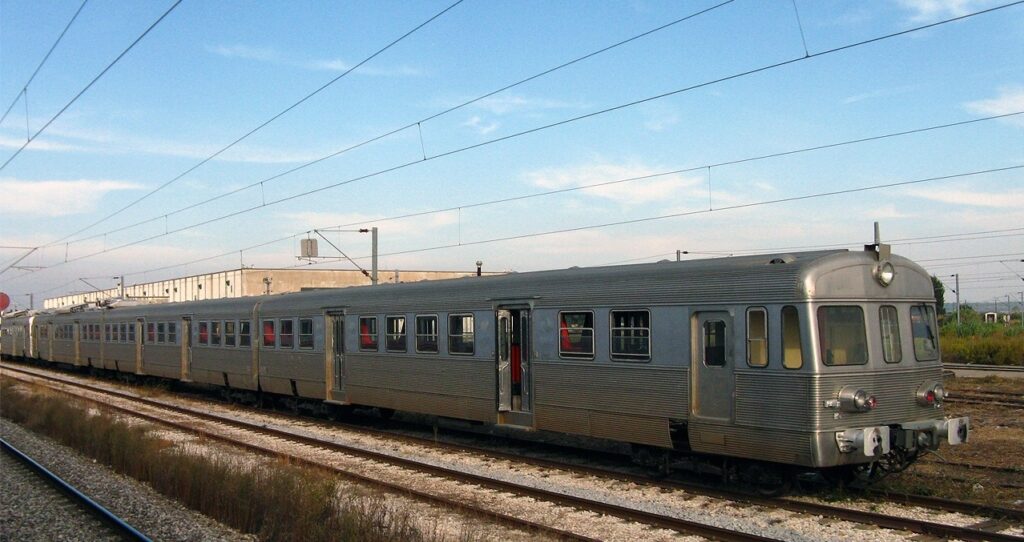
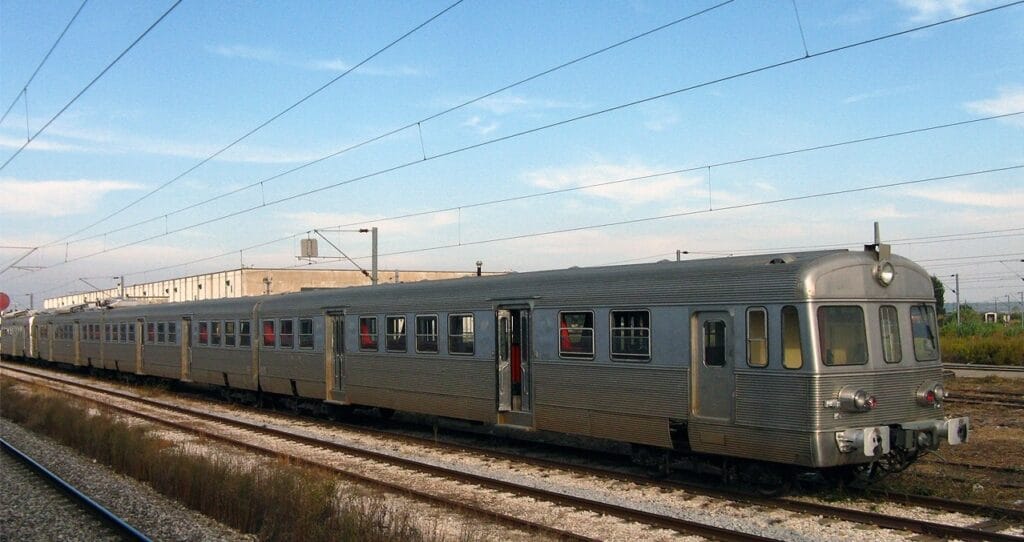
Portugal is one of the easiest countries on Earth to travel. It consistently ranks among the safest anywhere, trains and buses are cheap and comfortable, Lisbon to Porto takes about three hours, and English is widely spoken. Watch for pickpockets on Lisbon’s tram 28 and that is roughly the extent of your worries.
Argentina asks more of you. The country is over 2,300 miles long, so you will be booking domestic flights or settling into surprisingly comfortable overnight buses. Buenos Aires is safe by regional standards, but phone-snatching is common; keep yours off café tables. Some Spanish goes a long way, since English thins out fast beyond tourist zones, and while paying by card is far easier than it was in the chaotic years, prices can still drift between booking and arrival.
Entry for US passport holders is easy in both. Argentina requires no visa for stays up to 90 days. Portugal follows the Schengen 90-in-180 rule, but note that Europe’s new EES biometric border checks are rolling out and the ETIAS travel authorization is expected to follow; check current requirements before you fly, because the timeline has been a moving target. One underrated Argentina perk: it sits only an hour or two off US East Coast time, so the overnight flight lands you with zero jet lag. Portugal’s five-hour shift hits harder than people expect.
Nightlife & vibe
Argentina runs on a clock that breaks most visitors in the best possible way. Dinner starts at 10 p.m., bars fill after midnight, and Palermo’s clubs do not get going until 2 a.m. Add milongas where locals tango until dawn and a fernet-and-Coke culture fueling all of it, and Buenos Aires is comfortably among the world’s great nightlife cities. Watching a World Cup match in a packed porteño bar this summer borders on a religious experience.
Portugal is fun without being feral. Bairro Alto turns into a street party most nights, Lisbon’s riverside clubs go late, Porto’s Galerias strip is lively, and Lagos in summer is a full backpacker fiesta. But most of Portugal is winding down around the time Buenos Aires is warming up. Clear win for Argentina.
Argentina or Portugal: the honest verdict
No fence-sitting. Here is who should book what:
Budget travelers: Argentina, if you are going for two weeks or more; the on-the-ground savings outweigh the pricier flight. Under ten days, Portugal’s cheap airfare and short distances make it the smarter spend.
Foodies: Argentina. Steak, Malbec, empanadas and the asado ritual form a singular food culture worth crossing the planet for. Vegetarians should reverse this: Portugal, comfortably.
Beach lovers: Portugal, and it is not close. The Algarve versus Mar del Plata is a mismatch.
First-timers who want an easy trip: Portugal. Safe, compact, English-friendly and gorgeous; it is the lowest-stress great vacation in Europe.
Nature and adventure travelers: Argentina, overwhelmingly. Patagonia and Iguazú belong on any serious life list.
If South America has your attention but you are torn within it, our Argentina vs Brazil comparison settles that fight; if Portugal won you over but you are still shopping Europe, read Croatia vs Portugal next. Forced to pick one for 2026? A week or less: Portugal. Two weeks or more: Argentina, and you will spend the flight home planning your return.
FAQ
Is Argentina cheaper than Portugal in 2026?
Which is better for a football-fan trip?
Do US citizens need a visa for either country?
How much time do you need in each country?
Planning the trip? Go deeper with best time to visit Argentina and best time to visit Portugal.
You Might Also Love
More side-by-side comparisons



Written by
John Morrison is the founder and lead travel writer at Packzup. Over the past decade he has explored destinations across Africa, the Americas, Asia, Europe, the Middle East, and Oceania — always self-funded, never on a press trip.
