Quick Answer
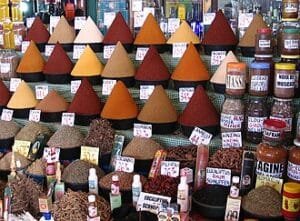
Morocco’s main spice markets are Rahba Kedima in Marrakech and the Attarine quarter in Fes. Buy loose by weight rather than pre-packed boxes, treat cheap saffron as fake, and choose argan oil from a documented women’s cooperative. Haggling is expected — start low and stay good-humoured.
Moroccan spice souks are theatrical by design, and that makes them both wonderful and easy to get wrong. Knowing what is genuine and how the negotiation works turns a tourist transaction into a good one.
What to Buy in a Moroccan Spice Souk
1. Marrakech and the Medina souks
The Rahba Kedima square is the traditional spice and apothecary market, ringed by stalls selling everything from saffron to dried chameleons for folk remedies.
2. Fes and the oldest medina
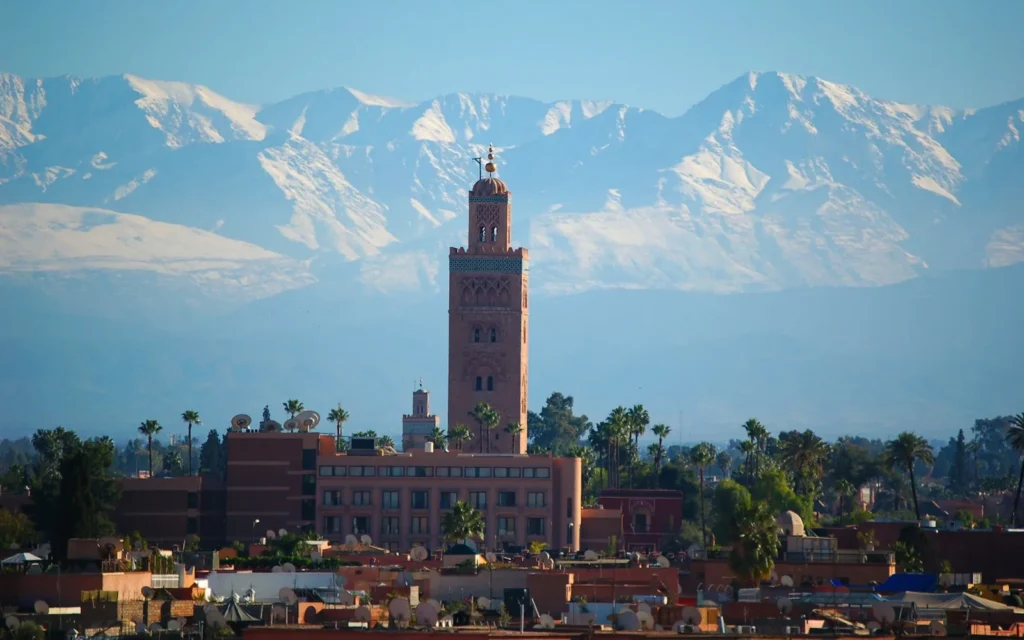
Less visited than Marrakech and considerably more disorienting. The spice sellers cluster near the tanneries and the Attarine quarter, named for the perfumers.
3. Ras el hanout — the blend that varies
‘Head of the shop’: each merchant’s own mixture of a dozen or more spices. There is no single recipe, which is precisely the point — buy from someone who will tell you what is in theirs.
4. Saffron from Taliouine
Morocco grows genuine saffron in the Souss region. It is expensive everywhere; anything cheap is safflower or dyed corn silk.
5. Preserved lemons and olives
Sold from barrels by weight. Preserved lemons are central to tagine cooking and travel home surprisingly well in a sealed jar.
6. Argan oil
Culinary argan is toasted and nutty; cosmetic argan is not. Buy from a women’s cooperative where the difference is explained and the production is documented.
7. Mint for tea
Fresh spearmint sold in enormous bundles. Moroccan mint tea is green tea, mint and a great deal of sugar — ask for less if you prefer.
8. Haggling is expected, and has rules
Start well below the asking price, stay good-humoured, and be willing to walk away. Never begin negotiating for something you do not intend to buy.
9. Spot the tourist blend
Pre-packed ‘Moroccan spice’ boxes are usually low-grade and heavily padded. Buy loose, by weight, from a stall where locals are also buying.
10. Cooking classes are the best way in
A half-day class usually starts with a guided market shop, which is by far the easiest way to learn what you are looking at.
Haggling, and not getting stung
Haggling is a normal social exchange here, not a confrontation. Open well below the asking price, expect to meet somewhere in the middle, keep it light, and be genuinely prepared to walk — that is the mechanism, not a trick. The one rule that matters: do not start negotiating for something you have no intention of buying.
On authenticity: real saffron is deep red threads with a slightly bitter taste and colours water golden slowly, over minutes. If it stains instantly and tastes sweet, it is dyed. Culinary argan smells toasted; cosmetic argan does not, and paying culinary prices for cosmetic oil is a common outcome.
Practically, carry small notes, agree the price before anything is weighed or bagged, and be wary of unsolicited “guides” who lead you to a specific shop — they are paid a commission that is added to your price. A cooking class that begins with a market walk sidesteps almost all of this.
Frequently Asked Questions
What is ras el hanout?
“Head of the shop” — each merchant’s own blend of a dozen or more spices. There is no fixed recipe, so ask what is in theirs.
How do you spot fake saffron?
Real saffron colours water slowly and golden, and tastes slightly bitter. Instant colour or a sweet taste means dyed safflower or corn silk.
Is haggling expected in Morocco?
Yes, in the souks. Start below the asking price, stay friendly, and be willing to walk away.