Quick Answer
The best coffee farm tours are in Antigua (Guatemala), Colombia’s Coffee Triangle around Salento, Ethiopia’s Yirgacheffe, Boquete in Panama, Kona in Hawaii and Kenya’s Nyeri region. Visit during harvest — roughly October to March in most of Latin America — to see picking and processing.
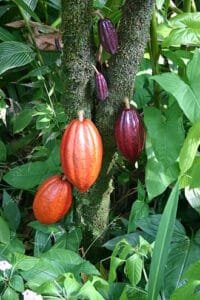
A good farm tour walks you from cherry to cup: picking, pulping, fermenting, drying, milling and roasting. A bad one walks you to a gift shop. The difference is usually whether the farm actually processes on site.
10 Coffee Regions Worth Visiting
1. Antigua and the Guatemalan highlands
Volcanic soil, high altitude and a dense cluster of visitable fincas within reach of one of Latin America’s prettiest towns. Harvest runs roughly December to March.
2. Salento and the Colombian Coffee Triangle
A UNESCO-listed cultural landscape where family fincas run tours daily and you can pick, pulp and roast in one afternoon.
3. Minas Gerais and São Paulo, Brazil
Best months: Jun–Aug · 18–25°C days · dry (climate data)
The largest producer on earth. Tours here explain scale and mechanised harvesting rather than hand-picking.
4. The Yirgacheffe and Sidamo regions, Ethiopia
Coffee’s origin. Wild arabica still grows in the forests, and the traditional coffee ceremony is a genuine social ritual rather than a performance for visitors.
5. Kona, Hawaii
Best months: Jun–Aug · 23–29°C days · some rain (climate data)
The only significant coffee-growing region in the United States, with small farms open year round on the Big Island’s western slopes.
6. Boquete, Panama
Home of the Geisha varietal that reset world record prices. Several estates offer serious cupping sessions rather than gift-shop tours.
7. The Central Highlands, Vietnam
Best months: Nov–Jan · 14–22°C days · some rain (climate data)
The world’s largest robusta producer, centred on Buon Ma Thuot — a very different crop and culture from the arabica regions.
8. Chikmagalur and Coorg, India
Best months: Nov–Jan · 9–21°C days · dry (climate data)
Shade-grown coffee under pepper vines and silver oak in the Western Ghats, often combined with spice plantations.
9. Nyeri and Kirinyaga, Kenya
Cooperative-run washing stations produce some of the most distinctive coffee in the world, and tours explain the cooperative model well.
10. Bali and Sumatra, Indonesia
Best months: Jun–Aug · 23–32°C days · some rain (climate data)
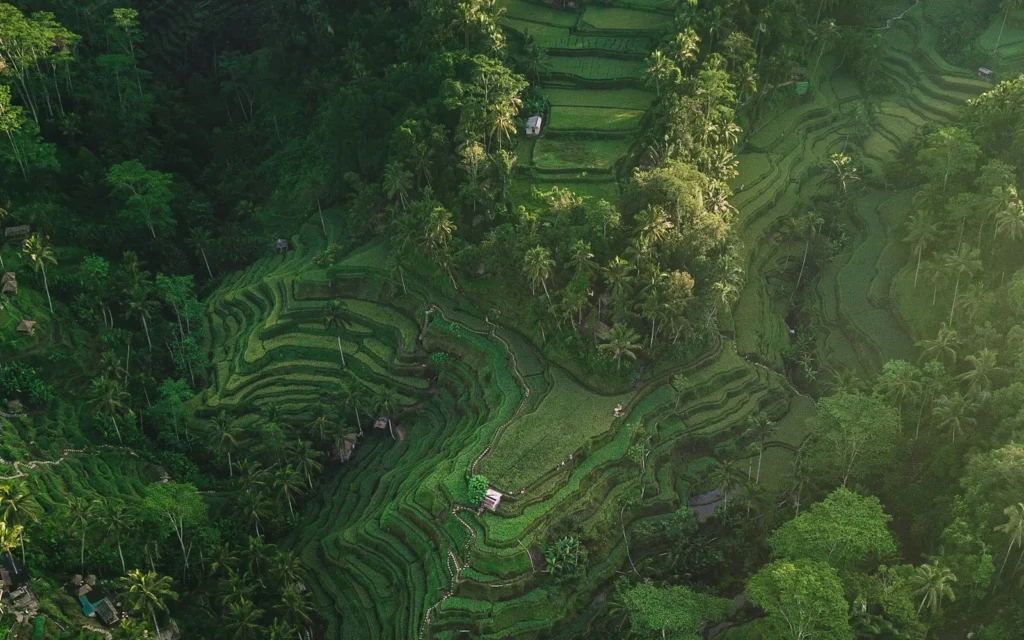
Widely visited, though be aware that many Bali ‘coffee plantation’ stops are retail operations. Sumatra’s Lake Toba region is the serious growing area.
How to pick a tour worth taking
Go during harvest. Outside picking season you see machinery and stories rather than work — roughly October to March across most of Latin America, and varying by altitude even within one region. Ask the farm directly when their picking runs.
Look for farms that process on site: a wet mill, fermentation tanks and drying beds mean you will see the whole chain. Ask whether the tour includes a cupping, which is where you actually learn to taste difference. Small family fincas usually give a better experience than large estates with fixed hourly tours.
Two practical notes: most growing regions sit at altitude, so allow for it, and mornings are when the work happens — afternoon tours often show an empty mill. If you plan to bring beans home, buy roasted or check your destination’s rules on importing green coffee, which is treated as an agricultural product in many countries.
Frequently Asked Questions
When is coffee harvest season?
Roughly October to March across most of Latin America, though it shifts with altitude and region. Ethiopia and Kenya differ — check locally.
Which country has the best coffee tours?
Colombia and Guatemala for accessibility and quality; Ethiopia for origin and culture; Panama for serious cupping.
Can you bring coffee home?
Roasted beans are generally fine. Green coffee is an agricultural product and restricted in many countries — check before buying.