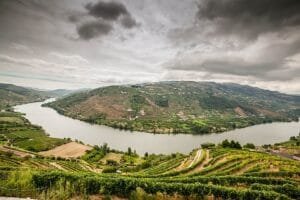
Quick Answer
The best tea destinations are Darjeeling and Assam in India, Sri Lanka’s highlands around Nuwara Eliya, Hangzhou in China, Uji and Shizuoka in Japan, Taiwan’s high-mountain oolong regions and Kericho in Kenya. Spring first flush is the most prized harvest in most regions.
Tea is one crop that produces radically different results depending on altitude, processing and picking date — the same plant makes green, oolong and black tea. These regions are where those differences are clearest.
10 Tea Regions Worth Travelling For
1. Darjeeling, India
Best months: Nov–Jan · 9–21°C days · dry (climate data)
Steep Himalayan slopes producing the most recognisable black tea in the world. Visit during first flush in spring for the most prized harvest.
2. Assam, India
Best months: Nov–Jan · 9–21°C days · dry (climate data)
Lowland, hot and humid, producing the strong malty tea that fills most breakfast blends. Colonial-era bungalows now take guests.
3. Nuwara Eliya and Ella, Sri Lanka
Best months: Dec–Feb · 23–30°C days · some rain (climate data)
Highland estates reached by one of the world’s great train journeys, with factories open to visitors.
4. Hangzhou and West Lake, China
Home of Longjing (Dragon Well) green tea, picked by hand on hills beside the lake.
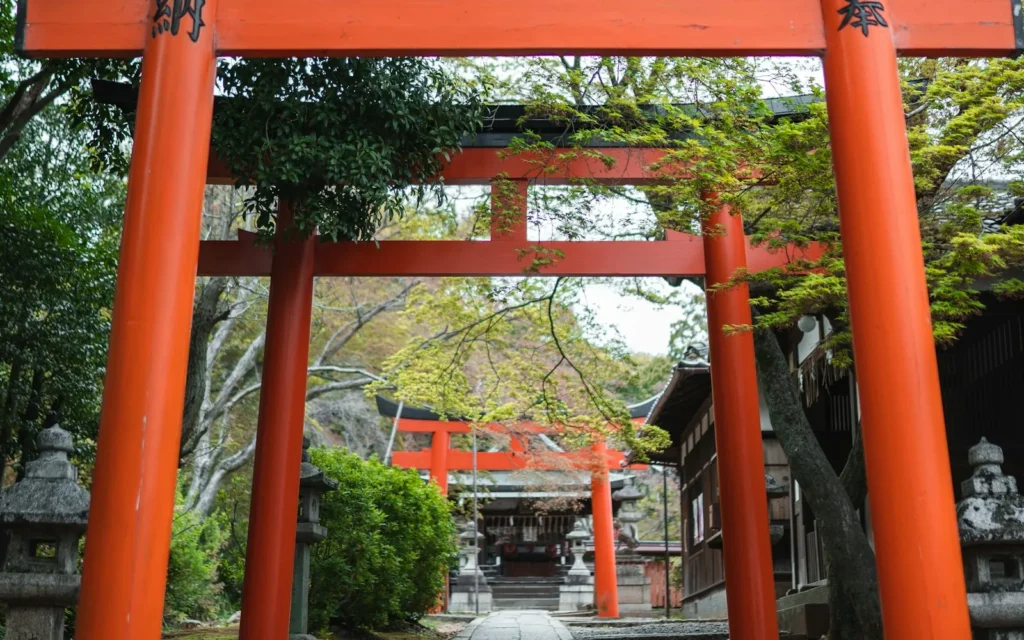
5. Uji, Japan
Best months: Sep–Nov · 14–22°C days · rainy (climate data)
The centre of Japanese matcha, just south of Kyoto, where stone mills still grind shaded tencha leaf.
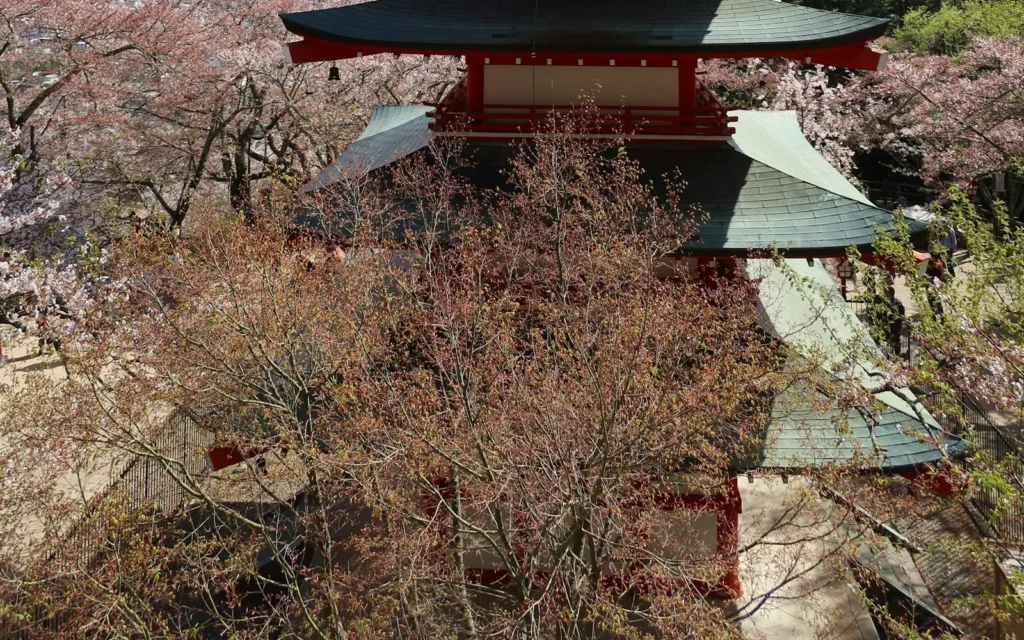
6. Shizuoka, Japan
Best months: Sep–Nov · 14–22°C days · rainy (climate data)
Japan’s largest tea region, with plantations running up toward Fuji.
7. The Cameron Highlands, Malaysia
Best months: Jun–Aug · 24–31°C days · rainy (climate data)
Cool hill country with large working estates and easy access from Kuala Lumpur.
8. Taiwan's high-mountain oolong
Alishan and Lishan produce some of the most sought-after oolong in the world, grown above 1,000 metres.
9. Rize, Turkey
Best months: Jul–Sep · 22–30°C days · dry (climate data)
Black Sea hillsides supplying a country that drinks more tea per head than almost anywhere.
10. Kericho, Kenya
The largest tea exporter in the world by volume, with vast estates in the Rift Valley highlands.
Timing and tasting
First flush — the first picking after winter dormancy, usually in spring — is the most prized in Darjeeling and most Chinese green-tea regions, and prices reflect it. Second flush in early summer gives Darjeeling its muscatel character. Sri Lanka and Kenya pick year-round, so timing matters less there.
Book estate tours ahead where accommodation is on site, because rooms are few. Ask whether the factory is running — a tea factory outside picking season is a quiet shed. Mornings are when plucking happens.
Buy from the estate or a reputable local dealer rather than an airport shop, and note that tea absorbs odours readily: store it sealed, away from spices and coffee. If you are buying matcha in Uji, buy small quantities — it degrades within weeks of grinding, which is precisely why it is sold in small tins.
Frequently Asked Questions
Where is the best tea in the world grown?
Darjeeling for aromatic black tea, Uji for matcha, Taiwan’s high mountains for oolong, and Hangzhou for Longjing green tea.
When is first flush?
Spring — the first picking after winter dormancy, and the most prized harvest in Darjeeling and most Chinese green-tea regions.
Which country exports the most tea?
Kenya leads by export volume, centred on the Kericho highlands.