
Last updated August 22, 2026 · Editorial policy
Quick answer: Daikanyama is Tokyo’s most effortlessly stylish pocket — come for a slow morning at T-Site’s Tsutaya Books, specialty coffee at Onibus, indie boutiques and the craft-beer terraces of Log Road, all walkable in half a day and best paired with a canal-side stroll down into Nakameguro.
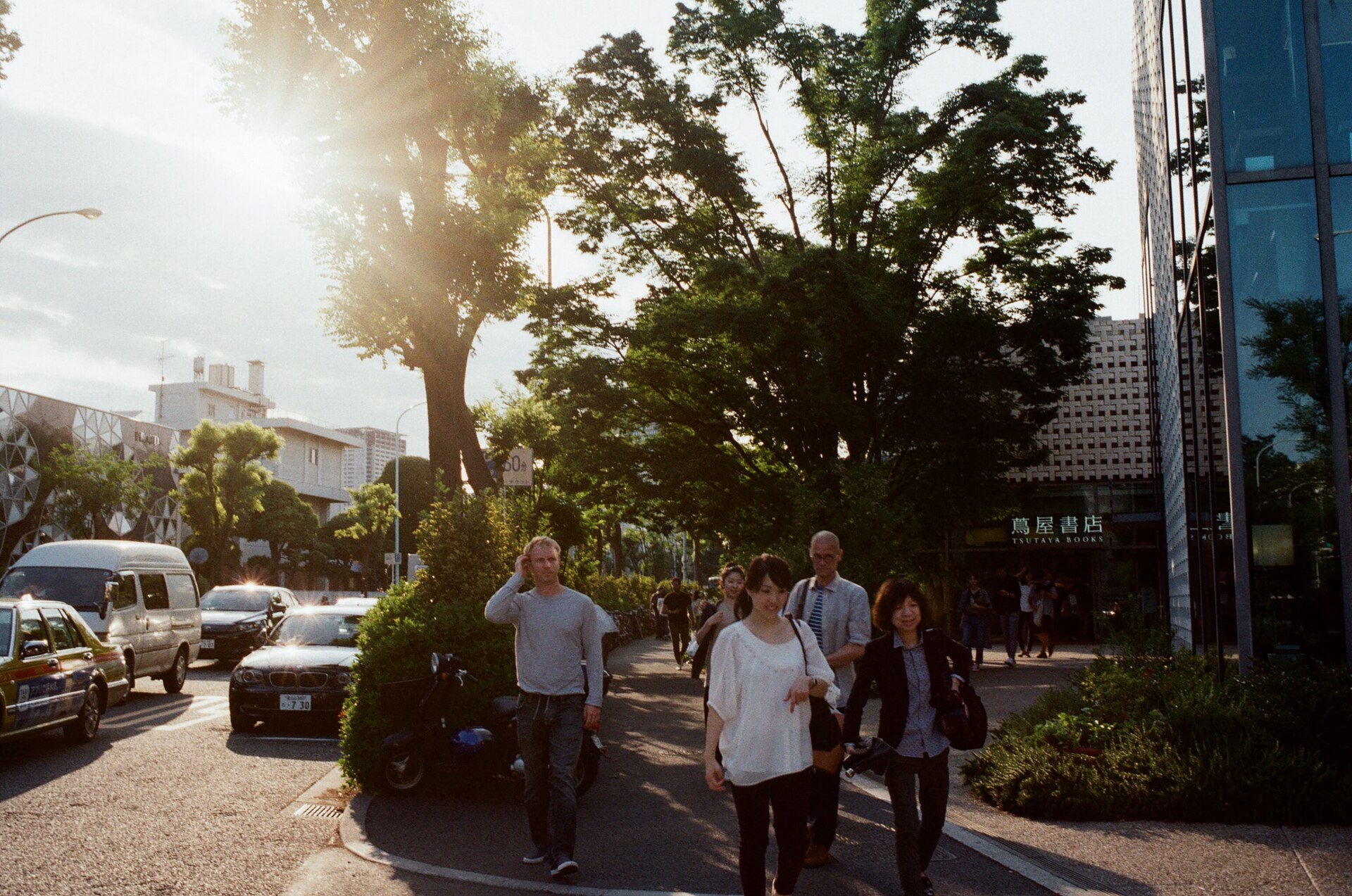
Start at Daikanyama T-Site (Tsutaya Books)
The neighbourhood’s anchor and one of the world’s most beautiful bookstores: three low pavilions linked by a “magazine street,” with deep art, design, travel and photography sections, an in-store Starbucks and the Anjin lounge upstairs stocked with vintage magazines. Mornings are calm; weekends fill by noon. Browsing is unhurried and very much the point.
Coffee worth the trip
Onibus Coffee (a short walk toward Nakameguro) roasts single-origins in a tiny two-storey house by the train tracks — order an espresso and watch the trains slide past the upstairs window. In Daikanyama proper, look for the new-wave stands and kissaten dotted between the boutiques; the scene refreshes constantly, which is why coffee people keep coming back. (Pair this with Tokyo’s famous book-town cafes — see our Jimbocho cafe guide — for the full Tokyo coffee-and-books day.)
Log Road Daikanyama
A landscaped walkway built over a former rail line, lined with craft beer (Spring Valley Brewery), bakeries and terraces — one of central Tokyo’s nicest spots for an outdoor afternoon drink.
Kyu Asakura House
A 1919 samurai-class residence with a mossy strolling garden, hidden a minute from the main crossing. Entry is a few hundred yen and it’s often nearly empty — tatami rooms, cedar corridors and maple shade that feel a century away from the boutiques outside.
Shop the side streets
Daikanyama’s boutiques are small and well-edited: Hillside Terrace’s galleries and design shops, Bonjour Records, A.P.C. and Okura’s indigo-dyed clothing among them. The pleasure is wandering the leafy backstreets between Hachiman-dori and the station — every block hides two or three shops you didn’t plan to enter.
Green breaks: Saigoyama Park
Five minutes uphill, Saigoyama Park has lawns and a west-facing terrace with Mt. Fuji views on clear winter days — locals’ picnic spot of choice, glorious at sunset.
Walk down to Nakameguro
End by strolling down to the Meguro River: cherry blossoms in late March, lantern-lit evenings, and a canal lined with vintage shops and small bars. The walk from T-Site takes about 12 minutes and ties the two neighbourhoods into one perfect half-day.
How to get there & when to come
Daikanyama is one stop from Shibuya on the Tokyu Toyoko line (or a 15-minute walk). Weekday mornings are the quiet sweet spot; Saturday afternoons are the people-watching peak. Two to four hours covers it; add Nakameguro and it’s a full, easy afternoon.
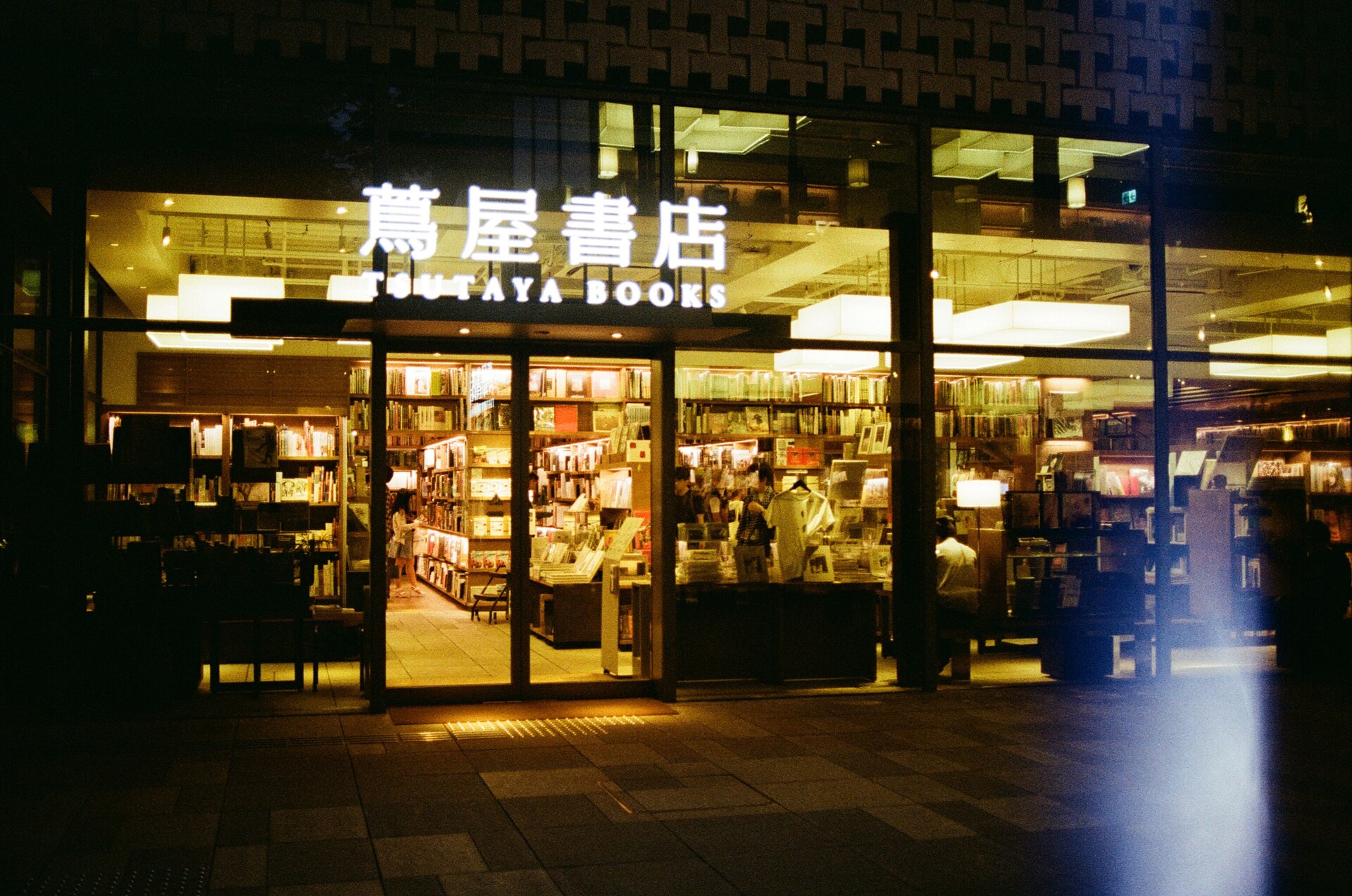
What Is Actually Worth Your Time in Daikanyama (and What to Skip)
Daikanyama T-Site gets treated as the one stop you cannot miss, and by mid-afternoon on a weekend the bookstore aisles and the Anjin lounge are shoulder-to-shoulder. The store is free and runs roughly 7am to 11pm, so the smart play is to come on a weekday morning or after about 8pm, when you can actually sit and read. Treating it as a 2pm-Saturday pilgrimage is the mistake most visitors make.
The pick most people walk straight past is the Kyu Asakura House, a few minutes off the main shopping street in Sarugakucho. Entry is only around 100 yen, it is closed on Mondays, and on weekday hours (about 10am to 6pm in the warmer months) you often have the wooden corridors and moss garden nearly to yourself. It is the quietest 30 minutes in the neighbourhood.
For a free time-and-money move, two spots reward a short walk:
- Saigoyama Park, a free hilltop lawn where Mt. Fuji appears on clear winter days, best at late-afternoon light.
- ForestGate Daikanyama, the Kengo Kuma complex about a minute from the station, whose planted terraces are open to wander without a ticket.
FAQ
Is Daikanyama worth visiting?
Daikanyama or Jimbocho for cafes?
Best season?
You Might Also Love
More things to do in Japan




Written by
John Morrison is the founder and lead travel writer at Packzup. Over the past decade he has explored destinations across Africa, the Americas, Asia, Europe, the Middle East, and Oceania — always self-funded, never on a press trip.
