
Last updated September 5, 2026 · Editorial policy
Based on the Packzup Cost Index (Budget-friendly tier), typical on-the-ground totals per person, excluding international flights:
| Travel style | 7 days | 14 days |
|---|---|---|
| Budget | $84 - $175 | $168 - $350 |
| Mid-range | $315 - $630 | $630 - $1,260 |
| Luxury | $1,260 - $2,450 | $2,520 - $4,900 |
- Poland trip cost: daily budget at a glance
- Cost Breakdown
- 7-Day Sample Budget
- Plan Your Budget
- How to eat and travel Poland like a broke local
- Frequently Asked Questions
- What Does a Trip to Poland Actually Cost?
- How to Save Money in Poland
- When Is Poland Cheapest to Visit?
- Related Articles
- Why every price in Poland is in zloty, and what the NBP rate was on 4 September 2026
- Can you pay by card everywhere in Poland, and where do you still need cash?
- How PKP Intercity prices the same seat five different ways
- Does Poland charge a tourist tax, and how much can a town charge?
- The Auschwitz-Birkenau entry card rule that costs people money for nothing
- At a glance
- Frequently asked questions
Quick answer: A mid-range trip to Poland costs $70-130/day.
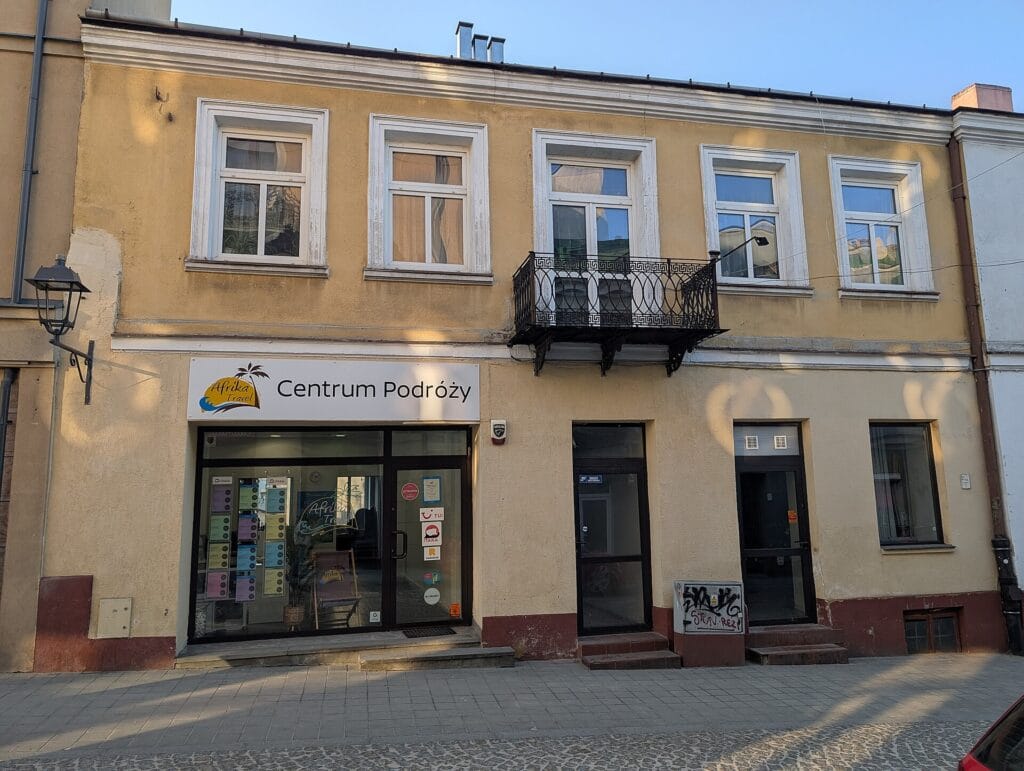
Trip costs to Poland depend on travel style, season, and length.
Poland trip cost: daily budget at a glance
Short answer: budget on roughly $95–180 per person per day mid-range (excluding international flights).
| Travel style | Per day (per person) | What it covers |
|---|---|---|
| Budget | $45–75 | Hostels/guesthouses, street food, public transport |
| Mid-range | $95–180 | 3-star hotels, restaurants, the odd tour or taxi |
| Luxury | $280+ | 4–5★ hotels, fine dining, private guides & transfers |
Cost Breakdown
- Budget: $50-100/day
- Mid-range: $70-130/day
- Luxury: $450+/day
7-Day Sample Budget
- Hotels: $400-1,500
- Food: $200-700
- Transport: $100-300
- Attractions: $100-300
- Total: $800-$2,800 (excluding flights)
Plan Your Budget
How to eat and travel Poland like a broke local
Poland is one of Europe’s last genuine bargains, and the trick is using the systems locals use. For Warsaw to Kraków, the new RegioJet service undercuts PKP Intercity with fares from about 49 PLN ($12) if you book ahead, versus the 80–150 PLN you’ll pay walking up to an Express InterCity Premium train on the day. Skip the rental car for inter-city hops; the trains are fast and far cheaper once you add Polish fuel and parking.
The single best food hack is the bar mleczny (milk bar), a subsidised Communist-era canteen that survived. A plate of pierogi ruskie runs roughly 12–20 PLN ($3–$5)—look for Bar Mleczny in the old towns, order at the counter, no tipping, no English menu, no problem. Compare that to the 45–60 PLN you’ll drop on the same dish on Kraków’s Main Square. One cost worth swallowing: the Wieliczka Salt Mine standard Tourist Route is now around 156 PLN ($39) for adults, and you’re forced onto a guided tour—there’s no cheaper self-guided option, so book the official site directly and ignore the resellers tacking on transfers you don’t need.
Frequently Asked Questions
How expensive is Poland?
Mid-range: $70-130/day.
Cheapest way?
Off-season + hostels.
Flight booking timing?
60-90 days ahead.
What Does a Trip to Poland Actually Cost?
Poland uses the Polish Z?oty (PLN). A cheap local meal runs $5-8, while a mid-range restaurant dinner costs $10-18. Taxis charge roughly $1-2 per kilometer, a beer averages $2-4, and a coffee is typically $2-3.
One of Europe’s best budget destinations. Krak?w’s Old Town, Warsaw’s food scene, and the Tatra Mountains all deliver without breaking the bank. Milk bars serve traditional meals cheaply.
How to Save Money in Poland
Eat where locals eat. Skip tourist-facing restaurants near major sights and walk a few blocks to where the prices drop. Lunch specials and set menus are almost always cheaper than dinner ? la carte.
Travel in shoulder season. Visiting just before or after peak season can cut accommodation costs by 30-50% while still offering good weather. Flights drop too ? use flexible date searches to find the sweet spot.
Use public transport. Taxis and ride-shares add up fast. Most popular destinations have reliable public transit that costs a fraction of what you would spend on private transfers. Research transit passes or tourist cards that bundle transport with attraction entry.
Book accommodation with a kitchen. Even making breakfast and the occasional dinner yourself saves hundreds over a week-long trip. Markets and grocery stores are also a great way to experience local food culture.
When Is Poland Cheapest to Visit?
Like most destinations, Poland is cheapest in the low season when fewer tourists compete for hotel rooms and flight seats. Shoulder months typically offer the best balance of price and experience ? decent weather without peak-season markups. Booking flights 6-10 weeks in advance and accommodation 4-8 weeks out generally yields the best rates.
Related Articles
Why every price in Poland is in zloty, and what the NBP rate was on 4 September 2026
Poland is in the European Union but not the euro area, so a menu, a rail ticket and a museum card are all priced in zloty (PLN), and your budget has to be built in that currency. The reference rate is published by Narodowy Bank Polski in Table A on each working day. Table no. 172/A/NBP/2026, effective 4 September 2026, gives 1 EUR = 4.3179 PLN, 1 USD = 3.7145 PLN and 1 GBP = 5.0264 PLN. Those figures move every day, so treat them as a snapshot and pull the live table from nbp.pl before you convert anything on this page.
The NBP mid-rate is a reference, not an offer. Nobody sells you zloty at it. The gap between that rate and what you are handed matters more than most other line items in a short trip, because it applies to every single thing you buy.
Three practical consequences follow.
- Do not pay in euros in a Polish shop. Where a business accepts euros at all it is a private arrangement at a rate the business sets itself, and it is almost always worse than a card transaction.
- Decline dynamic currency conversion at the terminal. When a card machine or a cash machine offers to bill you in pounds, dollars or euros instead of zloty, that conversion is done by the terminal operator, not by NBP, and the margin is theirs. Choosing PLN sends the conversion back to your own card scheme.
- Compare kantor rates away from the airport and the main station. A kantor is a licensed exchange office, they are common in city centres, and the spread on the same day can vary noticeably between one a hundred metres from a tourist route and one that is not.
For context on how fast Polish prices are moving, Statistics Poland (GUS) put its flash estimate of the consumer price index for August 2026 at 103.4 against August 2025, that is 3.4 per cent year on year, and 100.4 against July 2026. Any zloty figure quoted in an article older than a year should be treated as indicative rather than current.
Can you pay by card everywhere in Poland, and where do you still need cash?
In practice cards work almost everywhere in Polish cities, including ticket machines, small cafes and market halls, but Polish law runs in the opposite direction to the cashless habit and that is worth knowing. Article 59ea of the ustawa o uslugach platniczych (the Payment Services Act) bars a seller from making a consumer contract conditional on cashless payment and from refusing banknotes and coins issued by NBP, and its paragraph 3 bars charging a fee for paying in cash or setting a different price depending on how you pay. The article was inserted by the amending act of 17 September 2021 (Dz. U. 2021 poz. 1814) and carries two statutory exceptions: transactions at a mass event, where the event’s own regulations say so, and a single transaction whose value equals or exceeds the average wage in the enterprise sector without profit-sharing bonuses in the third quarter of the preceding year, as announced by the President of Statistics Poland. Check the current consolidated text on the ISAP portal if you need to rely on it.
Read that the way a traveller should: a Polish business cannot lawfully add a surcharge for using cash, and it cannot lawfully add one for using a card either, because the price cannot differ by payment method. If a bill grows at the moment you produce a card, something is wrong.
Two things still catch visitors out.
BLIK is not available to you. Poland’s dominant domestic payment method generates a six-digit code inside a Polish bank app. Without a Polish account you cannot use it, so ignore any advice that assumes you can, and make sure you have a contactless card that works abroad.
Keep a small cash float anyway. Rural and small-town buses, cloakrooms in museums and theatres, some parking meters, church donation boxes, market stalls and staffed public toilets are the recurring cash points. Fifty to a hundred zloty in small notes covers a week of them. Withdraw from a bank-branded cash machine, and when the machine offers you a conversion, refuse it and take the zloty amount.
How PKP Intercity prices the same seat five different ways
The price of a long-distance train seat in Poland is not a fixed fare per kilometre. It depends on which promotional tier is still on sale when you buy. PKP Intercity describes its general Promo offer as five levels: Super Promo, Promo Plus, Promo 45, Promo 30 and Promo 15, where the last three are respectively 45, 30 and 15 per cent below the base price, with the undiscounted base fare sitting above them all.
The carrier states that prices start from 19 zl on TLK and IC category trains and from 49 zl on services worked by Pendolino sets. It also says availability is governed by a dynamic pricing system, so a departure at a less popular hour can carry a far cheaper ticket than the one an hour later, and cheap tickets surface at different points in the sale, including days before departure and sometimes on the day itself.
What that means when you plan:
- Fixed dates: buy as early as the sale allows. The cheap tiers sell out in order, so on a popular Friday Warszawa to Krakow service you are choosing between Super Promo now and the base fare later.
- Flexible dates: move the hour before you move the day. The dynamic system reacts to how full a specific train is, not to the calendar in general.
- Watch the category, not just the city pair. The same route is often served by EIP (Pendolino) and EIC at the top of the ladder and by IC and TLK below it, at materially different prices for a journey that may only be twenty or thirty minutes longer.
Regional services are a separate system. Operators such as Polregio and the voivodeship companies sell their own tickets, which are not interchangeable with PKP Intercity tickets, and for short hops they are usually the cheapest option on the network. The deepest promotional tiers also carry the tightest conditions on changes and refunds, so read the offer’s own terms on intercity.pl before you count on being able to move the booking.
Does Poland charge a tourist tax, and how much can a town charge?
Only some Polish municipalities levy one, and the amount is capped nationally every year. The ceilings for 2026 come from the obwieszczenie of the Minister of Finance and Economy of 1 August 2025, published on 6 August 2025 in Monitor Polski 2025, item 726, made under article 20 paragraph 2 of the ustawa o podatkach i oplatach lokalnych of 12 January 1991 (consolidated text Dz. U. z 2025 r. poz. 707). It announces the upper limits under article 19 point 1 of that Act:
- oplata miejscowa: 3.46 zl per started day
- oplata miejscowa in a locality holding spa-protection-area status: 4.89 zl per started day
- oplata uzdrowiskowa (the spa fee): 6.67 zl per started day
Those are ceilings, not prices. What you actually pay is set by a council resolution, and it is usually lower. Zakopane is the clearest published example: uchwala nr XIV/144/2025 of the Zakopane City Council, dated 27 March 2025, fixes the oplata miejscowa at 1.90 zl for each started day of stay, requires it to be paid no later than the final day of your stay, and orders it collected by holiday centres, hotels, sanatoria, guesthouses, private rooms, apartments and holiday-house lessors acting as inkasenci, who retain 5 per cent of what they collect and remit the rest by the tenth day of the following month. On a seven-night stay that is 13.30 zl a head, which is a rounding error next to your accommodation, but it appears on the bill and people query it.
There is a threshold in the resolution that almost nobody mentions. Paragraph 3 imposes the fee only on people staying longer than one doba, meaning more than a full 24 hours, for tourism, leisure or training purposes. A stop of less than 24 hours is outside the charge as the resolution is written. The resolution replaced the town’s 2015 one and took effect fourteen days after publication in the Malopolska voivodeship official journal.
The geography is the useful part. The fee may only be introduced where a locality meets conditions set by the Council of Ministers regulation of 18 December 2007 on the conditions a locality must satisfy in order to charge the oplata miejscowa (Dz. U. 2007 nr 249 poz. 1851), covering favourable climate properties, landscape value and conditions suitable for staying, and a town in breach of air quality limits is disqualified. That is why mountain and coastal resorts charge it and the biggest cities generally do not.
Krakow is the case in point. The city’s own public communique states that it collected the local fee from 2004 to 2015 and lost it when environmental rules changed, because Krakow and its surrounding area no longer met the criteria. Krakow has been pressing since 2017 for a separate oplata turystyczna based on cultural and landscape value rather than climate, and notes that twelve city mayors signed a joint appeal for the change on 29 November 2024. As of 5 September 2026 there is no tourist tax to budget for in Krakow.
Re-check both layers before you travel: the national ceilings are re-announced each August for the following year, and any individual town can adopt, amend or drop its resolution in between.
The Auschwitz-Birkenau entry card rule that costs people money for nothing
Entry to the Auschwitz-Birkenau Memorial and Museum without an educator is free, but the free entry card exists only as an online reservation, and the Memorial states that they must be reserved at the latest seven days before the planned visit, or until the available places run out. It also states plainly that visit.auschwitz.org is the only official site with entry cards to the Museum, and that it does not cooperate with any external entities on this.
Both halves of that matter for a budget. People pay third-party sites for something the Memorial gives away, and people who did not book seven days out find that the free slots are gone and the only remaining option is a paid one. If Auschwitz is on your itinerary, fix that date before you fix anything else in southern Poland.
What is genuinely chargeable is a visit accompanied by a museum educator, individually or in a group. Those prices are published on the official reservation site and are revised from time to time, so take the figure from there on the day you book rather than from any secondary page.
The second cost is getting there. The Memorial is at Oswiecim, roughly 70 km west of Krakow, and the realistic options are a scheduled bus or train to Oswiecim plus a local connection, or a packaged transfer sold in Krakow that bundles transport with a guided visit. The packaged option is convenient and materially more expensive than the transport fare plus a free entry card, which is exactly why the seven-day booking rule is worth respecting.
At a glance
| Cost line | Position as of 5 September 2026 | Who publishes it |
|---|---|---|
| Currency and reference rate | Polish zloty; Table no. 172/A/NBP/2026 effective 4 September 2026: EUR 4.3179, USD 3.7145, GBP 5.0264 | Narodowy Bank Polski, Table A, each working day |
| Consumer price index | Flash estimate for August 2026: 103.4 year on year (+3.4 per cent), 100.4 month on month | Statistics Poland (GUS) |
| Right to pay in cash | A seller may not require cashless payment or refuse NBP banknotes and coins from a consumer; no fee for cash and no price difference by payment method; statutory exceptions apply | Article 59ea, ustawa o uslugach platniczych (check consolidated text on ISAP) |
| Tourist fee ceiling, oplata miejscowa | 3.46 zl per started day (maximum for 2026) | Monitor Polski 2025 item 726, obwieszczenie of 1 August 2025 |
| Tourist fee ceiling, spa-protection area | 4.89 zl per started day (maximum for 2026) | Monitor Polski 2025 item 726 |
| Spa fee ceiling, oplata uzdrowiskowa | 6.67 zl per started day (maximum for 2026) | Monitor Polski 2025 item 726 |
| Zakopane tourist fee, actual rate | 1.90 zl per started day, payable by the last day of stay, collected by the accommodation provider | Uchwala nr XIV/144/2025, Rada Miasta Zakopane, 27 March 2025 |
| Krakow tourist fee | None levied; the city collected one from 2004 to 2015 and is lobbying for a new oplata turystyczna | City of Krakow official communique |
| Long-distance rail fares | Five Promo tiers (Super Promo, Promo Plus, Promo 45, Promo 30, Promo 15) over a base fare; from 19 zl on TLK and IC, from 49 zl on Pendolino; dynamic availability | PKP Intercity |
| Auschwitz-Birkenau entry | Free entry card for a visit without an educator, online reservation only, book at least 7 days ahead; guided visits are charged | Auschwitz-Birkenau Memorial and Museum, visit.auschwitz.org |
Frequently asked questions
Should I take euros to Poland?
No. Poland is in the EU but keeps the zloty, and euros are not general tender. Where a business accepts them it converts at a rate it sets itself, which is worse than a card transaction. Take a card that works abroad and a small zloty float for buses, cloakrooms and market stalls. For reference, the National Bank of Poland Table no. 172/A/NBP/2026, effective 4 September 2026, gave 1 EUR = 4.3179 PLN, but that is a mid-rate published each working day and not a rate you can buy at, so check nbp.pl for the current figure.
Can a shop in Poland refuse my cash, or charge me extra for using a card?
Neither, in the normal case. Article 59ea of the Payment Services Act (ustawa o uslugach platniczych) bars a seller from making a consumer transaction conditional on cashless payment and from refusing banknotes and coins issued by NBP, and separately bars charging a fee for paying in cash or differentiating the price by payment method. There are statutory exceptions, including at mass events, so check the current text on the ISAP portal if it matters to you. In everyday terms: the price on the label is the price whichever way you pay.
How far in advance should I book Polish trains to get the cheap fare?
As early as you can if your dates are fixed. PKP Intercity sells long-distance seats through five promotional tiers, Super Promo, Promo Plus, Promo 45, Promo 30 and Promo 15, sitting under the base fare, and it says availability is driven by a dynamic pricing system. Prices start from 19 zl on TLK and IC trains and from 49 zl on Pendolino services. The carrier also notes that cheap tickets appear at different points in the sale, including close to departure, so if your dates are flexible it is worth checking a less popular hour on the same day before you change the day.
Does Poland charge a tourist tax on hotel stays?
Only in municipalities entitled to levy one, and it is small. The Minister of Finance and Economy set the 2026 ceilings in Monitor Polski 2025 item 726: 3.46 zl per started day for the ordinary oplata miejscowa, 4.89 zl in localities with spa-protection-area status, and 6.67 zl for the oplata uzdrowiskowa. Councils set their own rate below those ceilings, so Zakopane charges 1.90 zl per started day under its resolution of 27 March 2025. Krakow charges nothing, having lost the ability to levy the fee after 2015 when it stopped meeting the environmental criteria.
Why do some Polish towns charge a tourist fee and Warsaw and Krakow do not?
Because eligibility is a legal test, not a policy choice. A municipality may only introduce the oplata miejscowa where it meets the conditions set in a Council of Ministers regulation of 18 December 2007 covering favourable climate properties, landscape value and conditions suitable for staying, and a locality that breaches air quality limits is disqualified. Krakow’s own communique says the city collected the fee from 2004 to 2015 and lost it when those environmental rules changed. That is why the fee turns up in mountain and seaside resorts and spa towns rather than in the largest cities.
Do you have to pay to visit Auschwitz?
Not for a visit without an educator. The Memorial issues free entry cards, but only through online reservation, and it says they should be booked at least seven days ahead. It also states that visit.auschwitz.org is the only official source of entry cards, which matters because resellers charge for the free card. Visits accompanied by a museum educator are chargeable, and those prices are published on the official reservation site. Budget separately for the roughly 70 km journey from Krakow to Oswiecim.
You Might Also Love

Written by
John Morrison is the founder and lead travel writer at Packzup. Over the past decade he has explored destinations across Africa, the Americas, Asia, Europe, the Middle East, and Oceania — always self-funded, never on a press trip.
Working out the money? Check whether your destination is a cash or card country, how much to bring, and how to dodge ATM fees and the DCC trap.
