
Last updated August 13, 2026 · Editorial policy
There are ~4,500 wild tigers remaining. India has 70% of them. Here are the 5 best places to see tigers in the wild.
Top Tiger Safari Destinations
1. Ranthambore National Park, India (October-June)
Most accessible from Delhi/Agra. 70+ tigers. Higher success rate.
2. Bandhavgarh National Park, India (October-June)
Highest tiger density in India. 60+ tigers in small area.
3. Tadoba Andhari Tiger Reserve, India (October-June)
Quieter alternative to Ranthambore. 80+ tigers.
4. Pench National Park, India (October-June)
Inspired Jungle Book. Less crowded.
5. Sundarbans, Bangladesh/India (December-February)
Only swimming tigers in world. Boat safari through mangroves.
Wildlife Travel Tips
Patience: Wildlife viewing requires patience + luck. Not every game drive guarantees sightings.
Good binoculars: 8×42 or 10×42 ideal. Worth $150-300 investment.
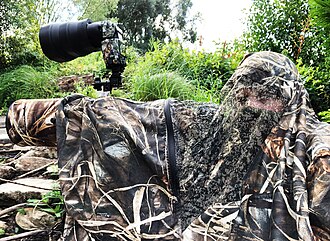
Camera with long lens: 300mm+ for safaris. 600mm+ for birds.
Travel insurance: Essential for remote destinations + medical evacuation.
How to Stack the Odds: Which Zone Decides Whether You See a Tiger
The single biggest factor in a sighting is not the park, it is the zone you draw inside it, and most first-timers never learn this until they are already in the jeep. Indian reserves split into a small number of high-density core zones and a much larger ring of buffer zones, and tigers are not evenly spread between them.
At Ranthambore, Zones 2, 3 and 4 sit around the lakes and ruins where resident tigresses raise cubs, so book those rather than the quieter Zones 5 through 10. Zone 3 wraps Padam Talao lake and the Raj Bagh ruins, prime territory for the well-known Arrowhead line. At Bandhavgarh, the Tala zone carries the highest tiger density of any reserve in India, with Magdhi a strong second and usually less crowded.
The trap: zone allocation is done by a government computer at the gate, not by you, and it is random. The only reliable workaround is booking through a lodge that holds pre-allocated permits for a specific zone, which costs more but removes the lottery. A few practical levers that genuinely move sighting odds:
- Pick April to June, when receding water forces tigers to predictable waterholes
- Choose morning safaris over afternoon ones, when cats are still active
- Book three or more safaris, not one, since a single drive can easily blank
One park, one drive, one random zone is the recipe for disappointment. Stack the variables and even a four-night trip can deliver multiple sightings.
FAQ
What’s the best time for Tiger Safari?
Most destinations have specific seasons – check above for each location. Wildlife migrations + breeding seasons + best weather all factor in.
How much does Tiger Safari cost?
Budget safaris/wildlife trips: $300-500/day. Mid: $500-1,000/day. Luxury: $1,500-3,000+/day.
What should I pack?
Neutral colors (no white or bright). Layers. Hat + sunscreen. Binoculars essential. Long lens camera (300mm+). Bug spray.
Should I book a tour or self-drive?
Africa safaris: tour recommended. Some parks allow self-drive (Kruger, Etosha). India + Costa Rica: tours best for first-timers. Galapagos requires tour.
Is wildlife travel safe?
Yes with proper guides + precautions. Stay in vehicle during safari. Don’t approach animals. Follow guide instructions.
Related Guides
You Might Also Love





Written by
John Morrison is the founder and lead travel writer at Packzup. Over the past decade he has explored destinations across Africa, the Americas, Asia, Europe, the Middle East, and Oceania — always self-funded, never on a press trip.
