
Last updated September 2, 2026 · Editorial policy
More: When to visit India · India travel guide
10 Best Things to Do in India
Quick answer: The top 10 things to do in India mix iconic sights, hidden gems, food, and outdoor adventure. Read the full list below — costs and tips included for each.
India offers far more than the tourist trail suggests. This list balances must-see landmarks with off-the-beaten-path experiences locals recommend. Each activity includes time needed, cost, and the one tip that makes it work. Sequence them based on your trip length — see itinerary suggestions at the bottom.
Top 10 Things to Do in India
1. See Taj Mahal at sunrise
Continue planning your India trip
Open 30 min before sunrise. Entry ₹1,100 for foreigners. Photographers’ dream.
Cost: ₹1,100
2. Tour Jaipur Amber Fort & City Palace
Pink city. Hawa Mahal, Amber Fort (elephant ride NOT recommended ethically).
Cost: ₹500-1,000
3. Sunrise boat ride on Ganges, Varanasi
Most spiritual experience in India. Ghats, cremation pyres. ₹500-1,500.
Cost: ₹500-1,500
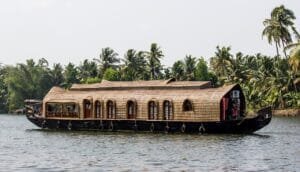
4. Kerala backwaters houseboat
Houseboat overnight in Alleppey. ₹6,000-15,000/night includes meals.
Cost: ₹6,000-15,000
5. Rajasthan desert camp Jaisalmer
Camel safari to Thar Desert. Camp under stars. ₹1,500-5,000/night.
Cost: ₹1,500-5,000
6. Goa beach time + Portuguese heritage
Old Goa churches + Anjuna beach. Avoid weekends (domestic tourists).
Cost: Varies
7. Mumbai street food tour
Vada pav, pav bhaji, Mumbai cutting chai. Chowpatty Beach evening street food.
Cost: ₹500-1,500
8. Yoga & meditation in Rishikesh
Ashram week. Parmarth Niketan offers donation-based stays.
Cost: ₹500-3,000/day
9. Dharamshala/McLeod Ganj
Tibetan exile community. Dalai Lama’s home. Pleasant in summer.
Cost: Cheap
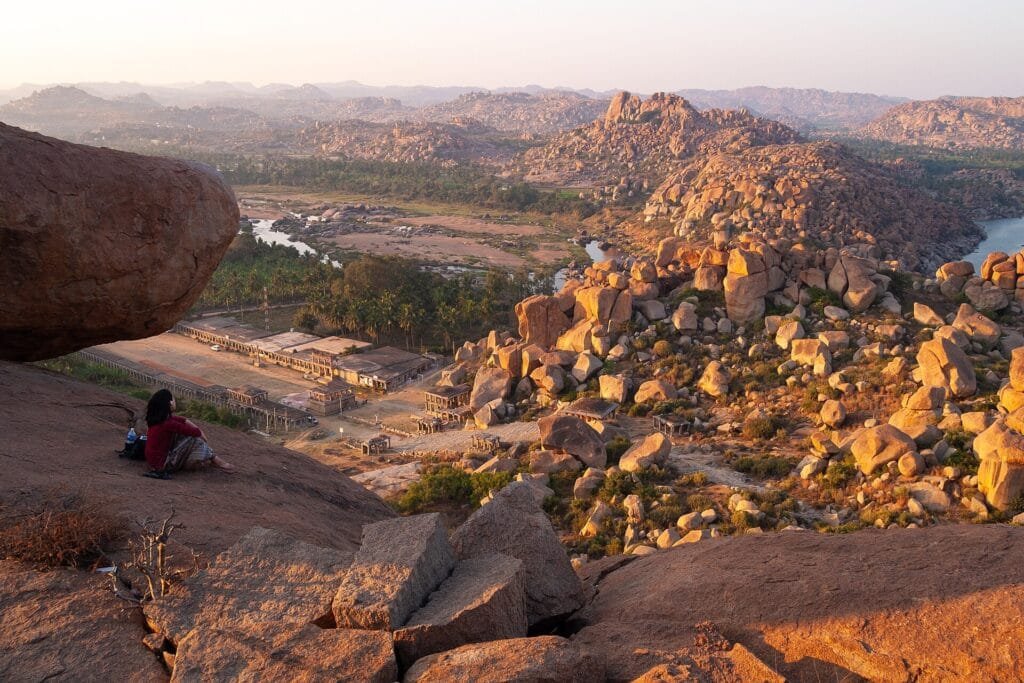
10. Hampi ruins (UNESCO)
Karnataka ancient city ruins. Boulder landscape. Rent moped to explore.
Cost: ₹600 entry
Suggested Itineraries
| Trip Length | Recommended Activities |
|---|---|
| 2 days | Activities 1-2: the Taj Mahal at sunrise plus Jaipur’s Amber Fort – the Golden Triangle core. Focus on iconic experiences. |
| 3-4 days | Activities 1-7. Add a day trip and food tour. |
| 5-7 days | Full list + 1-2 self-discovered hidden gems. Add downtime. |
| 10+ days | Full list + day trips outside India + slow days for serendipity. |
Money-Saving Tips
- City pass/combo tickets: Most major destinations sell a multi-attraction pass that saves 20-40% over individual entries.
- Free museum days: Many top museums offer free entry one day per week or month — research before.
- Walking tours: ‘Free’ walking tours (tip-based) cover history and orient you on day 1. Quality varies — check recent reviews.
- Lunch deals: Top restaurants often offer prix-fixe lunches at half the dinner price.
- Public transit pass: Day/multi-day transit passes pay back after 3-4 rides.
What to Skip
- Tourist trap restaurants directly adjacent to major sights — usually overpriced and underwhelming.
- Souvenirs from official gift shops — markets and indie stores offer better quality at half the price.
- Hop-on-hop-off bus full day — useful for orientation (do 1 loop), waste of time as full transport.
- Booked tours for things you can do solo — walking tours of public neighborhoods rarely add value vs. a $5 guidebook.
What Is Actually Worth Your Time in India
After the Taj Mahal sunrise, most itineraries park you in Agra for a full day, and that is where the day quietly goes flat. The Taj closes every Friday, and the surrounding fort circuit funnels everyone through the same red-sandstone Agra Fort that Akbar built in 1565. The smarter Mughal-era stop sits four hours south at Orchha in Madhya Pradesh, where 14 Bundela cenotaphs rise straight out of the Betwa River with almost no crowd and no separate mausoleum ticket to argue over.
The pick most visitors skip is Hampi in Karnataka, the abandoned capital of the Vijayanagara empire from 1336 to 1565. More than 1,600 temples, bazaars and pillared halls are scattered across a boulder landscape you can cover by bicycle over two or three days, far cheaper and stranger than another palace in Rajasthan.
One move that genuinely saves money in Agra:
- The roughly Rs 500 ADA toll is shared, so buy it once and it covers Agra Fort, Fatehpur Sikri and Akbar’s Tomb the same day; book monument tickets online for the small foreigner discount and to skip the counter queue.
Frequently Asked Questions
What are the top things to do in India?
The essentials for India include: See Taj Mahal at sunrise, Tour Jaipur Amber Fort & City Palace, and Sunrise boat ride on Ganges, Varanasi. These three alone deserve at least 2-3 days of your itinerary. See the full list above for 7 more recommended experiences.
How many days do I need in India?
For a focused trip covering the highlights, 3-5 days in India is enough. To explore in-depth (day trips, hidden gems, slower pace), plan 7-10 days. First-time visitors should err toward more days — you can always slow down, but rushing key sights is regret-inducing.
What can you do in India for free?
Many of the best experiences in India cost nothing: walking the historic district, sunset viewpoints, public markets, beaches/parks, free museums on certain days. Build a ‘free day’ into your trip — it’s often the most memorable.
Is India family-friendly?
Yes — most major attractions in India suit families. Look for activities under 2 hours, museums with interactive exhibits, and outdoor options to burn kid energy. Avoid extreme heat midday and crowded peak hours. Restaurants in tourist districts are usually kid-friendly.
What’s the best time to do outdoor activities in India?
Plan outdoor activities for early morning (before heat/crowds) or late afternoon (golden hour for photos). Check weather and seasonal closures — some popular hikes or attractions close in winter or during monsoon/hurricane season.
Are guided tours worth it in India?
For complex historic sites (ruins, ancient cities, museums with limited English signage), a guided tour pays for itself in context. For wandering and food, self-guided is often better. Read recent reviews — operator quality varies hugely.
Related India Travel Guides
- Where to Stay in India
- Best Time to Visit India
- Best Food in India
- India Itinerary Guide
- India Trip Cost Breakdown
Torn between destinations? See our honest comparisons: India vs Nepal, India vs Thailand, India vs Vietnam, India vs Sri Lanka.
Plan the practical side: India Visa Guide, IS India Safe to Visit.
More guides: What to pack for India
You Might Also Love

Written by
John Morrison is the founder and lead travel writer at Packzup. Over the past decade he has explored destinations across Africa, the Americas, Asia, Europe, the Middle East, and Oceania — always self-funded, never on a press trip.
