
Last updated August 29, 2026 · Editorial policy
- Best time to visit Las Vegas: at a glance
- Best Time to Visit Las Vegas Tourism: Month-by-Month Guide
- Festivals & Events in Las Vegas Tourism
- When to Visit by Travel Goal
- What to Avoid
- Booking Tips
- The sweet spot is October, and the real trap is the convention calendar
- Frequently Asked Questions
- Related Articles
Best time to visit Las Vegas: at a glance
Short answer: March–May and September–November — warm, not scorching.
| Season | Months | What to expect |
|---|---|---|
| Peak | Mar–May, Oct | Ideal weather; busy & pricey |
| Shoulder (best value) | Sep, Nov | Pleasant, better rates |
| Low | Jun–Aug | Extreme heat (40°C+) |
Best Time to Visit Las Vegas Tourism: Month-by-Month Guide
Quick take: Las Vegas Tourism has a clear sweet spot — But the ‘wrong’ months aren’t always wrong. It depends on what you’re after.
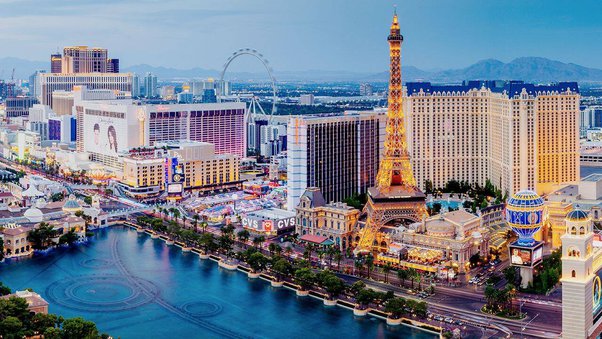
Knowing the best time to visit Las Vegas Tourism can transform your trip — saving you hundreds on flights and hotels while putting you in better weather with fewer crowds. This guide breaks down each season, key events, and what to expect month by month so you can pick the right travel dates.
| Season | Months | What to Expect |
|---|
Festivals & Events in Las Vegas Tourism
The one week that punishes late bookers is CES in early January: the giant tech show reportedly pushes Strip rooms to some of their highest rates of the year and sells the city out months ahead. EDC weekend in mid-May is the runner-up.
- Electric Daisy Carnival (EDC) (May)
- National Finals Rodeo (Dec)
- Life is Beautiful Festival (Sep)
- CES (Jan)
When to Visit by Travel Goal
- Fewest crowds: Midweek from June through August, when 104F-plus heat thins the Strip, and the lull from mid-December, once the National Finals Rodeo ends, until Christmas week. Even quiet dates flip fast when a major convention lands, so check the calendar before assuming an empty week.
- Festivals & culture: Electric Daisy Carnival typically takes over the Motor Speedway in mid-May (May 15–17 in 2026) and drains rooms for the surrounding week, while the National Finals Rodeo packs the city for around ten days in early December. Book months ahead for either.
- Budget travelers: June through August is the cheap window; extreme desert heat thins crowds but slashes room rates. Year-round, a Tuesday-to-Thursday stay typically costs far less than a weekend, and mid-December, after the National Finals Rodeo wraps and before Christmas, is another reliably soft stretch.
What to Avoid
- Major holidays: New Year’s Eve is typically the single busiest, priciest night in Las Vegas, and Memorial Day, July 4th, Labor Day, and Thanksgiving weekends all fill the Strip. US three-day weekends and March Madness move crowds here far more than any religious festival.
- Closures: Almost nothing in Las Vegas truly closes; the Strip runs year-round. The real seasonal shift is outdoors: most resort pools and dayclubs operate roughly March or April through October, then shut or cut hours for winter, and summer heat makes midday hiking at Red Rock Canyon genuinely dangerous.
Booking Tips
- Las Vegas airfares track the event calendar more than the season. For spring (March–May) and October trips, booking around 8–10 weeks out typically works; just confirm your dates miss CES, EDC, and big convention weekends first. Summer (June–August) demand is soft enough that later bookings often still land deals.
- September and November are the shoulder plays here: September keeps pool weather at better rates, while the back half of November trades cooler evenings, with daytime highs around 67F, for some of the softest pre-holiday pricing of the year. Both stay cheap only midweek and clear of conventions.
- US school calendars are the ones that matter: March spring-break weeks add family and college traffic right in peak season, and winter break inflates the run from Christmas through New Year’s. Summer breaks matter less, since June through August heat keeps Vegas in its cheap season anyway.
- Weather rarely wrecks a Vegas trip; sunk costs do. Show tickets, dayclub reservations, and event-weekend rooms are often nonrefundable, so trip-cancellation cover earns its keep around CES, EDC, or fight weekends. The summer monsoon, roughly July through September, occasionally brings flash floods and flight delays too.
The sweet spot is October, and the real trap is the convention calendar
If you want one month to book, pick October. It averages a high near 81F with overnight lows around 60F, so the pool decks still work and a Red Rock Canyon hike is comfortable, without July’s punishing average high of roughly 104F. The other genuine value windows are March (high near 71F) and early April (climbing toward 78F), plus the back half of November, when daytime highs slide to about 67F and rates soften ahead of the holidays.

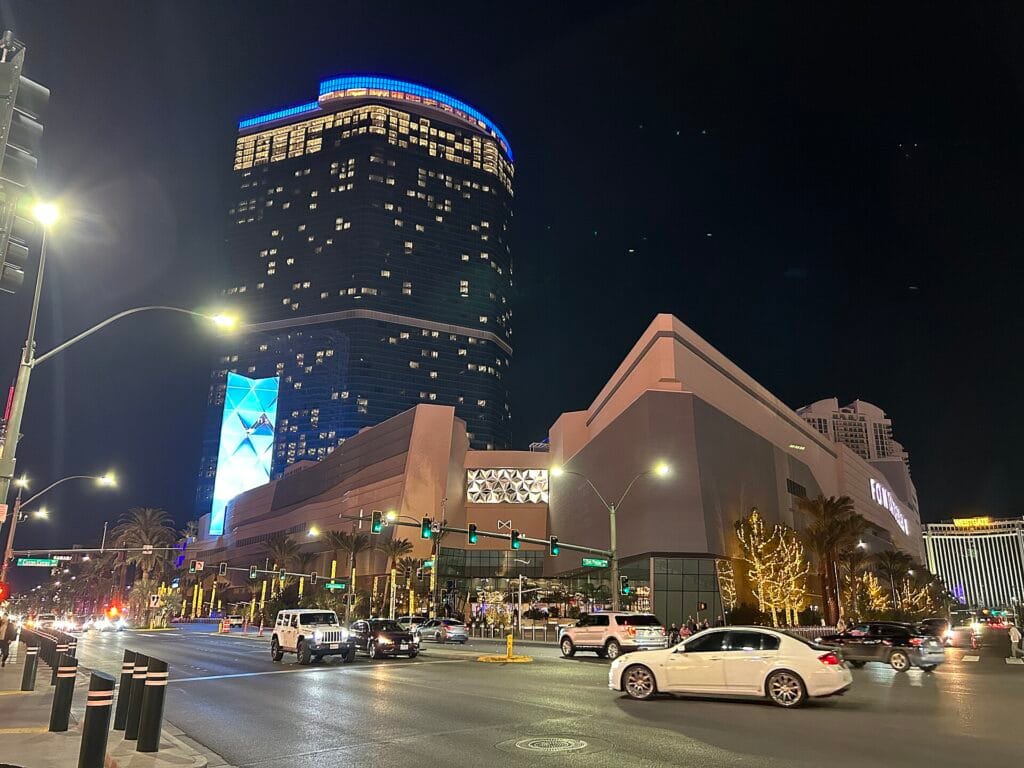
The mistake first-timers make is treating summer as the only thing to avoid. The bigger budget killer is the event calendar, which can turn an otherwise quiet shoulder week into a sellout:
- CES in early January, when Strip rooms have been reported above $1,000 a night and properties like Aria pushed past $900.
- The National Finals Rodeo across early-to-mid December, which fills downtown and the Strip.
- EDC in mid-May (May 15 to 17 in 2026), which drains rooms near the Speedway for the surrounding week.
Check those dates before you book a ‘shoulder’ trip. A Tuesday-to-Thursday stay in mid-October or late March, clear of the convention schedule, gets you the best weather and the lowest rate Vegas offers.
Frequently Asked Questions
Are there major festivals in Las Vegas Tourism?
Yes — Las Vegas Tourism hosts notable events including: Electric Daisy Carnival (EDC) (May), National Finals Rodeo (Dec), Life is Beautiful Festival (Sep), CES (Jan). Major festivals can spike hotel prices 50-200% — book 3-6 months ahead if attending.
What should I pack for Las Vegas Tourism?
Pack for the season you’re visiting and the climate zone. Summer in Las Vegas Tourism: lightweight breathable clothes, sunscreen, hat, comfortable walking shoes. Winter: layers, waterproof jacket, warm accessories. Check the 10-day forecast 1-2 weeks before departure and adjust.
Related Articles
- 20 Best Things to Do in Las Vegas (2026 Local’s Real Guide)
- Where to Stay in Las Vegas: Best Strip Hotels
- Cost of a Las Vegas Trip: Real Budget Breakdown
- 15 Best Things to Do in Louisiana
You Might Also Love



Written by
John Morrison is the founder and lead travel writer at Packzup. Over the past decade he has explored destinations across Africa, the Americas, Asia, Europe, the Middle East, and Oceania — always self-funded, never on a press trip.
