
Last updated August 29, 2026 · Editorial policy
Best time to visit NYC: at a glance
Short answer: April–June and September–November for mild weather and walkable days.
| Season | Months | What to expect |
|---|---|---|
| Peak | Jun–Aug, Dec | Summer or the holidays; busiest |
| Shoulder (best value) | Apr–May, Sep–Nov | Spring or crisp fall |
| Low | Jan–Mar | Cold; lowest rates |
Best Time to Visit NYC Tourism: Month-by-Month Guide
Quick take: Planning a trip to Nyc Tourism? The difference between going in the right month versus the wrong one can mean half the cost, twice the sunshine, and a fraction of the crowds.
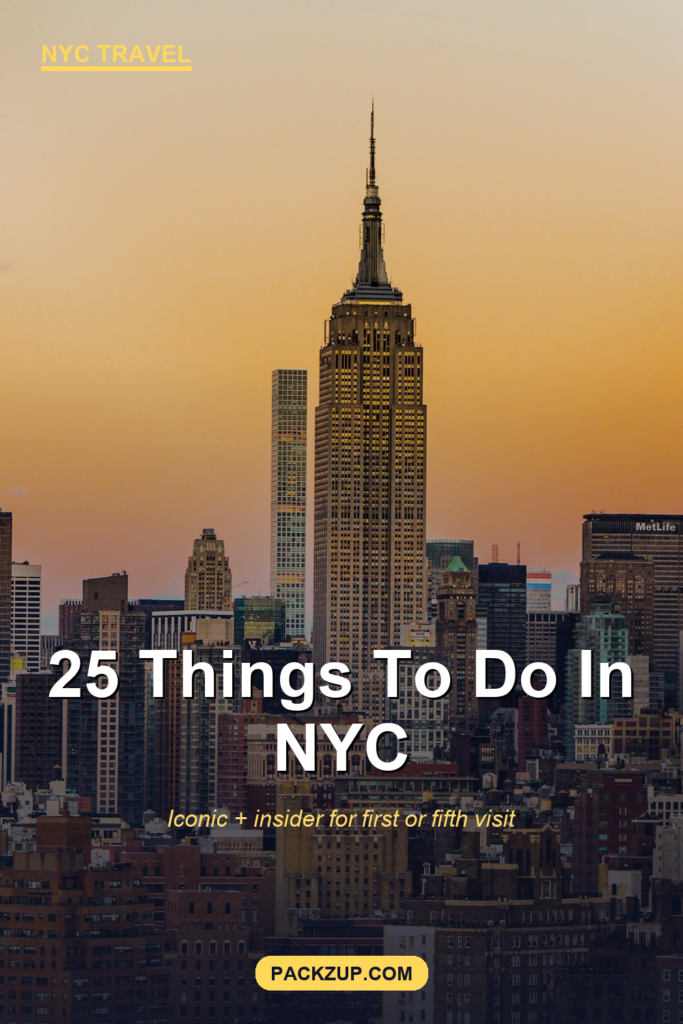
Knowing the best time to visit NYC Tourism can transform your trip — saving you hundreds on flights and hotels while putting you in better weather with fewer crowds. This guide breaks down each season, key events, and what to expect month by month so you can pick the right travel dates.
| Season | Months | What to Expect |
|---|
Festivals & Events in NYC Tourism
For New Year’s Eve in Times Square, treat it like a pilgrimage: ball-drop-view hotel rooms and nearby restaurants sell out months ahead at annual-peak rates, so book by early fall. Marathon weekend (Sunday, November 1, 2026) is the other date needing early hotel commitment.
- New Year’s Eve Ball Drop (late Dec)
- Macy’s Thanksgiving Day Parade (Nov)
- Macy’s Fourth of July Fireworks (Jul)
- NYC Pride March (Jun)
- Tribeca Festival (Jun)
When to Visit by Travel Goal
- Fewest crowds: January through early March is the quiet season: once New Year’s crowds clear, museum lines shrink and Broadway seats open up. The post-Labor Day lull in early September also runs calmer, before UN General Assembly week and fall-foliage visitors fill hotels later in the month.
- Festivals & culture: The Macy’s Thanksgiving Day Parade (Thanksgiving morning, late November) and the Times Square Ball Drop (December 31) are the two global-draw events; NYC Pride and the Tribeca Festival keep June lively. For parade-route hotels, plan around 3-6 months ahead.
- Budget travelers: January through early March is NYC’s genuine cheap window: hotel rates hit their annual lows once the New Year’s crowds leave, and January typically brings deal events like NYC Restaurant Week and Broadway Week. Pack for real cold (highs around 39F) and enjoy thin crowds.
What to Avoid
- Major holidays: Thanksgiving week and the Christmas-through-New Year’s stretch are NYC’s biggest crowd surges: parade viewing, the Rockefeller tree, and the Ball Drop pack Midtown for weeks. July 4 fireworks weekend and US spring break (March-April) bring smaller but real spikes.
- Closures: NYC barely shuts down: museums, Broadway, and restaurants run year-round. Seasonal changes are the story instead: Coney Island rides typically close for winter, Governors Island ferries thin out, and rooftop venues go dormant. Note that most museums close on Thanksgiving Day and Christmas Day.
Booking Tips
- NYC has two booking crunches: summer (June-August) and the Thanksgiving-through-New-Year stretch. For Christmas week or Thanksgiving, lock flights 3-4 months out; typical summer dates usually work 6-10 weeks ahead. In the cheap January-March window, fares often stay soft until a few weeks before departure.
- NYC’s shoulder windows are April-May and late September through October: typically 60s-70sF walking weather at rates below summer and far below Christmas. Watch the traps inside them, though: UN General Assembly week in mid-late September and Marathon weekend (November 1, 2026) both spike Midtown hotel prices.
- The school calendars that matter here are American ones: US summer break (mid-June through Labor Day) and spring break (March-April) drive family traffic to Midtown attractions. UK and European summer holidays add overseas visitors in July-August, since Britain typically tops NYC’s overseas markets.
- Travel insurance earns its keep in winter: December-March nor’easters can ground flights at JFK, LaGuardia, and Newark for a day or more, and holiday-season rebooking is brutal. Late-summer visitors occasionally catch hurricane remnants (think September downpours), but snow disruption is the bigger NYC risk.
The Real Sweet Spot: Late September Through October (and Why to Skip Christmas Week)
If you want the version of New York that locals actually enjoy, target late September through October or the back half of May. October is the standout: daytime highs sit around 65F with lows near 51F, dry enough to walk the High Line or Central Park for hours without the August stickiness. That heat is the real reason to avoid July and August, when temperatures climb into the 90s F and Manhattan humidity turns subway platforms punishing; demand actually softens by late August, so the bargain comes with a sweat tax.

Two timing notes worth planning around:
- The TCS New York City Marathon falls on Sunday, November 1, 2026, finishing in Central Park. Marathon weekend (late October into that first November Sunday) spikes hotel rates and closes streets across all five boroughs, so book early or sidestep it.
- Christmas Eve through New Year’s Eve is the single priciest stretch, with Times Square and Central Park hotels at their annual peak. The flip side: January through early March delivers the cheapest rooms of the year, the trade-off being January cold with highs around 39F and lows near 27F.
The genuine value play is shoulder-season weather at off-peak prices: warm enough to stay outside, cold enough to thin the crowds.
Frequently Asked Questions
Are there major festivals in NYC Tourism?
Yes — NYC Tourism hosts notable events including: New Year’s Eve Ball Drop (late Dec), Macy’s Thanksgiving Day Parade (Nov), Macy’s Fourth of July Fireworks (Jul), NYC Pride March (Jun), Tribeca Festival (Jun). Major festivals can spike hotel prices 50-200% — book 3-6 months ahead if attending.
What should I pack for NYC Tourism?
Pack for the season you’re visiting and the climate zone. Summer in NYC Tourism: lightweight breathable clothes, sunscreen, hat, comfortable walking shoes. Winter: layers, waterproof jacket, warm accessories. Check the 10-day forecast 1-2 weeks before departure and adjust.
Related Articles
- 15 Best Things to Do in Louisiana
- 15 Best Things to Do in Massachusetts
- 15 Best Things to Do in Oregon
You Might Also Love




Written by
John Morrison is the founder and lead travel writer at Packzup. Over the past decade he has explored destinations across Africa, the Americas, Asia, Europe, the Middle East, and Oceania — always self-funded, never on a press trip.
