
Last updated August 28, 2026 · Editorial policy
Best time to visit Paris: at a glance
Short answer: April–June and September–October — mild and romantic.
| Season | Months | What to expect |
|---|---|---|
| Peak | Jun–Aug | Warm, lively; busiest |
| Shoulder (best value) | Apr–May, Sep–Oct | Mild, pretty, fewer crowds |
| Low | Nov–Mar | Cool; December lights |
Best Time to Visit Paris: Month-by-Month Guide
Quick take: Paris has a clear sweet spot — But the ‘wrong’ months aren’t always wrong. It depends on what you’re after.
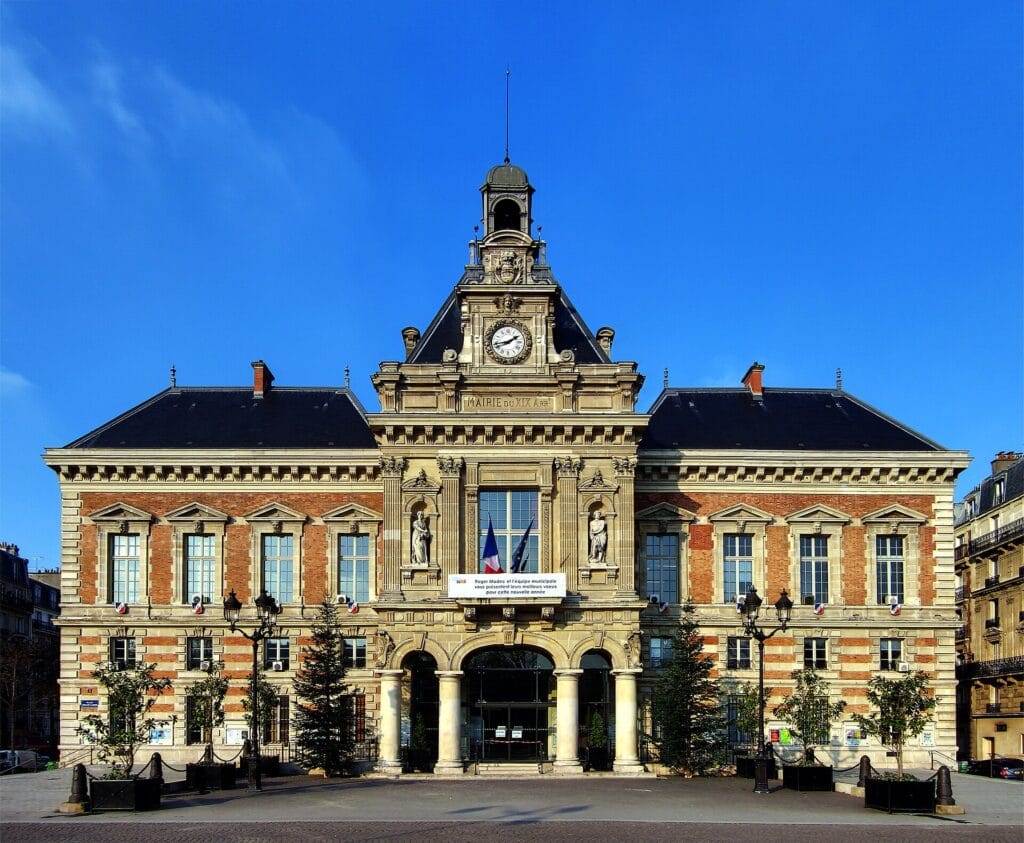
Peak: summer (June-August) · Off-season: winter (December-February)
Knowing the best time to visit Paris can transform your trip — saving you hundreds on flights and hotels while putting you in better weather with fewer crowds. This guide breaks down each season, key events, and what to expect month by month so you can pick the right travel dates.
Best Months to Visit Paris
Top pick: Late May to mid-June and September. Expect mild 15-24C days, long evenings, and parks at their best, without the July and August tourist crush or the August shutdown when many neighborhood bistros close. Hotel rates run high in June and around September fashion week, so early September or late May usually balances weather, crowds, and cost best.
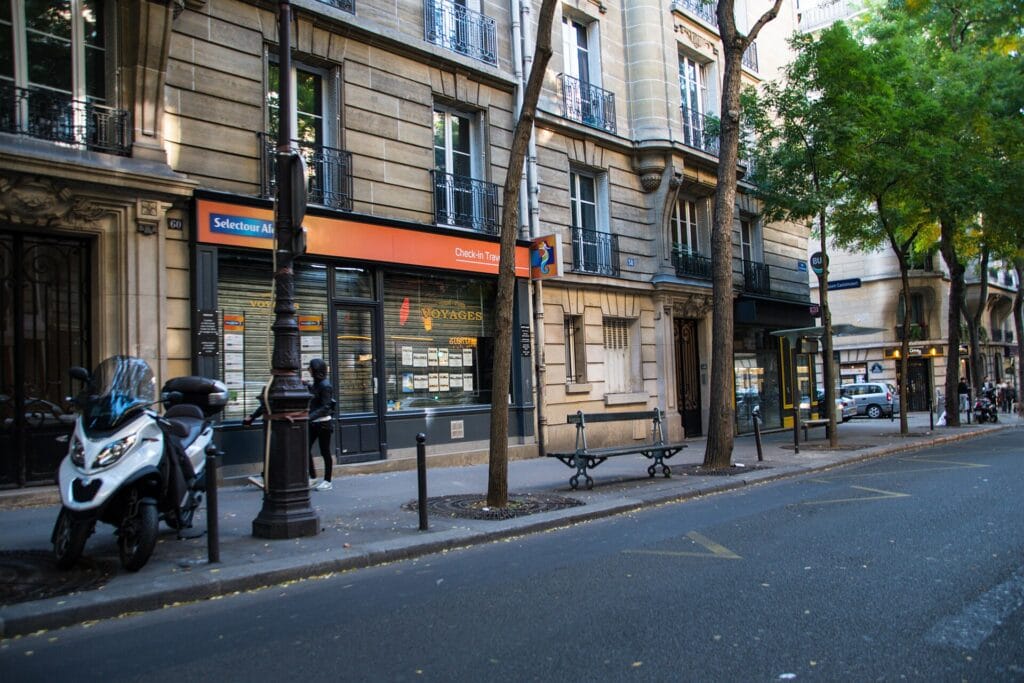
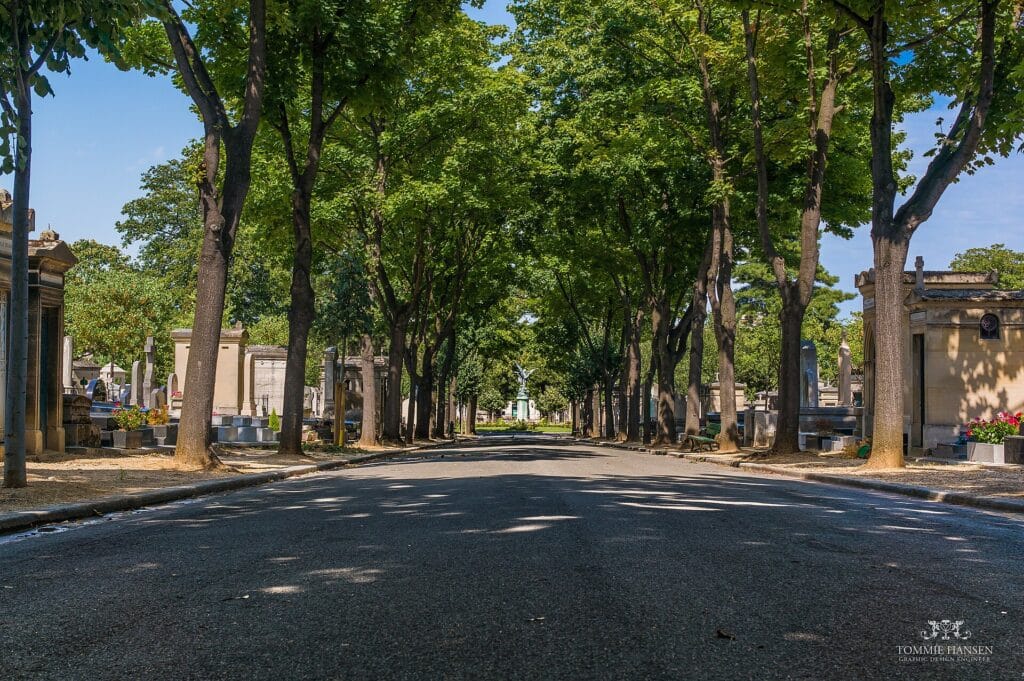
Peak summer is hotter than most expect. July highs sit near 25-27C (mid-70s to low-80s F), and early-August heat spikes have pushed past 30C (mid-80s to mid-90s F) in recent years, in a city where air conditioning is far from standard.
August is the period to plan around, not simply avoid:
- Tourists fill the landmarks while Parisians leave, so residential-quarter bakeries and bistros hang ‘fermeture annuelle’ (annual closure) signs.
- August 15 is Assumption Day, a national holiday; banks and many shops shut, though major museums stay open. In 2026 it falls on a Saturday.
If you want Paris running at full strength, the back half of September is the smartest call.
Frequently Asked Questions
Are there major festivals in Paris?
Yes — Paris hosts notable events including: Bastille Day (Fête Nationale) (Jul), Fête de la Musique (Jun), Roland-Garros (French Open) (May-Jun), Paris Fashion Week (Feb-Mar, Sep-Oct), Nuit Blanche (Oct). Major festivals can spike hotel prices 50-200% — book 3-6 months ahead if attending.
What should I pack for Paris?
Pack for the season you’re visiting and the climate zone. Summer in Paris: lightweight breathable clothes, sunscreen, hat, comfortable walking shoes. Winter: layers, waterproof jacket, warm accessories. Check the 10-day forecast 1-2 weeks before departure and adjust.
Related Paris Travel Guides
- Best Things to Do in Paris
- Where to Stay in Paris
- Best Food in Paris
- How Much Does a Trip to Paris Cost?
- Paris Itinerary Guide
Torn between destinations? See our honest, first-hand comparisons: Amsterdam vs Paris, London vs Paris, Paris vs Rome, Prague vs Paris, Paris vs Barcelona.
Paris weather & climate by month
Best months to visit: May, June, July, August, September. Paris’s warmest month is July (avg 26°C / 78°F), the coolest is January (low 2°C / 36°F). The wettest is May (69 mm) and the driest is February.
| Month | Avg high | Avg low | Rainfall | Rainy days |
|---|---|---|---|---|
| January | 7°C / 45°F | 2°C / 36°F | 48 mm | 10 |
| February | 11°C / 51°F | 3°C / 37°F | 42 mm | 9 |
| March | 13°C / 55°F | 4°C / 39°F | 45 mm | 10 |
| April | 16°C / 60°F | 6°C / 42°F | 46 mm | 9 |
| May | 19°C / 66°F | 9°C / 49°F | 69 mm | 9 |
| June | 24°C / 75°F | 14°C / 57°F | 51 mm | 8 |
| July | 26°C / 78°F | 15°C / 59°F | 59 mm | 7 |
| August | 25°C / 78°F | 15°C / 60°F | 58 mm | 8 |
| September | 23°C / 73°F | 13°C / 55°F | 45 mm | 8 |
| October | 17°C / 63°F | 10°C / 50°F | 55 mm | 10 |
| November | 11°C / 53°F | 6°C / 42°F | 54 mm | 10 |
| December | 9°C / 48°F | 4°C / 39°F | 62 mm | 11 |
Climate source: Open-Meteo / WMO climate normals (WMO 1991–2020, or ERA5 2019–2023 where unavailable). Compare destinations in the Best Time to Visit Index.
You Might Also Love

Written by
Drew Treasury is a contributing travel writer at Packzup, specialising in city culture, food markets, street art, and neighbourhood-level travel.
