More: When to visit Bali · Bali travel guide
Quick Answer
Ubud has the highest concentration of yoga retreats in Asia; Canggu suits those wanting surf and a social scene; Sidemen and East Bali are far quieter. Check the style (vinyasa, hatha, ashtanga, yin) and the teacher’s qualification before booking — they differ enormously.
Bali has more yoga retreats than anywhere in Asia, which makes choosing harder rather than easier. The useful questions are about style, intensity and location, not about photographs of rice terraces.
Choosing a Bali Yoga Retreat
1. Ubud — the centre of it all
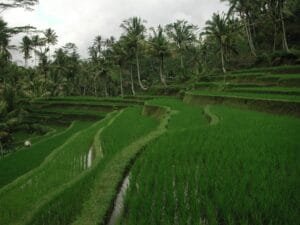
Rice terraces, jungle and the highest concentration of yoga studios and retreats anywhere in Asia. Also the busiest and least peaceful part of the island.
2. What a typical day looks like
Morning practice before breakfast, a free middle of the day, and a restorative or yin session at sunset. Most retreats include two practices and two or three meals.
3. Styles you will actually encounter
Vinyasa and hatha dominate; ashtanga is available for stronger practitioners; yin and restorative for recovery. Check which style before booking — they are very different experiences.
4. Teacher qualification is worth checking
Yoga Alliance registration (RYT-200 or RYT-500) is the common baseline. It is not a guarantee of quality, but its absence is worth asking about.
5. Canggu — younger and beachier
Surf-and-yoga combinations, a strong cafe scene and a more social atmosphere than Ubud. Better if you want company than silence.
6. Sidemen and East Bali — the quiet alternative
What Ubud was twenty years ago: rice fields, few visitors and genuinely quiet retreats under Mount Agung.
7. Amed and the north coast
Diving and yoga together, on the black-sand coast, at noticeably lower prices.
8. Silent and intensive retreats
Several centres run silent or semi-silent programmes. These are demanding and not a good first retreat — be honest with yourself about that.
9. What retreat prices include
Usually accommodation, classes and most meals. Airport transfer, spa treatments, excursions and ceremonies are often extra.
10. Practical Bali notes
Visa rules have changed repeatedly — check current requirements. Bring insect repellent, expect humidity that makes morning practice harder than at home, and drink bottled or filtered water.
This is travel information, not medical advice. If you are pregnant, managing a health condition, taking prescription medication, or have a history of disordered eating, talk to your doctor before booking any retreat involving fasting, restricted diets, intensive physical practice or herbal preparations.
Questions to ask before booking
What style, and at what intensity? A dynamic vinyasa retreat and a restorative yin retreat are almost opposite experiences sold with identical photography. Ask how many hours of practice per day and whether attendance is expected or optional.
Then: who is teaching, what is their training, and what is the group size? A retreat with twenty-five people gets very little individual adjustment. Ask what happens if you need to skip a session — a good retreat treats that as normal.
On location, be realistic about heat and humidity. Morning practice in Bali is considerably harder than the same sequence at home, and most people need a few days to adjust. If quiet matters to you, Ubud centre is not quiet — look at Sidemen, East Bali or the north coast instead.
Frequently Asked Questions
Where are the best yoga retreats in Bali?
Ubud has the most choice; Canggu suits surf-and-social; Sidemen and East Bali are the quietest options.
Do you need experience?
Most retreats welcome beginners, but check — intensive and silent retreats assume an established practice.
What is usually included?
Accommodation, classes and most meals. Transfers, spa treatments and excursions are typically extra.