
Quick Answer
Digital nomad visas let you live somewhere legally while earning from abroad. Portugal, Spain, Estonia, Croatia, Greece, Italy, Costa Rica, Colombia, Dubai and a growing list of others now offer them, typically requiring proof of remote income, insurance and a clean record. Here’s how they work.
A tourist stamp does not cover working remotely for months, and Schengen’s 90-day limit catches people out constantly. Digital nomad visas solve that — but requirements, thresholds and tax treatment differ sharply and change often. This is what to understand before applying.
Countries Offering Digital Nomad Visas
1. What a digital nomad visa actually is
A residence permit for people earning income from outside the host country. It legalises a long stay that a tourist visa would not, and usually requires proof of remote income, health insurance and a clean criminal record.

2. Portugal (D8)
Best months: Jun–Aug · 18–28°C days · dry (climate data)
Among the most established options, and a common route into the Schengen area for longer stays. Income thresholds are set as a multiple of the national minimum wage and have changed repeatedly.

3. Spain
Best months: Apr–Jun · 12–25°C days · some rain (climate data)
Introduced under the startups law, with a favourable tax regime for qualifying applicants and the option to bring family members.
4. Estonia
The original, launched in 2020, alongside the separate e-Residency programme — which is a business tool, not a visa.
5. Croatia
Best months: Sep–Nov · 14–22°C days · some rain (climate data)
A digital-nomad residence permit with a notably simple online application and no local income tax on foreign earnings for the permit period.
6. Greece and Italy
Best months: Sep–Nov · 15–24°C days · dry (climate data)
Both now offer remote-worker routes, with Greece’s including a tax incentive for those who relocate their residence.
7. Costa Rica and Colombia
Best months: Jan–Mar · 16–26°C days · dry (climate data)
The main Latin American options, both with relatively accessible income thresholds and long initial stays.
8. Indonesia (Bali)
Best months: Jun–Aug · 23–32°C days · some rain (climate data)
Options have expanded but changed repeatedly; use an established agent and verify the current position before travelling.
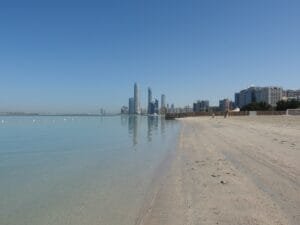
9. Dubai and the UAE
Best months: Dec–Feb · 14–24°C days · dry (climate data)
A one-year remote-work visa with no personal income tax, though the cost of living offsets much of that benefit.
10. Thailand, Japan and others
Best months: Nov–Jan · 22–31°C days · dry (climate data)
A growing number of countries have introduced long-stay remote-work routes; the list expands most years.
Before you book: prices, thresholds and routes in this area change frequently. Always confirm the current position with the official operator or consulate rather than relying on any third-party guide, including this one.
The questions that actually matter
Tax residency is the one people get wrong. Spending more than about 183 days in most countries makes you tax resident there, regardless of what your visa is called — and some nomad visas explicitly trigger local tax while others exempt foreign income for a period. Check whether a double-taxation treaty exists with your home country, and take professional advice before committing to a long stay.
Also confirm: whether the permit counts toward Schengen’s 90/180 limit, whether it allows family members, whether it can be renewed or leads to permanent residency, and exactly which documents need apostille or certified translation — that step delays more applications than any other.
Frequently Asked Questions
Which country has the best digital nomad visa?
Portugal and Spain are the most established for Europe; Croatia for simplicity; Costa Rica and Colombia for the Americas.
Do you pay tax on a digital nomad visa?
It depends on the country and how long you stay. Passing roughly 183 days usually creates tax residency — take professional advice.
How much income do you need?
Thresholds vary widely and change often. Verify the current figure with the relevant consulate before applying.
Related Articles
Gear that earns its place: best VPN for travel · best travel apps.
You Might Also Love



Before you go: plan what to wear on your trip and sort your mobile data abroad.
