Last updated August 21, 2026 · Editorial policy
Quick answer: Skiing in Europe does not have to cost Alpine prices: Bansko (Bulgaria), Jasna (Slovakia) and Poiana Brasov (Romania) run full weeks for half a French resort’s tab, while Andorra, Livigno and Italy’s Milky Way bring near-Alps quality at clearly gentler prices.
1. Bansko, Bulgaria
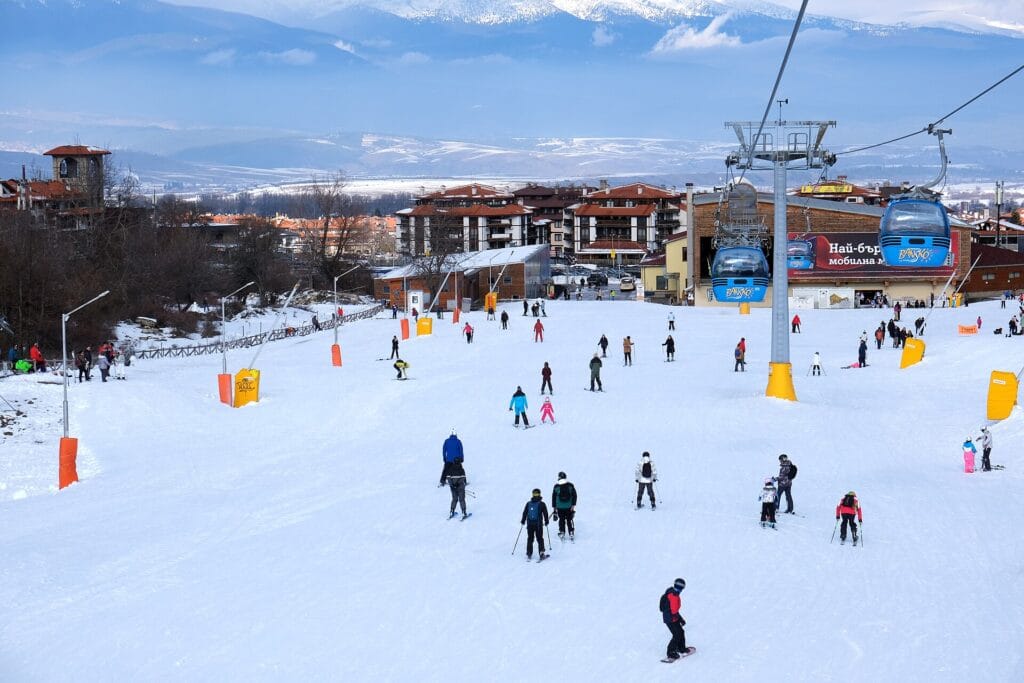
Europe’s budget-ski benchmark: modern gondola, 75km of pistes below Pirin peaks, lively apres and lift passes from roughly 50 euros a day, with ski-in lodging and hearty mehana dinners costing a fraction of the Alps. February has the most reliable snow.
2. Jasna, Slovakia
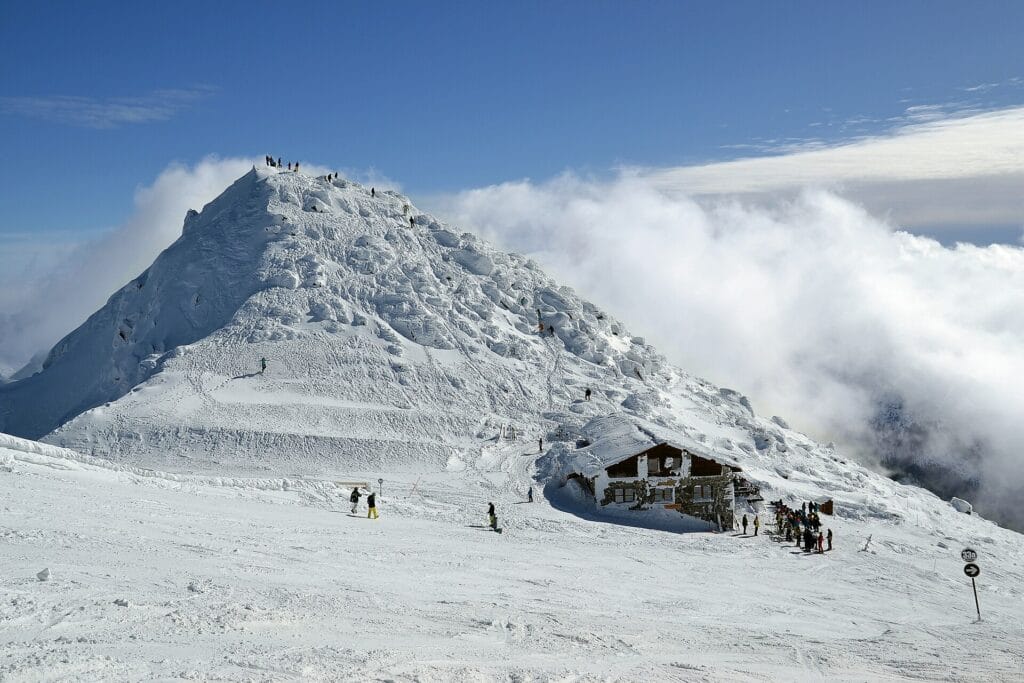
The Tatras’ biggest resort: surprisingly serious terrain (including freeride zones off Chopok), fast lifts and day passes around 45 to 55 euros. Pair it with Liptov’s thermal pools for recovery days.
3. Poiana Brasov, Romania
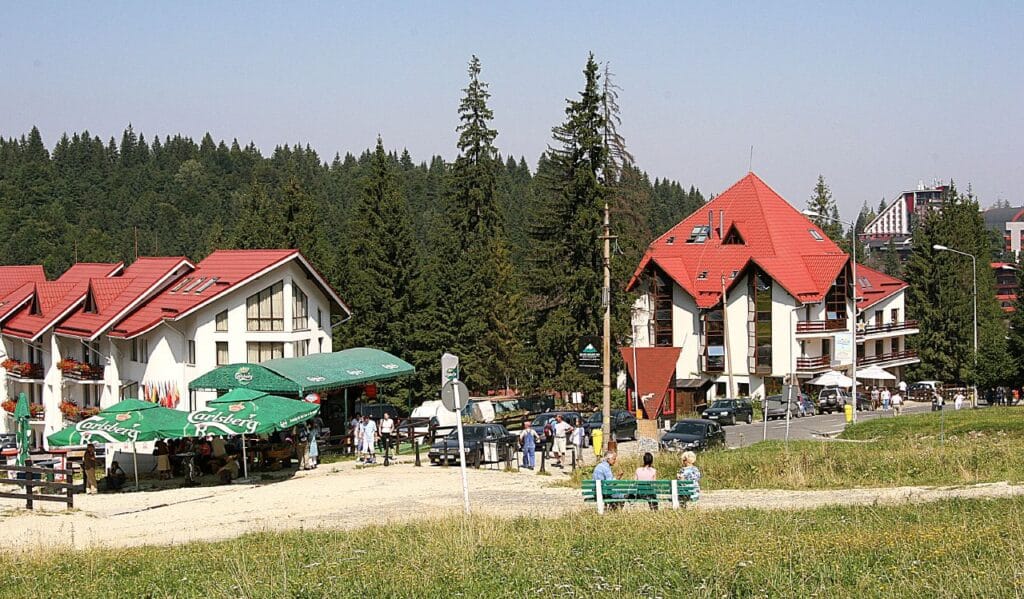
Compact but charming, with forest runs, Dracula-country day trips and some of the lowest lesson and rental prices on the continent: ideal for beginners and families finding their ski legs.
4. Andorra (Grandvalira & Vallnord)
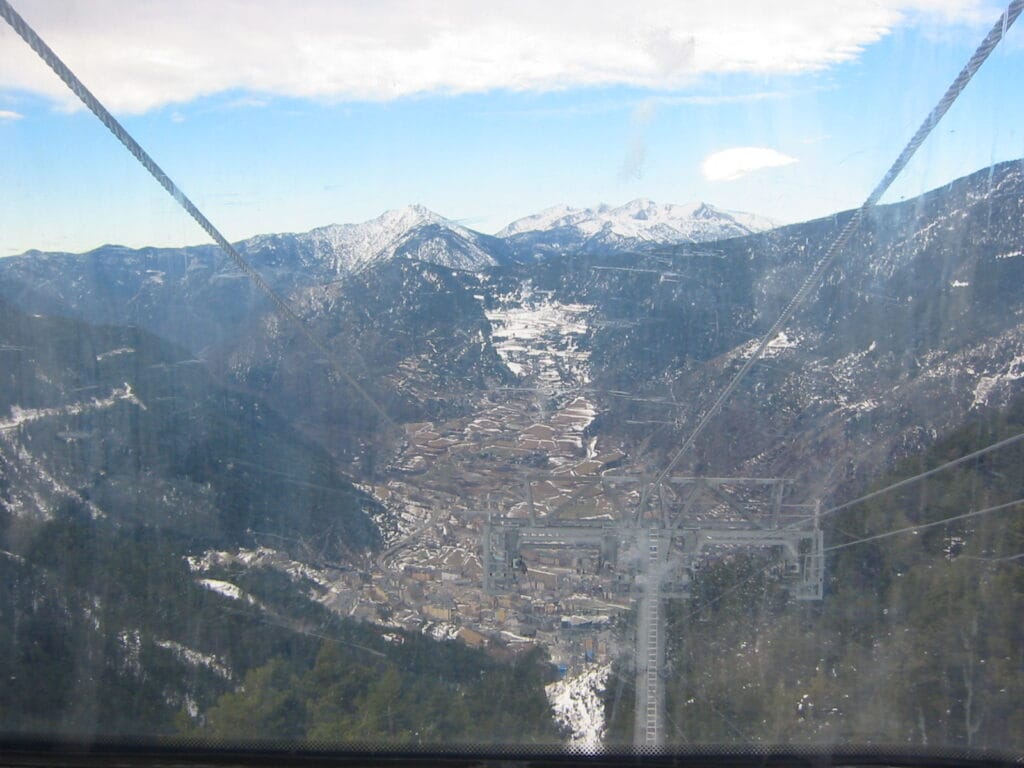
A duty-free principality with 300km+ of linked terrain, big snowmaking and ski schools that excel with first-timers. Costs sit comfortably below France next door, especially in January.
5. Livigno, Italy
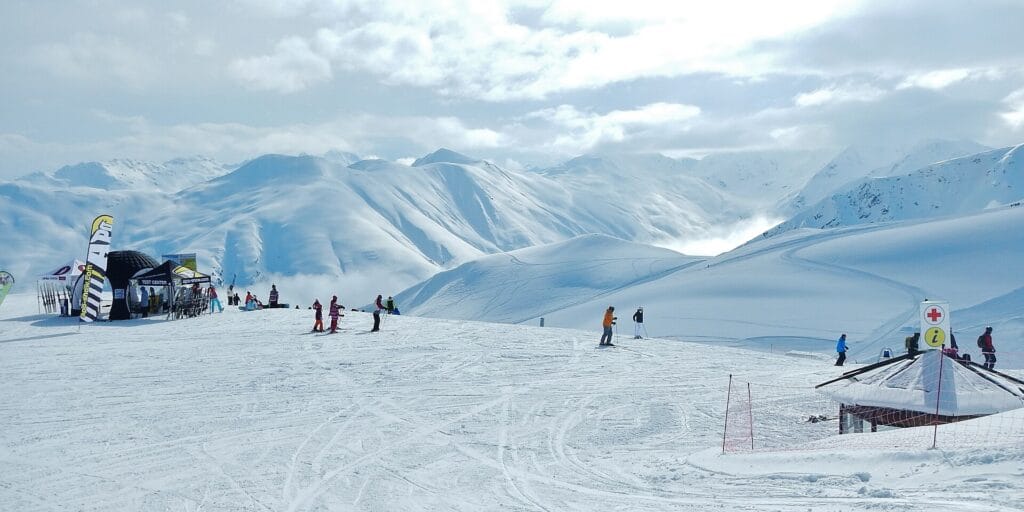
High (1,816m), snow-sure and duty-free: wide cruisers, a serious park scene and the Alps’ cheapest on-mountain lunches. The catch is the journey in: worth it for a full week.
6. Bardonecchia & the Milky Way, Italy
Turin’s Olympic terrain at honest prices, with Sestriere’s 400km circuit nearby. January white-week deals (settimane bianche) bundle lodging and passes brilliantly.
7. Sierra Nevada, Spain
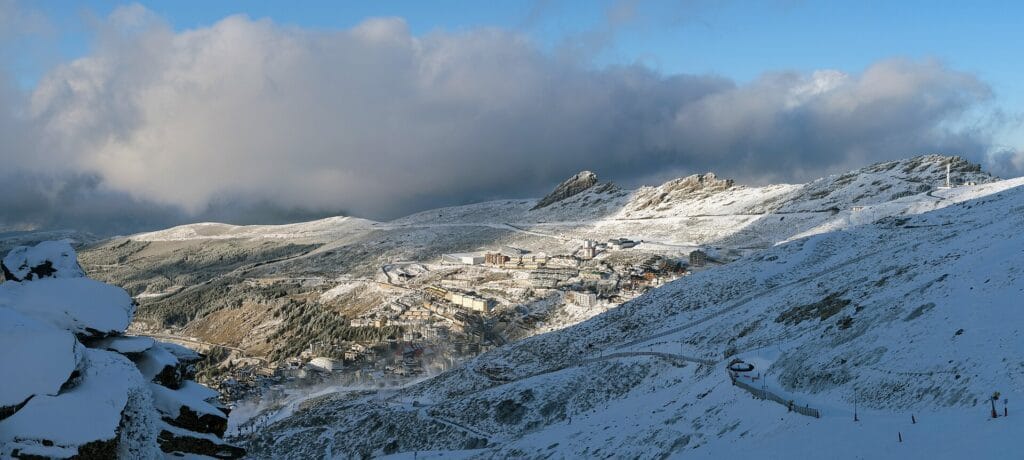
Europe’s southernmost major resort: sunny laps above 3,000m with Granada’s tapas (and the Alhambra) 45 minutes downhill: a ski trip and a city break in one.
Keeping the costs down
Go mid-January or March, book lift-and-lodging packages, rent gear in the valley rather than slope-side, and watch flight-plus-transfer totals: Eastern Europe’s cheap weeks can be erased by awkward connections, so price the whole journey before booking the bargain.
Europe’s cheapest ski resorts (2026/27)
Eastern Europe is where budget skiing lives — lift passes, lessons and lodging run roughly half of Alpine prices. The best value:
| Resort | Why it’s cheap |
|---|---|
| Bansko, Bulgaria | Modern lifts, ~half Alpine prices; a week around £550 |
| Borovets, Bulgaria | Cheap packages, good for beginners and families |
| Jasná, Slovakia | Central Europe’s biggest area at low prices |
| Gudauri, Georgia | The cheapest lift passes anywhere in Europe |
| Andorra (Arinsal) | Tax-free; the value middle ground between Bulgaria and the Alps |
Mid-January and late March are the cheapest weeks. See our full ski cost index.
Which resort is genuinely cheapest once you add it all up
Headline lift-pass figures hide the real comparison, because the cost that matters is the whole week with beds, passes and food stacked together. Run those numbers and the field narrows fast: Bansko in Bulgaria and Jasna in Slovakia consistently land lowest, with Bardonecchia the value pick once you want the Alps proper.
For a six-day trip, a Bansko adult lift pass works out around the equivalent of 140 euros, and budget hotel beds sit near 31 to 43 euros a night, with on-mountain beer around 2.50 euros a pint keeping daily spending down. Jasna is the other contender, where early-bird day passes can dip under 20 euros and simple lodging often comes in below 34 euros a night. Bardonecchia is the smart compromise, with a six-day adult pass around 180 euros and genuine snow-sure Milky Way terrain that Bulgaria and Slovakia cannot match.
Andorra reads cheap on day rates near 56 to 67 euros but climbs once you factor in a full week of passes and pricier valley lodging, so it sits above the eastern options on total cost.
- Lowest all-in total: Bansko and Jasna
- Best snow for the money: Bardonecchia and the wider Milky Way
- Looks cheap, costs more by week’s end: Andorra
The honest verdict is that Bulgaria wins on pure spend, but factor transfers in. An awkward two-leg flight to Sofia or Bratislava can erase the saving against a direct, well-priced week in the Italian Alps.
More ski & snow guides
- Most snow-sure ski resorts
- Best family ski resorts
- Best late-season & spring skiing
- Best beginner ski resorts
- How much a ski holiday costs
- When to book a ski holiday
Cheapest Ski Resorts In Europe FAQ
Where is the cheapest place to ski in Europe?
Bulgaria (Bansko, Borovets), Slovakia (Jasná) and Georgia (Gudauri) — roughly half Alpine prices.
When is skiing cheapest?
Mid-January and late March, outside school holidays.
You Might Also Love

Written by
John Morrison is the founder and lead travel writer at Packzup. Over the past decade he has explored destinations across Africa, the Americas, Asia, Europe, the Middle East, and Oceania — always self-funded, never on a press trip.
Working out the money? Check whether your destination is a cash or card country, how much to bring, and how to dodge ATM fees and the DCC trap.