
Last updated August 27, 2026 · Editorial policy
Quick answer: Spring skiing is the sport’s best-kept secret: empty pistes, sun-terrace lunches and corn-snow mornings: if you pick high or glacial: Val Thorens into May, Hintertux and Zermatt year-round, and Riksgransen in Arctic Sweden, where May skiing comes with midnight sun.
1. Val Thorens, France
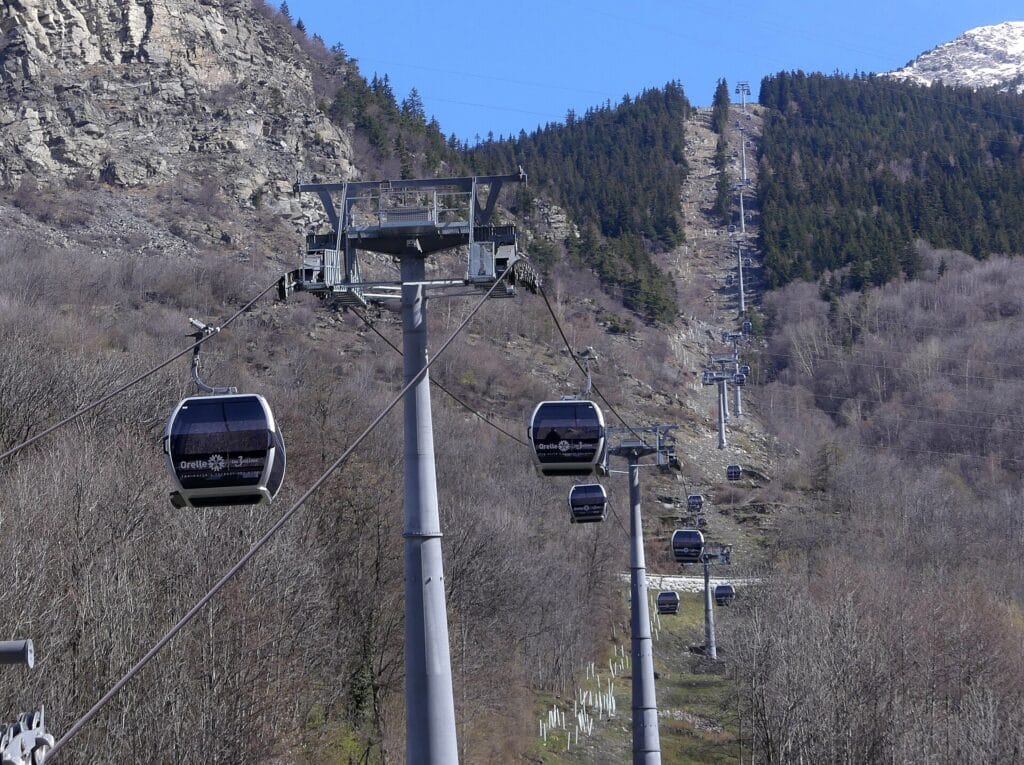
Europe’s highest resort keeps lifts spinning into early May: April brings festival energy, goggle tans and 8am corduroy that softens to perfect corn by eleven: the late-season default.
2. Hintertux Glacier, Austria
Lift-served skiing all twelve months: April-May still offers serious vertical and reliable mornings: with Mayrhofen’s valley spring (terraces, bike trails) as the afternoon counter-programme.
3. Zermatt, Switzerland
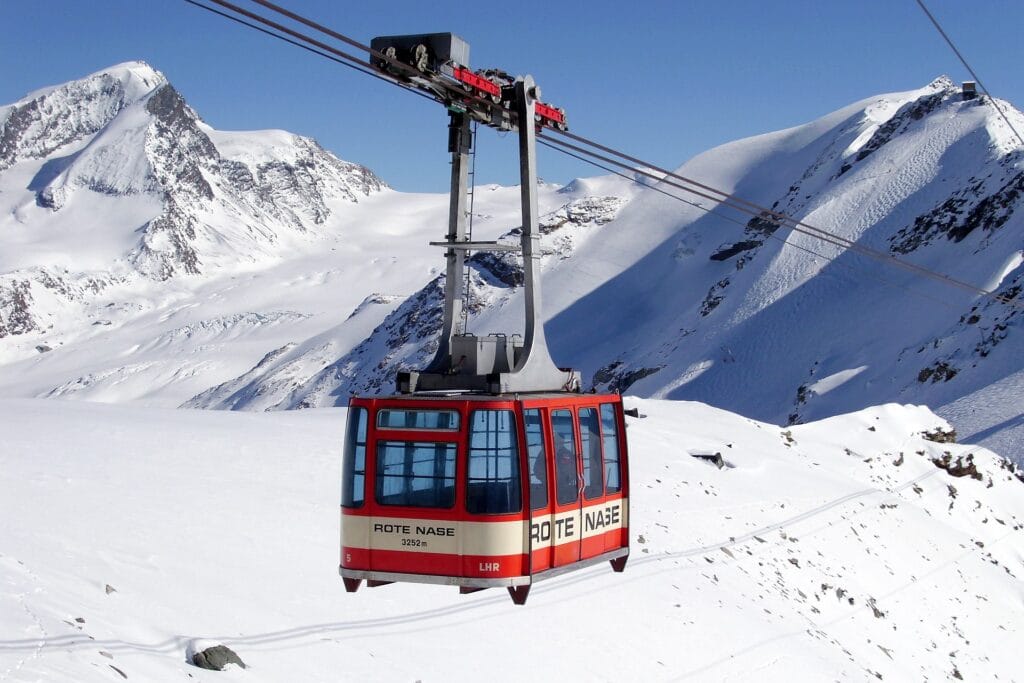
Year-round glacier laps under the Matterhorn plus high spring circuits to Cervinia: April’s combination of snow up top and patio season below is the Alps at its most civilised.
4. Riksgransen, Sweden
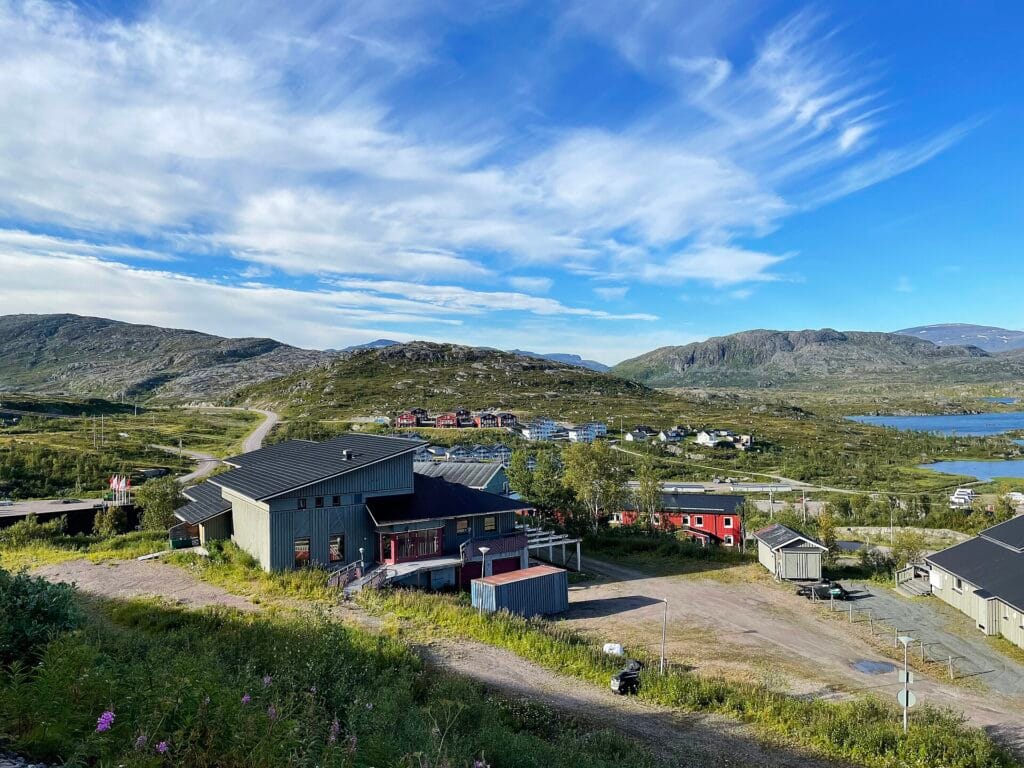
The Arctic outlier: the season RUNS late (roughly into May-June), with heli-laps and midnight-sun skiing sessions under a sun that refuses to set: a bucket-list weird-and-wonderful.
5. Tignes & the Grande Motte, France
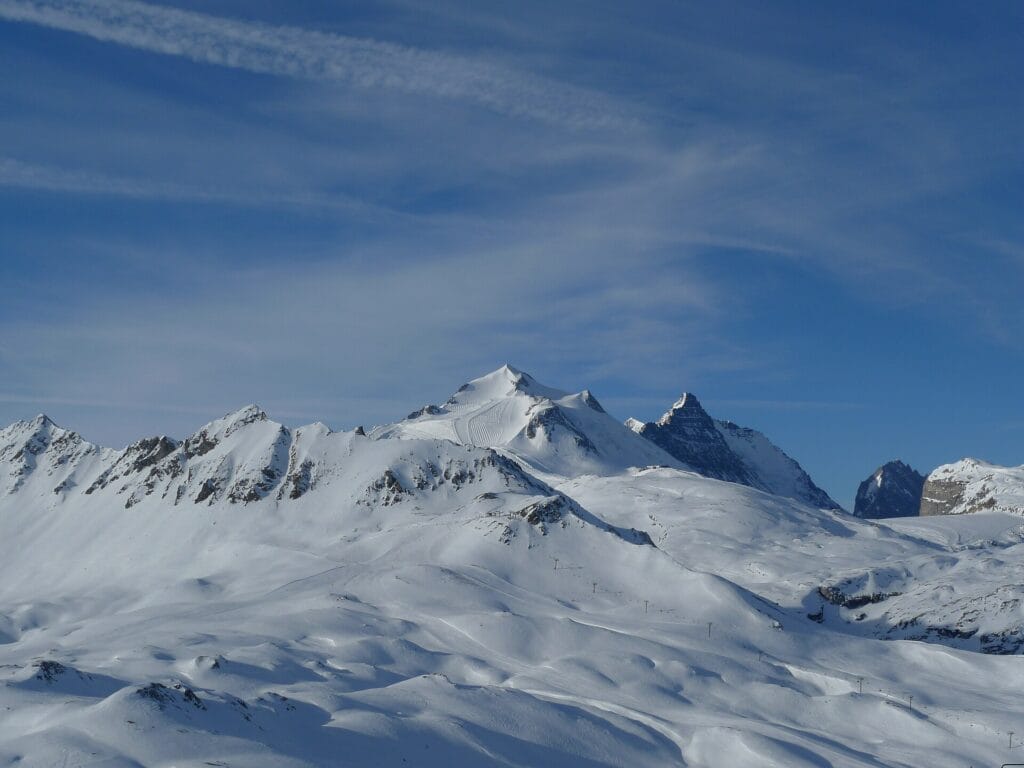
Glacier mornings into early summer dates most seasons, spring park laps and lake-thaw scenery: combine with Val d’Isere’s late closing for a full spring week.
| Resort | Country | Skis into | Glacier | Spring highlight |
|---|---|---|---|---|
| Val Thorens | France | Early May | — | Corn-snow mornings, festivals |
| Hintertux | Austria | Year-round | Yes | Reliable morning vertical |
| Zermatt | Switzerland | Year-round | Yes | Matterhorn + Cervinia link |
| Riksgränsen | Sweden | May–June | — | Midnight-sun skiing |
| Tignes | France | Early summer | Yes | Glacier laps + spring park |
Spring-skiing craft
Ski the morning, terrace the afternoon (snow turns to soup by two), wax for warm snow, sunscreen like it is the beach (it is, vertically) and book late-season deals: lifts and beds drop 30-50%% after Easter. Beginners: spring’s soft snow is the kindest teacher: see our beginner guide.
More ski & snow guides
- Cheapest ski resorts in Europe
- Most snow-sure ski resorts
- Best family ski resorts
- Best beginner ski resorts
- How much a ski holiday costs
- When to book a ski holiday
How to choose: which late-season pick is actually right for you
These five resorts solve very different problems, so match the resort to the calendar week you actually have free.
- Skiing in April into early May? Go to Val Thorens. At 2,300 m it is the highest resort in Europe, the lifts run to the world’s largest linked area (Les 3 Vallées), and the season typically holds until the first weekend of May (3 May in 2026, capped by the riotous Grande Dernière closing party). Best window: mid-April for long days plus dependable snow up top. A 1-day adult 3 Vallées pass is about €82 (roughly $88), but ski a Saturday for the ~20% discount (closer to €65 / $70).
- Want guaranteed turns in May, June, July or beyond? Only a glacier delivers. Zermatt’s Theodul Glacier and Hintertux are the two that never fully close; Tignes’ Grande Motte reopens for a short summer block (around 21 June to 20 July in 2026).
- Chasing an experience, not just vertical? Riksgränsen in Swedish Lapland is the wild card: spring corn under the midnight sun, with skiing past midnight in full daylight.
Rule of thumb: altitude beats latitude for snow security in spring. If your dates are unmovable and late, book a glacier and ski mornings.
Getting there: airports, transfers and the train options
Logistics make or break a late-season trip — slush and weekend traffic punish a bad plan. Here is how each pick actually connects.
- Val Thorens & Tignes (French Alps): fly into Geneva (Val Thorens ~2h30; Tignes broadly similar), Lyon (~2h45–3h), or Chambéry (shortest at ~1h30 but fog-prone). By rail, take the TGV to Moûtiers, then roughly a 45-minute bus or transfer to Val Thorens. Add buffer on Saturdays and school-holiday weeks — the Tarentaise valley jams badly on changeover days.
- Zermatt (Switzerland): the village is car-free, which actually makes the train the easy choice. From Geneva it’s about 3h50 with one change at Visp; if you drive, park in Täsch and ride the shuttle train the final 12 minutes into the village. Once there, the Gornergrat cog railway climbs to the high terrain in about 35 minutes.
- Hintertux (Austria): base yourself in the Zillertal valley in Tyrol; Innsbruck is the natural airport, with Munich and Salzburg as wider-net alternatives, then a valley road transfer to the glacier base.
- Riksgränsen (Sweden): the genuinely remote one. Fly to Kiruna, then take the Arctic Circle Train, which connects Kiruna and Narvik (Norway) several times a day each way (up to three in summer) and stops right at Riksgränsen — no car needed.
You Might Also Love

Written by
John Morrison is the founder and lead travel writer at Packzup. Over the past decade he has explored destinations across Africa, the Americas, Asia, Europe, the Middle East, and Oceania — always self-funded, never on a press trip.
