
Last updated September 4, 2026 · Editorial policy
I’ve chased the aurora in both Iceland and Norway across five winters. They’re different experiences. Here’s how to pick.
More: When to visit Iceland · Iceland travel guide
Quick verdict
Norwayland is easier but has fewer total nights of activity. Norway has more lights but requires more effort. If you have a week and a normal budget, go to Iceland. If you have ten days and want the real winter experience, Norway.
Iceland: the case for it
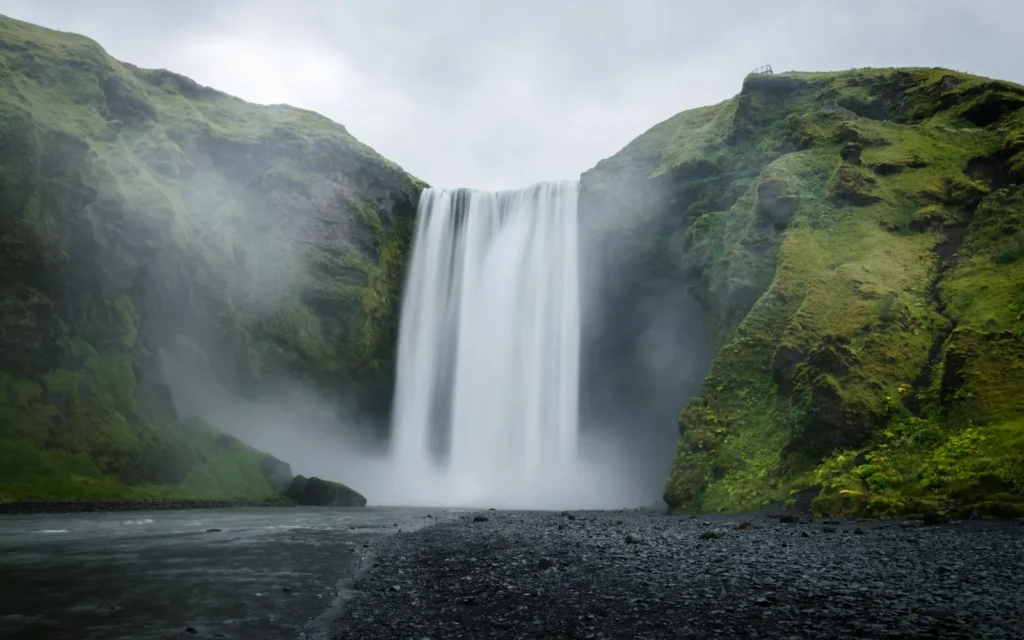
You can fly direct from most US East Coast cities. Land at Keflavik, pick up a car, drive 90 minutes and you’re already in dark sky territory. Most of the country has minimal light pollution.
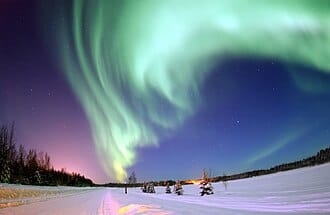
The Ring Road means you can chase clear skies if Reykjavik is cloudy. The aurora season is October through March.
Best Iceland base: Hofn or Vik in the south, Akureyri in the north. Stay 4-5 nights minimum because cloud cover ruins half your nights.
Norway: the case for it
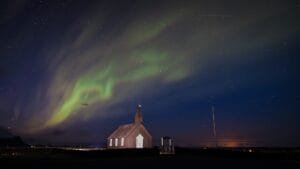
The auroras here are stronger and more frequent. The Lofoten Islands, Tromso, and Senja are inside the auroral oval, which means you’re guaranteed activity on any clear night October through April.
The downside: you’re flying via Oslo or Helsinki, which is a longer trip. Norway is also more expensive than Iceland (and Iceland is expensive).
Best Norway base: Tromso city is overrun with tours. Skip it. Stay in Senja or Lofoten – prettier landscapes, real fishing villages, half the people.
The science part you need to know
The aurora is invisible in cities. Light pollution kills it. Even a half moon dims it significantly.
The Kp index measures geomagnetic activity. Kp 3 = aurora visible in northern Iceland and Norway. Kp 5+ = aurora visible across the entire country.
Use spaceweatherlive.com or the Aurora Forecast app daily. Don’t rely on tours – they leave at 8pm whether or not the sky is clear, and they don’t always go to the best spot.
Why you don’t need a tour
The tour-bus aurora experience is a $150/person bus ride to a viewpoint with 200 other people, where you stand in the cold for 90 minutes hoping. Save the money.
Rent a car, drive yourself, pull off in a layby, kill the lights. That’s it. The lights don’t show up on demand and no guide can make them.
Photo gear
Phone cameras have gotten shockingly good. iPhone 14 Pro and newer, Pixel 7 and newer, can capture the aurora on Night Mode if you keep the phone steady (tripod or rocks).
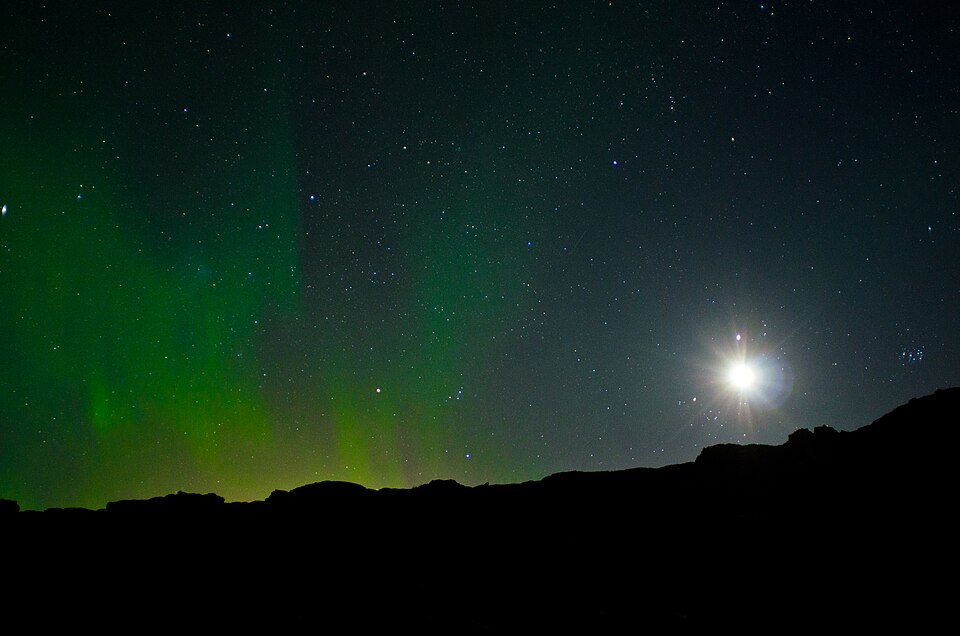
If you have a real camera, you want a fast wide lens (14-24mm at f/2.8 or wider), a sturdy tripod, and a remote trigger. 10-15 second exposures at ISO 1600-3200.
When to go
February and March are peak. Long enough nights for activity, days warming up just enough to not be brutal.
December is dramatic but too cold for most people (Tromso averages -5C, with high wind chill).
September and April are the shoulders – shorter dark hours but milder weather.
The misconception
The lights in person are not as bright as in photos. Photos are 15-second exposures. Your eye sees green wisps, not vibrant ribbons of color. The colors come out in the camera.
This is fine. The experience is still magical. Just don’t expect the brochure version.
Related reading
Frequently Asked Questions
How do you plan a trip around this list?
Start by setting a budget and deciding on travel dates. Research the best time to visit, book flights and accommodation early for the best rates, and create a flexible itinerary that balances must-see attractions with free exploration time.
When is the best time to go?
The ideal time depends on your priorities: weather, crowds, and cost. Shoulder season usually offers the sweet spot between pleasant conditions and reasonable prices. Research local events and holidays that might affect your experience.
How much should you budget for a trip like this?
Trip costs vary based on travel style, duration, and season. Budget for flights, accommodation, food, activities, and transportation. Getting specific price estimates for each category helps create a realistic budget.
Are these places safe for tourists?
Most popular destinations are safe for tourists who take standard precautions: stay aware of surroundings, secure valuables, avoid isolated areas at night, and follow local customs. Check travel advisories from your government before departure.
You Might Also Love

Written by
John Morrison is the founder and lead travel writer at Packzup. Over the past decade he has explored destinations across Africa, the Americas, Asia, Europe, the Middle East, and Oceania — always self-funded, never on a press trip.
