
Last updated September 8, 2026 · Editorial policy
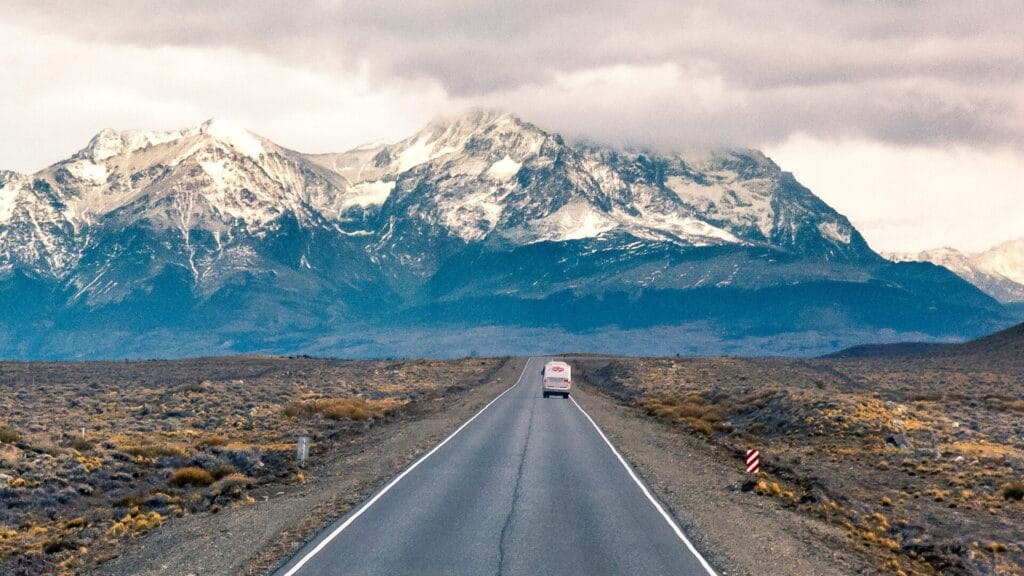
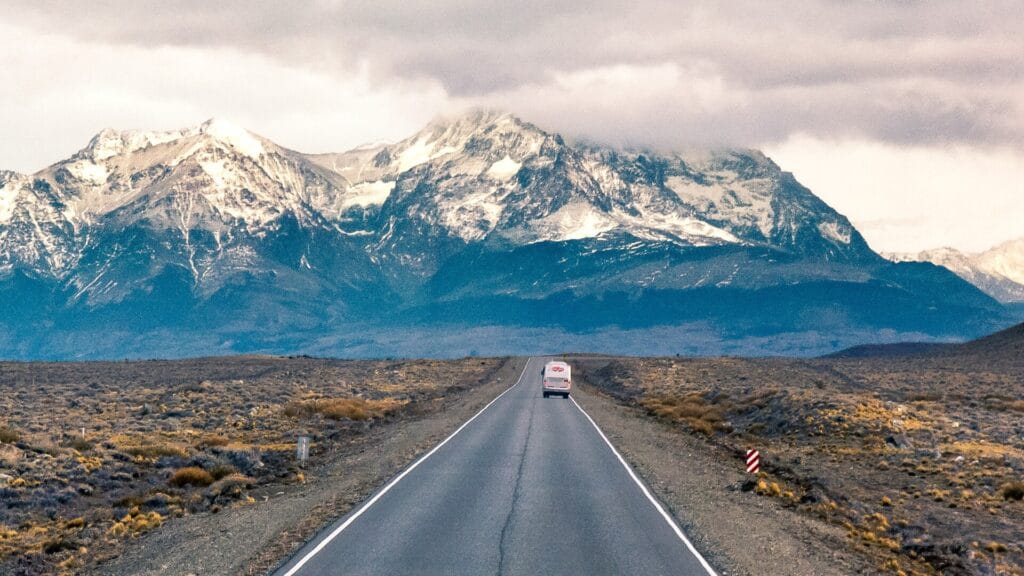
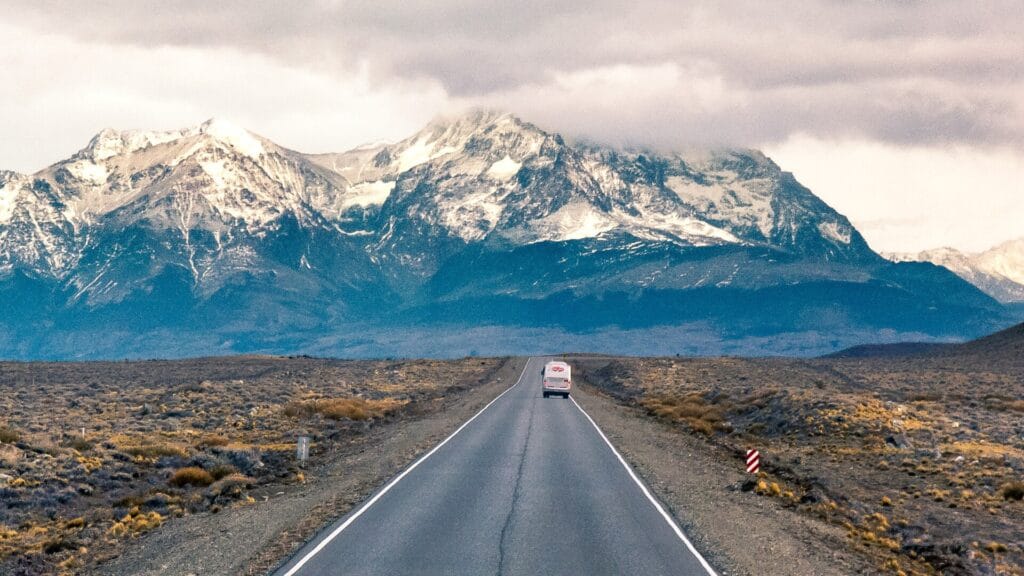
Patagonian cuisine is defined by three things: lamb, fire, and the vast distances that have shaped a food culture of resourceful simplicity. The region’s grass-fed Patagonian lamb, slow-roasted for hours over open flames, is one of the great meat experiences on earth. The cold southern seas produce king crab, Patagonian toothfish, and mussels. Welsh teahouses in Gaiman serve afternoon tea with torta negra that traces back to 1865 settlers. Craft breweries in Bariloche and El Bolsón use glacial water and local hops. Eating in Patagonia is not about refinement — it is about fire-cooked meat, fresh seafood, and honest cooking in some of the most dramatic landscapes on the planet.
More: When to visit Patagonia · Patagonia travel guide
What to Eat:
1. Cordero al Asador (Spit-Roasted Lamb)
The undisputed king of Patagonian food — whole lamb splayed on an iron cross (asador) beside a wood fire, slow-roasted for 3-5 hours until the fat renders and the exterior crisps while the interior stays impossibly tender. The lamb is seasoned with nothing but salt, letting the grass-fed flavour speak. Found at estancias (ranches) and parrillas throughout the region for 8,000-15,000 ARS. El Boliche de Alberto in El Calafate and Don Pichón in Ushuaia serve excellent versions. This is a ceremonial meal — watch the asador tend the fire for hours.
2. Centolla (King Crab)
The cold waters of the Beagle Channel and Strait of Magellan produce enormous southern king crabs with sweet, delicate meat. Ushuaia and Punta Arenas are the centres — served simply steamed, in casseroles, or in empanadas. About 12,000-25,000 ARS for a full centolla in Ushuaia restaurants. Volver and Kaupé serve exceptional preparations. The legs are the prize — cracked open and dipped in melted butter. Fresh centolla in Ushuaia, with the Beagle Channel outside the window, is a bucket-list food experience.
3. Empanadas
Hand-folded pastry turnovers filled with beef, lamb, onion, hard-boiled egg, olives, and spices — either baked or fried. Every region, family, and restaurant has their own recipe. About 500-1,000 ARS each. Patagonian empanadas tend to be larger and meatier than Buenos Aires versions, often using lamb instead of beef. The repulgue (crimped edge pattern) identifies the filling. Buy a dozen from a local bakery for a hiking lunch. The lamb empanada with hand-cut meat is the Patagonian signature.
4. Trucha (Patagonian Trout)
Rainbow and brown trout thrive in Patagonia’s glacier-fed lakes and rivers — introduced in the early 1900s and now a regional culinary icon. Served grilled, smoked, pan-fried, or as ceviche in lakeside restaurants from Bariloche to Villa La Angostura. About 6,000-12,000 ARS for a main course. The smoked trout from artisan producers around Lago Nahuel Huapi is exceptional. Cervecería Berlina in Bariloche serves excellent trout paired with their craft beers. The cold water produces firm, flavourful fish.

5. Chocolate and Dulces
Bariloche is Argentina’s chocolate capital — the main street (Calle Mitre) has dozens of chocolate shops producing European-style chocolates, pralines, and hot chocolate. Rapanui, Mamuschka, and Rapa Nui are the big names. A box of artisanal chocolates costs 3,000-8,000 ARS. The tradition traces to Swiss and German immigrants. The hot chocolate (submarino — a bar of chocolate melted in hot milk) is the winter essential. Combine with fresh berries from El Bolsón in summer for chocolate-dipped strawberries.
6. Calafate Berry Desserts
The calafate berry (Berberis microphylla) is the symbol of Patagonia — a small, dark blue berry that grows wild throughout the region. Local legend says anyone who eats calafate berries will return to Patagonia. Used in jams, ice cream, sauces, pisco sours, and desserts. About 2,000-4,000 ARS for a calafate dessert. The calafate ice cream at Heladería Aquelarre in El Calafate is the classic. Buy calafate jam as a souvenir — it has a unique tart, earthy flavour unlike any other berry.
7. Curanto
A traditional Mapuche and Chilote cooking method adapted in the Lake District — meats (chicken, pork, lamb), sausages, potatoes, and shellfish are buried in a pit with hot stones, covered with nalca (giant rhubarb) leaves, and slow-cooked underground. Found in the Chilean Lake District and occasionally in Bariloche area restaurants for 10,000-18,000 ARS. The pit cooking produces extraordinary smoky, tender food. Similar in concept to a Polynesian hangi. Best experienced at rural festivals and estancias.
8. Craft Beer of Bariloche
Bariloche and El Bolsón form Argentina’s craft beer heartland — glacial water, imported hop varieties (El Bolsón grows 70% of Argentina’s hops), and a German-Swiss brewing tradition produce exceptional beers. Berlina, Blest, Patagonia Brewery, and dozens of microbreweries offer tasting flights from 2,000-4,000 ARS. The annual Fiesta del Lúpulo (Hop Festival) in February celebrates the harvest. El Bolsón’s weekly artisan fair has craft beer stalls with mountain views. IPA, stout, and Scotch ale styles dominate.
Eating Tips for Patagonia
Patagonia is expensive and remote — expect to pay Buenos Aires prices or more for restaurant meals. Estancia (ranch) visits offer the most authentic cordero al asador experience and should be booked ahead. Bariloche’s Calle Mitre for chocolate, Ushuaia’s waterfront for king crab, and El Calafate’s main street for lamb are the food hubs. Self-catering from supermarkets (La Anónima chain) is significantly cheaper. Wind and weather affect fishing and supply chains, so menus change. The mate (herbal tea) ritual is ubiquitous — accept a mate offered by locals. Tipping 10% is standard. Argentine wines (Malbec from Mendoza) are available everywhere at reasonable prices.
Frequently Asked Questions
What is the must-try food in Patagonia?
The most iconic dish is Cordero al Asador (Spit-Roasted Lamb). The undisputed king of Patagonian food — whole lamb splayed on an iron cross (asador) beside a wood fire, slow-roasted f…
Is street food safe in Patagonia?
Yes. Street food and market stalls are popular with locals and generally safe. Stick to busy stalls with high turnover for the freshest food.
How much does a meal cost in Patagonia?
Budget travellers can eat well from street stalls and markets. Sit-down restaurants are moderately priced by international standards.
Related Articles
- Things to Do in Patagonia: 12 Experiences You Can’t Miss
- Where to Stay in Patagonia: Best Neighborhoods and Hotels
- Best Time to Visit Patagonia: Month-by-Month Guide
- Patagonia Itinerary: A 7-Day Sample Plan and How to Build Your Trip
You Might Also Love

Written by
John Morrison is the founder and lead travel writer at Packzup. Over the past decade he has explored destinations across Africa, the Americas, Asia, Europe, the Middle East, and Oceania — always self-funded, never on a press trip.
