
Last updated September 1, 2026 · Editorial policy
Quick answer: A classic western-to-central Cuba loop from Havana’s colonial squares to the Viñales tobacco valley, then south to Cienfuegos and UNESCO-listed Trinidad with Escambray waterfalls and Playa Ancón, returning via Santa Clara. Best months: November-April (dry season). Avoid June-October (hurricane season) and August (peak heat). Total cost: US$1500-2500 mid-range per person. Cash-heavy economy (bring USD or EUR cash).
Ten days for Cuba = 3 nights Havana, 2 nights Vinales valley, 2 nights Trinidad, 2 nights Varadero/coast, 1 buffer. Casa particulares (homestays) deliver authentic experience. Built across 2 personal Cuba trips.
Day-by-day breakdown
Day 1 — Old Havana On Foot
Land at José Martí International Airport and taxi into the city (fixed fare roughly $25–30). Base yourself in Habana Vieja, the UNESCO-listed old town, and spend the afternoon walking its great colonial squares. Start at Plaza de la Catedral, framed by the baroque cathedral, then wander to Plaza Vieja with its restored 18th-century facades and rooftop camera obscura. Loop through Plaza de Armas, the city’s oldest square, past the secondhand book stalls. As dusk falls, stroll the Malecón, the eight-kilometre seawall promenade where habaneros gather to fish and chat. Grab a first-night mojito — a classic runs roughly $4–5. Planning note: Cuba retired the CUC convertible peso back in 2021 — bring cash euros or dollars (US-issued cards do not work) and ask your casa host for the honest going rate before you change anything.
Day 2 — Vedado & Havana Nightlife
Give the morning to Vedado, Havana’s leafy 20th-century district. Climb the steps of the Universidad de La Habana, then walk to the Necrópolis Cristóbal Colón, a vast, sculpture-filled cemetery (entry around $5). Ride a shared almendrón — a vintage collective taxi — along Linea for a handful of pesos. In the afternoon, visit the Museo de la Revolución in the former presidential palace, where the yacht Granma sits under glass outside. For lunch, try ropa vieja, the shredded-beef national dish, at a paladar (privately run restaurant); mains run roughly $8–12. Planning note: Fábrica de Arte Cubano, a converted cooking-oil factory turned gallery-nightclub in Vedado, opens Thursday to Sunday from 8pm — arrive before the 9:30 lines to see art, live jazz and dance under one roof.
Day 3 — Vintage Cars & Cabaret
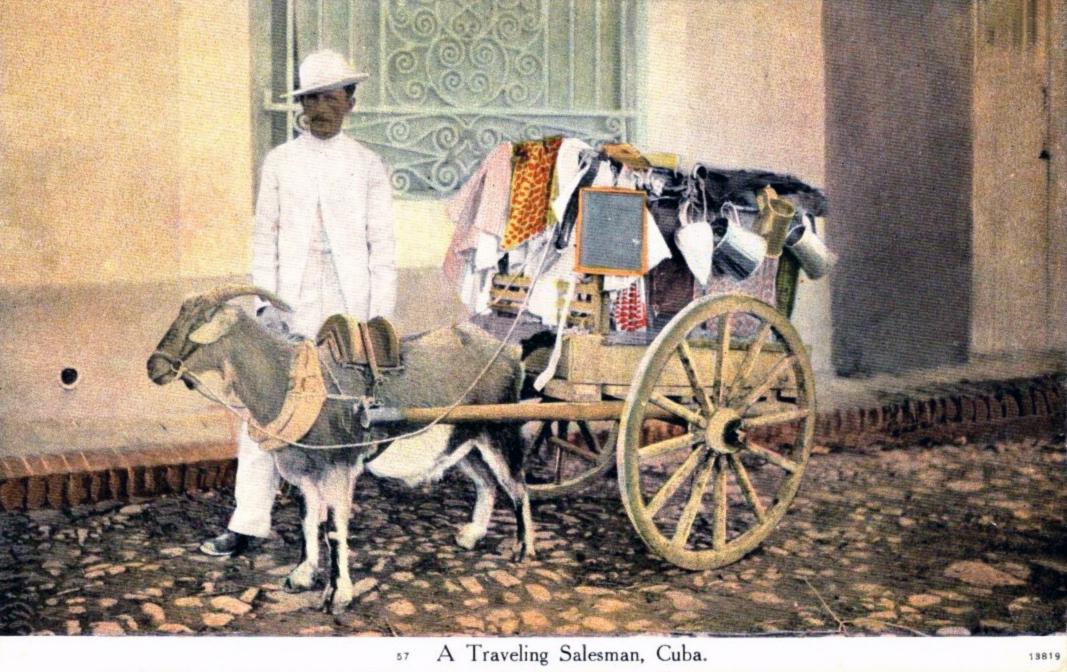
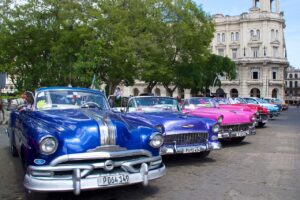
Devote today to Havana’s icons before you head west tomorrow. Book a one-hour ride in a classic 1950s convertible — the polished Chevys and Buicks lined up near Parque Central charge roughly $30–40 for a Malecón-and-Vedado loop. Wander into Callejón de Hamel, the Afro-Cuban alley near Centro Habana painted floor-to-roof with Salvador González’s murals; Sunday around noon brings live rumba drumming. Visit the Capitolio, Havana’s gleaming domed capitol restored to its 1929 splendour. In the evening, splurge on the open-air Tropicana cabaret in Marianao, running since 1939 (tickets roughly $75+; book ahead). Planning note: carry small bills and a working torch — blackouts are common, and many casas and paladars are cash-only with no card machines.
Day 4 — West To Viñales Valley
Rise early for the westward journey to Viñales in Pinar del Río province. The Viazul tourist bus departs Havana’s Viazul terminal in Nuevo Vedado and takes about three and a quarter hours via Pinar del Río city (fare roughly $12–19; book online ahead as seats sell out). Arriving by midday, you reach the Valle de Viñales, a UNESCO landscape of limestone mogotes rising from red-earth tobacco fields. Check into a casa particular — family homestays here run roughly $20–30 a night and often include a home-cooked dinner. Spend the afternoon at the Mirador Los Jazmines viewpoint for the classic valley panorama. Planning note: the countryside is a chance to eat truly local — ask your host for a criollo dinner of roast pork, congrí (rice and black beans) and viandas; it typically costs about $8–10 and beats any restaurant.
Day 5 — Tobacco Farms & Caves
Explore the valley floor by horseback or on foot — a half-day guided horse ride through the tobacco fields runs roughly $15–25. A local farmer will show you a curing barn and hand-roll a cigar; buying a few loose leaves supports the family directly. Visit the Cueva del Indio, where you walk then board a small boat along an underground river (entry around $5). Stop at the Mural de la Prehistoria, a huge cliff-face painting on a mogote near Dos Hermanas. Cool off at an organic farm café with a fresh guarapo (sugarcane juice) for about $1–2. Planning note: Viñales has patchy connectivity — buy an ETECSA Nauta card or a tourist eSIM in Havana beforehand, and download offline maps, because Wi-Fi here is limited to a few hotspots.
Day 6 — South To Cienfuegos
Today you cross the island south. Because Viñales sits in the far west, the practical route is back through Havana, so plan an early Viazul departure and expect a long travel day — consider a private colectivo (shared car) instead, which many casa owners arrange to Cienfuegos for roughly $40–60 per person and saves hours. Arriving in Cienfuegos, the elegant “Pearl of the South” founded by French settlers in 1819, settle into a casa near the centre. Walk the grand Parque José Martí, ringed by neoclassical buildings and the Teatro Tomás Terry. Stroll south down the Paseo del Prado to Punta Gorda and the eclectic Palacio de Valle at sunset. Planning note: order fresh grilled fish or lobster at a Punta Gorda paladar overlooking the bay — seafood here is superb and mains run roughly $10–15.
Day 7 — Colonial Trinidad Cobblestones
A short hop east brings you to Trinidad, the crown jewel of colonial Cuba — the Viazul bus takes about 90 minutes (fare roughly $6–12). Founded in 1514 and frozen in time by the sugar boom, its cobblestone streets and pastel mansions form a UNESCO World Heritage Site. Spend the day on foot: climb to Plaza Mayor, visit the yellow-towered Iglesia y Convento de San Francisco (now the Museo de la Lucha Contra Bandidos) for a rooftop view, and step into a colonial-era mansion museum (entries around $2–5 each). As night falls, join the crowd on the Casa de la Música steps beside the plaza for live salsa under the stars. Planning note: pace yourself on the steep cobbles — wear sturdy shoes, and try a canchanchara, Trinidad’s honey-lime-rum cocktail served in a clay cup, for about $3–4.
Day 8 — Escambray Waterfalls Hike
Trade the town for the mountains with a day trip into the Gran Parque Natural Topes de Collantes in the Sierra del Escambray, about 20 kilometres from Trinidad. Casa owners arrange a 4×4 truck transfer for roughly $10–15. Hike the forest trail to the Salto del Caburní waterfall — a moderately steep 45–60 minute descent through coffee plantations to a pool you can swim in (park access fee roughly $10). Alternatively, book the longer excursion to El Nicho, a stunning multi-tier cascade about 90 minutes away toward Cienfuegos, on the Reino de las Aguas trail. Bring water, a swimsuit and cash for the guide. Planning note: rains can swell the rivers and close trails in the afternoon — go early, and check conditions with your guide before committing, since flows and access vary by season.
Day 9 — Playa Ancón Beach Day
Slow the pace with a beach day at Playa Ancón, a ribbon of white sand about 12 kilometres south of Trinidad on the Caribbean. A colectivo taxi runs roughly $8–12 round trip, or rent a bicycle for the flat coastal ride. The water is calm, warm and clear — good for snorkelling near the small offshore reef; gear rents for a few dollars on the sand. Back in Trinidad, spend the late afternoon in the Valle de los Ingenios, the historic sugar-mill valley just east of town, where you can climb the Torre de Manaca Iznaga, a 45-metre bell tower once used to watch over enslaved workers (entry around $1–2). Planning note: sunsets over Ancón are excellent, but bring your own snacks and water — beach vendors are few and prices are inflated compared with town.
Day 10 — Santa Clara & Return
On your final day, make the return toward Havana with a worthwhile stop in Santa Clara, roughly 90 minutes north of Trinidad by bus or colectivo (fare roughly $6–10). This university city is where Che Guevara’s forces won the decisive 1958 battle. Visit the Monumento Ernesto Che Guevara, whose mausoleum holds his repatriated remains beside an eternal flame, with a free museum tracing his life (bags must be checked; photography inside is prohibited). Nearby, the Monumento a la Toma del Tren Blindado marks where rebels derailed an armoured troop train. Continue on to Havana (about three to four hours total) for your onward flight. Planning note: leave a generous buffer before your airport departure — Cuban buses run late and fuel shortages can cause delays, so aim to reach José Martí at least three hours before an international flight.
What to book ahead
- Casa particulares: Book via Airbnb or casaparticulares.com 4-6 weeks ahead Nov-Mar. $25-50/night with breakfast.
- Cuban Tourist Card (visa): Buy at airport before flight ($25-50 depending on origin) or online before. Required for entry.
- Collective taxis: Book through casa hosts 1 day ahead. $15-60 per ride depending on distance. Far cheaper than rental car ($100+/day).
- Cash: Bring USD or EUR cash for full trip. ATMs unreliable. US-issued cards don’t work due to embargo.
A local planning note
Skip the official Viazul bus system and book collective taxis (taxi colectivo) through your casa host – same routes, 30% faster, $5-15 cheaper, and you meet other travelers + locals. Most colectivos are 1950s American classics so the ride is part of the experience.
Best time for this trip
November-April (dry season). Avoid June-October (hurricane season) and August (peak heat).
The 10-Day Cuba Route, Mapped
| Stop | Nights | Why |
|---|---|---|
| Havana | 3 | Old Havana, the Malecón, classic-car loop, live son in a casa de la música |
| Viñales | 2 | Tobacco valley, horseback through the mogotes, sunset at a finca |
| Trinidad | 2 | Cobblestone colonial core, Playa Ancón, the Valley of the Sugar Mills |
| Cienfuegos | 1 | French-built bay city, easy stop between Trinidad and the coast |
| Varadero | 2 | White-sand finish before flying home |
What no one tells you about Cuba logistics
Bring all your cash in euros or US dollars and exchange locally — most foreign cards do not work and ATMs are unreliable. Book the first two nights of casas particulares (family guesthouses) ahead; after that your host can phone the next town’s casa for you. Between cities, a colectivo (shared classic car) is faster than the Víazul bus and barely more once split. Wi-Fi is improving but patchy — download offline maps before you go. Best months are November–April (dry season). For a full breakdown, see the Travel Cost Index.
The routing mistake that strands first-timers
The biggest planning error on this route is treating Cuba’s intercity buses like they run daily. As of 2025 the Viazul Havana to Vinales service operates only Friday, Saturday and Sunday, and the Havana to Trinidad bus runs just two days a week (Tuesday and Saturday). Lock your departures to those slots before you book casas, or you will burn a buffer day waiting for the next bus.
There is no direct Viazul leg between Vinales and Trinidad either. The practical fix is the Santa Clara workaround: take the bus to Santa Clara or Sancti Spiritus, then a shared taxi the final 75 minutes into Trinidad for roughly $15-25. Fuel shortages cause frequent delays, so pick departures that land with daylight to spare rather than the last run of the day.
Sequencing fix: front-load Havana while you adjust, slot Vinales onto a weekend so the direct bus actually exists, then push to Trinidad. Skip Varadero’s resort strip if you want real Cuba and add a night in Cienfuegos instead, a 90-minute taxi from Trinidad with the Punta Gorda waterfront and Teatro Tomas Terry.
Frequently asked questions
Is 10 days enough for Cuba?
Yes for Havana + Vinales + Trinidad + Varadero. 14 days adds Cienfuegos + Santiago de Cuba. Cuba’s east coast (Santiago, Baracoa) is less touristy and worth extending for.
How much does a 10-day Cuba trip cost?
Mid-range: US$1500-2500 per person. Cuba is cash-heavy + somewhat unpredictable price-wise. Budget travelers can do under $1000 via casas + collective taxis.
Best time for Cuba?
November-April (dry season). December-March is peak. May has lowest prices + still good weather. Avoid June-October hurricane season.
Is Cuba safe?
Very safe. Almost no violent crime in tourist areas. Petty scams (jineteros offering ‘unique’ restaurants for kickback) are common but harmless. Solo female travelers report mostly positive experiences.
Internet in Cuba?
Limited. Buy ETECSA wifi cards ($1-2/hour) and use at park hotspots. Few casas have wifi. Plan for digital detox.

Plan your Cuba trip
Budgeting Cuba? What a Cuba Trip Costs
Best time to visit Cuba (real climate data)
Best months: January, February, March, November, December.
Cuba’s warmest month is August (avg 33°C / 91°F), the coolest is January (low 19°C / 67°F). The wettest is June (182 mm) and the driest is March.
Source: Open-Meteo / WMO climate normals (WMO 1991–2020, or ERA5 2019–2023 where unavailable).
You Might Also Love

Written by
John Morrison is the founder and lead travel writer at Packzup. Over the past decade he has explored destinations across Africa, the Americas, Asia, Europe, the Middle East, and Oceania — always self-funded, never on a press trip.
Trip prep: before you travel, plan what to wear, check the tap water, sort your mobile data, and see if it is a cash or card country, and skim local etiquette.
