
Last updated September 8, 2026 · Editorial policy
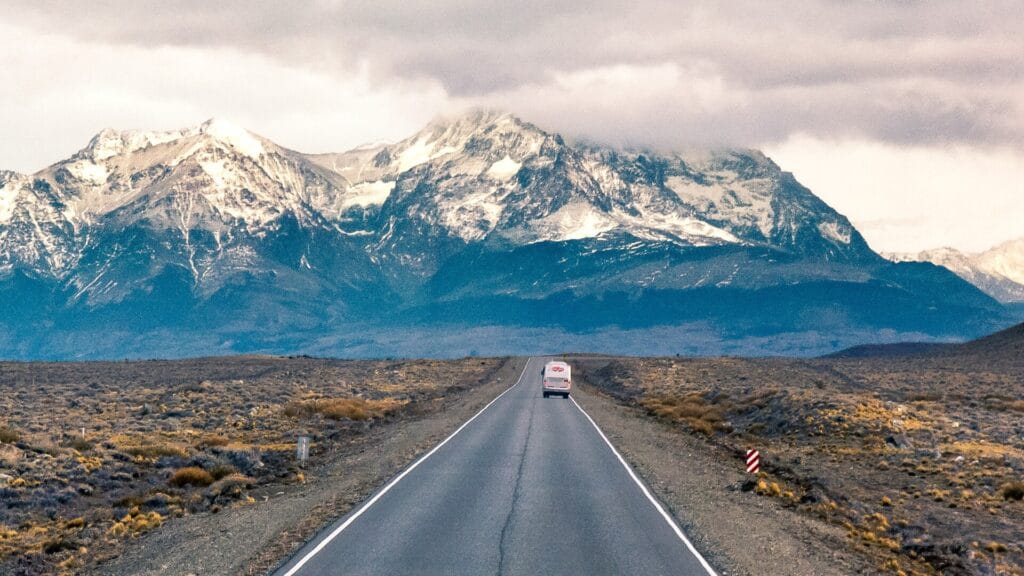
Patagonia is vast, remote, and sparsely populated — distances between attractions are enormous and transport options are limited. The main towns (El Calafate, El Chaltén, Ushuaia, Puerto Natales, Punta Arenas) are connected by long bus rides, domestic flights, and a few highways that stretch across empty steppe. There are no trains. A rental car offers the most flexibility but fuel stations can be 200+ km apart and roads in Chilean Patagonia are partly unpaved. Flying between bases saves days of driving but limits spontaneity. Planning transport is essential — this is not a destination where you can improvise easily.
More: When to visit Patagonia · Patagonia travel guide
Transport Options:
1. Domestic Flights
The fastest way to cover Patagonia’s vast distances. Aerolíneas Argentinas and LATAM fly from Buenos Aires to El Calafate (3 hours), Ushuaia (3.5 hours), and Trelew. Within Patagonia, flights connect El Calafate to Ushuaia (1 hour). Chilean LATAM flies from Santiago to Punta Arenas (3.5 hours) and Puerto Montt. Flights cost 50,000-150,000 ARS or 50-200 USD depending on season and booking time. Book well ahead for December-March peak season. Weight limits on small planes are strict.
2. Long-Distance Buses
Bus companies (TAQSA, Marga, Cootra, Bus Sur) connect Patagonian towns with comfortable semi-cama and cama (sleeper) seats. El Calafate to El Chaltén: 3 hours, 8,000-15,000 ARS. Puerto Natales to Punta Arenas: 3 hours, 5,000 CLP. El Calafate to Puerto Natales: 5 hours (cross-border, requires passport). Buses are the most common transport for budget travellers. Book at bus stations or online through Recorrido.cl (Chile) or Plataforma10 (Argentina). Some routes have only 1-2 departures per day.
3. Rental Cars
Maximum flexibility but requires planning. Rent in El Calafate, Punta Arenas, or Ushuaia. International companies and local operators available from 40,000-80,000 ARS/day or 50-100 USD. Ruta 40 (Argentina’s iconic highway) connects El Calafate to El Chaltén and northward — partly unpaved. Chilean Ruta 7 (Carretera Austral) is a legendary adventure road. Fuel stations are scarce — fill up at every opportunity. Wind is extreme — driving can be white-knuckle. Cross-border rental requires special permission and insurance.
4. Organised Tours and Transfers
Most visitors to Torres del Paine, Perito Moreno Glacier, and Tierra del Fuego book organised tours from their base town. Perito Moreno Glacier tours from El Calafate: 25,000-40,000 ARS. Torres del Paine day tours from Puerto Natales: 60,000-90,000 CLP. Ushuaia offers Beagle Channel boat trips (30,000-50,000 ARS) and Tierra del Fuego National Park tours. Tour agencies cluster in each town’s centre. Multi-day Torres del Paine trekking requires advance refuge booking.

5. Hitchhiking
Surprisingly common and culturally accepted in Patagonia, especially among backpackers on Ruta 40 and in Torres del Paine area. Travellers share rides with other travellers and local estancia workers. Safety is generally good in this sparsely populated region. Waits can be very long — carry food, water, and warm layers. The El Chaltén to El Calafate and Ruta 40 routes are the most hitchhiked. Not a reliable transport plan but a memorable backup option when buses don’t align.
6. Navimag Ferry (Chile)
The Navimag ferry runs from Puerto Montt to Puerto Natales (4 days, 3 nights) through the Chilean fjords — one of the world’s great sea voyages. Prices from 400-1,200 USD depending on cabin class. The journey passes glaciers, remote islands, and the Pacific coast. Departs weekly. This is as much a destination experience as transport. Book well in advance for December-February. The alternative is flying (3 hours) or a 2-day bus journey. Bring sea sickness medication.
Transport Tips for Patagonia
Book domestic flights and bus tickets early for December-March season. El Calafate and El Chaltén are 3 hours apart by bus — many visitors base in El Calafate and day-trip to El Chaltén for hiking. The cross-border bus from El Calafate to Puerto Natales (5 hours) connects Argentine and Chilean Patagonia — bring your passport. Torres del Paine refuges must be booked months in advance. Fuel up at every station — the next one could be 200+ km away. Wind is a constant factor for driving and cycling. Layering clothes is essential — weather changes rapidly. Cash is needed in many small towns — ATMs are unreliable.
What is the best way to get around Patagonia?
The most practical options are Domestic Flights and Long-Distance Buses. The fastest way to cover Patagonia’s vast distances. Aerolíneas Argentinas and LATAM fly from Buenos…
Do I need a car in Patagonia?
Not for the classic circuit: coaches like Bus-Sur, Buses Fernandez and Chalten Travel link El Calafate, El Chalten, Puerto Natales and Torres del Paine; book via Recorrido.cl or Plataforma 10. Rent a car (expect gravel roads and cross-border paperwork) for the Carretera Austral or Ruta 40 backroads.
Is public transport safe in Patagonia?
Yes, notably so: long-distance coaches are Patagonia’s workhorse and serious crime is rare. Keep valuables on your lap at Bariloche and El Calafate terminals, book high-season seats days ahead, and treat winter ice and long gaps between departures as the real risks.
Related Articles
- Things to Do in Patagonia: 12 Experiences You Can’t Miss
- Where to Stay in Patagonia: Best Neighborhoods and Hotels
- Best Time to Visit Patagonia: Month-by-Month Guide
- Patagonia Itinerary: A 7-Day Sample Plan and How to Build Your Trip
Frequently Asked Questions
You Might Also Love



Written by
John Morrison is the founder and lead travel writer at Packzup. Over the past decade he has explored destinations across Africa, the Americas, Asia, Europe, the Middle East, and Oceania — always self-funded, never on a press trip.
