
Last updated September 11, 2026 · Editorial policy
It is a strange and wonderful summer to be writing this. Canada and Mexico are co-hosting the 2026 FIFA World Cup alongside the United States, and for a month the world’s cameras have bounced between Vancouver’s harbour, Toronto’s skyline and the roar of a packed Estadio Azteca — two genuinely football-mad nations enjoying a rare shared moment in the global spotlight.
But this is a travel comparison, not a football article. I have crossed both countries the slow way — overnight buses through the Mexican highlands, a rental car crawling through the Rockies with my jaw somewhere near the floor — and the honest truth is that these are two of the most different trips you can take in North America. One is polished, vast and expensive. The other is chaotic, delicious and absurdly good value. Here is how they actually stack up, category by category, with real numbers and no diplomatic fence-sitting.
| Category | Canada | Mexico | Winner |
|---|---|---|---|
| Daily budget | $80–260 for most travelers | $35–140 for most travelers | Mexico |
| Food | Great multicultural cities, pricey | One of the world’s great cuisines | Mexico |
| Beaches / Nature | World-class wilderness, cold water | Warm beaches on two coasts | Tie |
| Cities & culture | Clean, polished, easygoing | Layered, historic, intense | Mexico (narrowly) |
| Weather | Short but glorious summer window | Sunshine somewhere all year | Mexico |
| Ease of travel | Effortless — everything works | Easy on main routes, more friction | Canada |
| Nightlife | Good in Montreal and Toronto | Great almost everywhere | Mexico |
| Value for money | Fair, but expensive | Excellent | Mexico |
Cost comparison
Let’s start with the category that quietly decides most trips, because the gap here is enormous. In Canada, a genuine budget traveler — hostel dorms at $35–60 a night, groceries instead of restaurants, city buses instead of taxis — will still burn through $80–110 per day. Mid-range travel runs $160–260 per person per day once you factor in hotels at $130–220, sit-down dinners at $25–40 before tax and the expected 18 percent tip, and the eye-watering cost of getting between places. Luxury starts around $350–600 and climbs fast; the famous mountain lodges around Banff in July can make Swiss prices look reasonable. The favourable exchange rate softens the blow for Americans, but Canada still costs roughly what the pricier corners of the US cost.
Mexico is a different universe. Backpackers travel comfortably on $35–55 a day: hostel beds for $12–20, street tacos for a dollar or two each, set-menu comida corrida lunches for $4–6, and long-distance buses that cost less than a Canadian airport sandwich. Mid-range — lovely boutique hotels, nice dinners with drinks, the odd guided tour — lands around $80–140 a day. At $200–400 a day you are living better than a $600 day buys in Canada. The one honest caveat: Cancún, Tulum and Los Cabos price in dollars and can rival Miami, so do not judge the whole country by its resort corridors.
Winner: Mexico, by a mile that turns into three miles the longer you stay.
Food
Mexican cuisine is one of the few in the world formally recognized by UNESCO as intangible cultural heritage, and after a few weeks there you understand why. This is not one cuisine but a dozen regional ones: cochinita pibil slow-roasted in the Yucatán, complex moles in Oaxaca and Puebla, birria in Guadalajara, seafood tostadas on the Pacific coast, and in Mexico City a street-food scene where some of the best things you will eat all year cost less than two dollars from a sidewalk griddle.
Canada deserves a more honest defence than it usually gets. Montreal is a legitimately great food city — bagels, smoked meat, and a restaurant scene with real swagger. Toronto might be the best city on the continent for immigrant food, from hand-pulled noodles to Sri Lankan kothu roti, and Vancouver’s sushi is among the best outside Japan. Poutine, eaten at 2 a.m. in winter, makes complete sense. The problem is price: a casual meal rarely escapes $20–30 per person, and the tipping culture compounds it.
Winner: Mexico, and it is not close. Canada has excellent restaurants; Mexico has a food culture.
Beaches & nature
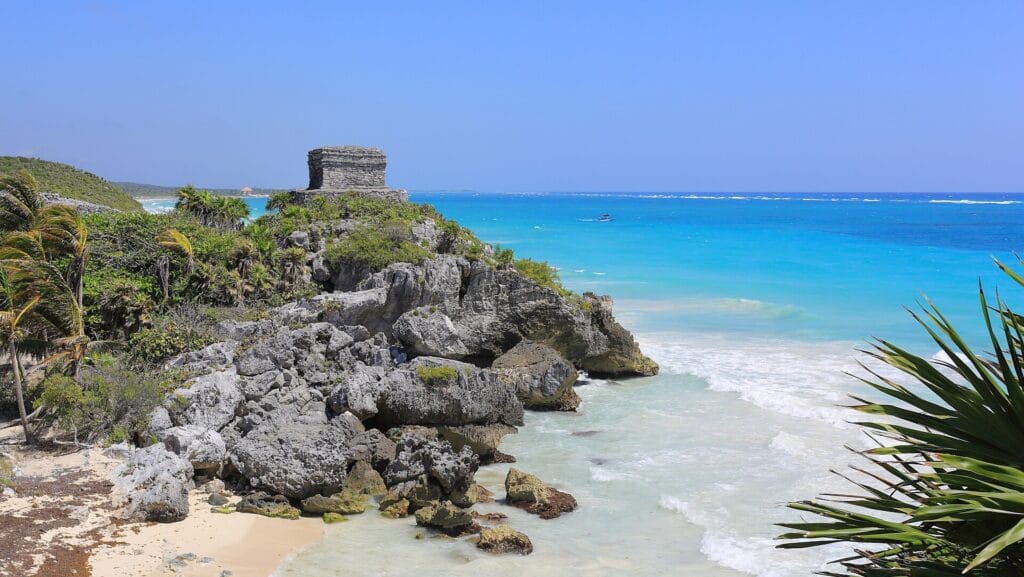
If your holiday involves a swimsuit, this is over quickly. Mexico has warm water on two coasts: powder-white Caribbean sand along the Riviera Maya, laid-back Pacific surf towns like Sayulita and Puerto Escondido, and the cenotes of the Yucatán — swimmable freshwater sinkholes in the jungle that feel genuinely otherworldly. You can swim comfortably somewhere in Mexico every month of the year. Canadian beaches exist, and locals love them, but the Pacific off British Columbia is cold enough to make you question your choices even in August.
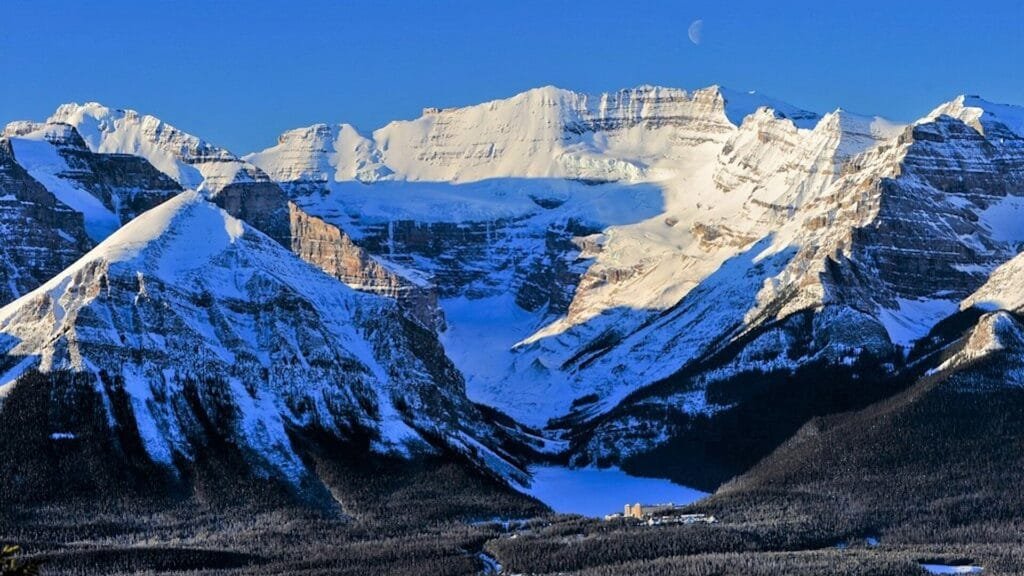
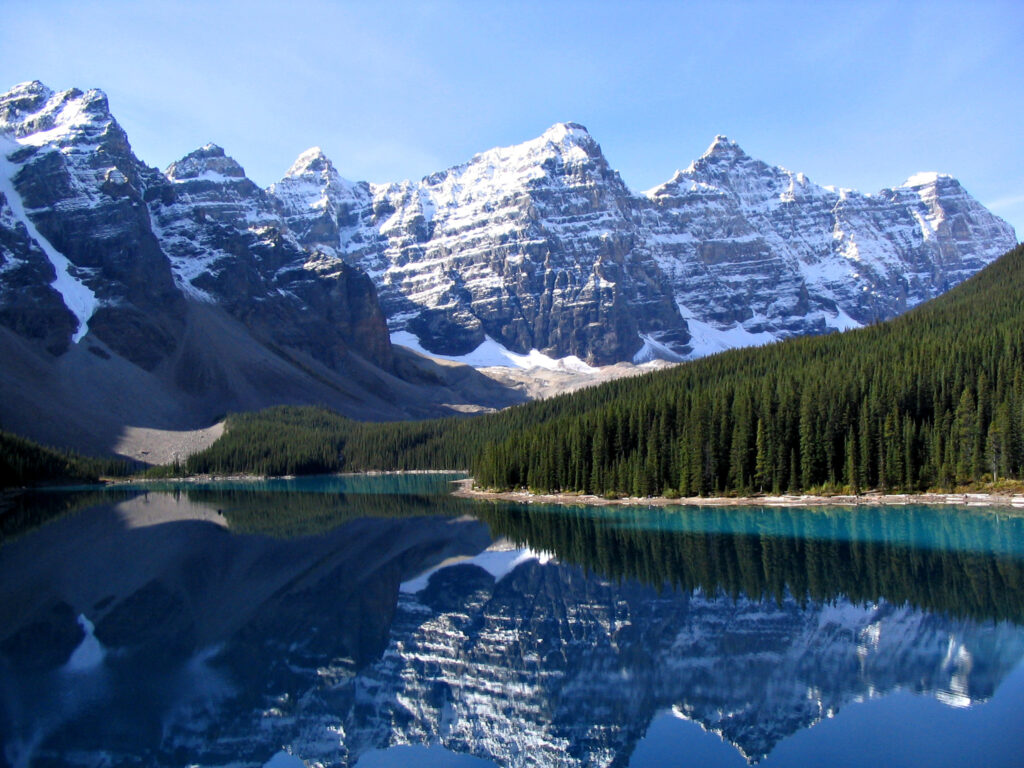
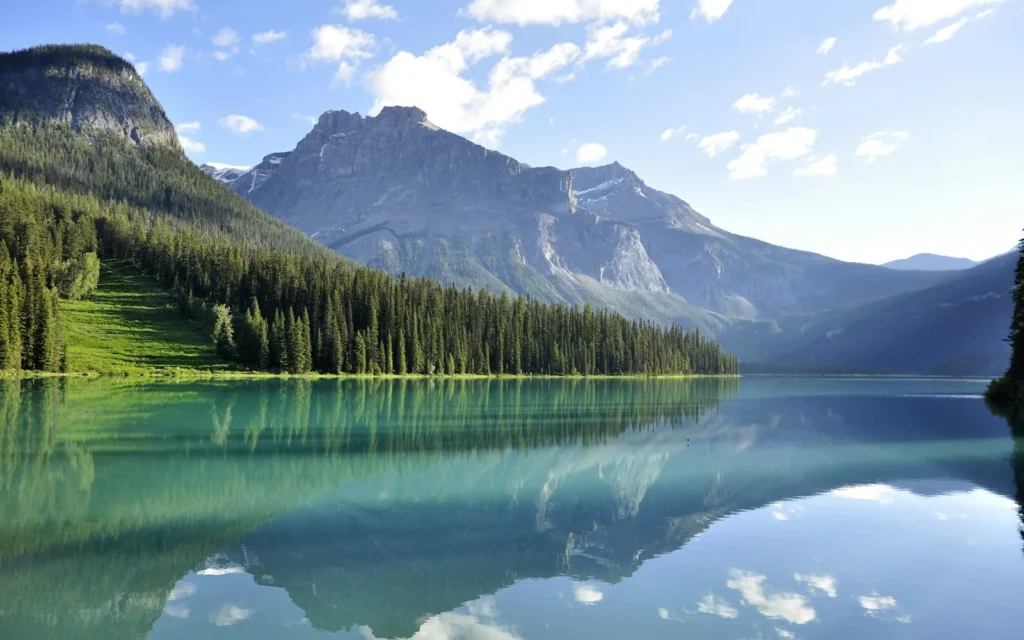
Flip the category to wilderness and Canada wins just as decisively. The scale is hard to explain until you drive it: the turquoise lakes and glacier walls of Banff and Jasper, whales breaching off Vancouver Island, a million lakes across Ontario, tides in the Bay of Fundy that move entire harbours. Mexico has real natural beauty — canyons, volcanoes, monarch butterfly forests — but nothing matches the Rockies for sheer, silencing scale.
Winner: a genuine tie. Beach trip, Mexico. Mountains and wildlife, Canada. Decide what your trip is actually for.
Cities & culture
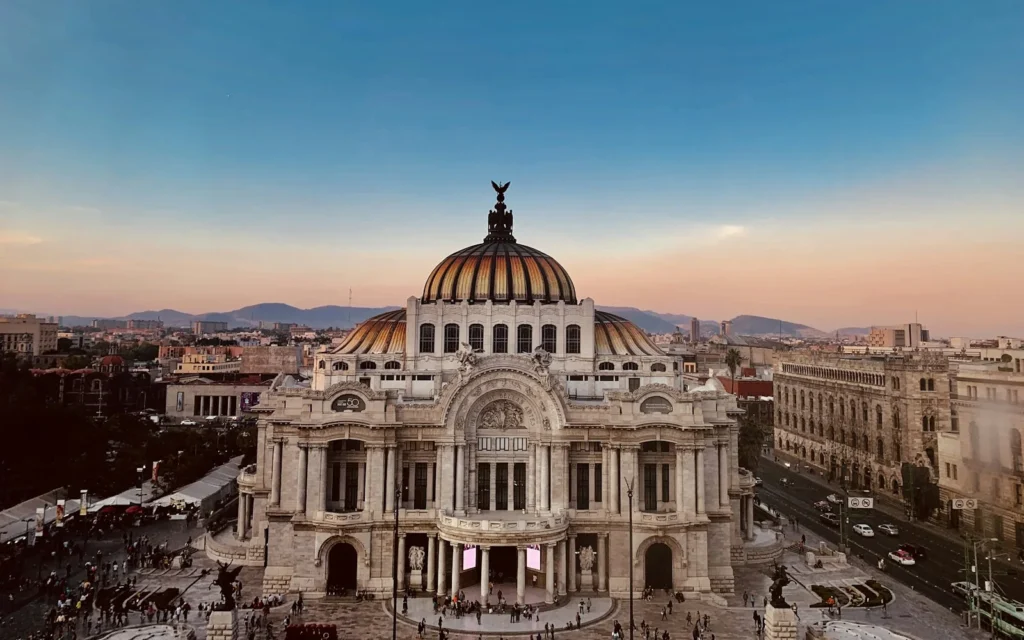
Mexico City is one of the great world capitals, full stop. Aztec ruins sit beside baroque cathedrals, the museum count borders on absurd, and neighbourhoods like Roma and Condesa are as pleasant to wander as anywhere in Europe. If you have a spare week, our guide to things to do in Mexico City barely scratches it. Beyond the capital, Oaxaca, Guanajuato and Mérida offer colonial streets, living indigenous cultures and festivals that take over entire towns.
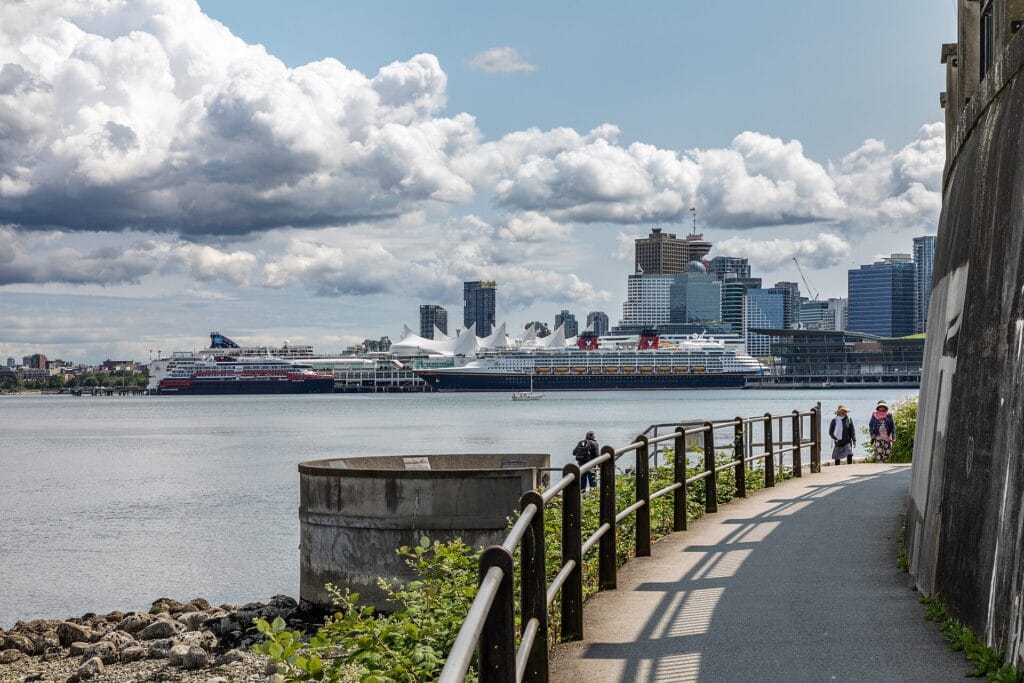
Canada’s cities are easier to love at first sight and harder to be surprised by. Montreal has real character — French-speaking, slightly rebellious, gorgeous in summer. Quebec City’s walled old town is the closest thing to Europe on this side of the Atlantic. Toronto is the world in one city, and Vancouver has the best setting of any city in North America, with mountains rising straight off the harbour; the list of things to do in Vancouver leans heavily and happily outdoors. What Canadian cities lack is depth of visible history — most of what you see is under 150 years old.
Winner: Mexico, narrowly, for the sheer historical layering. Canada if you value polish and walkable ease over antiquity.
Weather & when to go
Canada is a summer country with a winter sports side hustle. June through September is glorious — long days, warm cities, perfect hiking. May and October are a coin flip, and the deep winter is either a magical ski trip to Whistler and the Rockies or an endurance event, depending on your constitution. Visiting Toronto or Montreal in January without a specific reason is a mistake I made once.
Mexico gives you far more flexibility. The dry season from November to April is close to perfect across most of the country. May through October brings afternoon downpours, coastal humidity, and hurricane risk on the Caribbean side that peaks roughly August to October. The trick most first-timers miss: the central highlands — Mexico City, Oaxaca, Guadalajara — sit at altitude and stay mild all year. Pack a jacket for highland evenings; everyone is surprised by how cool Mexico City nights get.
Winner: Mexico, for being a twelve-month destination.
Getting around & safety
Canada is one of the easiest countries on earth to travel. Everything works, everyone queues, signage is in two languages and crime against tourists is rare enough to be newsworthy. The honest downsides are distance and cost: the country is enormous, domestic flights are expensive, the trains are scenic but slow and infrequent, and you realistically need a rental car for the national parks. Your biggest safety concern is a moose on the highway at dusk.
Mexico requires more attention and rewards it. The first-class intercity buses are genuinely excellent — comfortable, cheap, extensive — and low-cost airlines make long hops trivial. On safety, the honest answer sits between the scare headlines and the influencer denial: security varies dramatically by state. The main tourist corridors — the Yucatán, central Mexico City, Oaxaca — feel fine with normal city precautions, while a handful of states are genuinely worth avoiding. Check current US State Department advisories at the state level, not the country level, and make decisions from there.
Entry notes for US readers: no visa is needed for tourism in either country. Canada allows visits up to six months, and land crossings accept a passport card or enhanced driver’s licence, though flights require a full passport. Mexico allows up to 180 days, but the number granted is at the immigration officer’s discretion — check your stamp or digital entry record before leaving the airport. One 2026-specific note: with three countries co-hosting the World Cup this summer, airports and land borders across the region have been busier than normal, so pad your connection times through mid-July.
Winner: Canada for pure ease. Mexico is not hard; it just asks you to pay attention.
Nightlife & vibe
Mexico runs on a later, warmer clock. Dinner starts at nine, and in Mexico City the mezcalerias and cantinas of Roma Norte and Juárez keep going until the small hours. Beach towns have their own rhythm — barefoot bars, live music, sunset crowds that dissolve into dancing. Drinks are cheap, strangers talk to you, and salsa is treated as a basic life skill rather than a hobby.
Canada’s nightlife is concentrated and more expensive. Montreal is the honest exception — 3 a.m. closing times, a huge student population, and a joie de vivre the rest of the country quietly envies. Toronto has scale and variety, Vancouver has craft beer and early bedtimes. Provincial liquor rules and $10–14 drinks keep things tamer than the cities’ sizes suggest.
Winner: Mexico, unless your ideal big night out is specifically Montreal — which, in fairness, is a strong choice.
Canada or Mexico: the honest verdict
No cop-outs. Here is who should book what.
Budget travelers: Mexico, and it is a landslide. Two to three weeks in Mexico costs about the same as one week in Canada, and the cheap version of Mexico is still a rich experience rather than an exercise in sacrifice.
Foodies: Mexico. Canada’s best food cities are genuinely good; Mexico is one of the great eating countries of the world at every price point.
Beach lovers: Mexico, obviously — warm water, two coasts, year-round options. Canada is not competing in this category and knows it.
Nature and road-trippers: Canada. The Rockies, the Pacific coast and the sheer emptiness of it are unmatched anywhere in the Americas north of Patagonia.
First-timers: it depends what kind. For a nervous first trip abroad, Canada is the gentlest possible introduction — safe, familiar, frictionless. If you want to feel like you have actually gone somewhere different, Mexico delivers far more world per dollar.
If Mexico is winning your shortlist on value and you want to test it against another Latin American heavyweight, our Colombia vs Mexico comparison is the natural next read.
FAQ
Which is cheaper, Canada or Mexico?
Which is better for a football-fan trip?
Is Mexico safe for tourists?
Do US citizens need visas for Canada or Mexico?
Planning the trip? Go deeper with our Canada Travel guide and our Mexico Travel guide.
You Might Also Love
More side-by-side comparisons




Written by
John Morrison is the founder and lead travel writer at Packzup. Over the past decade he has explored destinations across Africa, the Americas, Asia, Europe, the Middle East, and Oceania — always self-funded, never on a press trip.
