
Last updated August 29, 2026 · Editorial policy
Best time to visit Patagonia: at a glance
Short answer: November to March — the southern-hemisphere summer.
| Season | Months | What to expect |
|---|---|---|
| Peak | Dec–Feb | Long days, all trails & boats open; busiest |
| Shoulder (best value) | Nov, Mar | Fewer crowds, autumn colour in March |
| Low | Apr–Oct | Winter; many trails, refuges & ferries closed |
Best Time to Visit Patagonia: Month-by-Month Guide
Quick take: Timing your Patagonia trip right makes everything better: lower prices, better weather, fewer crowds. Month-by-month reality below.
Knowing the best time to visit Patagonia can transform your trip — saving you hundreds on flights and hotels while putting you in better weather with fewer crowds. This guide breaks down each season, key events, and what to expect month by month so you can pick the right travel dates.
Festivals & Events in Patagonia
The critical window is not a festival: it is Torres del Paine refugio and campsite beds for late December through January. Prime dates often go within weeks of reservations opening for the season, so book those first and build the rest of the trip around what you get.
- Fiesta Nacional del Chocolate (National Chocolate Festival) (Mar-Apr)
- Fiesta Nacional de la Nieve (National Snow Festival) (Aug)
- Fiesta Nacional del Trekking (National Trekking Festival) (Mar)
When to Visit by Travel Goal
- Fewest crowds: May through September empties out, though most trails and refugios are closed by then. For quiet trails that are still open, October, November and the back half of March are the picks. January is the single busiest stretch.
- Festivals & culture: The Fiesta Nacional del Trekking in El Chalten lands in mid-March, right in the best shoulder weeks, and Bariloche’s Fiesta Nacional de la Nieve runs in mid-August. The Fiesta Nacional del Chocolate follows Semana Santa, so its dates move year to year.
- Budget travelers: The genuinely cheap window is May to September, but most trails, refugios and ferries are shut then. For a trip that still works, target November or the second half of March, when refugio and flight rates typically sit below the December to February peak.
What to Avoid
- Major holidays: Christmas, New Year and the whole of January fill El Calafate, El Chalten and Puerto Natales with Argentine, Chilean and Brazilian families. Semana Santa, usually late March or April, packs Bariloche, and Chile’s Fiestas Patrias around 18 September lifts Punta Arenas.
- Closures: Plenty closes here. The full O Circuit in Torres del Paine typically shuts at the end of March, and many refugios, campsites, catamarans and Carretera Austral services stand down roughly April to September. El Chalten thins out sharply; Perito Moreno stays open, but winter boat trips stop.
Booking Tips
- Patagonia’s peak runs December to February, and the domestic legs to El Calafate, Punta Arenas and Ushuaia tighten first. Aim to book roughly four to six months ahead for those months, and earlier still for Christmas and New Year. November and March typically need only two to three.
- Patagonia’s shoulders are November and March. November brings lengthening days and wildflowers, but unsettled weather and refugios only just reopening. March trades daylight for autumn beech colour and calmer wind, with one catch: the full O Circuit usually closes at the end of the month.
- Southern-hemisphere calendars are what matter here. Argentine and Chilean summer breaks run roughly late December through February, and Brazil’s January holidays overlap, which is why January is worst. The mid-July winter break drives Bariloche ski demand; northern-hemisphere summer barely registers, since that is Patagonian winter.
- Patagonia’s risk is wind and remoteness, not tropical disease. Summer gusts on exposed ridges in Torres del Paine can top 100 km/h, and flights into Punta Arenas or Balmaceda plus the Lago Pehoe catamarans are routinely delayed. Check that multi-day trekking and remote evacuation are actually covered.
Why March Often Beats Peak Summer in Patagonia
Peak summer (December to February) gets the headlines for its long days, but it hides a trade-off the brochures skip: this is also Patagonia’s windiest stretch, when gusts on exposed ridges in Torres del Paine can climb past 100 km/h and knock hikers off their stride. December delivers the payoff of roughly 17 to 18 hours of daylight and daytime highs near 14 to 20 C, yet you share the trails with the year’s largest crowds.
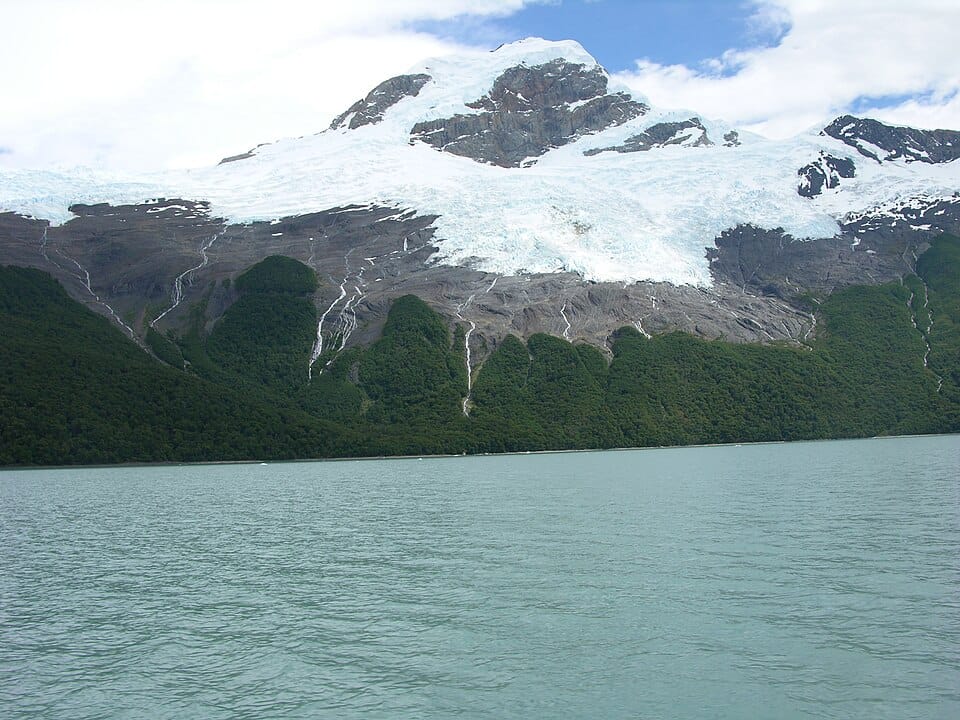
The sharper pick is March. Daytime temperatures settle around 8 to 12 C, the summer wind eases noticeably, and the lenga and nirre beech forests turn red, orange and gold against the granite peaks. Trails are quieter than January, and rates on refugios and flights run below peak. The one catch: the full O Circuit in Torres del Paine usually closes at the end of March, so book the loop early in the month and keep the shorter W trek as your fallback.
The period to skip is deep winter, May through August, when many refugios, ferries and the full circuit shut and daylight drops sharply.
- Best balance: March (autumn colour, calmer wind, thinner crowds)
- Longest days: December, around 17 to 18 hours of light
- Avoid: May to August, when access closes down
Frequently Asked Questions
Are there major festivals in Patagonia?
Yes — Patagonia hosts notable events including: Fiesta Nacional del Chocolate (National Chocolate Festival) (Mar-Apr), Fiesta Nacional de la Nieve (National Snow Festival) (Aug), Fiesta Nacional del Trekking (National Trekking Festival) (Mar). Major festivals can spike hotel prices 50-200% — book 3-6 months ahead if attending.
What should I pack for Patagonia?
Pack for the season you’re visiting and the climate zone. Summer in Patagonia: lightweight breathable clothes, sunscreen, hat, comfortable walking shoes. Winter: layers, waterproof jacket, warm accessories. Check the 10-day forecast 1-2 weeks before departure and adjust.
Related Patagonia Travel Guides
- Best Things to Do in Patagonia
- Where to Stay in Patagonia
- Best Food in Patagonia
- How Much Does a Trip to Patagonia Cost?
- Patagonia Itinerary Guide
Torn between destinations? See our honest, first-hand comparisons: Patagonia vs New Zealand, Patagonia vs Dolomites, Patagonia vs Banff.
Patagonia weather & climate by month
Best months to visit: January, February, June. Patagonia’s warmest month is February (avg 17°C / 63°F), the coolest is July (low -2°C / 28°F). The wettest is April (65 mm) and the driest is January.
| Month | Avg high | Avg low | Rainfall | Rainy days |
|---|---|---|---|---|
| January | 17°C / 62°F | 10°C / 49°F | 36 mm | 8 |
| February | 17°C / 63°F | 10°C / 50°F | 44 mm | 8 |
| March | 14°C / 57°F | 8°C / 46°F | 51 mm | 10 |
| April | 11°C / 51°F | 5°C / 42°F | 65 mm | 11 |
| May | 7°C / 45°F | 3°C / 37°F | 50 mm | 10 |
| June | 4°C / 40°F | -0°C / 31°F | 35 mm | 8 |
| July | 3°C / 37°F | -2°C / 28°F | 45 mm | 9 |
| August | 4°C / 39°F | -1°C / 29°F | 55 mm | 12 |
| September | 7°C / 44°F | 1°C / 34°F | 40 mm | 8 |
| October | 10°C / 50°F | 4°C / 38°F | 47 mm | 9 |
| November | 13°C / 55°F | 6°C / 44°F | 44 mm | 10 |
| December | 16°C / 60°F | 9°C / 48°F | 33 mm | 9 |
Climate source: Open-Meteo ERA5 reanalysis (2019–2023). Compare destinations in the Best Time to Visit Index.
You Might Also Love


Written by
Drew Treasury is a contributing travel writer at Packzup, specialising in city culture, food markets, street art, and neighbourhood-level travel.
