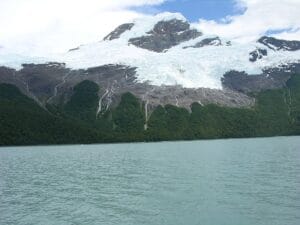
Patagonia is the end of the world, and it looks the part. Shared between Argentina and Chile at the southern tip of South America, this vast wilderness of glaciers, granite spires, steppes, and fjords is one of the last truly wild landscapes on earth. Torres del Paine’s towers and Fitz Roy’s jagged peaks are the headline attractions, but the Perito Moreno glacier calving bus-sized chunks of ice into a lake, penguin colonies on the Atlantic coast, and the sheer emptiness of the steppe — where guanacos outnumber people and the wind never stops — create a journey that redefines your sense of scale. It is remote, expensive, and worth every kilometre.
- Trek the W Circuit in Torres del Paine
- Watch Perito Moreno Glacier Calve
- Hike to Mount Fitz Roy Base Camp
- Cruise the Beagle Channel from Ushuaia
- Visit the Penguin Colonies at Punta Tombo
- Drive Ruta 40 Through the Steppe
- Kayak to Grey Glacier in Torres del Paine
- Watch Whales at Puerto Madryn
- Eat Patagonian Lamb Asado
- Explore the Lake District Around Bariloche
- Hike to the Marble Caves on Lago General Carrera
- Stay at a Working Estancia
1. Trek the W Circuit in Torres del Paine
The W Trek is the most iconic multi-day hike in South America — four to five days through Torres del Paine National Park past granite towers, the Grey Glacier, the French Valley amphitheatre, and turquoise lakes. Refugios (mountain lodges) along the route provide beds and meals for 50,000-90,000 CLP per night, or bring a tent for designated campsites (free to 12,000 CLP). Park entry is 38,000 CLP for foreigners. Book refugios months ahead for December-February. The Torres Base viewpoint sunrise, reached by a pre-dawn climb, is the emotional climax.
2. Watch Perito Moreno Glacier Calve
The 30-kilometre-long Perito Moreno Glacier near El Calafate is one of the few glaciers in the world still advancing, and watching house-sized chunks of ice break off the 60-metre wall into Lago Argentino with a thunderous crack is one of nature’s greatest spectacles. The boardwalk viewing platforms cost 1,500 ARS entry. Mini-trekking on the glacier surface costs 35,000-50,000 ARS including crampons and a guide. The glacier is most active in the afternoon when temperatures peak. Budget an entire day.
3. Hike to Mount Fitz Roy Base Camp
The 22-kilometre return trail from El Chalten to Laguna de los Tres beneath the needle-sharp summit of Fitz Roy is one of the world’s great day hikes. The final steep scramble to the lagoon reveals the granite spires reflecting in turquoise glacial water. Start at 6 AM for the best light on the peaks. The trail is free — no park entry fee in the El Chalten zone. The weather is notoriously changeable; bring layers for four seasons in one day. Clear views of Fitz Roy happen perhaps 30% of the time.
4. Cruise the Beagle Channel from Ushuaia
Ushuaia, the world’s southernmost city, sits on the Beagle Channel surrounded by snow-capped peaks and sub-Antarctic forests. Catamaran cruises from the harbour pass sea lion colonies, cormorant islands, and the Les Eclaireurs lighthouse (often mistakenly called the End of the World lighthouse). Half-day cruises cost 15,000-25,000 ARS. The Tierra del Fuego National Park, 12 kilometres west, has trails through lenga forests to the shore. The End of the World post office stamps your passport as a souvenir.
5. Visit the Penguin Colonies at Punta Tombo
The largest Magellanic penguin colony outside the Falklands, with up to 200,000 breeding pairs between September and April, is 107 kilometres south of Trelew on the Atlantic coast. A boardwalk trail winds through the colony, with penguins waddling past at arm’s length and burrows visible along the paths. Entry is 4,000 ARS. The best time is November through January when chicks are hatching and being fed. Combine with whale watching at Puerto Madryn if visiting June through December.
6. Drive Ruta 40 Through the Steppe
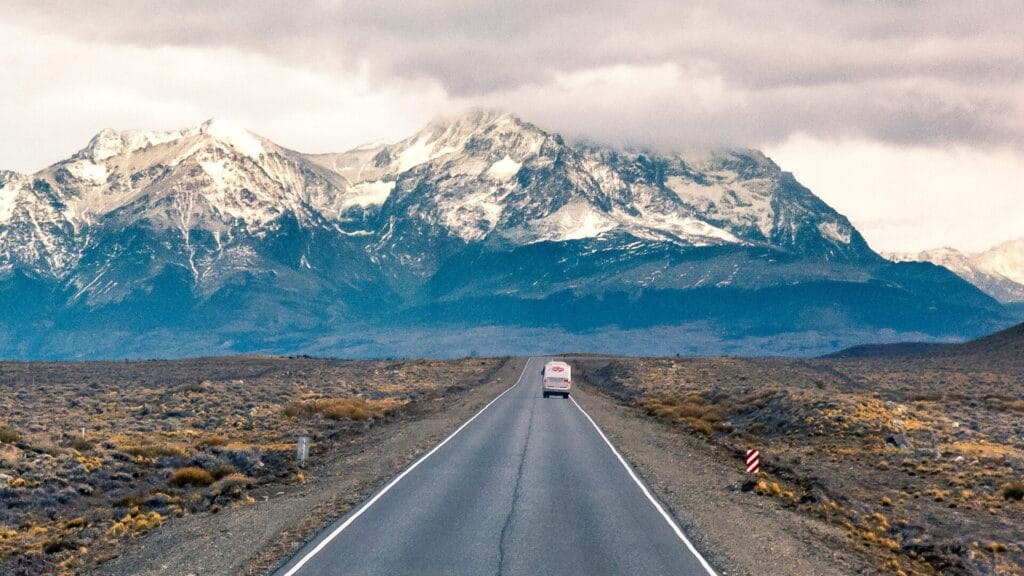
Argentina’s legendary Route 40 runs 5,000 kilometres along the Andes, and the Patagonian section between El Calafate and Bariloche crosses 1,600 kilometres of windswept steppe with virtually no traffic, no trees, and no phone signal — just guanacos, rheas, and the occasional estancia. Fuel up at every station — gaps of 200-300 kilometres between pumps are common. The isolation and scale are the point. The section near Lago Posadas and the Cueva de las Manos (cave paintings from 9,000 years ago) are highlights.
7. Kayak to Grey Glacier in Torres del Paine
Paddling across Lago Grey in a sea kayak between floating icebergs calved from the Grey Glacier is a surreal, once-in-a-lifetime experience. Guided kayak tours operate from October to March and cost 90,000-120,000 CLP per person for a half-day. The blue ice of the icebergs is almost electric in colour and the scale of the glacier wall from water level is humbling. No previous kayak experience required. Dry suits are provided against the glacial water temperature.
8. Watch Whales at Puerto Madryn
The Valdes Peninsula near Puerto Madryn is one of the world’s best whale-watching destinations. Southern right whales arrive from June through December to breed and calve in the sheltered bays. Boat tours from Puerto Piramides cost 12,000-18,000 ARS and approach within metres of the whales. Orcas intentionally beach themselves to hunt sea lion pups at Punta Norte — one of the most dramatic predator events in nature, best seen March through April.
9. Eat Patagonian Lamb Asado
Cordero patagonico — whole lamb splayed on a metal cross and slow-roasted beside an open fire for four to six hours — is the signature dish of the region. The wind-whipped grass produces lamb with a distinctive, sweet flavour. Estancias (ranches) throughout Patagonia serve it for guests, typically as part of a gaucho demonstration. In El Calafate, La Tablita and La Zaina grill lamb and other meats. Budget 8,000-15,000 ARS for a substantial lamb meal with Malbec. The crispy skin is the prize.
10. Explore the Lake District Around Bariloche
The northern Patagonian lake district around San Carlos de Bariloche is a landscape of glacial lakes, Valdivian rainforest, and snow-capped volcanoes that earns its nickname the Argentine Switzerland. The Circuito Chico driving loop passes viewpoints over Lago Nahuel Huapi. Cerro Campanario chairlift offers the most celebrated panorama for 5,000 ARS. Bariloche’s main street is lined with artisanal chocolate shops — Rapa Nui and Mamuschka are the best. The Arrayanes Forest on Victoria Island has cinnamon-barked trees found almost nowhere else.
11. Hike to the Marble Caves on Lago General Carrera
On the Chilean side, the Marble Caves (Capillas de Marmol) are water-sculpted marble formations rising from the turquoise water of Lago General Carrera. Boat tours from Puerto Rio Tranquilo enter the caves and cathedral-like chambers where swirling blue, grey, and white marble walls are reflected in the clear lake water. Tours cost 15,000-25,000 CLP for 90 minutes. Morning light creates the most vivid blue reflections. The lake’s colour comes from glacial flour and is most intense in spring.
12. Stay at a Working Estancia
Patagonian estancias (ranches) offer overnight stays that combine gaucho culture, horseback riding across the steppe, lamb asado, and accommodation in converted ranch houses. Estancia Cristina near Perito Moreno is reached by boat across Lago Argentino and includes glacier viewpoints. Nibepo Aike near El Calafate offers gaucho demonstrations and sheep shearing. Expect 80,000-150,000 ARS per night all-inclusive. The isolation, hospitality, and stargazing from the ranch are the real draws.
Practical Tips for Patagonia
Check our full Patagonia travel guide for detailed tips on transport, safety, money, and the best time to visit. For food recommendations beyond this list, see our Patagonia food guide.
Frequently Asked Questions
What are the top things to do in Patagonia?
The must-do experiences include Trek the W Circuit in Torres del Paine, Watch Perito Moreno Glacier Calve, and Visit the Penguin Colonies at Punta Tombo. Patagonia also offers incredible food, vibrant culture, and unforgettable landscapes.
How many days do you need in Patagonia?
We recommend at least 4 to 5 days to cover the highlights, though a week or more lets you explore at a relaxed pace and reach more remote areas.
Is Patagonia safe for tourists?
Patagonia is generally safe for tourists who take normal precautions. Stay aware of your surroundings in crowded areas and keep valuables secure.