
Last updated August 21, 2026 · Editorial policy
Quick answer: Kichijoji is Tokyo’s most liveable neighbourhood (locals vote it so, perennially): Inokashira Park’s swan boats and cherry trees, the Ghibli Museum on its forested edge, the Showa-era Harmonica Yokocho alleys and shopping streets that feel like a small happy city.
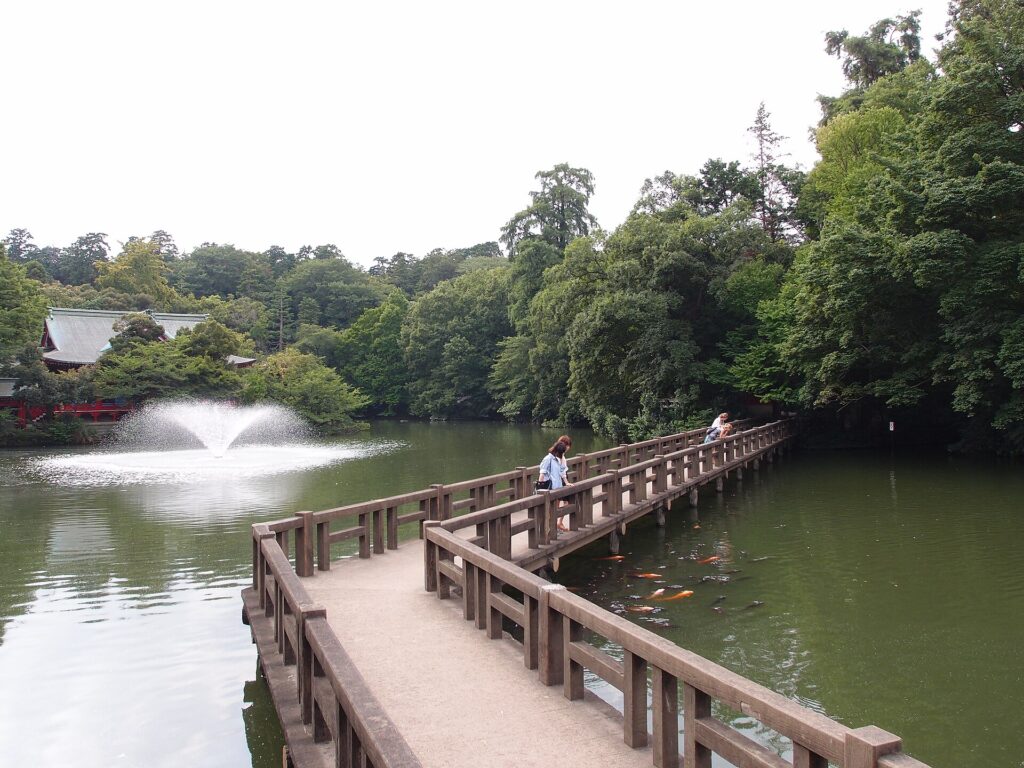
Inokashira Park
The lake is the heart: rent a swan pedal-boat (local legend warns couples; rowers risk it), watch buskers on weekends and circle the water under some of Tokyo’s best cherry blossoms. The small zoo and shrine to Benzaiten round the loop.
The Ghibli Museum
Miyazaki’s storybook museum sits on the park’s southern edge: hand-drawn magic, a rooftop robot soldier and an exclusive short film: tickets are sold in advance only and vanish fast: book the official lottery/release months ahead.
Harmonica Yokocho
A post-war market alley compressed into lantern-lit drinking lanes: yakitori smoke, standing bars two-mats wide and decades of patina: tiny, friendly and best after dark.
Sun Road & the shopping maze
Covered arcades, depachika-grade food halls, indie bookstores and the dessert crawl (mochi, cream puffs, famous croquettes): errands elevated to entertainment.
Jazz & kissaten
Kichijoji keeps Tokyo’s jazz-cafe flame: listening bars with serious vinyl and pour-overs: an afternoon institution when the park turns rainy.
Getting there
Fifteen minutes from Shinjuku (JR Chuo line) or direct from Shibuya (Inokashira line, the prettier ride). Combine morning park, museum slot, alley evening: and book Ghibli before flights, not after.
Eat and shop like a local, not a tourist
Kichijoji rewards people who skip the obvious. For dinner, walk to Iseya Koen-ten, the yakitori shop right at the Inokashira Park entrance that has grilled chicken and offal since 1928. Skewers run about ¥100 each, it seats roughly 350, and it stays open through rain and typhoons, so it is the reliable fallback when Harmonica Yokocho’s tiny standing bars fill up after 5pm. The food is cheap, smoky, and genuinely good, not a tourist trap.
For the quirky side, head north of the station to Kichijoji Petit Mura (2-33-2 Kichijoji Honcho), a free-to-enter, fairytale-style cluster of cat-themed shops. Inside, Tokotoko Zakka-ten sells original cat-design stationery and kitchen knick-knacks; it is the best souvenir-hunting in the neighborhood and costs nothing to browse.
- Iseya Koen-ten: ~¥100 per skewer, year-round, at the park gate.
- Harmonica Yokocho: comes alive after 5pm, not before.
- Petit Mura: free entry, north of the station, best mid-afternoon between park and dinner.
My order of the day: park in the morning, Petit Mura mid-afternoon, then Iseya or the alley once the lanterns switch on.
Satou: The Wagyu Menchi-Katsu Worth Queuing For
The single most famous bite in Kichijoji comes from Steak House Satou, a black-Wagyu butcher a one-minute walk from the station’s North Exit. The ground-floor shop deep-fries its legendary menchi-katsu — a fist-sized fried beef-and-onion patty branded the “Menchi Meat Ball” — using a blend of premium Japanese beef including Matsusaka. It costs roughly 240 to 250 yen (about $1.60), with a small discount if you buy several at once. Their croquette is a past winner at the national Croquette Grand Prix and is a little cheaper still.
- The queue is real. The menchi-katsu line regularly runs 30 minutes to over an hour and can stretch across the street. If you only want croquettes, you can often skip the longer wait — they’re sold from the same counter without the full menchi line.
- Purchase caps apply: the shop limits how many menchi-katsu one person can buy, with a lower cap on weekends and holidays than on weekdays, so don’t plan on stockpiling.
- Eat it standing on the spot while it’s molten-hot — the meat juice genuinely bursts out, so hold it over the paper wrapper.
If you’d rather sit, the same beef becomes proper steak upstairs at the second-floor restaurant. But the street patty, eaten curbside, is the authentic Kichijoji rite of passage.
Ozasa: A Legendary Yokan Sold Before Dawn
Tucked at the entrance to Harmonica Yokocho sits Ozasa, a tiny sweets counter open since 1951 that has become one of the hardest-to-buy treats in all of Tokyo. Its signature yokan — a dense, near-black block of sweetened red-bean jelly — is capped at just 150 pieces per day, three per customer, at 675 yen (about $4.35) each.
- The ticket system is brutal and beloved. Regulars line up before dawn — some from 2 a.m. — for numbered tickets handed out at 8:15 a.m. You then return between 10 a.m. and 6 p.m. to collect the yokan. Miss the ticket window and you’re out of luck.
- The easy alternative: Ozasa’s monaka (crisp wafer sandwiches filled with red- or white-bean paste) are not rationed. Expect roughly 335 yen for five or 670 yen for ten — but they still sell out, often by mid-afternoon.
If you’re not willing to sacrifice a night’s sleep, come early for the monaka instead; they carry the same handmade quality without the pre-dawn commitment. Ozasa is proof that in Kichijoji, the most coveted things are small, unassuming, and gone before lunch.
Petit Mura and the Practicalities of Getting Here
A short walk from the East Exit hides Kichijoji Petit Mura, a storybook “village” of crooked cottages, cat statues, and boutiques built around a fairytale theme. Entry to the complex is free, and its centerpiece is the cat cafe Temari no Oshiro, home to around two dozen cats roaming a picture-book, castle-themed interior.
- Cat cafe admission: 1,200 yen (about $7.75) weekdays, 1,600 yen (about $10.30) weekends and holidays, or a bargain 700 yen after 7 p.m. There’s no time limit, plus a full menu of coffee, tea, food, and even alcohol.
Getting to Kichijoji is refreshingly simple:
- From Shinjuku, take the JR Chuo Line Rapid — roughly 15 minutes for about 260 yen (around $1.70). Just make sure you board a standard Rapid; the Special Rapid trains skip Kichijoji.
- From Shibuya, the Keio Inokashira Line runs to Kichijoji in about 20 minutes for around 230 yen (roughly $1.50), depositing you steps from Inokashira Park.
Everything worth seeing sits within a 10-minute walk of the station, so leave the taxi apps closed. Come on a weekday morning: the shopping streets are calm, the queues are shortest, and the neighborhood feels like the local Tokyoites’ secret it genuinely is.
You Might Also Love
More things to do in Japan



Written by
John Morrison is the founder and lead travel writer at Packzup. Over the past decade he has explored destinations across Africa, the Americas, Asia, Europe, the Middle East, and Oceania — always self-funded, never on a press trip.
