
5-Day Tokyo Itinerary: Day-by-Day Plan
Quick answer: This 5-day Tokyo itinerary covers the highlights without rushing, with day-by-day plans, restaurant recommendations, and budget guidance.
Planning a trip to Tokyo? This itinerary is built from a first-time-visitor perspective: hit the icons, eat the best food, and finish with memorable experiences. Each day mixes a major sight, food stops, and downtime.
Tokyo Itinerary at a Glance
| Day | Focus |
|---|---|
| Day 1 | Arrival & Old Town walking |
| Day 2 | Top museum + iconic landmark |
| Day 3 | Hidden neighborhoods + food tour |
| Day 4 | Day trip outside the city |
| Day 5 | Outdoor adventure or beach |
Day-by-Day Itinerary
Day 1: Arrival & Old Town walking
Arrive, check in, freshen up. Light walking tour of the historic old town to orient yourself. Identify cafes you'd like to revisit. Early dinner at a recommended local restaurant. Sleep early — recover from travel.
Day 2: Top museum + iconic landmark
Morning: visit the city's #1 museum (book online). Lunch nearby. Afternoon: the iconic landmark/monument. Evening: rooftop bar or sunset viewpoint, dinner.
Day 3: Hidden neighborhoods + food tour
Morning: explore a less-touristed neighborhood. Try a 2-3 hour food walking tour at lunchtime. Afternoon: nap or coffee. Evening: dinner in another neighborhood.
Day 4: Day trip outside the city
Many destinations have a famous day trip 1-2 hours away. Research the top option and dedicate a full day. Return for dinner.
Day 5: Outdoor adventure or beach
Half-day outdoor activity. Bring water, sunscreen, comfortable shoes. Lunch at trail/beach. Afternoon rest. Evening: casual dinner.
Budget Breakdown (5 Days)
| Category | Budget | Mid-Range | Luxury |
|---|---|---|---|
| Hotel (per night) | $60-130 | $140-280 | $300-700 |
| Food (per day) | $20-40 | $50-90 | $120-300 |
| Activities (per day) | $10-30 | $40-80 | $100-300 |
| Local transport (per day) | $5-15 | $15-30 | $40-100 |
Totals exclude international flights. Add $500-1,500 round-trip from US/Europe.
What days 4 and 5 actually add to a Tokyo trip
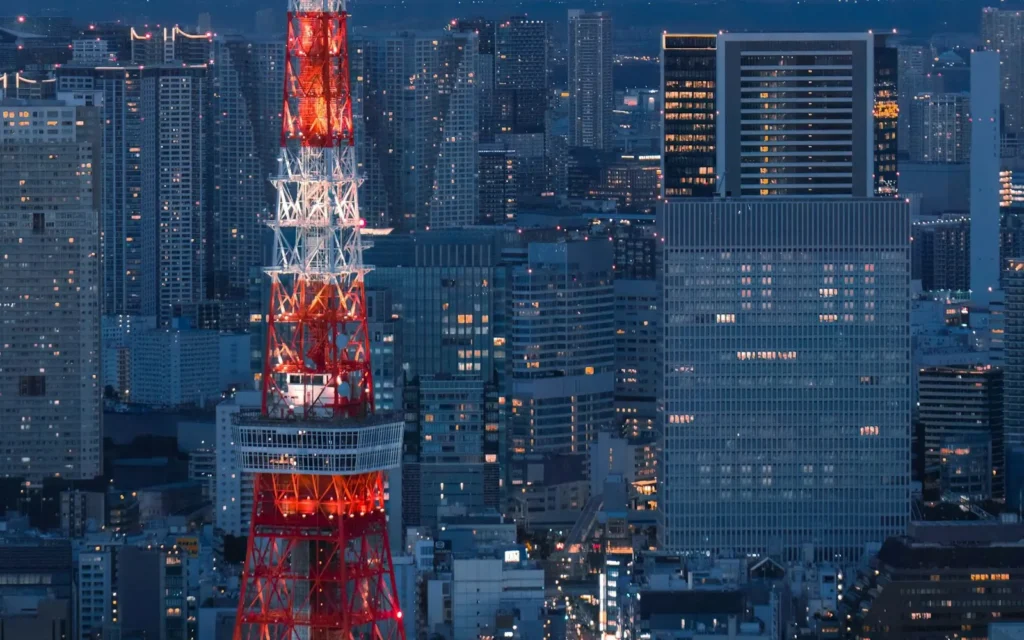
Days four and five buy range rather than more of the same city. Three days covers central Tokyo at a brisk pace, so the fourth day is where a trip out of the city becomes possible without cutting into the core, and the fifth is where the trip stops running as a checklist.
Day four is the excursion slot because journey times out of Tokyo are short enough to justify the ride. The Odakyu Romancecar reaches Hakone-Yumoto from Shinjuku in around 80 minutes. The JR Yokosuka Line runs from Tokyo Station to Kamakura in a little under an hour. Tobu limited express services leave Asakusa for Tobu-Nikko once or twice an hour and take about two hours. The Fuji Excursion limited express connects Shinjuku with Fuji-Kawaguchiko in roughly one hour fifty-five, but there are only about four round trips a day, so that one needs booking ahead rather than a same-morning decision.
Day five works better as a slower city day than a second excursion. First-time visitors tend to arrive under-slept and over-scheduled, and a fifth day spent in one or two low-rise districts absorbs jet lag, a change in the weather, and the shopping that never happened. Families and anyone travelling with older parents get more from that than from a second two-hour train ride. Repeat visitors often flip the pattern and spend both days outside the city.
How to sequence five days without crossing Tokyo twice
Group each day by rail geography rather than by attraction ranking. Tokyo's sights sit in clusters along the Yamanote loop and the subway lines that cut across it, and the largest single time loss on a five-day trip is doubling back through the middle of the city in the afternoon.
Put the excursion on day four and match the departure station to where the hotel already sits. Hakone and Fuji-Kawaguchiko both leave from Shinjuku. Nikko leaves from Asakusa. Kamakura is about 57 minutes from Tokyo Station and about 47 from Shinagawa. Booking a room near whichever hub the day trip uses removes a cross-town transfer at both ends of an already long day.
Day five suits a walking route through adjacent low-rise districts rather than a second wide sweep. Kagurazaka sits on the Tokyo Metro Tozai and Toei Oedo lines, and Kiyosumi-Shirakawa is on the Hanzomon and Oedo lines, so the Oedo line joins the two without a change. Yokohama is about half an hour from Tokyo Station for anyone who wants one more change of scene on a short leash.
Pacing mistakes first-timers make across five days
The most common mistake is treating day five as spare capacity and filling it the night before. Five-day Tokyo trips lose time in a few predictable places, and each one is avoidable at the planning stage.
Buying the wrong transport product is the first. The Tokyo Subway Ticket covers the 13 Tokyo Metro and Toei Subway lines and nothing beyond them, so it excludes JR services including the Yamanote loop, the private railways, and the Yurikamome line out to the bay. A Suica or Pasmo IC card works across JR, subway, private railways and buses, which is what most five-day routings actually use. Anyone who buys the subway pass and then plans a Yamanote-based day ends up paying twice.
Stacking two long excursions back to back is the second. Nikko and Fuji-Kawaguchiko each run around two hours out and two hours back, so doing both puts roughly eight hours on trains inside a five-day trip.
Treating Kyoto as a day out is the third. The Nozomi covers Tokyo to Kyoto in about two hours fifteen, which makes the round trip alone close to four and a half hours before anything is seen. It reads better as an overnight, which also removes the pressure of being back at a Tokyo platform by a fixed evening departure.
Frequently Asked Questions
Is 5 days enough for Tokyo?
For first-time visitors, 5 days in Tokyo covers the main highlights without rushing. If you want to add day trips, slower pace, or hidden gems, plan 2-3 more days.
How much will a 5-day Tokyo trip cost?
What's the best time for this Tokyo itinerary?
Shoulder seasons offer the best balance of weather, crowds, and prices for Tokyo.
How do I get around Tokyo?
Most destinations have reliable public transit. Use rideshare apps or rental car as needed.
What should I pack for 5 days in Tokyo?
Layers, comfortable walking shoes, weather-appropriate outerwear, basic toiletries, travel documents.
Should I book hotels in advance?
Yes — book 6-12 weeks ahead for best rates. Central locations save commute time.
Related Tokyo Travel Guides
Best time to visit Tokyo (real climate data)
Best months: April, May, June, July, September, October.
Tokyo’s warmest month is August (avg 32°C / 90°F), the coolest is January (low -0°C / 32°F). The wettest is October (235 mm) and the driest is February.
Source: Open-Meteo / WMO climate normals (WMO 1991–2020, or ERA5 2019–2023 where unavailable). See the full month-by-month weather →
You Might Also Love



Trip prep: before you travel, plan what to wear, check the tap water, sort your mobile data, and see if it is a cash or card country, and skim local etiquette.
