
Last updated September 11, 2026 · Editorial policy
- Cost comparison: what you'll actually spend
- Beaches: postcard sand vs dramatic coves
- Scenery, hiking and adventure: no contest
- Food and drink: Barbados runs away with it
- Resorts and where to stay
- Nightlife and island vibe
- Weather & when to go
- Getting there & around
- St Lucia or Barbados: the honest verdict
- FAQ
St Lucia vs Barbados is one of those decisions that looks trivial from the outside — two sunny Caribbean islands a short regional flight apart, with similar flight times from the US East Coast and the UK — and then you start researching and realize they’re almost opposites. St Lucia is the dramatic one: volcanic peaks rising straight out of the sea, a rainforest interior, dark-sand coves, and cliffside resorts built for people who want to stare at the Pitons over breakfast. Barbados is the easy one: a flatter coral island ringed with soft pale sand, calm west-coast water, a public bus that costs pocket change, and a rum and food culture that locals actually participate in rather than something staged for visitors.
I’m not going to hedge here. After doing the winding taxi rides in St Lucia and the Friday-night fish fry in Barbados, I’m convinced most travelers lean clearly one way within ten minutes of honest reading. We’ve refereed plenty of these matchups — from Italy vs Spain to Morocco vs Egypt — and this pair has an unusually clean answer once you know what kind of trip you’re actually taking. Here’s the full breakdown, with realistic costs and a verdict that commits.
| Category | St Lucia | Barbados | Winner |
|---|---|---|---|
| Beaches | Pretty but mixed; some volcanic sand | Soft pale sand, calm west coast, all public | Barbados |
| Scenery & natural drama | The Pitons, rainforest, waterfalls | Gentle coral island, wild east coast | St Lucia |
| Food & drink | Good creole cooking, resort-heavy | Fish fry, rum shops, strong restaurant scene | Barbados |
| Resorts & romance | Cliffside icons with Piton views | Polished but conventional | St Lucia |
| Adventure & hiking | Gros Piton, mud baths, ziplines | Caves, surfing, catamarans | St Lucia |
| Nightlife & social scene | One great street party, quiet otherwise | St Lawrence Gap, Oistins, Crop Over | Barbados |
| Ease of getting around | Steep, winding, taxi-dependent | Flat roads, cheap reliable buses | Barbados |
| Value for money | Transport and resort costs add up | More options at every budget | Barbados |
Cost comparison: what you’ll actually spend
Let’s kill one myth immediately: neither of these is a cheap island. If you want maximum Caribbean per dollar, that’s the Dominican Republic or Mexico’s coast, not the Eastern Caribbean. But within the pair, Barbados is meaningfully easier on a normal budget, mostly because it has an actual middle tier.
In Barbados, a budget traveler staying in a south-coast guesthouse or self-catering apartment, riding the public buses, and eating cutters and fish from local spots can realistically do it on around $100–150 per person per day. Midrange — a decent hotel near the beach, restaurant dinners, a catamaran trip — lands around $200–300. The west coast is another universe: the glossy resorts and their restaurants will happily absorb $500–800 a day and beyond.
St Lucia’s floor is higher because the island fights you on logistics. Guesthouses exist, but distances are awkward and taxis are expensive, so a realistic budget is more like $130–180 per person per day. Midrange runs $250–400, and a lot of people just book all-inclusive because it simplifies the math — at the cost of locking you inside the resort. The famous Soufrière properties with the open-wall rooms and Piton views start around $600 a night and climb well past $1,000 in high season.
The hidden cost in St Lucia is transport: the airport transfer from Hewanorra to the northern resorts commonly runs somewhere around $80–100 each way, and every dinner outside your resort means another taxi. The hidden cost in Barbados is temptation — the west-coast restaurants charge London prices. As with our Croatia vs Portugal comparison, which island is “cheaper” depends more on how you travel than where you land, but the honest average verdict is Barbados.
Beaches: postcard sand vs dramatic coves
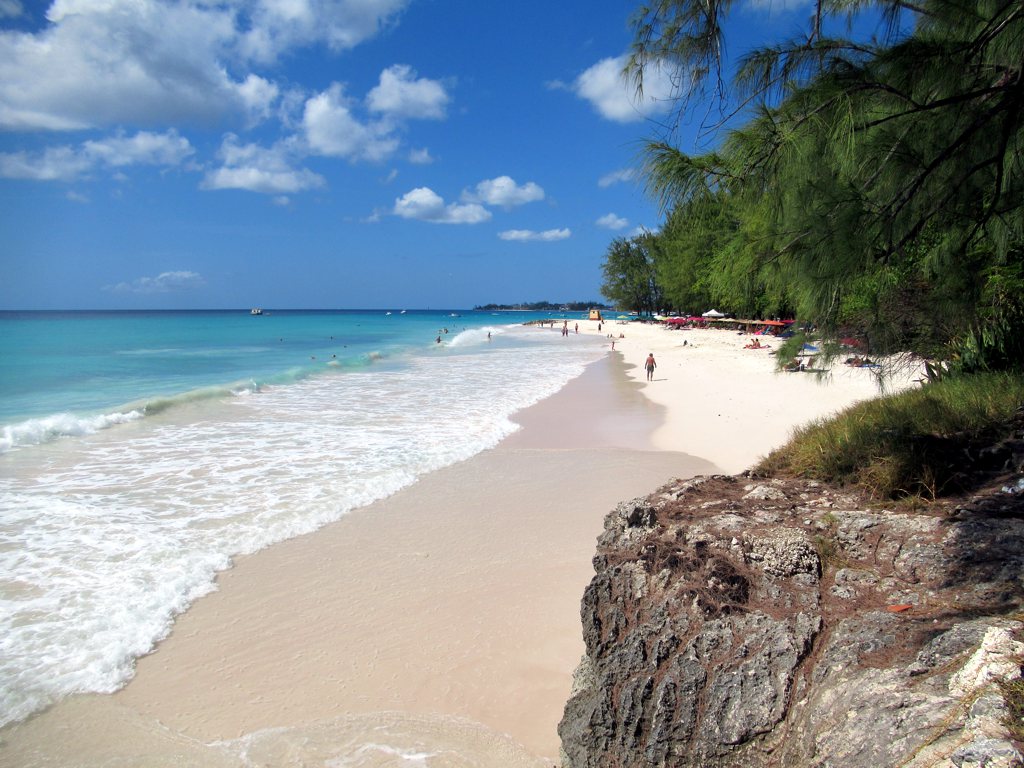
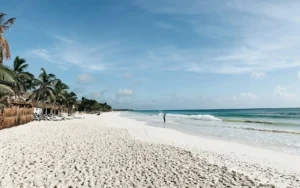
If your holiday is 80 percent beach, book Barbados and stop reading. Every beach on the island is public by law, the west coast (Paynes Bay, Mullins) is calm, clear, swimming-pool gentle water, and the south coast (Carlisle Bay, the Rockley and Miami Beach stretch) balances soft sand with a bit more energy. You can swim with sea turtles off Carlisle Bay, and the wild east coast around Bathsheba — not really for swimming — gives you a rugged Atlantic afternoon when the calm gets boring.
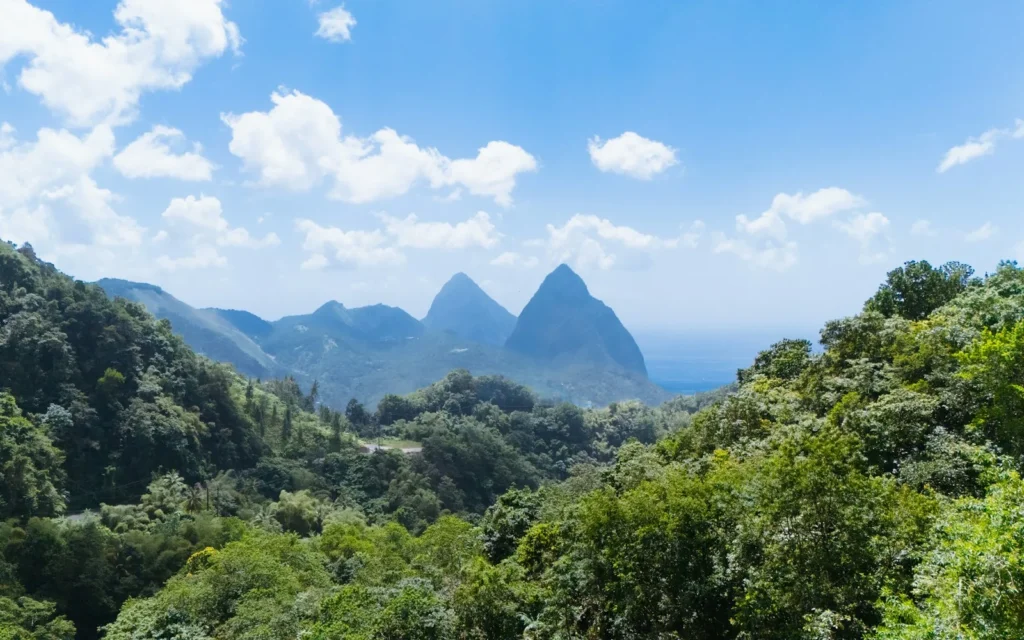
St Lucia’s beaches are lovely in photos and more complicated in person. The island is volcanic, so several beaches have grey or dark golden sand, which some people find atmospheric and others find disappointing. Reduit Beach in Rodney Bay is the dependable classic, Anse Chastanet has superb snorkeling right off the sand, and Sugar Beach sits in an absurdly beautiful spot between the Pitons — though its whitest sand was famously brought in rather than born there. The beaches are a supporting actor in St Lucia; in Barbados they’re the headliner.
Scenery, hiking and adventure: no contest
Here St Lucia wins so decisively it almost feels unfair. The Pitons are the single most dramatic sight in the Eastern Caribbean, and climbing Gros Piton — a guided, sweaty half-day — is the kind of thing you’ll still be talking about years later. Add the drive-in volcano and mud baths at Sulphur Springs near Soufrière, the Tet Paul Nature Trail with its ridiculous viewpoints, Diamond Falls, rainforest ziplining, and simply the roads themselves, which twist through green mountains the whole way.
Barbados is a low coral island, and it plays the hand it has: Harrison’s Cave is a genuinely good underground tram tour, the Animal Flower Cave sits under the northern cliffs, and the Soup Bowl at Bathsheba is a legitimate surf break with real pedigree. Catamaran cruises with snorkeling stops are the default day out, and they’re fun. But nothing in Barbados will make you gasp. If “wow” is the point of your trip, this category alone might settle the argument.
Food and drink: Barbados runs away with it
Barbados has one of the most complete food cultures in the Caribbean, and crucially, it’s a culture you can actually join. Friday night at Oistins Fish Fry is grilled marlin, mahi-mahi and macaroni pie eaten at plastic tables with locals and visitors mixed together. Rum shops — tiny bars that double as community living rooms — are everywhere, Mount Gay has been distilling on the island for centuries, and the restaurant scene from cheap cutters (bread rolls stuffed with fried fish) to serious west-coast dining is deep. The national dish, cou-cou and flying fish, is worth ordering at least once.
St Lucia’s creole cooking is genuinely good — green fig and saltfish, fresh seafood, roadside barbecue — and the Friday street parties at Gros Islet and the Anse La Raye fish fry are great nights out. The problem is structural: because so many visitors stay all-inclusive, the independent food scene is thinner and more scattered, and reaching it usually means a taxi. You can eat very well in St Lucia, but you have to work for it. In Barbados the food comes to you.
Resorts and where to stay
This is St Lucia’s other trump card. The cliffside resorts around Soufrière — the ones with open fourth walls, private plunge pools and dead-on Piton views — are among the most romantic hotel experiences anywhere, not just in the Caribbean. It’s why the island has a permanent reputation as a honeymoon capital. If the trip is a honeymoon, an anniversary, or any occasion where the room itself is the point, St Lucia wins. Rodney Bay in the north offers more conventional beach resorts if that’s your style.
Barbados spreads its options wider: self-catering apartments and guesthouses on the south coast, characterful boutique hotels, and old-money glamour on the west coast. What it lacks is that single jaw-dropping St Lucia room. What it offers instead is freedom — you can stay somewhere modest and spend your money on food, taxis you barely need, and days out. Independent travelers will feel far less trapped in Barbados.
Nightlife and island vibe
Barbados is the sociable island. St Lawrence Gap on the south coast has a proper strip of bars and clubs, Oistins turns Friday into a weekly festival, and if you visit during Crop Over in July and August, the whole island turns into a carnival. Even outside events, the rum shop culture means there’s always somewhere to sit, drink and talk.
St Lucia after dark is quiet by comparison. The Gros Islet Friday night street party is the one famous fixture, and Rodney Bay has a modest bar scene, but most evenings on the island happen inside resorts. Some people — honeymooners especially — consider that a feature, not a bug. Know which one you are.
Weather & when to go
Both islands are warm year-round, with highs in the mid-80s Fahrenheit and a dry season from roughly December to April, which is also peak pricing on both. Hurricane season runs June through November across the Caribbean, but geography gives Barbados a quiet advantage: it sits further south and east than most of the chain and gets brushed by major storms less often than its neighbors. It’s not immune — nowhere in the region is — but the odds are friendlier.
St Lucia is noticeably greener because it rains more, especially in the mountainous interior, and short heavy showers are part of the deal even in the dry months. May and early June are the sweet spot on both islands: prices drop, crowds thin, and the weather is usually still cooperative. If you want the carnival energy of Crop Over, aim for Barbados in late July; if you want the Pitons without the crowds, St Lucia in May is lovely.
Getting there & around
Barbados is one of the best-connected islands in the Caribbean. Grantley Adams International has direct flights from a long list of US, Canadian and UK cities, and the airport sits close to the south-coast hotel zones. Once you’re there, the public buses and ZR vans are cheap, frequent and genuinely usable by visitors, and the flat roads make renting a car low-stress even though you’re driving on the left.
St Lucia takes more effort. Most international flights land at Hewanorra in the far south, and the majority of resorts are in the north — a winding drive that typically takes around an hour and a half. Taxis are the default and they’re not cheap; self-driving means hairpins, steep grades and enthusiastic local overtaking. The upside: getting anywhere in St Lucia is scenic. The downside: you’ll budget real money and real time for every move. One genuinely good option is combining the two — they’re connected by short regional flights, so ten days split between them is a classic Eastern Caribbean itinerary.
St Lucia or Barbados: the honest verdict
For budget travelers: Barbados, clearly. The bus system, self-catering apartments, rum shops and free public beaches give you a real Caribbean trip without resort pricing. St Lucia punishes thrift with taxi fares.
For foodies: Barbados again. Oistins, rum culture and a deep independent restaurant scene beat a resort-dominated dining landscape, however good the creole cooking underneath it is.
For beach lovers: Barbados. Softer sand, calmer water, more variety, every beach public. St Lucia’s coves are atmospheric but they’re not why you go.
For first-timers to the Caribbean: Barbados. It’s simply easier — connectivity, transport, safety of navigation, English breakfast-to-rum-punch infrastructure. You’ll make fewer expensive mistakes.
For honeymooners, romantics and scenery chasers: St Lucia, and it isn’t close. The Pitons, the rainforest, the open-wall resorts — no beach in Barbados can compete with waking up to that view. Hikers and adventure travelers should pick St Lucia too.
The pattern echoes our Greece vs Portugal verdict: the flashier, more photogenic destination is not automatically the better trip. For most travelers booking one Caribbean week, Barbados is the smarter, easier, better-value choice. But if this trip is about romance or drama, St Lucia delivers something Barbados structurally cannot.
FAQ
Which is cheaper, St Lucia or Barbados?
Is St Lucia or Barbados better for a honeymoon?
Can you visit both St Lucia and Barbados in one trip?
Which island is better for families?
Planning the trip? Go deeper with things to do in Barbados.
You Might Also Love



Written by
John Morrison is the founder and lead travel writer at Packzup. Over the past decade he has explored destinations across Africa, the Americas, Asia, Europe, the Middle East, and Oceania — always self-funded, never on a press trip.
