Last updated July 26, 2026 · Editorial policy
Quick answer: Stay Downtown (including Coal Harbour and the West End) for walkability, the seawall and Stanley Park; in hip Gastown or Yaletown for dining and nightlife; or in beachy Kitsilano for a laid-back, local vibe. Downtown is the easy first-timer choice, with the SkyTrain and sights on the doorstep.
Where to stay in Vancouver: best areas
| Area | Best for | The vibe |
|---|---|---|
| Downtown / Coal Harbour | First-timers | Central, scenic |
| Gastown | Hip & dining | Historic, trendy |
| West End / English Bay | Beach & calm | Leafy, walkable |
| Kitsilano | Local & beach | Laid-back |
Best areas to stay in Vancouver
| Area | Best for |
|---|---|
| Downtown / Coal Harbour | First-timers, walkable, waterfront |
| West End | Near Stanley Park & beaches, relaxed |
| Gastown | Historic, restaurants, nightlife |
| Yaletown | Trendy, upscale dining, marina |
| Kitsilano | Beach, local, laid-back |
Downtown & the West End
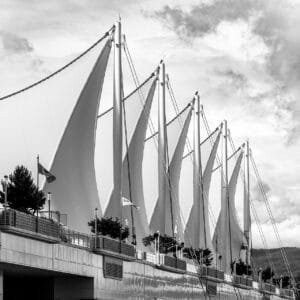
Downtown is the natural base — close to the waterfront, the Canada Place cruise terminal, shopping and the SkyTrain, with the famous seawall and Stanley Park a short stroll from the West End. The West End is calmer and leafier, near English Bay beach, and great value for the location.
Gastown & Yaletown
Gastown — cobblestones, the steam clock and brick warehouses turned restaurants and bars — is the place for atmosphere and nightlife (mind the edges toward the Downtown Eastside). Yaletown is sleeker and upscale, with marina-side dining and boutique hotels.
Kitsilano — the beach side
Across False Creek, Kitsilano (“Kits”) is a laid-back, residential beach neighbourhood with cafes, the Kits Pool and a local feel — lovely in summer and a short bus or aquabus ride from downtown.
Getting around & where to take care
Vancouver’s SkyTrain, SeaBus and buses make it easy car-free; downtown is very walkable and cycle-friendly (rent a bike for the seawall). Be aware the Downtown Eastside (around Hastings) has visible hardship — not dangerous for passing through by day, but not where you’ll want to book a hotel.
Matching the Neighbourhood to How You Travel (and One Area to Reconsider)
Vancouver runs expensive, with citywide hotel averages hovering around CAD 420 a night in peak summer, so matching the area to how you travel saves real money. First-timers do best in the West End: it sits between Stanley Park and the downtown core, stays quieter than the towers around it, and mid-range rooms typically land around CAD 200 to 300 a night. Families gain the most here too, with the seawall, Second Beach pool, and English Bay a short walk away. For nightlife, Yaletown and Gastown put you steps from the bars without the rowdiest edge; expect roughly CAD 230 and up. Budget travelers should skip the downtown peninsula and base in Mount Pleasant along Main Street or near Commercial Drive in East Van, where guesthouses and studio rentals run well below downtown rates and the SkyTrain reaches the centre in about 10 to 20 minutes from Main Street-Science World or Commercial-Broadway.
The pick to reconsider is the Granville Entertainment District. It looks central and the rates can dip, but it is the city’s club strip and gets loud past midnight on weekends, so light sleepers pay for the savings in lost rest.
Frequently asked questions
Where should I stay in Vancouver?
Is Vancouver walkable?
Do I need a car in Vancouver?
Plan with our Canada itinerary and where to stay in Banff.
Best time to visit Vancouver (real climate data)
Best months: June, July, August, September.
Vancouver’s warmest month is August (avg 22°C / 72°F), the coolest is February (low 0°C / 33°F). The wettest is November (265 mm) and the driest is July.
Source: Open-Meteo ERA5 climate normals (2019–2023). See the full month-by-month weather →
You Might Also Love


Written by
John Morrison is the founder and lead travel writer at Packzup. Over the past decade he has explored destinations across Africa, the Americas, Asia, Europe, the Middle East, and Oceania — always self-funded, never on a press trip.