
Last updated September 8, 2026 · Editorial policy
- 10-Day France Itinerary: A Day-by-Day Travel Plan
- France Itinerary at a Glance
- Day-by-Day Itinerary
- Where to Stay in France
- Budget Breakdown (10 Days)
- What to Pack
- Tips for a 10-Day France Trip
- Flying In Smart: The Open-Jaw Routing That Saves Americans a Wasted Day
- Frequently Asked Questions
- Related France Travel Guides
- Related Articles
France itineraries by trip length
Still deciding? Compare: Italy vs France Which To Visit · Spain vs France
10-Day France Itinerary: A Day-by-Day Travel Plan
Quick answer: This 10-day France itinerary covers the must-see highlights without rushing, with detailed day-by-day plans, restaurant recommendations, and budget guidance.
Best for: first-time visitors who want Paris plus one or two regions at a steady pace, mixing museums, cafe culture, and easy TGV hops between cities.
Planning a 10-day trip to France? This itinerary is built from a first-time-visitor perspective: hit the icons, eat the best food, and finish with one or two memorable experiences locals would recommend. Each day mixes a major sight, food stops, and downtime — no death marches, no missing highlights.
France Itinerary at a Glance
| Day | Focus |
|---|---|
| Day 1 | Land in Paris |
| Day 2 | Louvre & Notre-Dame |
| Day 3 | Montmartre & Marais |
| Day 4 | Loire Valley Castles |
| Day 5 | TGV South to Avignon |
| Day 6 | Pont du Gard & Villages |
| Day 7 | Coastal Train to Nice |
| Day 8 | Eze & Monaco |
| Day 9 | Fly Back to Paris |
| Day 10 | Last Morning, Depart |
Day-by-Day Itinerary
Day 1 — Land in Paris
Most nonstop US flights (New York, Chicago, Washington) land at Charles de Gaulle mid-morning. Skip a taxi and take the RER B train into the city (about €11.80 / roughly $13, ~35 minutes to Châtelet); it beats the €55–70 cab fare and Paris traffic. Base yourself in the Saint-Germain-des-Prés or Le Marais district for walkability. Fight jet lag with daylight rather than a nap: stroll the Jardin du Luxembourg, then walk the Seine past Pont Neuf as the light softens. For dinner, sit down to a classic bistro plate — steak frites or duck confit — expect about €22–30 (roughly $24–33) at a neighborhood bistrot. Planning note: buy a rechargeable Navigo Easy card at the airport for single Metro rides (about €2.50 each) instead of paper tickets, and grab a French eSIM before you fly so maps work the moment you land.

Day 2 — Louvre & Notre-Dame
Start early at the Louvre — reserve a timed 9:00 a.m. slot online (about €22 / roughly $24) and enter via the quieter Porte des Lions or Carrousel mall entrance rather than the pyramid queue. Give the Denon and Sully wings two to three hours, then walk the Tuileries to Place de la Concorde. Cross to the Île de la Cité to see the reopened Notre-Dame cathedral (free entry; book a slot to skip the line) and the jewel-box Sainte-Chapelle nearby (about €13 / roughly $14) for its 13th-century stained glass. End on the Left Bank in the Latin Quarter; grab a crepe from a stand (about €5–8) or a proper dinner. Planning note: most national museums are closed one weekday — the Louvre shuts on Tuesdays — so check before you build your day around one.
Day 3 — Montmartre & Marais
Devote the morning to Montmartre. Ride the funicular (one Metro ticket) up to Sacré-Cœur for the free hilltop view, then wander the artists’ square at Place du Tertre and the lanes around Rue des Abbesses before the tour buses arrive. Afternoon: head to Le Marais for the arcaded Place des Vosges, boutique browsing on Rue des Francs-Bourgeois, and the moving Mémorial de la Shoah (free). For lunch, join the line at a falafel counter on Rue des Rosiers (about €8–10 / roughly $9–11), the neighborhood’s signature bite. Cap the evening at the Eiffel Tower: the tower sparkles for five minutes on the hour after dark. Planning note: skip the pricey summit ticket and watch the light show for free from the lawn at Champ de Mars or across the river at Trocadéro.
Day 4 — Loire Valley Castles
Trade the city for château country. Direct TGV trains from Paris Montparnasse reach Tours or Saint-Pierre-des-Corps in about 1 hour 15 minutes (book ahead, roughly €25–45 / $27–49 one way). From Tours, a small-group day tour or a rental car links the star castles — the Loire’s chateaux are spread out and awkward by public transit, so a guided minivan tour (roughly €60–90 / $65–98) is the easy play. Prioritize Château de Chenonceau, whose arched gallery famously spans the River Cher (adult ticket about €19 / roughly $21), and moat-ringed Château d’Azay-le-Rideau. Wine lovers can swap one castle for a Vouvray or Chinon tasting. Planning note: base the day out of Tours and return to Paris by evening TGV; the Loire also makes an easy overnight if you’d rather slow down and sleep among the vines.
Day 5 — TGV South to Avignon
Check out and ride the TGV south from Paris Gare de Lyon to Avignon TGV — about 2 hours 40 minutes on a direct train (book early for fares near €40–70 / roughly $44–77; walk-up prices spike). A quick shuttle or local train links Avignon TGV to the walled old town. Spend the afternoon inside the ramparts at the Palais des Papes, the vast Gothic palace of the 14th-century Avignon popes (about €12 / roughly $13), then walk to the famous half-bridge, the Pont Saint-Bénézet of the nursery song. Dine on Provençal fare — ratatouille or a daube stew — on Place de l’Horloge or a quieter side square. Planning note: France’s high-speed trains require a reserved seat tied to a specific departure, so buy through SNCF Connect or Trainline in advance rather than assuming you can hop any train, as you would on a US commuter line.
Day 6 — Pont du Gard & Villages
Provence rewards a car, but no-drive travelers can join a half-day minivan tour from Avignon. Start at the Pont du Gard, the extraordinarily preserved three-tiered Roman aqueduct northeast of Nîmes; the site is free to walk, with parking about €9 (roughly $10) and a good on-site museum. Afternoon options split by taste: the perched, stone-built Les Baux-de-Provence and its immersive Carrières des Lumières light show (about €15 / roughly $16), or the ochre-red cliffs of Roussillon in the Luberon. In summer, detour to the lavender fields near the Plateau de Valensole, which typically peak from late June into July. Sample a rich tapenade or local Côtes du Rhône wine. Planning note: many village shops and restaurants still close from roughly 12:30 to 2:30 p.m., so plan sightseeing around that midday lull rather than fighting it.
Day 7 — Coastal Train to Nice
Follow the coast east. A direct TGV from Avignon TGV to Nice-Ville takes about 3 hours (roughly €30–60 / $33–65 booked ahead); a few daily direct trains run, so check times. Drop your bags and walk the palm-lined Promenade des Anglais along the pebble beach, then get lost in the ochre lanes of Vieux Nice (Old Town). Climb (or take the free lift) up Colline du Château for the classic panorama over the terracotta rooftops and turquoise Baie des Anges. Snack on socca, the local chickpea-flour pancake, at the Cours Saleya market (a few euros a portion). Planning note: Nice beaches are stony, not sandy, so pack water shoes; and the Ligne d’Azur tram from the station to the center costs about €1.70 (roughly $2), far cheaper than a cab.
Day 8 — Eze & Monaco
Day-trip along the Riviera by train and bus — no car needed. Take the Ligne d’Azur bus 82 or 602 (or a taxi) up to the medieval hill village of Èze, where the cactus-filled Jardin Exotique (about €8 / roughly $9) crowns cliffs 400 meters above the Mediterranean. Continue to the Principality of Monaco — the coastal train from Nice takes about 20 minutes (roughly €5 / $5.50 one way). Visit the Monte-Carlo Casino square, the Prince’s Palace, and the Oceanographic Museum perched on the rock (about €20 / roughly $22). Prefer beaches and art? Swap Monaco for Antibes and its Picasso Museum instead. Planning note: dress smart-casual if you want to step inside the Monte-Carlo Casino gaming rooms (over-18s only, ID required, a small entry fee), and note that shorts and flip-flops are turned away.
Day 9 — Fly Back to Paris
It is time to loop back to Paris for your international departure. Rather than backtrack seven hours by train, fly: Nice Côte d’Azur to Paris is about 1 hour 25 minutes, with frequent service on Air France, easyJet, and Transavia (book ahead for fares often around €50–100 / roughly $55–110). Fly into Orly if your final overnight is central, or into Charles de Gaulle if it simplifies tomorrow’s transatlantic connection. Arrive by early afternoon and use the leftover time for what you missed: the Impressionists at the Musée d’Orsay (about €16 / roughly $17, closed Mondays), or a half-day at the Palace of Versailles (about €21 / roughly $23, closed Mondays; RER C from central Paris). Planning note: budget carriers weigh and charge strictly for cabin bags, so confirm your allowance before the gate to avoid a surprise fee.
Day 10 — Last Morning, Depart
Make the final French morning count before your flight home. If you’re near the center, walk to a corner boulangerie for a fresh croissant and coffee (about €5 / roughly $5.50) — a fitting last taste of Paris — then browse the bouquinistes, the green riverside book stalls lining the Seine, or pick up cheese and wine for the trip at a fromagerie. Leave a comfortable buffer for the airport: allow at least three hours before an international flight, and remember Charles de Gaulle is a large, sometimes confusing hub. From central Paris, the RER B reaches CDG in about 35 minutes (roughly €11.80 / $13). Planning note: US visitors can reclaim the VAT on eligible purchases over €100 from a single store — get the retailer’s tax-refund form, then scan it at the airport PABLO kiosk before security to recover roughly 10–12 percent.
Where to Stay in France
Choose a central neighborhood within walking distance of major sights — you’ll save hours of commute time over 10 days. Book 6-12 weeks ahead for best rates.
Budget Breakdown (10 Days)
France is rated Pricey in our Travel Cost Index 2026. Figures are country-level daily ranges per person and exclude international flights.
| Travel style | Per day | Total 10 days |
|---|---|---|
| Budget | $55-100 | $550-1,000 |
| Mid-range | $180-300 | $1,800-3,000 |
| Luxury | $450-700 | $4,500-7,000 |
Source: Packzup Travel Cost Index 2026 — country-level averages; city and peak-season prices run higher. Excludes international flights.
What to Pack
- Clothing: Paris can turn cool and showery while Provence and Nice bake, so pack layers plus a compact rain jacket. Add covered shoulders for churches, smart-casual for Monaco’s casino, and water shoes for Nice’s pebble beach.
- Tech: France runs on 230V Type C/E plugs, so bring a two-round-pin adapter; load SNCF Connect for trains, Bonjour RATP for the Paris metro, and G7 for taxis.
- Documents: US passport holders enter France visa-free for short Schengen stays, but check current EU rules before flying — the EES biometric entry system and ETIAS authorization are phasing in. Carry a passport valid 3+ months past departure plus onward-flight proof.
- Money: France runs on the euro, and contactless cards work almost everywhere, Metro to TGV cafe. Keep a little cash for markets and bakeries. Restaurant prices include service; rounding up or leaving a euro or two is plenty.
- Day bag: A zippered crossbody for pickpocket-heavy Metro line 1, a scarf to cover shoulders in cathedrals, and a refillable bottle, Paris tap water and Wallace fountains are safe.
Tips for a 10-Day France Trip
- Book ahead: Book the Louvre, the Eiffel Tower summit, and Versailles ahead: Eiffel summit slots open about 60 days out and go fast, Louvre timed entries sell out weeks ahead in summer.
- Build in buffer time: jet lag blurs day 1, TGV tickets bind to one specific departure (Avignon to Nice runs only a few directs daily), and day 9’s Nice–Paris flight protects the transatlantic connection — leave slack around every transfer.
- Eat like a local: Do lunch like locals with the fixed-price formule at neighborhood bistros, then graze Marche d’Aligre or Rue Cler; in Lyon, book a traditional bouchon for dinner.
- Travel insurance: $40-100 for 10 days. Covers medical, theft, cancellations.
- Get connected: Skip airport SIM counters; buy an Orange Holiday eSIM online, around 40 dollars with generous data, or an Airalo eSIM from roughly 10 dollars; cafe wifi exists but is spotty.
Flying In Smart: The Open-Jaw Routing That Saves Americans a Wasted Day
Most US flyers reach Paris on an overnight nonstop and land mid-morning. Atlanta to Charles de Gaulle runs about 8 hours 20 minutes of air time, and the same pattern holds from Newark, JFK and Chicago. You arrive jet-lagged, so treat day 1 as a soft landing: drop bags, walk a neighborhood like the Marais or the Latin Quarter, eat an early dinner, and skip anything ticketed. Save the Louvre for a later day anyway, since it closes every Tuesday and Versailles closes every Monday, so build those two around the calendar rather than your mood.
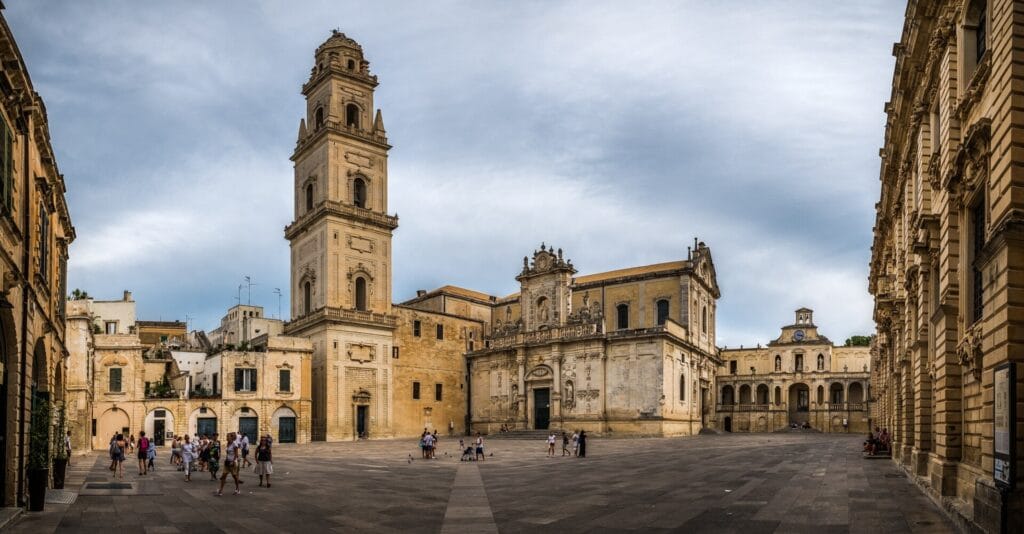
The routing mistake Americans repeat is basing in Paris the whole trip and day-tripping the south, then flying home out of CDG. That forces a backtrack. Instead, fly an open-jaw: into Paris, out of Nice. Nice runs seasonal nonstops to the US through October, so you can end on the coast and head straight home.
Two TGV legs make the loop work cleanly:
- Paris Gare de Lyon to Avignon TGV in about 2 hours 40 minutes, with roughly 22 direct trains a day, so book on the day if needed.
- Avignon to Nice direct in about 3 hours, but only about 3 direct trains run daily, so reserve that seat ahead.
What to skip on a first 10-day trip: a rushed Loire chateau add-on. Trade it for two unhurried nights in Provence.
Frequently Asked Questions
Is 10 days enough for France?
For first-time visitors, 10 days in France covers the main highlights without rushing. If you want to add day trips, slower pace, or hidden gems, plan 2-3 more days. 10 days is the minimum to feel you’ve truly seen France — anything less is a sampler.
How much will a 10-day France trip cost?
Using the Budget Breakdown table above, drawn from our Travel Cost Index 2026: Budget $55-100/day ($550-1,000 for 10 days), Mid-range $180-300/day ($1,800-3,000 for 10 days), Luxury $450-700/day ($4,500-7,000 for 10 days). Country-level averages, excluding international flights.
What’s the best time to do a 10-day France itinerary?
Shoulder seasons (just before/after peak) offer the best balance of weather, crowds, and price for France. Check the destination’s specific best-time guide for exact months. Avoid major local holidays which spike prices and crowd attractions.
How do I get around France?
Between cities, ride SNCF trains, TGV InOui or budget Ouigo, booked via SNCF Connect; fares climb as travel dates near. In Paris, load a Navigo Easy card or buy tickets in the Bonjour RATP app for metro and buses. Uber and Bolt run in big cities, and G7 is the licensed taxi app; regional TER trains reach Normandy, Provence, and the Loire.
What should I pack for 10 days in France?
Pack layers: Paris swings from cool mornings to warm afternoons while the south runs hotter. Bring broken-in shoes for cobblestones and metro stairs, plus a compact umbrella, rain shows up year-round. French style skews smart-casual, so add one dressier outfit for dinner and something to cover shoulders in churches.
Should I book hotels or use Airbnb in France?
For 10-day trips, hotels are usually better: easier check-in, daily housekeeping, no laundry expectations, included breakfast often. Airbnb/apartments make sense for stays of 5+ nights, families, or kitchen-focused travelers. Book central locations to save commute time.
Related France Travel Guides
- 15 Best Things to Do in France (2026 Local Guide)
- 15 Best Foods to Eat in France (2026 Local Guide)
- France Trip Cost 2026: Complete Budget Breakdown
Related Articles
- Best Time to Visit France from USA (Month-by-Month)
- France Visa Requirements: The Complete Guide
- How Much Does a Trip to France Cost?
- Cost of 1 Week in France for Americans (Real Budget)
You Might Also Love





Written by
John Morrison is the founder and lead travel writer at Packzup. Over the past decade he has explored destinations across Africa, the Americas, Asia, Europe, the Middle East, and Oceania — always self-funded, never on a press trip.
