
Last updated September 3, 2026 · Editorial policy
- Best time to visit France: at a glance
- Best Time to Visit France Americans: Month-by-Month Guide
- Best Months to Visit France Americans
- France Americans Travel Seasons at a Glance
- Festivals & Events in France Americans
- When to Visit by Travel Goal
- What to Avoid
- Booking Tips
- September Beats Summer: The Shoulder Window and the One Month to Skip
- Frequently Asked Questions
- Related Articles
Best time to visit France: at a glance
Short answer: April–June and September–October for mild weather and fewer crowds.
| Season | Months | What to expect |
|---|---|---|
| Peak | Jul–Aug | Warm, lively, Riviera season; busiest |
| Shoulder (best value) | Apr–Jun, Sep–Oct | Mild, pleasant, fewer crowds |
| Low | Nov–Mar | Cool; Alps ski season |
Best Time to Visit France Americans: Month-by-Month Guide
Quick take: The short answer on France Americans: The longer answer involves weather windows, festival timing, and the difference between ‘technically open’ and ‘actually enjoyable.’
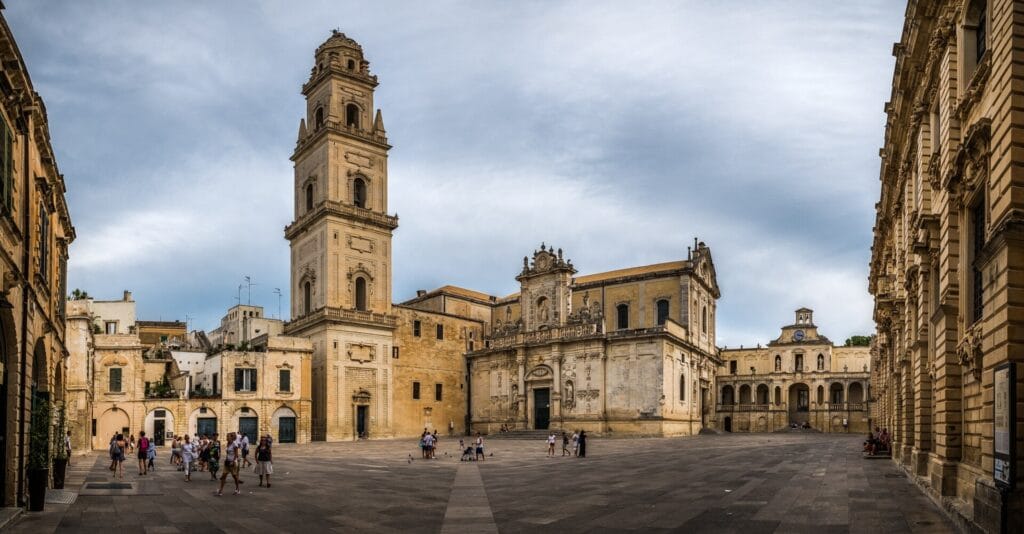
Peak: summer (June-August) · Off-season: winter (December-February)
Knowing the best time to visit France Americans can transform your trip — saving you hundreds on flights and hotels while putting you in better weather with fewer crowds. This guide breaks down each season, key events, and what to expect month by month so you can pick the right travel dates.
Best Months to Visit France Americans
Top pick: Late May through June, then September to mid October. Expect warm, mostly dry weather in Paris and Provence with long daylight, and none of the July-August crush when the French themselves vacation and coastal towns max out. Airfare from the US and hotel rates typically run 20-40 percent below midsummer peaks.
France Americans Travel Seasons at a Glance
| Season | Months | What to Expect |
|---|---|---|
| Peak | summer (June-August) | Best weather (for that region), highest prices, biggest crowds. Book hotels 3-6 months ahead. |
| Shoulder | shoulder seasons (typically April-May and September-October) | Sweet spot: good weather, moderate crowds, 15-30% lower prices than peak. |
| Off-season | winter (December-February) | Cheapest, quietest. Some sights may be closed. Best for budget travelers and shoulder-month flexibility. |
Festivals & Events in France Americans
The single toughest booking window is the Cannes Film Festival, usually around mid-May, when Riviera hotels from Cannes to Antibes sell out months in advance and rates soar; reserve by roughly January or stay inland. Bastille Day week in Paris is the runner-up and merits similar lead time.
- Bastille Day (Jul)
- Tour de France (Jul)
- Cannes Film Festival (May)
- Nice Carnival (Feb)
- Fête de la Musique (Jun)
When to Visit by Travel Goal
- Best weather: May, June, and September bring highs near 20-25C, daylight lasting past 9pm in June, and drier Atlantic coasts than winter; Paris rainfall stays similar year-round, so pack a light jacket.
- Lowest prices: winter (December-February). Hotels and flights cut 30-50%. Trade weather for savings.
- Fewest crowds: November, January, and early March are France at its quietest; museum lines shrink and Paris hotels discount. Among the pleasant-weather months, late September into October and the first half of June typically see far thinner crowds than July and August.
- Festivals & culture: Cannes Film Festival, typically mid-May, turns the Riviera glamorous and expensive, while Bastille Day on July 14 brings fireworks and a military parade to Paris. Nice Carnival in February and the free, nationwide Fête de la Musique on June 21 round out the calendar.
- Outdoor activities: High Alpine and Pyrenean trails clear around late June, so hike July to mid-September; Mediterranean beaches peak July-August. December through April is poor for hiking but prime skiing in both ranges.
- Budget travelers: Mid-January through March is France’s true bargain window, once Christmas crowds clear and before Easter. Transatlantic fares and Paris hotel rates typically hit their yearly lows then; just skip Nice Carnival week in February and Alpine ski areas, where winter is their own peak.
What to Avoid
- Peak crowds: summer (June-August) brings 2-3x the visitors. Major sites require ticket reservations weeks ahead.
- Major holidays: Watch May, when May 1, May 8, Ascension, and Pentecost create back-to-back French long weekends, plus Easter, the Toussaint break around November 1, and Christmas-New Year. Bastille Day on July 14 packs Paris, and August is when the French themselves travel en masse.
- Closures: The surprise closure month is August, when family-run Paris bakeries, bistros, and boutiques shut for les grandes vacances. In winter, some Riviera beach clubs and smaller coastal hotels close November through March, and many museums nationwide close on May 1, December 25, and January 1.
Booking Tips
- France’s transatlantic peak runs June through August, so lock in summer flights from the US around February or March, roughly four to six months out. For shoulder trips in April-May or September-October, booking two to three months ahead typically works, and winter fares stay soft almost until departure.
- France’s shoulder months are April-May and September-October: near-summer warmth, open attractions, and rates typically 15-30 percent under peak. The trades are shorter daylight by late October, a chance of spring rain, and May’s cluster of French holiday weekends, when long-weekend travel briefly spikes prices.
- Three school calendars move France’s crowds: American summer break, which drives the June-August transatlantic surge; French vacations, set by zone, with the February ski break, April spring break, and July-August grandes vacances; and UK half-terms, which fill Paris and Disneyland around late May and late October.
- France carries no hurricane or monsoon risk; the classic disruptions are transport strikes, which can ground flights and trains with little notice in any month, plus occasional winter storms. A policy covering trip delays and missed connections earns its keep more than weather coverage here, especially on pricey summer bookings.
September Beats Summer: The Shoulder Window and the One Month to Skip
If you only weigh one month against the rest, make it September. Paris cools to comfortable daytime highs of around 21C (70F) and lows near 12C (53F), and those highs slide to roughly 19C by month-end, so cafe terraces and long museum days both stay pleasant without August heat. Hotel and airfare savings of about 15 to 30 percent over peak follow the locals home, and the calendar still hands you reasons to be there: the Journees Europeennes du Patrimoine on September 19 and 20, 2026 open state-owned monuments, ministries and private mansions for free.

The month most Americans should avoid is August, and not only for crowds. French workers earn roughly five weeks of paid leave, and during les grandes vacances family-run bakeries, butchers and neighborhood bistros in residential quarters often shutter for two to three weeks. Tourist-zone Paris keeps humming, but the everyday city you came to experience partly closes.
Quick seasonal read:
- Late June to mid-July: Provence lavender peaks, with Valensole typically harvested around July 15 and fields fading fast after.
- April through May and September into October: the genuine sweet spot for weather, price and breathing room.
Frequently Asked Questions
Are there major festivals in France Americans?
Yes — France Americans hosts notable events including: Bastille Day (Jul), Tour de France (Jul), Cannes Film Festival (May), Nice Carnival (Feb), Fête de la Musique (Jun). Major festivals can spike hotel prices 50-200% — book 3-6 months ahead if attending.
What should I pack for France Americans?
Pack for the season you’re visiting and the climate zone. Summer in France Americans: lightweight breathable clothes, sunscreen, hat, comfortable walking shoes. Winter: layers, waterproof jacket, warm accessories. Check the 10-day forecast 1-2 weeks before departure and adjust.
Related Articles
- 10-Day France Itinerary (Paris, Loire, Provence)
- France Visa Requirements: The Complete Guide
- How Much Does a Trip to France Cost?
- Cost of 1 Week in France for Americans (Real Budget)
You Might Also Love




Written by
John Morrison is the founder and lead travel writer at Packzup. Over the past decade he has explored destinations across Africa, the Americas, Asia, Europe, the Middle East, and Oceania — always self-funded, never on a press trip.
