
Last updated September 11, 2026 · Editorial policy
Let’s clear up the most common mix-up in island travel first: Bermuda and the Bahamas are not neighbors. They’re roughly 900 miles apart, and they’re barely even the same kind of place. Bermuda is a tidy, British, subtropical island sitting alone in the Atlantic about 650 miles off the Carolinas — pastel cottages, white stepped roofs, cricket on the weekend. The Bahamas is a sprawling chain of some 700 low-lying tropical islands that begins less than 60 miles off the Florida coast — conch shacks, casino mega-resorts, and water so blue it looks color-graded.
Here’s the short version before we dig in: one of these is a summer destination and the other is a winter one, and getting that wrong will do more damage to your trip than any other single decision. Beyond the calendar, the choice comes down to money, beaches, and what you actually want from a week on an island. As with our Croatia vs Portugal comparison, there’s no diplomatic tie at the end — you’ll get real winners by traveler type.
| Category | Bermuda | Bahamas | Winner |
|---|---|---|---|
| Beaches | Pink-sand coves on a dramatic south shore | More variety, miles of pink sand, surreal Exuma water | Bahamas (narrowly) |
| Snorkeling & diving | Shallow shipwrecks, superb summer clarity | Blue holes, sharks, warm water year-round | Tie |
| Food & drink | Fish chowder and rum swizzles, but pricey | Conch shacks and fish fry culture, cheaper | Bahamas |
| Beyond the beach | St. George’s, caves, forts, golf | A half-day of Nassau sights, then it’s all water | Bermuda |
| Resorts & hotels | Cottage colonies and small hotels | Everything from mega-resorts to barefoot lodges | Bahamas |
| Charm, ease & safety | Orderly, compact, very low hassle | Nassau needs city smarts; Out Islands are sleepy | Bermuda |
| Best season | Summer destination (May–Oct) | Winter destination (Dec–Apr) | Depends on your dates |
| Value for money | High floor, high ceiling | Real budget options exist | Bahamas |
Cost comparison: Bermuda will hurt your wallet more
Both places use currencies pegged one-to-one to the US dollar, so there’s no exchange-rate math to soften the blow. And the blow is real, because these are two of the pricier beach destinations in the western hemisphere — but Bermuda is in its own league. Almost everything is imported, wages are high, and there’s no budget-travel ecosystem to speak of. A frugal traveler doing buses, grocery-store lunches and a modest guesthouse can maybe hold the line at $250–350 per person per day in Bermuda. A normal mid-range couple — nice hotel, restaurant dinners, a couple of activities — should honestly budget $700–1,000 a day combined in high season. Cocktails run $15 and up, dinner mains routinely land in the $30–50 range, and taxi fares sting.
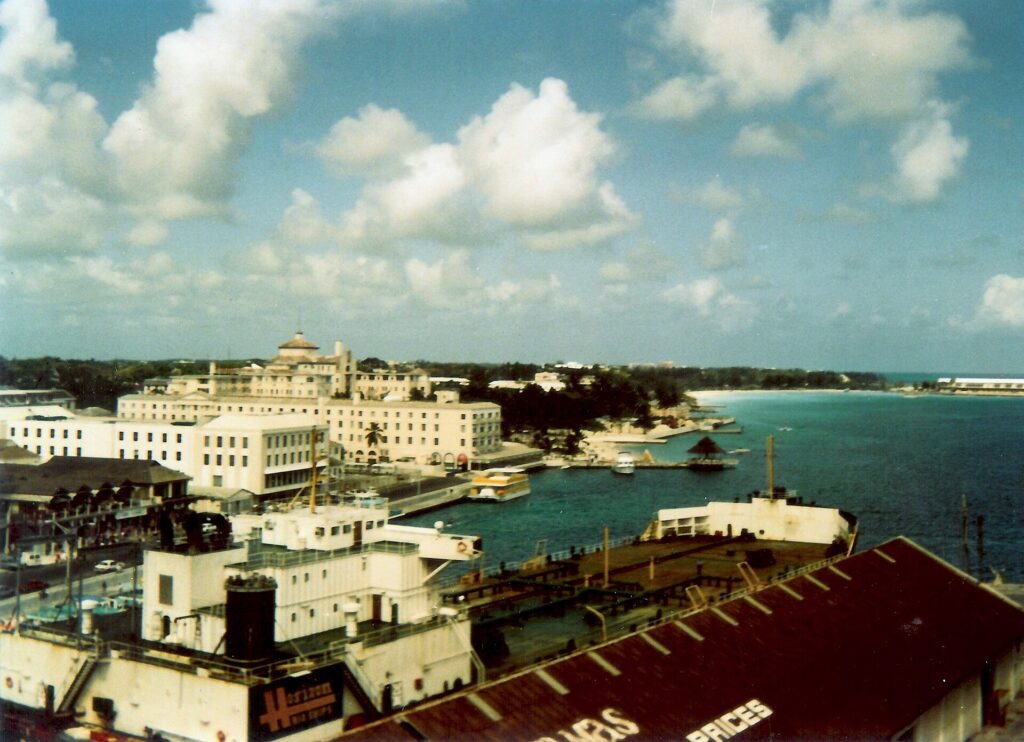
The Bahamas has a much wider spread. In Nassau you can do a perfectly good trip on $150–250 per person per day by staying near, rather than on, the beach, eating at local fish fry spots and riding the jitney buses. Mid-range runs roughly $250–450 per person per day. The ceiling, though, is just as high as Bermuda’s: a peak week at Atlantis or Baha Mar with resort dining can devour money at impressive speed, and the remote Out Islands cost more than you’d expect because everything is barged or flown in. Winner: the Bahamas, simply because the floor is so much lower even if the ceiling isn’t.
Beaches: two shades of pink sand
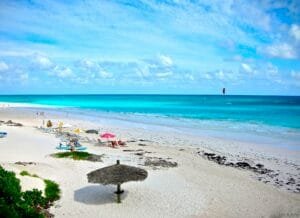
Both destinations are famous for pink sand, and — rare in travel marketing — both actually deliver it. Bermuda’s south shore is one continuous highlight reel: Horseshoe Bay is the postcard, but Warwick Long Bay and Elbow Beach are quieter and nearly as good, all linked by coves and rock formations you can wander between at low tide. Everything is close together, so you can beach-hop by bus or scooter and hit three great beaches in a day. The catch is seasonal: this is the open Atlantic, not the Caribbean, and the water is only genuinely inviting from about May through October.
The Bahamas wins on sheer variety and on the color of the water. Cable Beach and Paradise Island are convenient, Harbour Island’s pink sand runs for miles, and the Exumas are the showstopper — sandbars that surface at low tide, the famous swimming pigs, and shallows in a shade of blue-green that doesn’t look real from the plane window. If your entire trip is about lying on the best possible beach in warm water, the Bahamas takes this category, especially from December through April, when Bermuda’s beaches are for walking rather than swimming.
In the water: shipwrecks vs blue holes
Bermuda’s party trick is wreck diving. The island sits inside a ring of reef that has been collecting ships for four centuries, and many of the wrecks lie in shallow, clear water that newer divers and even snorkelers can enjoy. Shore snorkeling is easy too — Tobacco Bay and Church Bay are the usual first stops — and summer visibility is superb.
The Bahamas answers with scale and weirdness: blue holes on Andros and Long Island (Dean’s Blue Hole is among the deepest known anywhere), organized shark dives, the huge reef system off Andros, Thunderball Grotto in the Exumas, and world-class bonefishing flats. The water is also warm enough to dive comfortably year-round, which Bermuda can’t claim. Call it a draw that tilts Bahamas for variety and season length — unless wrecks are your thing, in which case Bermuda is the better dive trip.
Resorts and where to stay
This is one of the cleanest philosophical splits in the whole matchup. The Bahamas does big: Atlantis and Baha Mar are full-blown mega-resorts with water parks, casinos, more than a dozen restaurants each, and the kind of kids’ infrastructure that makes family travel easy. It also does small: barefoot lodges and beach cottages on the Out Islands where the front desk and the kitchen are often the same person. All-inclusive options exist if that’s your style.
Bermuda has essentially none of that. There are no mega-resorts, casinos aren’t part of the culture, and the all-inclusive model never took hold. What you get instead are classic cottage-colony resorts, small hotels in pink and pastel, and rental apartments in neighborhoods where actual Bermudians live. It feels less like a resort product and more like visiting a very beautiful, very polite small country. If you want a swim-up bar and a wristband, book the Bahamas. If wristbands make you itch, Bermuda will feel like a relief.
Food and drink
Bermudian food is better than people expect: fish chowder spiked at the table with black rum and sherry pepper sauce, fish sandwiches served on raisin bread (trust it), and codfish-and-potatoes breakfast on Sundays. This is also the home of Gosling’s rum, which makes the Dark ‘n’ Stormy and the rum swizzle practically civic institutions. The catch is cost and formality — eating out is expensive everywhere, and truly casual options are thinner than you’d hope.
The Bahamas is more fun to eat in. Conch is the national obsession — cracked conch, conch fritters, and conch salad chopped and dressed in front of you at the Arawak Cay fish fry in Nassau, washed down with a Sky Juice (gin, coconut water, condensed milk — better than it sounds). It’s cheaper, more casual, and more of an event. Polished dining exists at the big resorts if you want it. Winner: the Bahamas, for the joy-per-dollar of its seafood culture.
Beyond the beach
Here Bermuda pulls clearly ahead. St. George’s is a genuine 400-year-old town — one of the oldest continuously inhabited English settlements in the Americas and a UNESCO World Heritage site — and it rewards aimless wandering. Add the Crystal and Fantasy Caves, the Royal Naval Dockyard, a string of old forts, the Railway Trail for walking and cycling, and an island-wide golf obsession, and you can fill a rainy day — or an entire mild-winter trip — without touching a beach towel.
Nassau’s sightseeing — the Queen’s Staircase, the forts, pirate history, rum tours — makes a solid half day, maybe a full one. After that, the Bahamas is really about the water — which is fine, because the water is the point. But if you’re the kind of traveler who gets restless on a lounger by day three, Bermuda gives you far more to do on land.
Vibe, crowds and safety
These two share a shelf but not a personality — a bit like Morocco vs Egypt in that respect. Bermuda is quiet, tidy and a little conservative. Things close early, nobody hustles you on the beach, and the whole island runs with an unhurried orderliness. Cruise ships mostly dock out at the Dockyard, so the towns rarely feel swamped.
Nassau on a four-ship morning is another world: downtown gets packed, vendors work hard, and Bay Street can feel like a conveyor belt. Escape to the Out Islands, though, and the Bahamas out-quiets even Bermuda. On safety, honestly: Bermuda has very little crime that touches visitors. Nassau calls for ordinary city awareness — keep to the main areas at night and use licensed taxis — while the Out Islands feel like villages where everyone knows everyone. Neither should scare you off; Bermuda is simply the more effortless of the two.
Weather and when to go
This is the most important section in the article. Bermuda and the Bahamas have effectively opposite peak seasons — the calendar matters more in this pairing than in almost any we’ve covered outside of Argentina vs Brazil. Bermuda is subtropical, not tropical: summers from May to October are hot, sunny and made for the beach, while winters are mild — think 60s Fahrenheit, lovely for golf and walking, wrong for swimming.
The Bahamas is warm all year, and its glory months are the winter: December through April is dry, sunny and comfortably in the 70s and low 80s, which is why that’s high season. Summer in the Bahamas is hot, humid and squarely inside hurricane season, which for both destinations runs June through November and peaks from August to October. The simple rule: December to April, choose the Bahamas; May to October, choose Bermuda, with one eye on the tropics from late August onward. May and early November are decent shoulder windows for either.
Getting there and around
Both are easy from the US East Coast, but differently. Bermuda is about a two-hour flight from New York or Boston, with direct service from several East Coast hubs plus London. Nassau is under an hour from South Florida and around three hours from New York, with far more routes and usually cheaper fares; reaching the Out Islands means a short hop on a small plane or a ferry, which adds cost and a little adventure.
On the ground, the difference is stark. Bermuda doesn’t rent cars to visitors — you’ll use the genuinely good pink buses and ferries, taxis (pricey), electric two-seater minicars, or scooters. A word from experience: the roads are narrow, driving is on the left, and scooter spills are the classic Bermuda tourist injury, so the little electric cars are the smarter rental. In the Bahamas you can rent a car on the bigger islands, ride Nassau’s cheap jitney buses, or simply stay put at a resort. Both are enormous cruise stops, but the Bahamas more so — several cruise lines even run private islands there.
Bermuda or Bahamas: the honest verdict
First, let the calendar rule: traveling between December and April, go to the Bahamas; between June and September, go to Bermuda. Fighting the seasons is how people come home calling an island overrated. As with France vs Italy, half the argument dissolves once you fix the dates.
With that settled: budget travelers — the Bahamas, no contest; jitneys, fish fry stalls and guesthouses give you a floor Bermuda simply doesn’t have. Beach purists — the Bahamas, for the Exumas and Harbour Island, unless it’s July, in which case Bermuda’s south shore is spectacular and the water is warm. Foodies — the Bahamas for conch-shack culture and fish fry energy; Bermuda if your ideal evening is a proper rum swizzle and a bowl of fish chowder in an old pub. First-timers who want easy — Bermuda in summer (safe, orderly, compact, no rental car needed) or Nassau and Paradise Island in winter. Families — the Bahamas, because Atlantis and Baha Mar are engineered for kids. Couples — Bermuda for charm and calm, or an Out Island if seclusion beats sightseeing. History buffs and golfers — Bermuda, easily.
If I had to pick one for a first trip and money weren’t the deciding factor, I’d take Bermuda in June: pink sand, wreck snorkeling, St. George’s, and not a wristband in sight. If it were January, I wouldn’t think twice — the Exumas, Bahamas.
FAQ
Are Bermuda and the Bahamas close to each other?
Which is more expensive, Bermuda or the Bahamas?
Which is better in December?
Is Bermuda or the Bahamas safer?
Budgeting the trip? Bahamas Trip Cost
You Might Also Love
More side-by-side comparisons

Written by
John Morrison is the founder and lead travel writer at Packzup. Over the past decade he has explored destinations across Africa, the Americas, Asia, Europe, the Middle East, and Oceania — always self-funded, never on a press trip.
