
Last updated September 3, 2026 · Editorial policy
Best time to visit the Bahamas: at a glance
Short answer: December to April — dry, sunny and cooler.
| Season | Months | What to expect |
|---|---|---|
| Peak | Dec–Apr | Dry, sunny, calm seas; busiest & priciest |
| Shoulder (best value) | May, Nov | Warm, quieter, lower rates |
| Low | Jun–Nov | Hurricane season, rain; cheapest |
Best Time to Visit Bahamas: Month-by-Month Guide
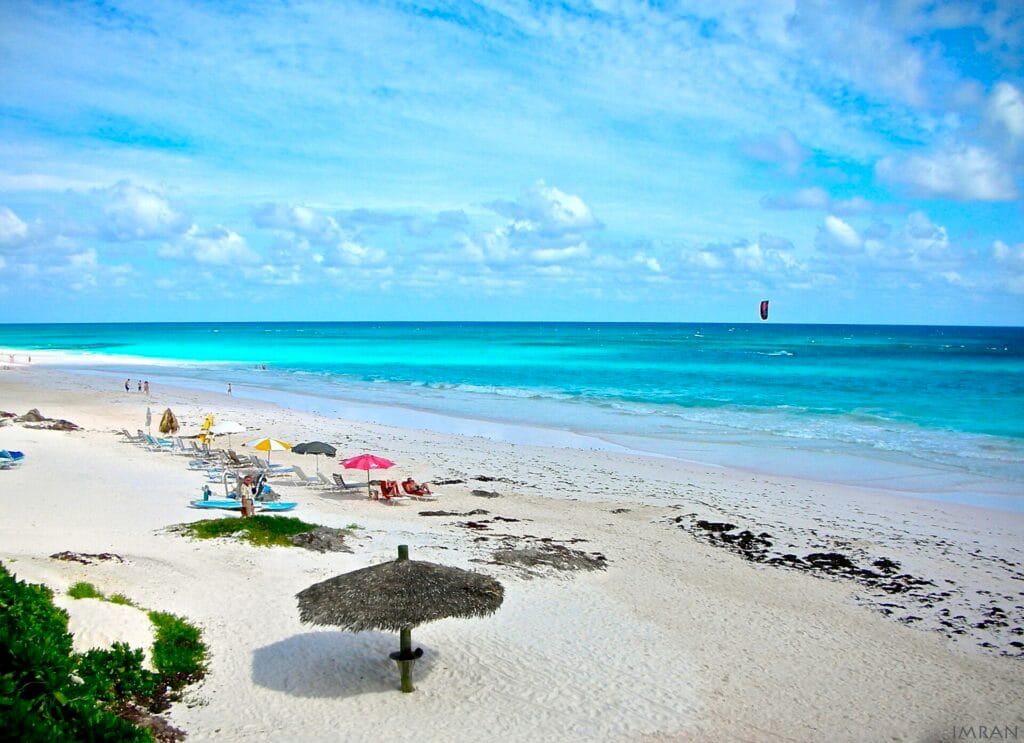
Knowing the best time to visit Bahamas can transform your trip — saving you hundreds on flights and hotels while putting you in better weather with fewer crowds. This guide breaks down each season, key events, and what to expect month by month so you can pick the right travel dates.
| Season | Months | What to Expect |
|---|

Festivals & Events in Bahamas
The one window that demands early booking is Christmas through New Year’s, when the Junkanoo parades collide with the winter holiday rush: Nassau hotels near Bay Street sell out months ahead and rates hit their annual peak. If Junkanoo is the goal, lock in rooms by early fall.
- Junkanoo (late Dec)
- Bahamas Carnival (Jun)
- Long Island Regatta (May-Jun)
- Goombay Summer Festival (Marsh Harbour, Abaco) (Jul)
When to Visit by Travel Goal
- Fewest crowds: May and November are the quietest months that still offer good weather, after spring-break crowds clear and before the Christmas rush. September and October are emptier still, but they sit at the heart of hurricane season; late April and late November are safer bets.
- Festivals & culture: Junkanoo is the marquee event: costumed parades rush down Nassau’s Bay Street in the pre-dawn hours of Boxing Day and New Year’s Day. For a summer alternative, Bahamas Carnival typically lands in June and the Family Island regattas run from spring into summer.
- Budget travelers: September and October typically bring the year’s lowest fares and room rates, with hurricane risk as the trade-off. For dry-weather value instead, aim for late April after spring break or late November and early December, before Christmas rates kick in.
What to Avoid
- Major holidays: Boxing Day and New Year’s Day bring the Junkanoo parades and Nassau’s busiest, priciest week. Easter weekend, Independence Day on July 10, and Emancipation Day in early August also fill hotels and ferries with local and regional travelers, so book those dates well ahead.
- Closures: Nassau and Paradise Island run year-round, but on the Out Islands some small resorts, restaurants, and dive operators typically shut for several weeks in September and October, the deepest hurricane-season lull. If you are island-hopping to the Exumas or Abacos then, confirm openings before booking.
Booking Tips
- For the December–April dry season, book flights around two to three months out, and earlier still for Christmas–New Year and March spring break, when seats from US East Coast hubs fill fastest. For summer and fall trips, a few weeks ahead is typically enough.
- The Bahamas’ shoulder months are May and November: near-peak sunshine and warm seas at noticeably lower rates. May trades a bit more rain, typically the wettest month around Nassau, for quiet beaches; late November delivers dry-season weather before Christmas prices arrive.
- American school calendars drive the crowds here far more than local ones: US spring break, March to mid-April, the Christmas to New Year week, and summer vacation from June through August. Canadian March break adds to the late-winter rush. European term dates matter little here.
- Travel insurance with hurricane and trip-interruption cover matters most for June through November trips, since Atlantic hurricane season runs June 1 to November 30 and peaks around early September. Buy soon after booking; policies generally must be purchased before a storm is named to cover it.
The Two Quiet Weeks Most Visitors Miss: Late April and Late November
The calendar everyone follows says December to April, and that holds for weather. The smarter read is the two narrow windows that bracket it. The first is mid-to-late April, after spring-break crowds (which run from March into mid-April) clear out but before summer humidity sets in. The second is late November, once the official June 1 to November 30 hurricane season ends but before the Christmas rate spike. Both deliver the same dry, sunny days as January without the peak-week prices.
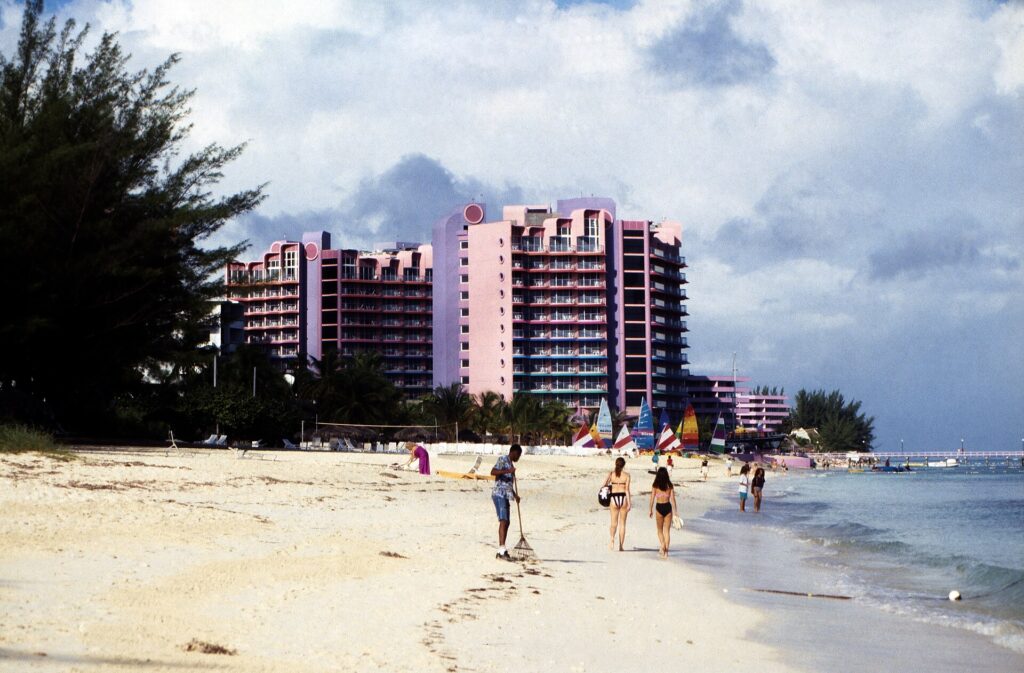
What each stretch actually buys you:
- Late April: highs in the upper 70s to low 80s F, calm seas, and resorts pricing for the gap between Easter and summer.
- Late November: warm low-80s F days, near-empty beaches, and the lowest rates of the dry months.
- Late December to January 1: book early. Junkanoo’s parades fill Bay Street in Nassau from roughly 2 a.m. to sunrise on Boxing Day and New Year’s Day, and the New Year’s procession alone can draw around 50,000 people.
The period to skip is September. It sits at the statistical peak of Atlantic hurricane activity (around September 10), when warm seas above about 26.5 C feed the strongest storms of the year. Cheap fares then are cheap for a reason.
Frequently Asked Questions
Are there major festivals in Bahamas?
Yes — Bahamas hosts notable events including: Junkanoo (late Dec), Bahamas Carnival (Jun), Long Island Regatta (May-Jun), Goombay Summer Festival (Marsh Harbour, Abaco) (Jul). Major festivals can spike hotel prices 50-200% — book 3-6 months ahead if attending.
What should I pack for Bahamas?
Pack for the season you’re visiting and the climate zone. Summer in Bahamas: lightweight breathable clothes, sunscreen, hat, comfortable walking shoes. Check the 10-day forecast 1-2 weeks before departure and adjust.
Related Bahamas Travel Guides
- Best Things to Do in Bahamas
- Where to Stay in Bahamas
- Best Food in Bahamas
- How Much Does a Trip to Bahamas Cost?
- Bahamas Itinerary Guide
Climate data source: monthly temperature and rainfall figures on this page come from Open-Meteo’s Historical Weather API, which serves the ECMWF ERA5 reanalysis (Copernicus Climate Change Service). Five-year averages, 2019–2023. See our data methodology.
Timing your trip? See our data study: Best Time to Travel the World 2026 — the best (and worst) months to travel, from 26 top destinations.
Bahamas weather & climate by month
Best months to visit: January, February, March, November, December. Bahamas’s warmest month is August (avg 31°C / 88°F), the coolest is January (low 21°C / 70°F). The wettest is May (106 mm) and the driest is January.
| Month | Avg high | Avg low | Rainfall | Rainy days |
|---|---|---|---|---|
| January | 25°C / 77°F | 21°C / 70°F | 32 mm | 10 |
| February | 26°C / 79°F | 22°C / 71°F | 34 mm | 12 |
| March | 26°C / 79°F | 22°C / 72°F | 35 mm | 10 |
| April | 27°C / 81°F | 23°C / 74°F | 52 mm | 14 |
| May | 28°C / 83°F | 24°C / 76°F | 106 mm | 18 |
| June | 29°C / 85°F | 26°C / 78°F | 87 mm | 19 |
| July | 31°C / 87°F | 27°C / 80°F | 72 mm | 18 |
| August | 31°C / 88°F | 27°C / 81°F | 82 mm | 18 |
| September | 30°C / 87°F | 27°C / 80°F | 105 mm | 17 |
| October | 29°C / 84°F | 26°C / 78°F | 96 mm | 18 |
| November | 27°C / 81°F | 24°C / 75°F | 69 mm | 12 |
| December | 26°C / 78°F | 22°C / 72°F | 57 mm | 11 |
Climate source: Open-Meteo / WMO climate normals (WMO 1991–2020, or ERA5 2019–2023 where unavailable). Compare destinations in the Best Time to Visit Index.
You Might Also Love


Written by
John Morrison is the founder and lead travel writer at Packzup. Over the past decade he has explored destinations across Africa, the Americas, Asia, Europe, the Middle East, and Oceania — always self-funded, never on a press trip.
