Last updated July 26, 2026 · Editorial policy
Quick Answer
The most affordable cities in Europe are clustered in the east and the Balkans — Kraków, Budapest, Sofia, Belgrade and Bucharest — where food, drinks and transport cost a fraction of Western Europe. Porto, Athens and Valencia offer the best value in the west and south. Here are 10 budget-friendly city breaks, with why each is cheap and when to go.
You do not need a big budget to travel well in Europe. These 10 cities pair genuine beauty and history with some of the lowest prices on the continent, so a long weekend — flights, food and a comfortable hotel — can cost less than a couple of nights in London or Paris. Each entry notes what makes it affordable and the best time to visit.
10 of the Most Affordable Cities in Europe
1. Kraków, Poland
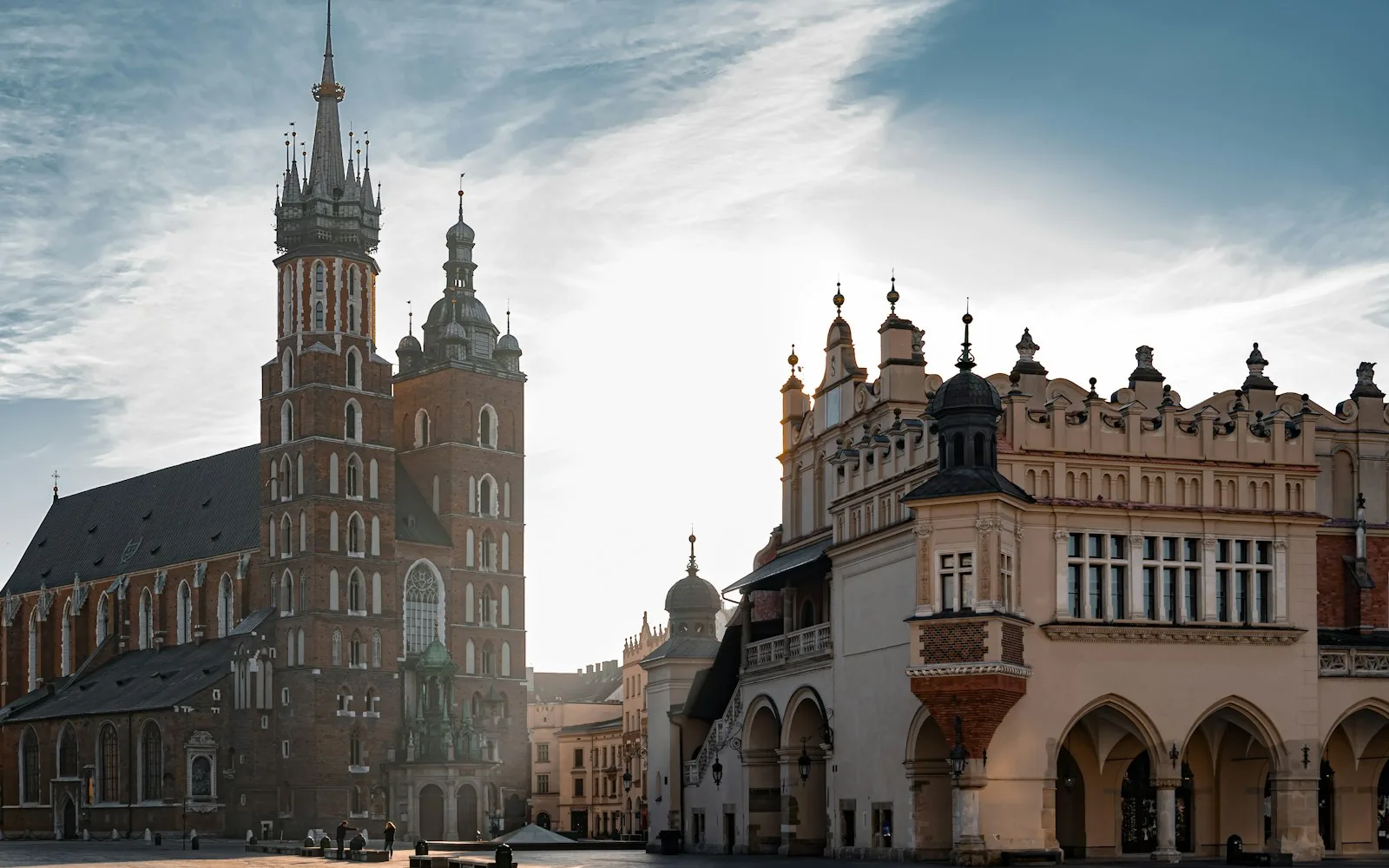
Poland’s medieval former capital pairs Europe’s largest market square with a fairy-tale old town, and prices for food, beer and museums stay among the lowest of any major European city. Spring and early autumn are ideal.
2. Budapest, Hungary
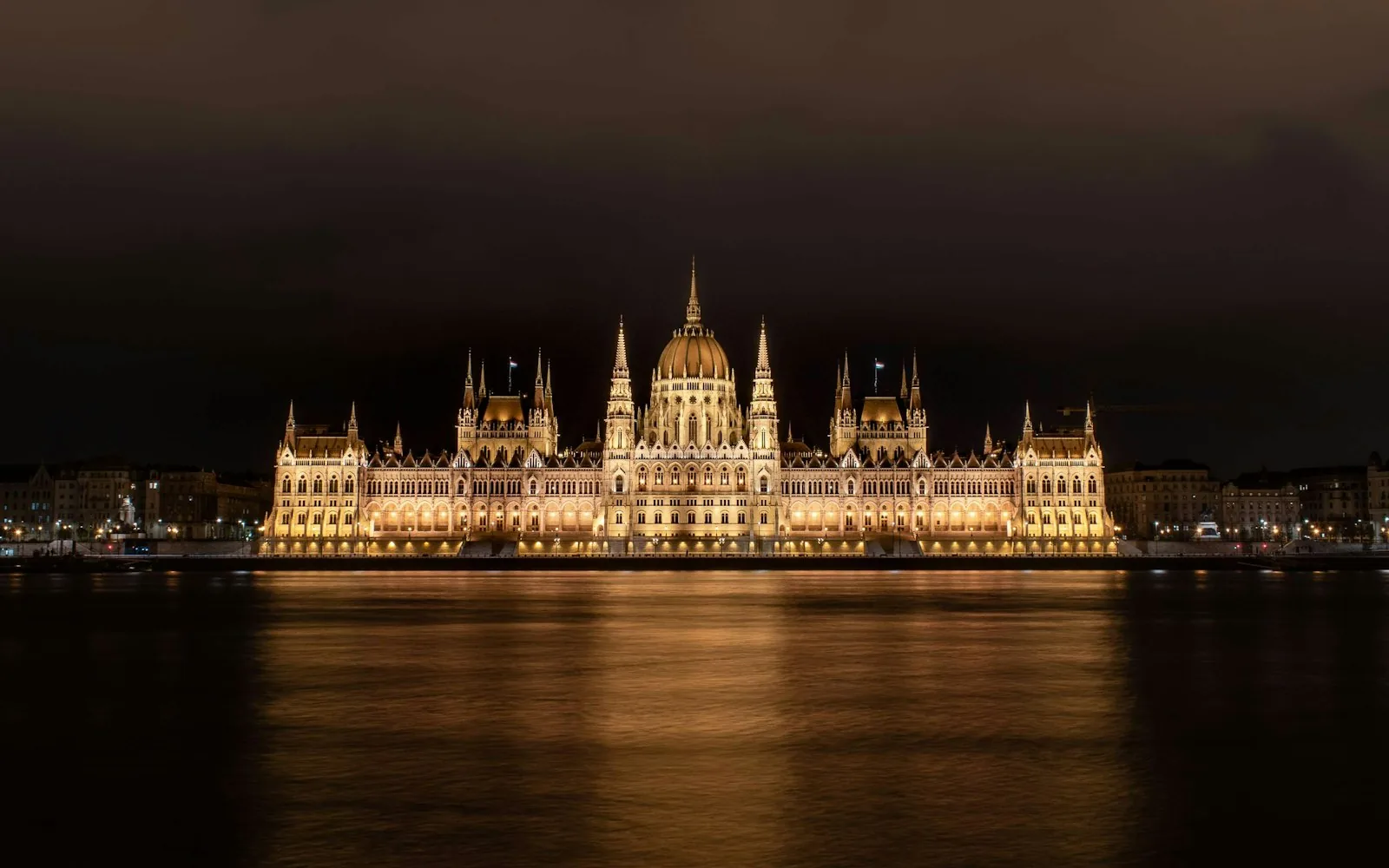
Best months: Aug–Oct · 13–23°C days · some rain (ERA5 climate data)
Grand boulevards, thermal baths and a Danube dividing hilly Buda from flat Pest make Budapest feel pricier than it is. Ruin bars and street food keep costs down; visit in spring or autumn.
3. Porto, Portugal
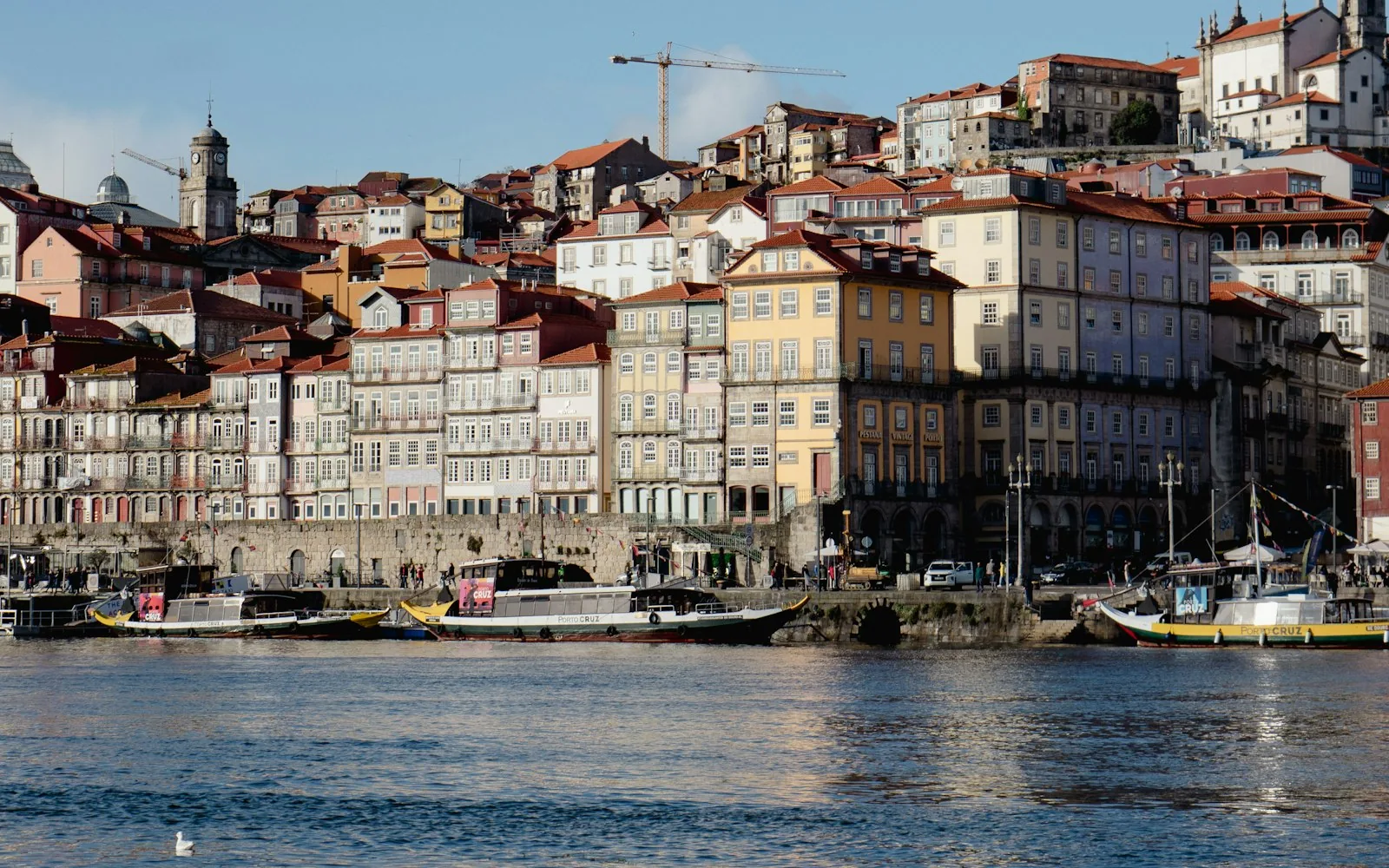
Best months: Jun–Aug · 18–28°C days · dry (ERA5 climate data)
Portugal’s second city tumbles in tiled houses down to the Douro, where port lodges line the far bank. Hearty food, cheap local wine and a compact centre make it a bargain — go in late spring or September.
4. Prague, Czech Republic
Best months: Jul–Sep · 15–25°C days · rainy (ERA5 climate data)
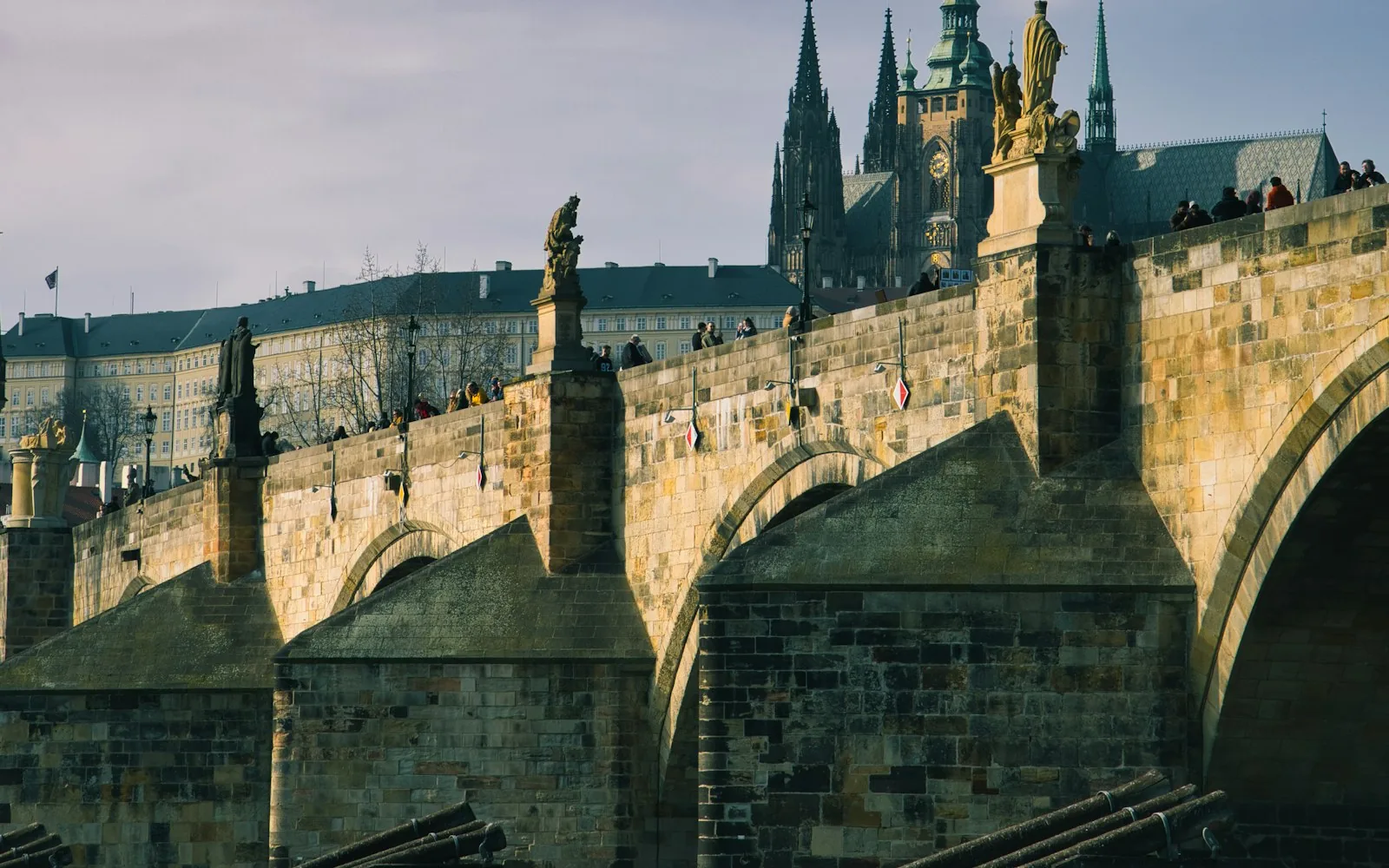
The Czech capital’s gothic spires, hilltop castle and Charles Bridge draw crowds, yet a local beer still costs less than bottled water in much of Western Europe. Shoulder seasons dodge the summer crush.
5. Belgrade, Serbia
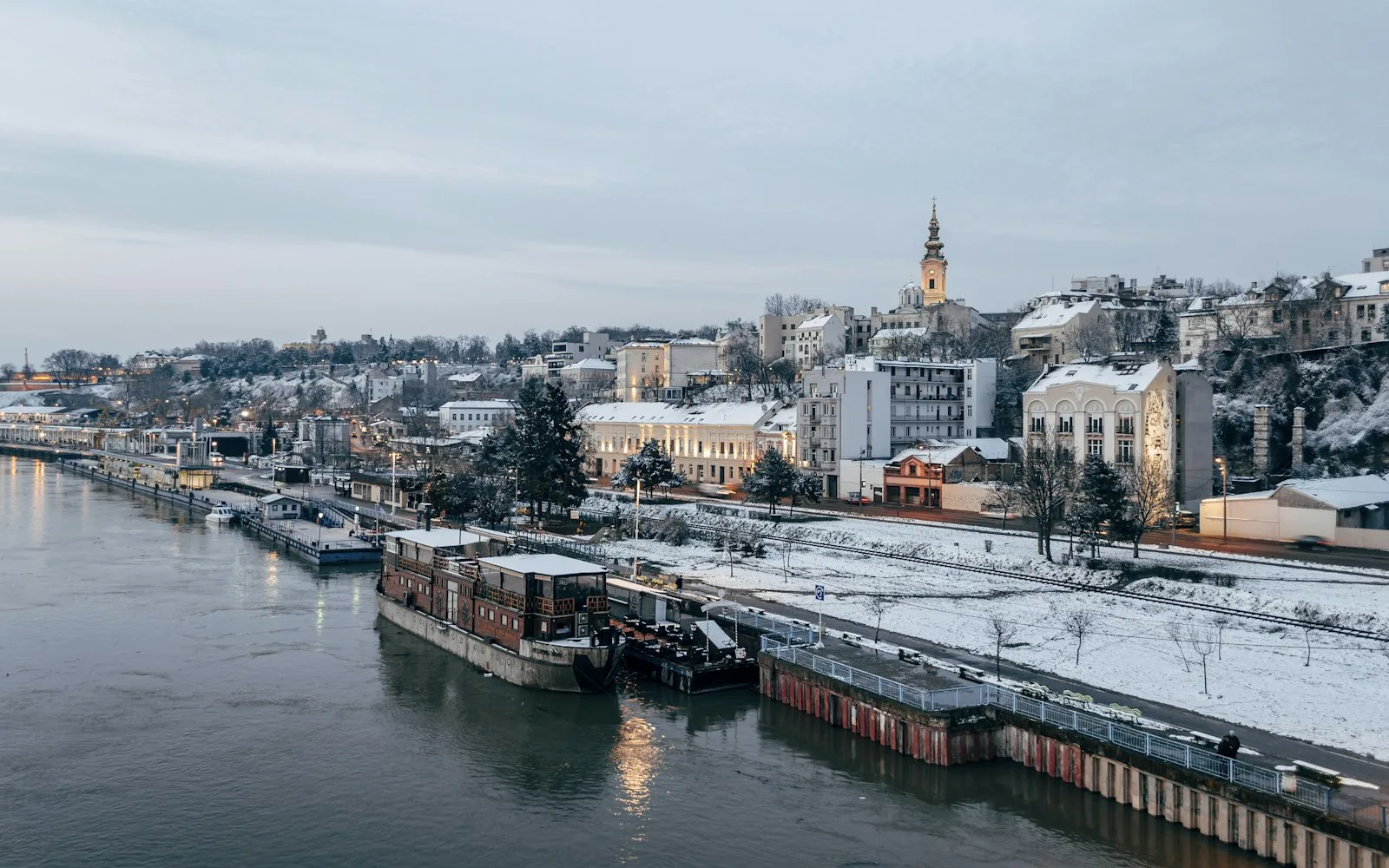
Serbia’s energetic capital sits where the Sava meets the Danube, with a café and nightlife scene at a fraction of EU prices. Late spring and early autumn are the most pleasant.
6. Sofia, Bulgaria
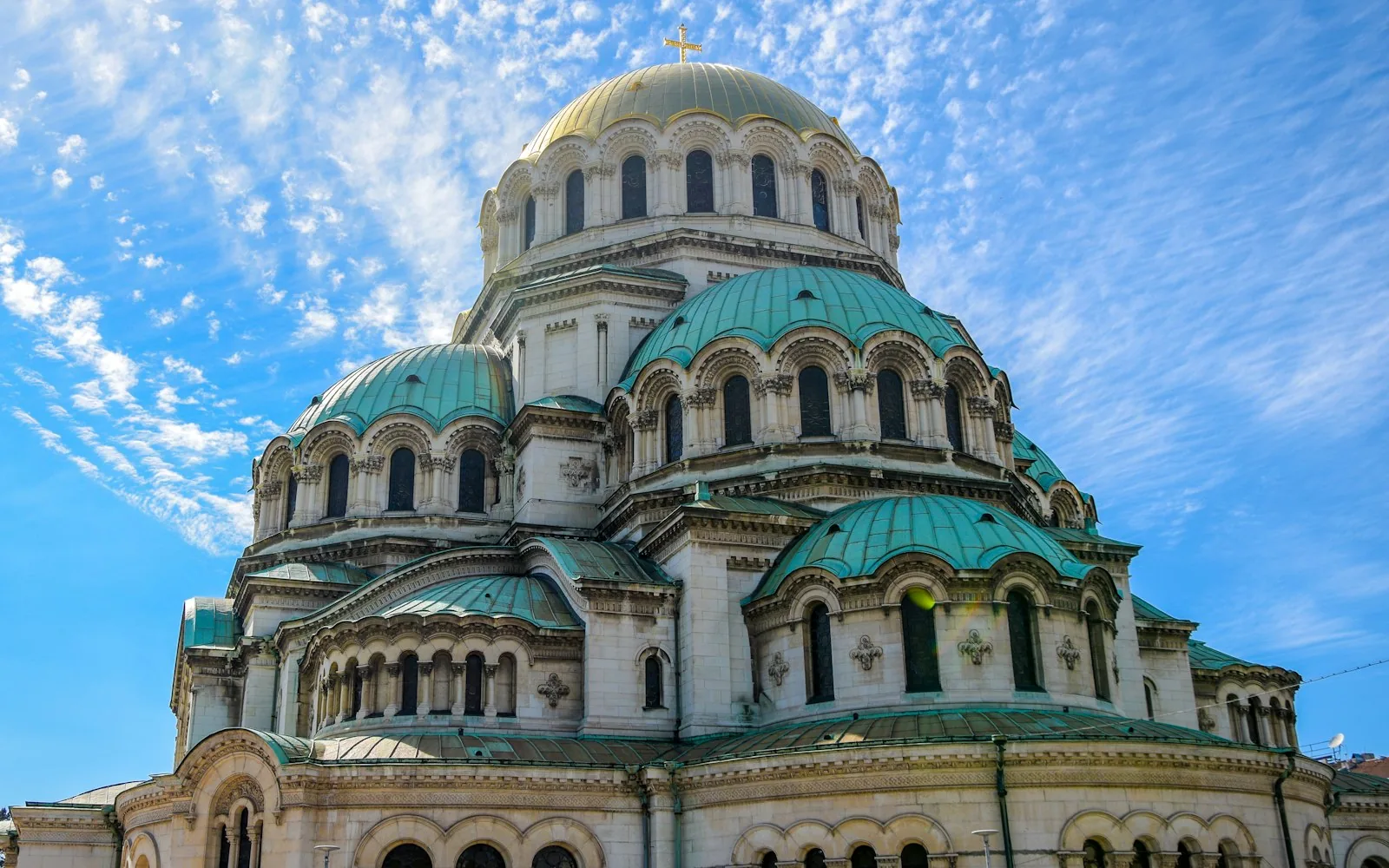
Backed by Vitosha mountain, Bulgaria’s capital mixes Roman ruins, golden-domed churches and some of the lowest prices in the EU. Spring and autumn are the sweet spots.
7. Bucharest, Romania
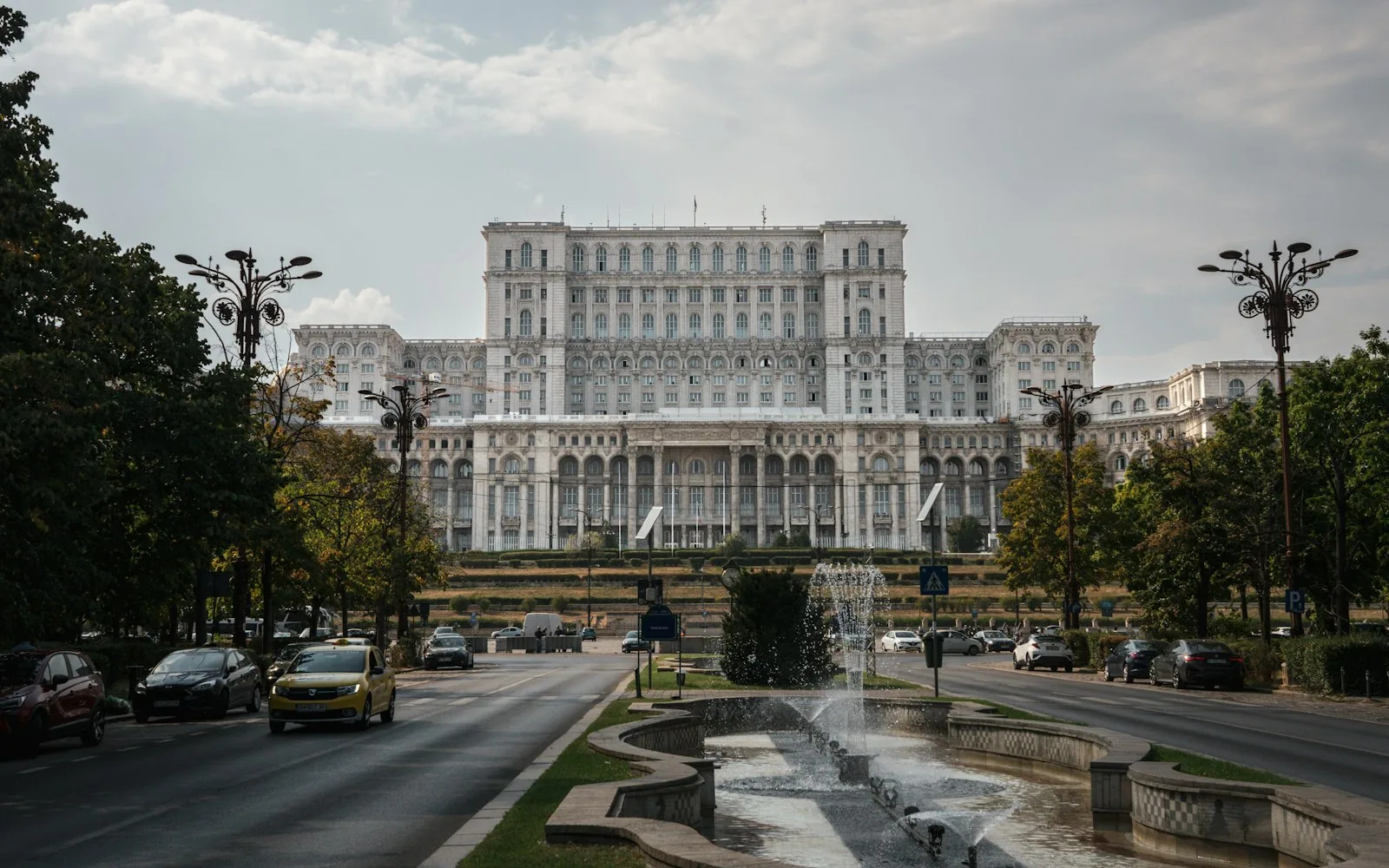
Grand boulevards, leafy parks and a lively old town make Romania’s capital an underrated, low-cost city break. Food and transport are cheap; visit in spring or early autumn.
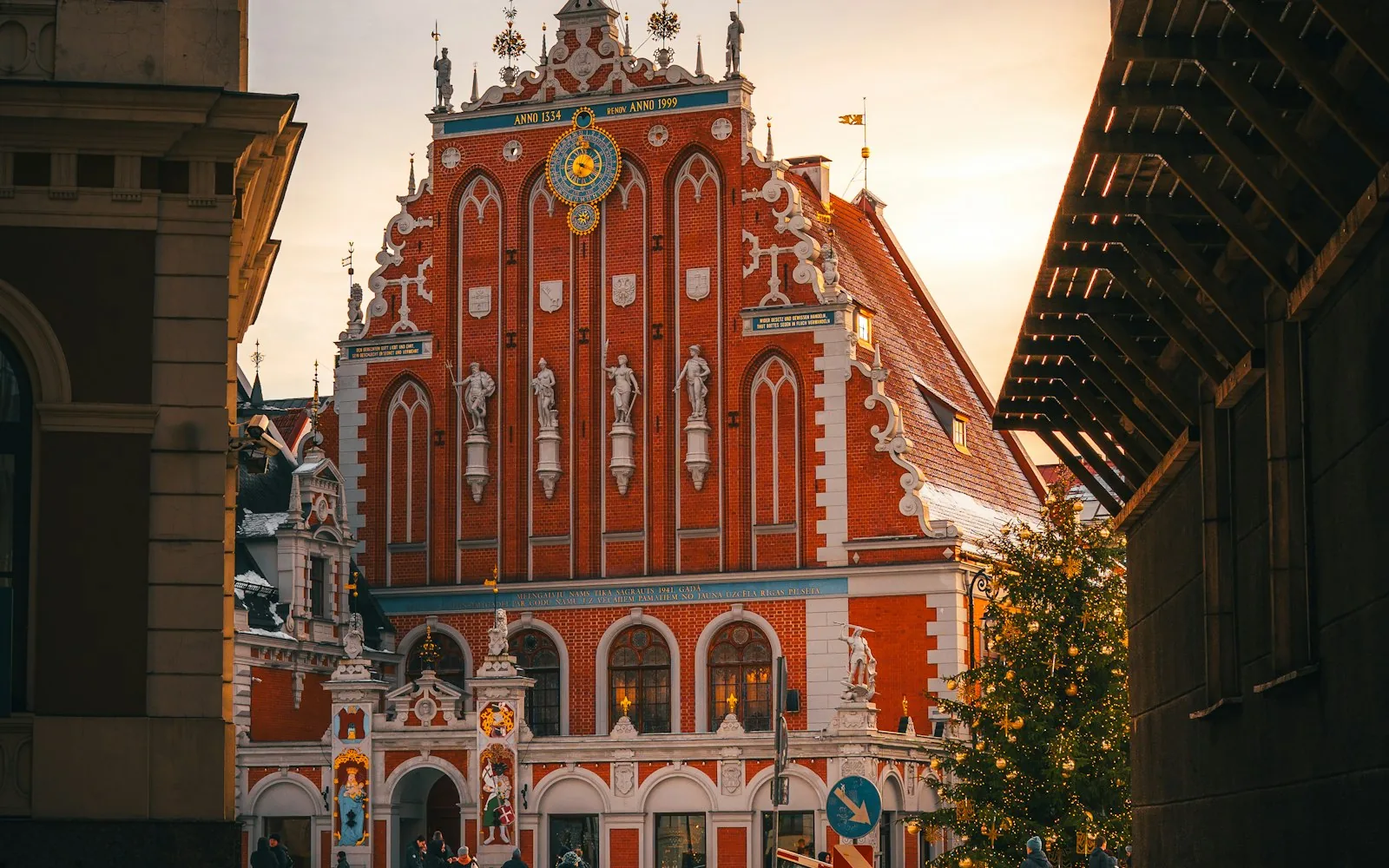
8. Riga, Latvia
The Baltic’s largest city wraps a UNESCO-listed medieval core in one of Europe’s finest displays of art nouveau. Prices stay modest, and the long days of summer are the highlight.
9. Athens, Greece
Best months: Sep–Nov · 15–24°C days · dry (ERA5 climate data)
The Acropolis crowns a sprawling, sun-baked capital where souvlaki, ouzo and ancient ruins all cost little. Spring and autumn sidestep the fierce summer heat.

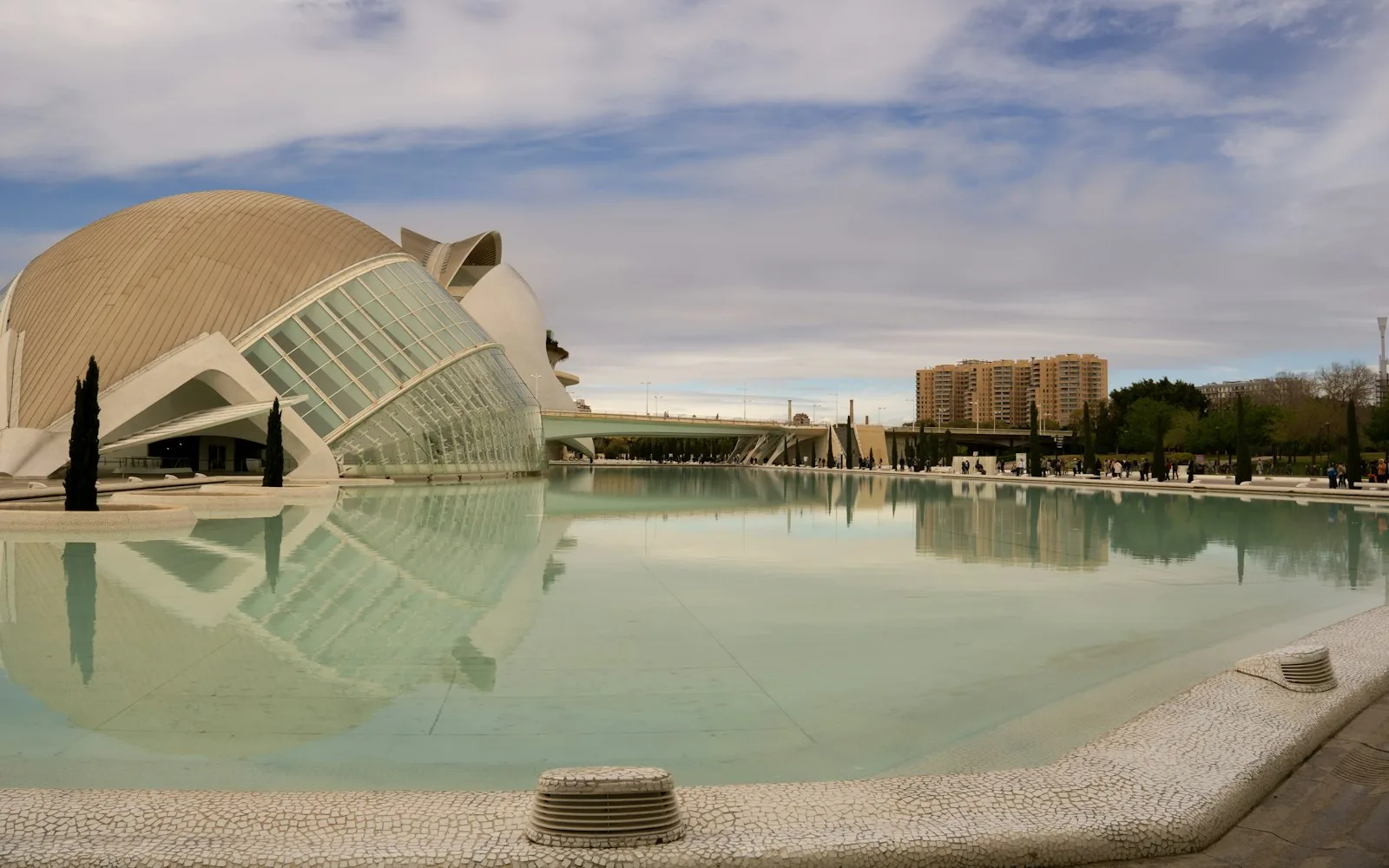
10. Valencia, Spain
Best months: Apr–Jun · 12–25°C days · some rain (ERA5 climate data)
Spain’s third city serves up beaches, futuristic architecture and the birthplace of paella at prices well below Barcelona or Madrid. Spring — and the fiery March Fallas festival — is a great time to visit.
How to travel Europe on a budget
Central and Eastern Europe and the Balkans deliver the most for your money: meals, transport and museums typically cost a fraction of what they do in London, Paris or the Nordic capitals. Travel in the shoulder seasons — roughly April to May and September to October — for cheaper flights and thinner crowds, use the region’s inexpensive intercity trains and buses to string several cities together, and favour local tavernas and markets over tourist-strip restaurants. Most of these centres are compact enough to explore entirely on foot.
Frequently Asked Questions
What is the cheapest city to visit in Europe?
When is the cheapest time to visit Europe?
Is Western Europe more expensive than Eastern Europe?
Related Articles
You Might Also Love


Written by
John Morrison is the founder and lead travel writer at Packzup. Over the past decade he has explored destinations across Africa, the Americas, Asia, Europe, the Middle East, and Oceania — always self-funded, never on a press trip.
Working out the money? Check whether your destination is a cash or card country, how much to bring, and how to dodge ATM fees and the DCC trap.