Quick Answer
The best European cities for long-term stays combine low costs, fast internet and easy visas: Lisbon and Porto in Portugal, Kraków and Budapest in Central Europe, Valencia in Spain, plus Sofia, Belgrade, Riga and Bucharest for the best value of all. Here are 10, with what living there is actually like.
Staying somewhere for a month or a season is a different calculation from a holiday — rent, internet, visa rules and whether the city still works in February all matter more than sights. These 10 European cities are the ones that hold up, each with its costs, community and practicalities.
10 of the Best European Cities for Long-Term Stays
1. Lisbon, Portugal
Best months: Jun–Aug · 18–28°C days · dry (climate data)
Mild winters, fast internet and a huge remote-work community. Costs have risen, but Lisbon still beats northern Europe — and the light and food are hard to leave.
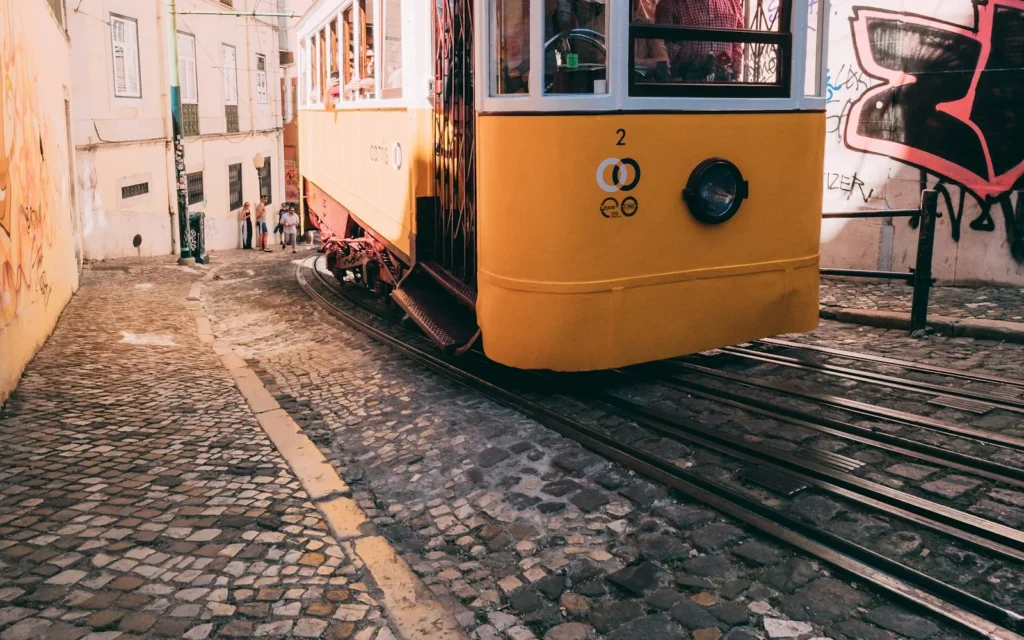
Lisbon was the default European nomad base for a decade and the honest current position is that it has become expensive – short-term rental pressure pushed rents up sharply, and the city has since restricted new licences in response. It remains excellent for climate, English usage, flight connections and food value. Portugal’s D7 and digital nomad visas are the standard routes for longer stays; the NHR tax regime closed to new entrants and was replaced by a narrower scheme.
2. Porto, Portugal
Best months: Jun–Aug · 18–28°C days · dry (climate data)
Cheaper and calmer than Lisbon, with the same climate, a walkable centre and the Douro valley on the doorstep. Portugal’s D8 visa suits long stays.
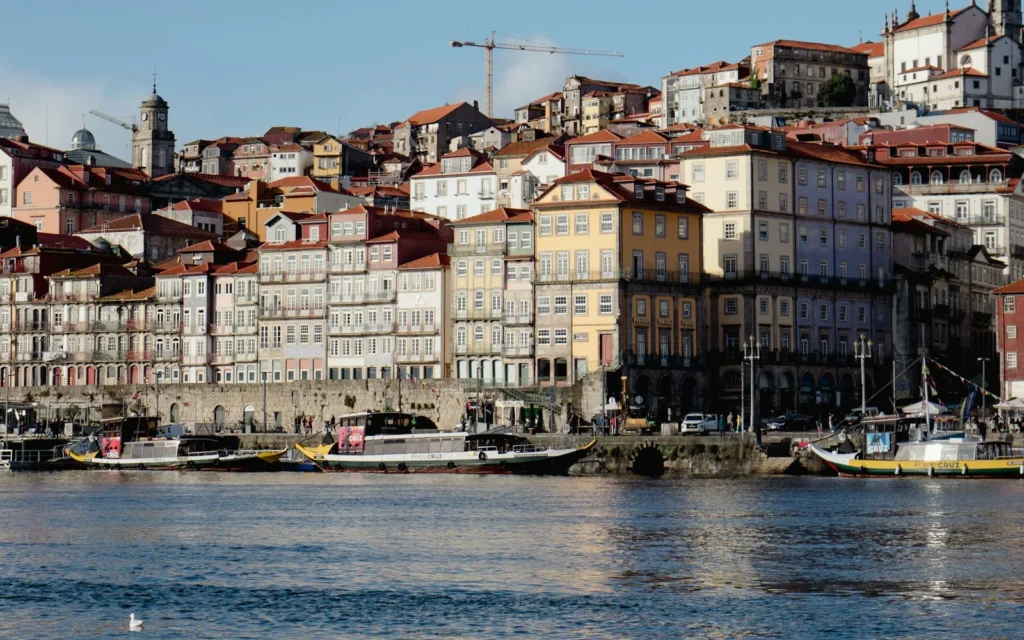
Porto runs roughly fifteen to twenty-five percent below Lisbon on rent and eating out, and it is small enough to live in without transport – though it is genuinely steep, which is the thing photographs do not convey. The coworking scene is smaller but established, and the airport is well connected within Europe. Winters are wetter and cooler than Lisbon’s. The Douro valley and the beaches at Matosinhos are both within easy reach for weekends.
3. Kraków, Poland
Among the best value in the EU: low rents, excellent cafés and coworking, and a compact medieval centre you can live in without a car.
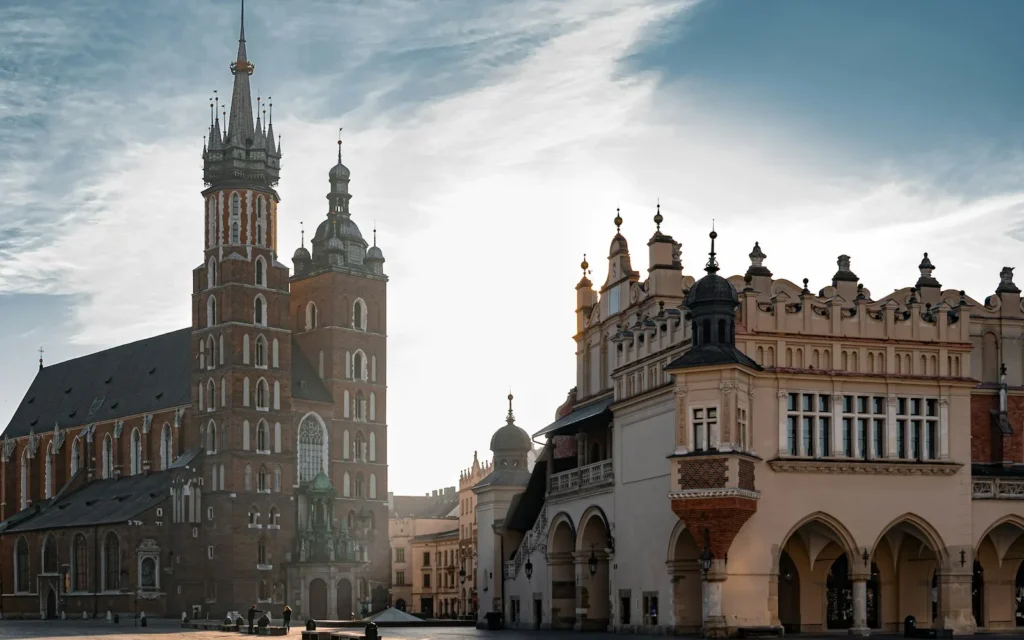
Krakow combines low costs with a large established tech and business services sector, which means reliable infrastructure, fast internet and coworking aimed at professionals rather than travellers. Poland is in the EU and Schengen, so the ninety-day rule applies to non-EU visitors, and Poland offers a business visa route. Winters are genuinely cold and dark from November to February, which is the main thing to weigh against the summer.
4. Budapest, Hungary
Best months: Aug–Oct · 13–23°C days · some rain (climate data)
Grand architecture, thermal baths and some of Europe’s lowest costs for a capital, with a well-established digital-nomad scene.
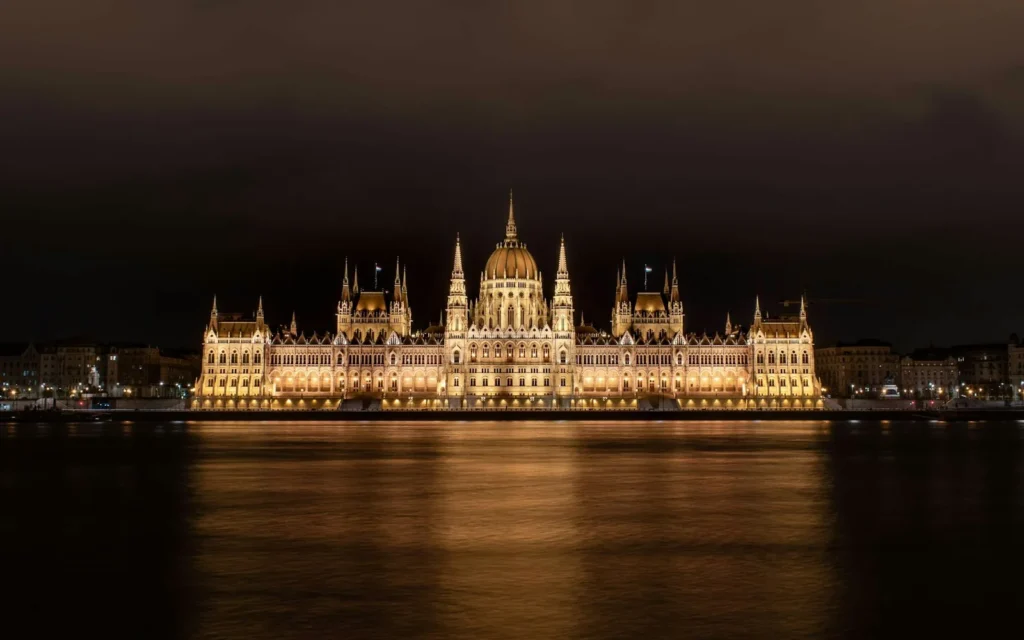
Budapest offers the largest gap on this list between quality of city and cost of living – grand architecture, thermal baths as everyday infrastructure, and a serious cafe and ruin bar culture, at central European rather than western prices. Hungary offers a digital nomad residence permit, the White Card. The caveats are air quality in winter, a language with no relatives that makes casual learning hard, and a currency outside the euro that has been volatile.
5. Valencia, Spain
Best months: Apr–Jun · 12–25°C days · some rain (climate data)
Beaches, bike lanes and paella at Spanish prices well below Barcelona or Madrid — consistently rated among the world’s most liveable cities.
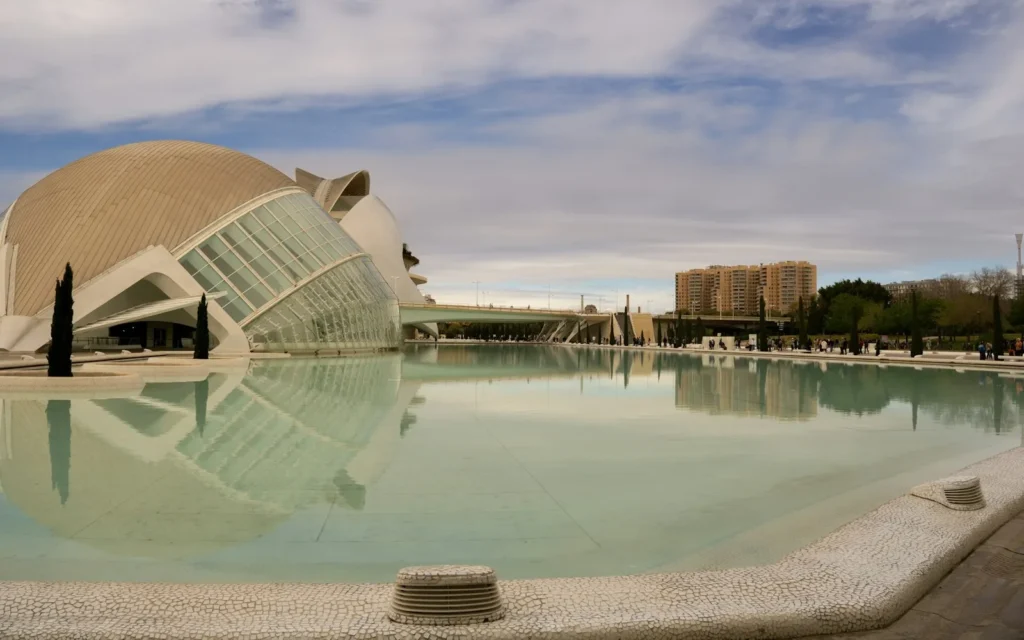
Valencia is the practical alternative to Barcelona and Madrid: a beach in the city, the Turia gardens running through a drained riverbed, a milder climate than Madrid and costs well below Barcelona. Spain’s digital nomad visa, introduced in 2023, made longer stays straightforward for non-EU remote workers and carries a favourable tax option in some cases. The city is flat and cyclable, which few Spanish cities are.
6. Prague, Czech Republic
Best months: Jul–Sep · 15–25°C days · some rain (climate data)
Beautiful, central and well-connected, with reliable infrastructure and a long-standing expat community. Winters are cold but the city works.
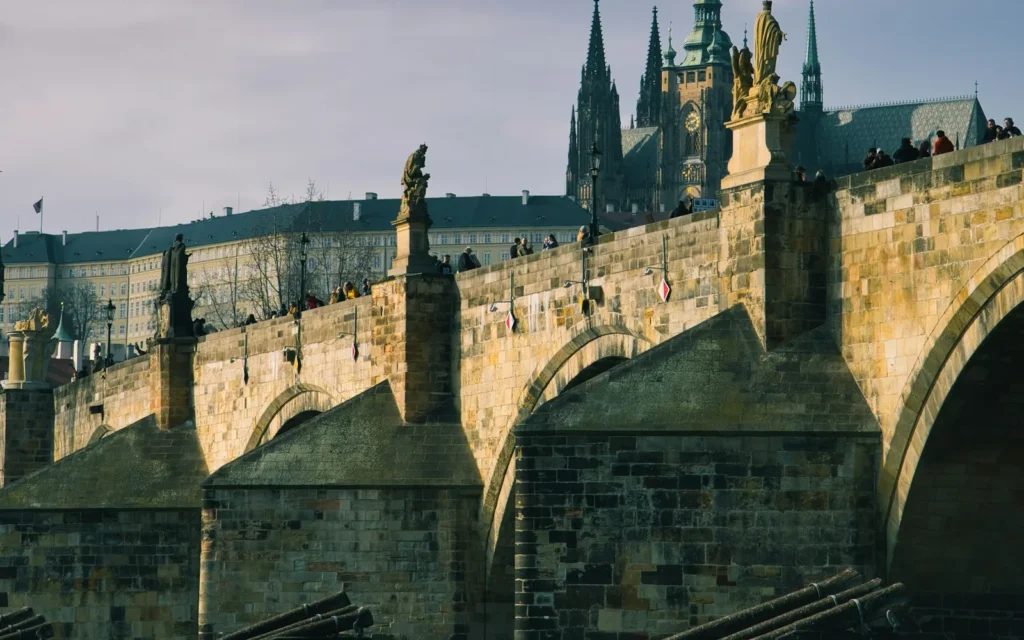
Prague’s centre has western European prices and two or three tram stops out it does not, which is the entire budgeting strategy – living in Vinohrady, Zizkov or Holesovice costs a fraction of the old town. The transport system is excellent and cheap. Czechia offers the zivnostensky list, a trade licence route that has long been used by freelancers for residence. Winters are cold and grey; the summer and autumn make up for it.
7. Sofia, Bulgaria
The cheapest EU capital for long stays, with fast internet, a mountain on the doorstep and a growing tech scene.
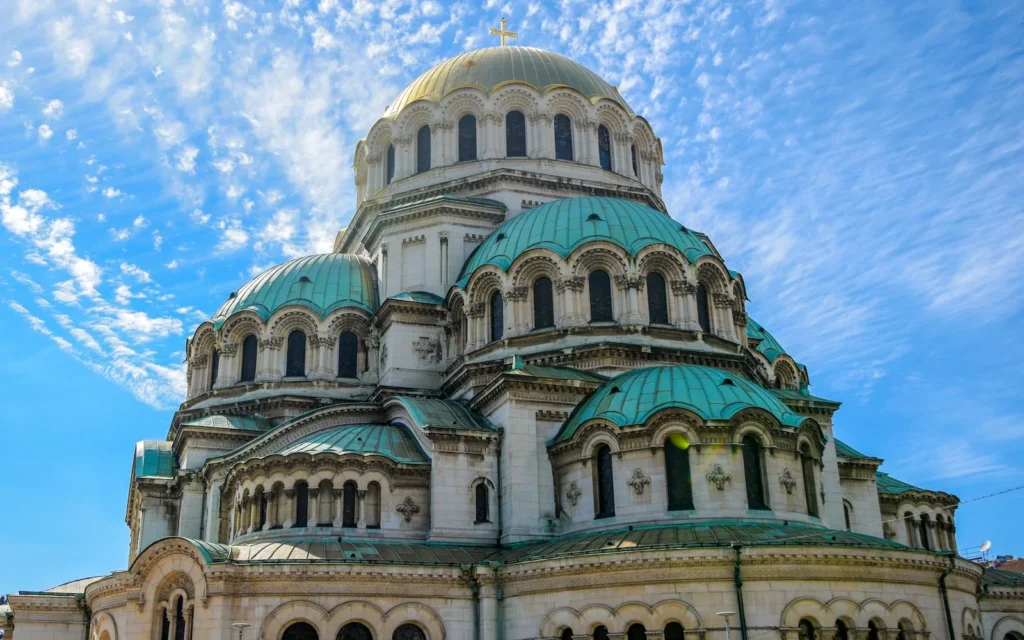
Sofia is among the cheapest capitals in the EU and has a large IT outsourcing sector, so the internet infrastructure and coworking supply are better than the price level suggests. Bulgaria joined the Schengen area for air and sea borders in 2024. Vitosha mountain rises directly behind the city and is reachable by public transport for hiking and skiing, which almost no other European capital offers. The Cyrillic alphabet is the main day-to-day friction.
8. Belgrade, Serbia
Outside the EU and Schengen, which suits longer stays — plus low costs, riverside nightlife and genuine warmth.
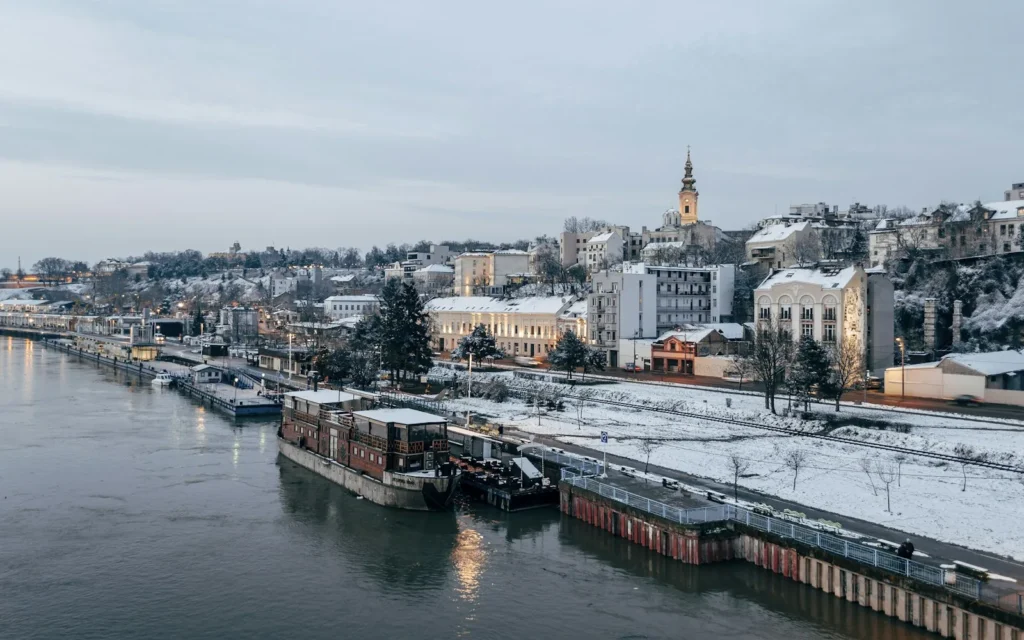
Belgrade’s advantage for non-EU citizens is that Serbia is outside Schengen, so time spent there does not consume the ninety-day allowance – which makes it a standard reset base for people cycling around the Schengen limit. Costs are low, the nightlife is genuinely notable, and the city has absorbed a large influx of remote workers since 2022, which has pushed rents up. The visa-free allowance for most nationalities is thirty days per entry.
9. Riga, Latvia
Art nouveau streets, Baltic beaches an hour away and low rents for an EU capital, with English widely spoken.
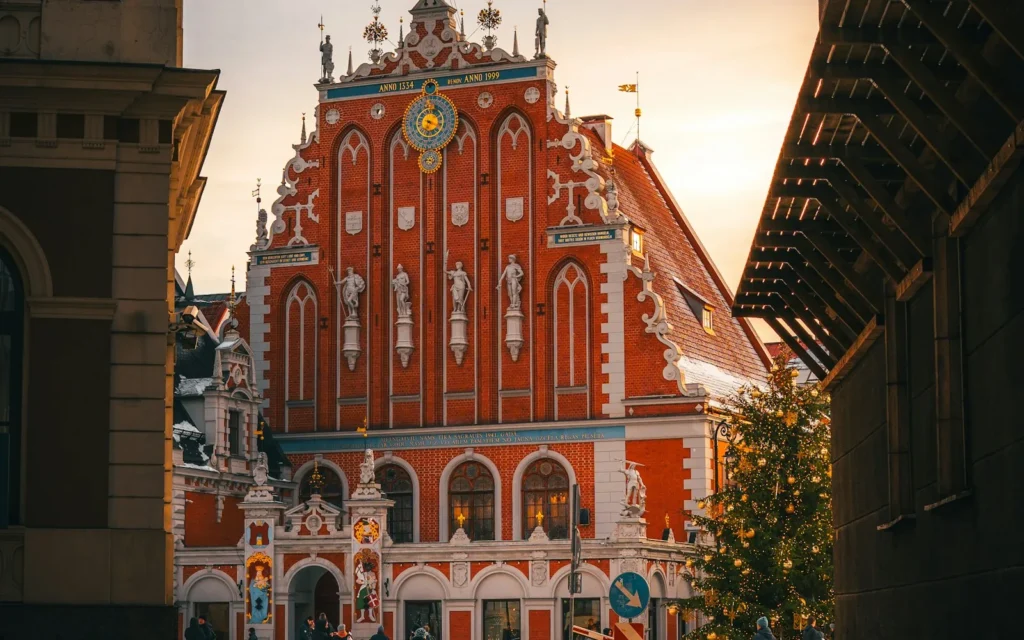
Riga is the cheapest of the Baltic capitals and has about a third of central Europe’s densest Art Nouveau architecture, roughly 750 buildings. Latvia was among the first countries to introduce a dedicated digital nomad visa for OECD nationals. The city is compact, the airport is a regional hub, and the Baltic coast at Jurmala is half an hour away. The winter is long and very dark, which is the honest constraint on a year-round base.
10. Bucharest, Romania
Some of Europe’s fastest internet, low costs and easy access to Transylvania — an underrated long-stay base.
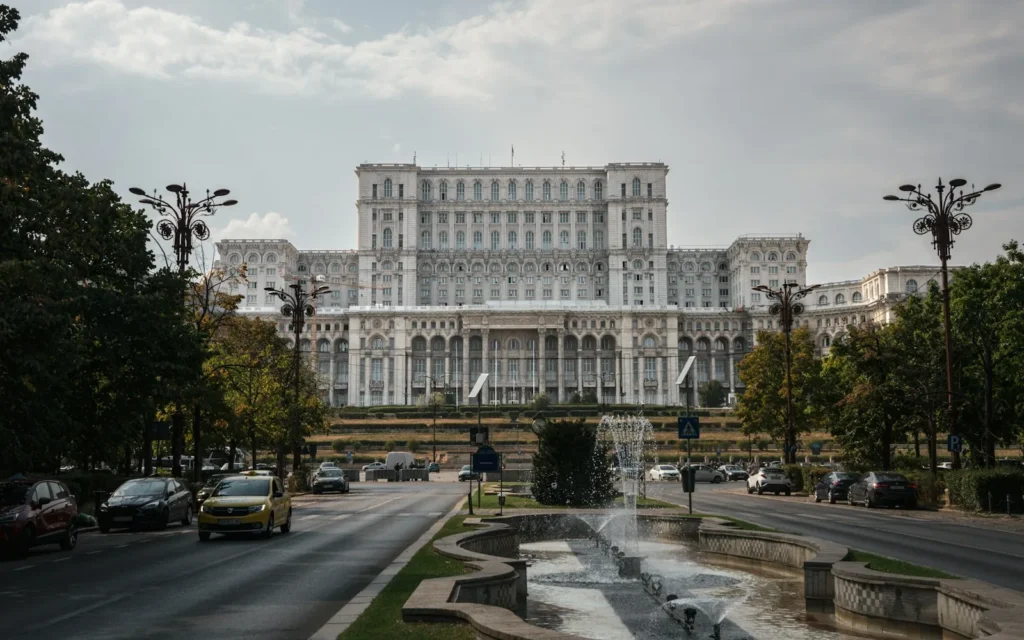
Bucharest has some of the fastest and cheapest consumer internet in the world, a legacy of early fibre rollout, which is a concrete advantage for anyone whose income depends on a connection. Costs are low and the food scene has improved markedly. Romania offers a digital nomad visa. The city itself is architecturally chaotic – Belle Epoque, communist-era blocks and new build side by side – and the mountains at Brasov are two hours north.
Visas, costs and practicalities
EU rules allow most non-EU visitors 90 days in any 180 within the Schengen area — the main constraint on long stays. Portugal, Spain, Greece, Croatia and Estonia now offer digital-nomad visas for stays beyond that, typically requiring proof of remote income. Non-Schengen options such as Serbia and Albania give you extra breathing room between Schengen stints. For monthly rents, book directly or negotiate long-stay discounts rather than paying nightly rates, and always test internet speed before committing to a place.
Frequently Asked Questions
Which European city is best for long-term stays?
Lisbon and Porto lead for climate and community, Kraków and Budapest for value, and Valencia for overall liveability.
How long can you stay in Europe?
Most non-EU visitors get 90 days per 180 in the Schengen zone. Digital-nomad visas in Portugal, Spain and others allow longer, and non-Schengen countries like Serbia reset the clock.
Which is cheapest?
Sofia, Bucharest and Belgrade are the lowest-cost, with Kraków and Budapest close behind.