Last updated September 1, 2026 · Editorial policy
- 1. Torres del Paine W Trek, Chile
- 2. Tour du Mont Blanc
- 3. Everest Base Camp, Nepal
- 4. Milford Track, New Zealand
- 5. Laugavegur, Iceland
- 6. The Inca Trail, Peru
- 7. Kungsleden, Sweden
- Trail wisdom
- Why Each Trek Earns Its Place: Season, Cost & the Timing Edge
- The High-Altitude & Remote Picks: Everest, Milford & Laugavegur Logistics
- How to Choose — and How to Actually Get There
Quick answer: The world’s great walks: Torres del Paine’s W Trek, the Tour du Mont Blanc, Everest Base Camp, New Zealand’s Milford Track and Iceland’s Laugavegur — each a different masterpiece of trail design.
1. Torres del Paine W Trek, Chile
Five days past granite towers, the French Valley and the Grey Glacier, sleeping in refugios or camps. Book refugios months ahead for December–February; the wind is part of the experience.
2. Tour du Mont Blanc
170km around Western Europe’s highest massif through France, Italy and Switzerland — pastries in one valley, polenta in the next. Ten to eleven days, hut-to-hut, mid-June to mid-September.
3. Everest Base Camp, Nepal
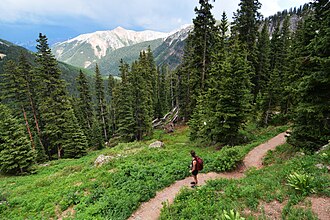
Twelve days through Sherpa villages and monasteries to the foot of the world’s highest mountain. Teahouses make it logistics-light; acclimatization days make it safe. October–November and March–May.
4. Milford Track, New Zealand
“The finest walk in the world” — four days of rainforest, alpine passes and thousand-metre waterfalls in Fiordland. Hut places release months ahead and vanish in minutes; book the day they open.

5. Laugavegur, Iceland
Four days through rhyolite mountains in sherbet colours, obsidian fields, hot-spring valleys and black deserts. Mid-July to early September only — and worth planning a year around.
6. The Inca Trail, Peru
Four days of cloud forest and Inca stonework ending at the Sun Gate above Machu Picchu at dawn. Permits cap the trail; reserve 4–6 months out or take the quieter Salkantay route.
7. Kungsleden, Sweden
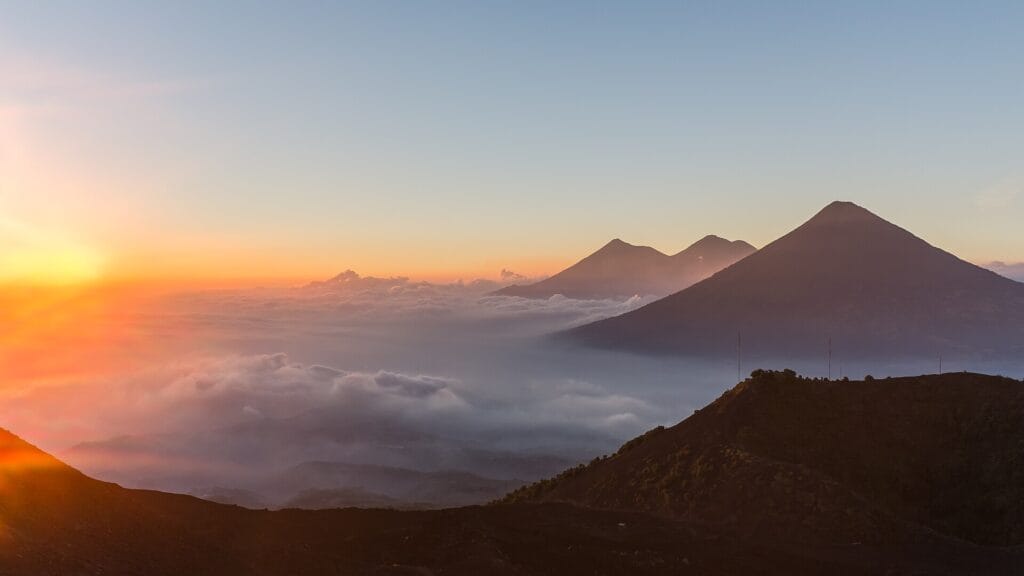
The King’s Trail: 440km of Arctic Lapland, best sampled on the hut-served Abisko–Nikkaluokta stretch in late August when the blueberries ripen and the mosquitoes relent.
Trail wisdom
Book huts and permits the day they open, train with a loaded pack on real hills, and build a weather day into anything alpine. The best souvenir is knees that still work — walk poles earn their place.
Why Each Trek Earns Its Place: Season, Cost & the Timing Edge
These five aren’t interchangeable bucket-list checkboxes. Each one rewards a specific kind of hiker, and each has a window where it shines and a price tag that can swing wildly. Here’s the honest breakdown.
- Torres del Paine W Trek (Chile): Go for the granite towers and the chance of seeing them light up amber at dawn. The trekking season runs roughly October to April; shoulder months (November, March) mean fewer crowds and easier hut availability than the December–February peak. Budget $600–900 self-guided (camping plus the ~$55 park entry fee), or $1,600–2,500+ for a comfort refugio package. Planning note: base camp at Chileno the night before the towers, then hike the final boulder field in the dark to reach the lookout for sunrise — it’s the single best light of the trip.
- Tour du Mont Blanc: A ~170 km loop through France, Italy, and Switzerland; most do it in 10–11 days. Huts are open mid-June to mid-September. Budget around €90–130 per night for half-board refuges (roughly €500 for 10 nights). Planning note: book refuges in January — they sell out by March.
The High-Altitude & Remote Picks: Everest, Milford & Laugavegur Logistics
The other three demand more planning — flights into thin air, a lottery-style booking window, and a Highland bus, respectively.
- Everest Base Camp, Nepal: A 12–14 day round trip starting with the white-knuckle flight into Lukla. Best in spring (March–May) or autumn (September–November) — October delivers the most reliable clear mornings. A standard guided package from a local Nepali agency runs $1,250–1,800, covering domestic flights, the two permits (~$40–50 combined), teahouses, meals, a guide and a porter. The Lukla round-trip flight alone is $350–420. Planning note: build in the acclimatization day at Namche Bazaar (3,440 m) and actually hike high to the Everest View Hotel — climbing high and sleeping low is what keeps altitude sickness at bay.
- Milford Track, New Zealand: A strictly one-direction, 53.5 km / 4-day walk from Te Anau Downs to Milford Sound. The Great Walks season runs 1 November to 30 April, and the three huts cost NZD $152/night for international hikers (NZD $456 total). Planning note: bookings for 2026/27 open at 9:30 a.m. on Wednesday 13 May 2026 — be logged in early; the whole season can sell out in minutes.
- Laugavegur, Iceland: 55 km from Landmannalaugar’s hot springs to the birch forests of Þórsmörk, over 3–4 days. Hike it late June to early September; huts run ~ISK 15,800 (~$112) per night, camping ~ISK 3,200. Self-guided tour packages start near €565. Planning note: the Hrafntinnusker section holds snow longest — book the early-September window for the most reliably clear footing.
How to Choose — and How to Actually Get There
Pick by what you want, not by reputation. Want the most dramatic single payoff with the least logistical friction? Take the W Trek — four to five days, hut beds available, no altitude. Craving long-distance, cross-border immersion with a comfortable bed and hot dinner every night? The Tour du Mont Blanc is unmatched. Chasing genuine high-altitude adventure and willing to plan around acclimatization? Everest Base Camp. Want a pristine, tightly managed rainforest-and-fiord experience and can win the booking race? Milford. After something otherworldly, short, and relatively affordable? Laugavegur.
Getting there, decoded:
- Torres del Paine: Fly into Punta Arenas, take a 2–3 hour bus (Bus-Sur and others) to Puerto Natales, then a 2-hour park bus to Pudeto — where the ~30-minute Lago Pehoé catamaran connects you to Paine Grande to start the W from the west.
- Tour du Mont Blanc: Fly into Geneva; a shared shuttle or train reaches Chamonix in about 1.5 hours. Shoulder-season Geneva fares can run 20–30% below the July–August peak.
- Everest Base Camp: Fly to Kathmandu, then the short Lukla flight (often via Ramechhap/Manthali during peak season to dodge delays).
- Milford Track: Base in Queenstown or Te Anau; the standard route is a boat from Te Anau Downs to the trailhead and a boat out from Sandfly Point.
- Laugavegur: Highland buses (Reykjavík Excursions and Trex) leave Reykjavík in the morning and reach Landmannalaugar around midday in summer; a hiker bus pass covers the return from Þórsmörk.
You Might Also Love

Written by
John Morrison is the founder and lead travel writer at Packzup. Over the past decade he has explored destinations across Africa, the Americas, Asia, Europe, the Middle East, and Oceania — always self-funded, never on a press trip.