
Last updated August 29, 2026 · Editorial policy
- Best time to visit Switzerland: at a glance
- Best Time to Visit Switzerland: Month-by-Month Guide
- Festivals & Events in Switzerland
- When to Visit by Travel Goal
- What to Avoid
- Booking Tips
- Why September Beats June as the Shoulder Sweet Spot (and the Late-Autumn Gap to Skip)
- Frequently Asked Questions
- Related Switzerland Travel Guides
- Related Articles
- Switzerland Month-by-Month Guides
Best time to visit Switzerland: at a glance
Short answer: June–September for hiking; December–March for skiing.
| Season | Months | What to expect |
|---|---|---|
| Peak | Jul–Aug, Dec–Feb | Alpine summer or ski season; busiest & priciest |
| Shoulder (best value) | Jun, Sep | Wildflowers or crisp views, fewer crowds |
| Low | Apr–May, Oct–Nov | Quiet ‘between-seasons’ lull |
Best Time to Visit Switzerland: Month-by-Month Guide
Quick take: Switzerland has a clear sweet spot — But the ‘wrong’ months aren’t always wrong. It depends on what you’re after.
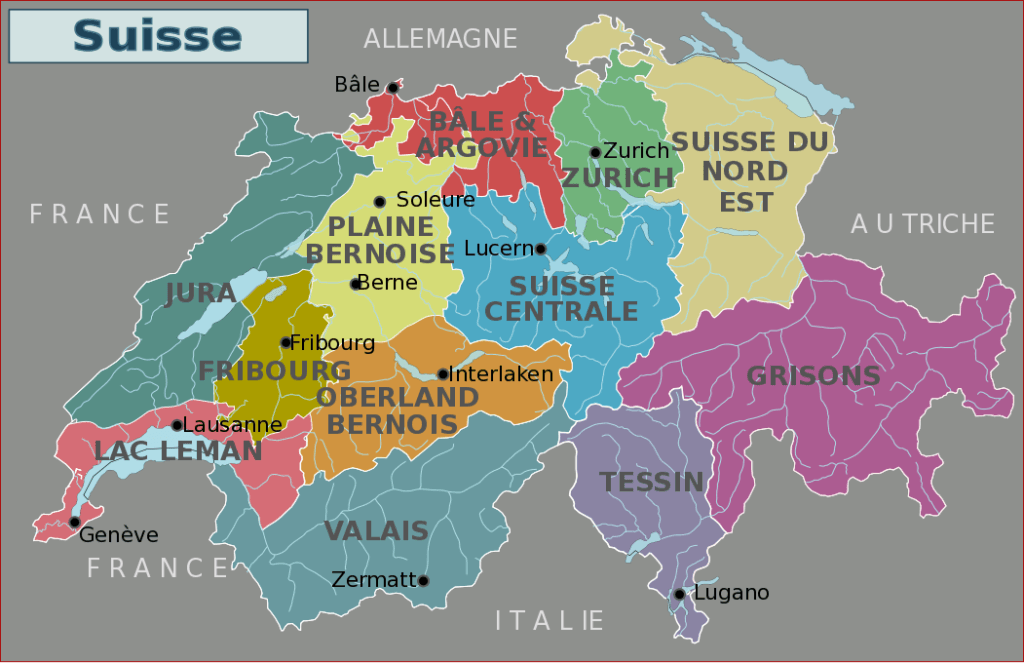
Knowing the best time to visit Switzerland can transform your trip — saving you hundreds on flights and hotels while putting you in better weather with fewer crowds. This guide breaks down each season, key events, and what to expect month by month so you can pick the right travel dates.
| Season | Months | What to Expect |
|---|

Festivals & Events in Switzerland
The Montreux Jazz Festival, running about two weeks in early-to-mid July, is Switzerland’s most booking-critical window: hotels around Lake Geneva sell out months ahead and rates climb steeply. If Montreux is your goal, secure accommodation as soon as dates are announced, typically the previous autumn or winter.
- Montreux Jazz Festival (Jul)
- Locarno Film Festival (Aug)
- Fasnacht (Basel Carnival) (Feb-Mar)
- Lucerne Festival (Aug-Sep)
- Sechseläuten (Apr)
When to Visit by Travel Goal
- Fewest crowds: April-May and late October-November are Switzerland’s genuine lulls, with quiet trails and towns but some lifts closed for maintenance. For quiet with everything open, aim for June or the last two weeks of September, once summer holiday crowds have left the Jungfrau and Zermatt regions.
- Festivals & culture: Montreux Jazz Festival takes over Lake Geneva for roughly two weeks in early-to-mid July, and Basel’s Fasnacht carnival erupts for three days in late February or early March. Add the Locarno Film Festival in August and Lucerne Festival concerts through August-September.
- Budget travelers: The real cheap windows are the between-seasons: April-May and late October-November, when lifts pause and resort hotels drop rates. June and September deliver near-peak hiking weather at noticeably lower prices than July-August. Avoid Christmas, New Year, and the February ski weeks, typically the priciest dates of the year.
What to Avoid
- Major holidays: Christmas through New Year and the February sports-holiday weeks (Swiss and German school ski breaks) pack the resorts; Easter brings a spring surge. Swiss National Day on August 1 fills mountain towns with fireworks crowds, and Ascension and Whitsun long weekends in May-June spike domestic travel.
- Closures: Switzerland’s between-seasons are real: many cable cars and lifts shut for maintenance from late October into November (the Lauterbrunnen-Murren line and parts of Titlis, for example), high alpine passes like the Furka and Grimsel typically close from autumn until around June, and some resort hotels shutter in November and May.
Booking Tips
- Switzerland has two booking peaks: July-August hiking season and the Christmas-to-February ski window. For summer trips, aim to book around 3-4 months out; for Christmas, New Year, or February ski weeks, lock in flights by early autumn. Shoulder trips in June or September typically need far less lead time.
- Switzerland’s shoulder months are June and September. June brings wildflower meadows but lingering snow on the highest trails; September typically offers the clearest alpine skies, open lifts, and the cattle-descent festivals, at rates well below July-August. Early December and late March play the same role either side of ski season.
- The school calendars that matter here are Swiss, German, Dutch, and British: their July-August summer breaks drive the alpine hiking peak, while Swiss and German February sport weeks and UK half-term fill the ski resorts. Cantonal holidays are staggered, so February crowding typically rolls on for several weeks.
- Travel insurance matters here mainly for the mountains: standard policies often exclude skiing, snowboarding, and off-piste terrain, so add winter-sports cover for a December-March trip. Summer hikers should check that mountain rescue and helicopter evacuation are included, since Swiss air rescue can otherwise be very expensive.
Why September Beats June as the Shoulder Sweet Spot (and the Late-Autumn Gap to Skip)
Both shoulder windows save you money, but they are not equal. June still carries lingering snowmelt that can keep high trails muddy and the highest passes patchy, while September delivers the clearest skies of the year at altitude, the thinnest summer queues, and accommodation running roughly 20-30% below July and August. Days in Zermatt and St Moritz reach the mid-teens Celsius, dropping toward freezing overnight, so the air stays crisp and visibility is long for ridge walks. That stability is why late September edges out June for most first-timers.
September also lands you inside the alpine cattle-descent season, when herds come down from summer pasture under flower-and-bell headdresses. Two confirmed 2026 dates worth planning around:
- Gstaad Zuglete opens the season on 5 September
- The Wengen Alpabzug runs around 20 September, paired with golden larches above Lauterbrunnen
The period to genuinely avoid is the late-October-to-late-November lull. This is when operators close lifts for maintenance before ski season: the Lauterbrunnen-Murren cableway shuts roughly 26 October to 6 November 2026, and parts of the Titlis system close in late October. Arrive then and the marquee mountains can simply be unreachable.
Frequently Asked Questions
Are there major festivals in Switzerland?
Yes — Switzerland hosts notable events including: Montreux Jazz Festival (Jul), Locarno Film Festival (Aug), Fasnacht (Basel Carnival) (Feb-Mar), Lucerne Festival (Aug-Sep), Sechseläuten (Apr). Major festivals can spike hotel prices 50-200% — book 3-6 months ahead if attending.
What should I pack for Switzerland?
Pack for the season you’re visiting and the climate zone. Summer in Switzerland: lightweight breathable clothes, sunscreen, hat, comfortable walking shoes. Winter: layers, waterproof jacket, warm accessories. Check the 10-day forecast 1-2 weeks before departure and adjust.
Related Switzerland Travel Guides
- 20 Best Things to Do in Switzerland (2026): Alps, Lakes & Trains
- Best Food in Switzerland: Fondue, Raclette & Chocolate (2026)
- Switzerland Travel Guide: Complete Planning + Itinerary (2026)
Related Articles
- Switzerland Visa Requirements: The Complete Guide
- How Much Does a Trip to Switzerland Cost?
- Cost of 1 Week in Switzerland: Real Budget Breakdown
- Switzerland vs Austria: Which Alpine Country Wins?
Switzerland Month-by-Month Guides
Switzerland in June · Switzerland in July · Switzerland in September · Switzerland in December
Key Takeaways
- Best months: June, August, December
- Avoid: Peak tourist season for lower prices and fewer crowds
- Budget tip: Shoulder months offer the best value — good weather at 30-50% lower costs
- Book ahead: Flights and hotels are cheapest 6-8 weeks before travel
Planning the trip? Follow our Switzerland Itinerary.
Torn between destinations? See our honest, first-hand comparisons: Germany vs Switzerland, France vs Switzerland, Iceland vs Switzerland, Norway vs Switzerland, Italy vs Switzerland.
Plan the practical side: Best Food in Switzerland, Best Things to Do in Switzerland.
Switzerland weather & climate by month
Best months to visit: June, July, August, September. Switzerland’s warmest month is July (avg 25°C / 77°F), the coolest is January (low -2°C / 29°F). The wettest is May (128 mm) and the driest is February.
| Month | Avg high | Avg low | Rainfall | Rainy days |
|---|---|---|---|---|
| January | 4°C / 40°F | -2°C / 29°F | 63 mm | 10 |
| February | 9°C / 47°F | -0°C / 31°F | 60 mm | 9 |
| March | 11°C / 51°F | 1°C / 34°F | 71 mm | 11 |
| April | 14°C / 58°F | 4°C / 39°F | 80 mm | 11 |
| May | 18°C / 64°F | 8°C / 46°F | 128 mm | 12 |
| June | 24°C / 75°F | 14°C / 57°F | 128 mm | 12 |
| July | 25°C / 77°F | 15°C / 60°F | 126 mm | 12 |
| August | 24°C / 76°F | 15°C / 59°F | 119 mm | 12 |
| September | 21°C / 69°F | 12°C / 53°F | 87 mm | 10 |
| October | 16°C / 60°F | 8°C / 46°F | 85 mm | 10 |
| November | 9°C / 47°F | 3°C / 37°F | 76 mm | 10 |
| December | 5°C / 42°F | -0°C / 32°F | 83 mm | 12 |
Climate source: Open-Meteo / WMO climate normals (WMO 1991–2020, or ERA5 2019–2023 where unavailable). Compare destinations in the Best Time to Visit Index.
You Might Also Love

Written by
John Morrison is the founder and lead travel writer at Packzup. Over the past decade he has explored destinations across Africa, the Americas, Asia, Europe, the Middle East, and Oceania — always self-funded, never on a press trip.
