
Last updated August 29, 2026 · Editorial policy
- Best time to visit Hoi An: at a glance
- Best Time to Visit Hoi An: Month-by-Month Guide
- Best Months to Visit Hoi An
- Hoi An Travel Seasons at a Glance
- Festivals & Events in Hoi An
- When to Visit by Travel Goal
- What to Avoid
- Booking Tips
- When to Go: The Dry-Season Peak, September’s Value Window, and the Flood Weeks to Skip
- Frequently Asked Questions
- Related Hoi An Travel Guides
Best time to visit Hoi An: at a glance
Short answer: February to August — dry and sunny (avoid the autumn floods).
| Season | Months | What to expect |
|---|---|---|
| Peak | Jun–Aug | Hot, dry, beach weather; busiest |
| Shoulder (best value) | Feb–May | Warm, dry, pleasant |
| Low | Sep–Jan | Wet; October–November flood risk |
Best Time to Visit Hoi An: Month-by-Month Guide
Quick take: When should you actually go to Hoi An? Below: the honest month-by-month guide — not the watered-down tourism-board version.
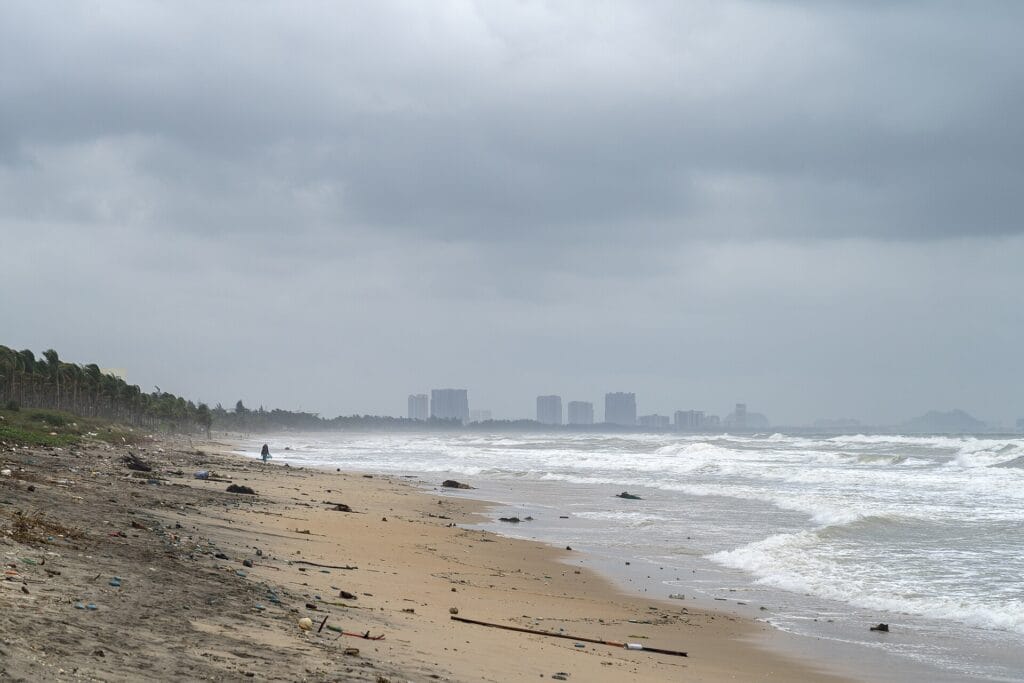
Peak: summer (June-August) · Off-season: winter (December-February)
Knowing the best time to visit Hoi An can transform your trip — saving you hundreds on flights and hotels while putting you in better weather with fewer crowds. This guide breaks down each season, key events, and what to expect month by month so you can pick the right travel dates.
Best Months to Visit Hoi An
Top pick: February through April, when central Vietnam’s dry season brings warm 25-30C days without the punishing May-to-August heat or the September-to-December rains that regularly flood the Old Town. Crowds thin once Tet passes in early February, and room rates sit noticeably below the Christmas and midsummer peaks.
Hoi An Travel Seasons at a Glance
| Season | Months | What to Expect |
|---|---|---|
| Peak | summer (June-August) | Best weather (for that region), highest prices, biggest crowds. Book hotels 3-6 months ahead. |
| Shoulder | shoulder seasons (typically April-May and September-October) | Sweet spot: good weather, moderate crowds, 15-30% lower prices than peak. |
| Off-season | winter (December-February) | Cheapest, quietest. Some sights may be closed. Best for budget travelers and shoulder-month flexibility. |
Festivals & Events in Hoi An
The tightest window is Tet and the Nguyen Tieu full moon that closes it, around mid-to-late February 2026. Domestic travel, Chinese and Korean holidays and the lantern crowds land at once, so lock old-town rooms and Da Nang flights several months out.
- Hoi An Lantern Festival (Full Moon Festival) (monthly (full moon, 14th lunar day))
- Mid-Autumn Festival (Tet Trung Thu) (Sep)
- Tet Nguyen Tieu (First Full Moon Festival) (Feb/Mar)
When to Visit by Travel Goal
- Best weather: February through April is the driest, most comfortable stretch, with daytime highs near 24-32C, humidity easing off, very little rain and long sunny afternoons for walking the Old Town.
- Lowest prices: winter (December-February). Hotels and flights cut 30-50%. Trade weather for savings.
- Fewest crowds: Late September through November is quietest, though October and November carry the flood risk. For dry weather with thinner streets, aim for the second half of May or early June, after the February-April dry peak and before Vietnamese school holidays fill the beaches.
- Festivals & culture: The Full Moon Lantern Festival lights the Hoai River on the 14th day of every lunar month, so it is year-round rather than one date. The standouts are Tet Nguyen Tieu, the first full moon after Tet in February or March, and Mid-Autumn in September.
- Outdoor activities: Beaches at An Bang and paddy-field cycling are best March to June; midsummer pushes past 35C, and October to November brings monsoon rain, typhoons and Old Town flooding.
- Budget travelers: September is the honest value window: rates ease, crowds thin, and rain usually arrives as short afternoon bursts rather than all-day washouts. Late May and early June also sit below peak. October and November go cheaper still, but flood risk is the reason.
What to Avoid
- Peak crowds: summer (June-August) brings 2-3x the visitors. Major sites require ticket reservations weeks ahead.
- Major holidays: Tet, the Lunar New Year, dominates: it falls on February 17 in 2026 with a national holiday running roughly February 14-22, filling transport and hotels. Reunification Day and Labour Day around April 30 to May 1, plus early-September National Day, also spike domestic travel.
- Closures: Little shuts for a whole season here, but floods do. From early October to mid-November the Thu Bon can push water into the old town, closing riverside restaurants, tailor shops and boat tours for days. Tet week, around mid-February 2026, also shutters family-run kitchens.
Booking Tips
- Hoi An has no airport, so book Da Nang (DAD) flights roughly four to six months ahead for the February-April dry peak and for the June-August beach rush. Tet week, around February 14-22 in 2026, sells out earliest. September and December fares typically soften.
- Hoi An’s real shoulder weeks are late February into March, once Tet crowds disperse, and September, before the floods. March trades a little humidity for dry lanes and lower rates; September trades afternoon showers for green rice fields and the quietest old town.
- Vietnamese school holidays, roughly June through August, drive the domestic beach rush to Hoi An and neighbouring Da Nang. South Korean and Chinese breaks matter most among foreign markets, especially Lunar New Year and July-August. Australian and European summer holidays add to the same window.
- Central Vietnam’s risk here is water, not winter. Typhoons and river flooding cluster from roughly September to November, when tours cancel and roads to Da Nang airport can close. Choose cover with trip interruption and weather delay, plus scooter cover if renting one.
When to Go: The Dry-Season Peak, September’s Value Window, and the Flood Weeks to Skip
Hoi An rewards travelers who read its calendar precisely. The dry-season peak runs February to April, when rainfall drops to roughly 23-40mm a month and daytime highs climb from around 26C in February to about 30-31C by April. This window gives you the warmest, driest streets for wandering the old town, but it also overlaps Tet, the Lunar New Year, which falls on February 17 in 2026 with a national holiday running February 14-22. Expect packed transport and inflated rates around those dates.
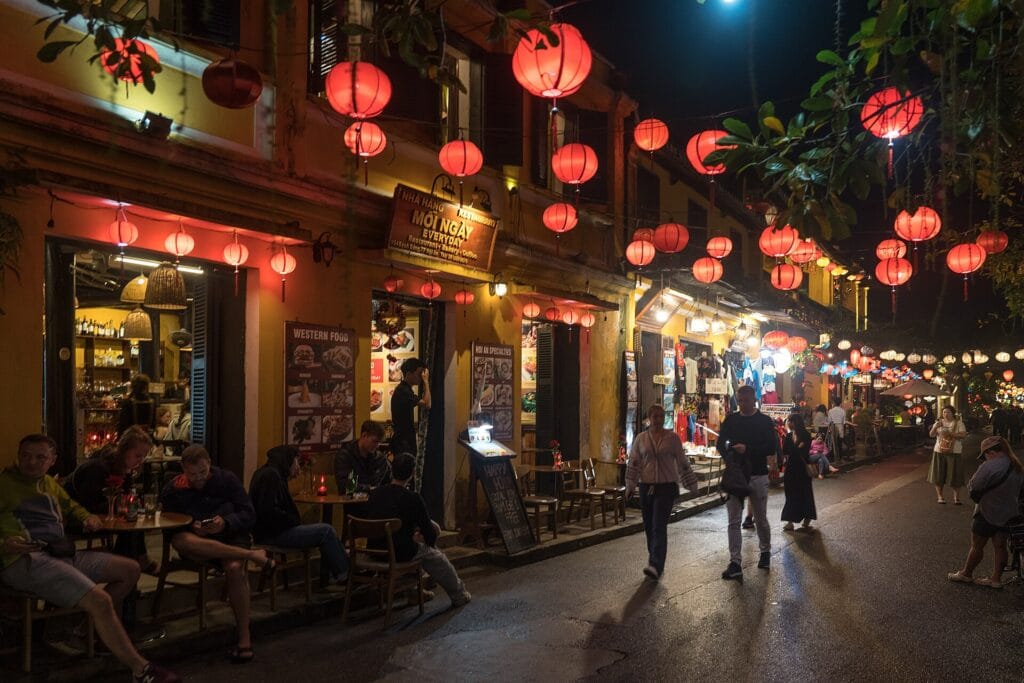
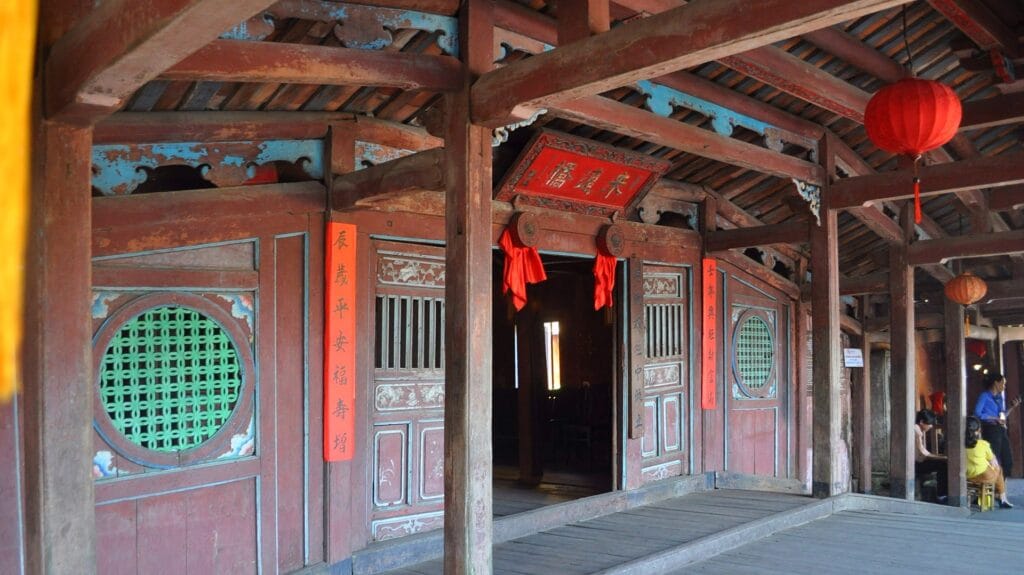
The quieter value sweet spot is September. Crowds thin out, room rates ease, and temperatures sit near 24-31C. Rain returns, but it tends to arrive as short late-afternoon bursts rather than all-day washouts, and the surrounding rice country turns green. June through August is the hot beach peak, busy and humid.
The period to skip is early October to mid-November. The Thu Bon River spills into the UNESCO core most years, with floodwater reaching one to two metres in bad seasons and shuttering tours and restaurants for days.
One timing note that surprises visitors: the Full Moon Lantern Festival runs on the 14th day of every lunar month, so you can catch the floating lanterns year-round rather than chasing a single season.
Frequently Asked Questions
Are there major festivals in Hoi An?
Yes — Hoi An hosts notable events including: Hoi An Lantern Festival (Full Moon Festival) (monthly (full moon, 14th lunar day)), Mid-Autumn Festival (Tet Trung Thu) (Sep), Tet Nguyen Tieu (First Full Moon Festival) (Feb/Mar). Major festivals can spike hotel prices 50-200% — book 3-6 months ahead if attending.
What should I pack for Hoi An?
Pack for the season you’re visiting and the climate zone. Summer in Hoi An: lightweight breathable clothes, sunscreen, hat, comfortable walking shoes. Winter: layers, waterproof jacket, warm accessories. Check the 10-day forecast 1-2 weeks before departure and adjust.
Related Hoi An Travel Guides
- Hoi An Travel Guide
- Where to Stay in Hoi An
- Best Food in Hoi An
- How Much Does a Trip to Hoi An Cost?
- Hoi An Itinerary Guide
You Might Also Love



Written by
Drew Treasury is a contributing travel writer at Packzup, specialising in city culture, food markets, street art, and neighbourhood-level travel.
