
Last updated September 12, 2026 · Editorial policy
Quick answer: The best time to visit the Amalfi Coast is May to June and September — warm enough to swim, but before and after the packed, pricey July–August peak. The season runs roughly April to October; winter is quiet with many closures.
Amalfi Coast weather by month
| Month | Avg high | Conditions |
|---|---|---|
| January | ~13°C | Cool, wet, quiet |
| February | ~13°C | Cool, wet |
| March | ~15°C | Mild, season nears |
| April | ~18°C | Pleasant, opening up |
| May | ~22°C | Warm, ideal |
| June | ~26°C | Hot, swimmable |
| July | ~29°C | Hot, peak crowds |
| August | ~30°C | Hottest, packed |
| September | ~26°C | Warm, ideal |
| October | ~22°C | Mild, quieter |
| November | ~17°C | Cooler, wetter |
| December | ~14°C | Cool, wet, quiet |
Seasons explained
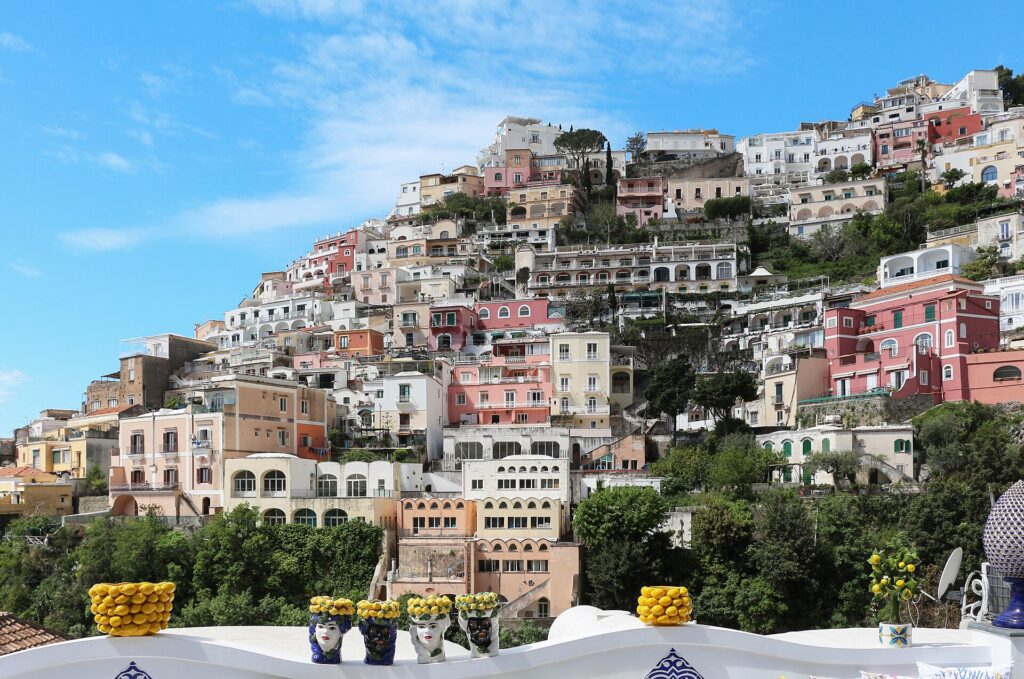
Peak summer (Jul–Aug) is hot, glamorous and extremely busy, with the highest prices and tightest bookings. Late spring and September give you warm seas and sun with more breathing room. Winter is peaceful but many hotels, restaurants and ferries shut down.
What to pack
Light clothes and sun protection for summer, a light layer for spring and autumn evenings, and sturdy shoes for the coast’s many steps. A swimsuit from May through September.
May vs September: Picking the Right Shoulder-Season Window
The two shoulder months are not interchangeable, and choosing between them is the whole decision. May gives you the cheaper, calmer half of the deal: average highs around 21C (70F) and lush hillsides, but a sea still sitting near 19C (66F), which is bracing for anything beyond a quick dip. September flips the trade-off. Days hold around 26C (79F) and the water peaks near 25C (77F) after a summer of heating, so it is the better month if swimming is the point, with crowds already thinning from their August high.
Peak runs through July and August, when room rates and ferry queues are at their worst and the Ravello Festival (July 4 to August 25 in 2026) packs the cliffside concerts. The week around Ferragosto on August 15 is the single stretch to skip, when Italian domestic holidays stack on top of foreign visitors.
The other trap is the late edge of autumn. After mid-October, ferry timetables thin out and many hotels and restaurants begin closing for the season, with most coastal ferry service winding down by late October.
- Cheaper and quieter, cooler sea: May and early June
- Warm water, easing crowds: September into early October
FAQ
What is the best month for the Amalfi Coast?
Is the Amalfi Coast worth visiting in winter?
Plan with our Italy itinerary and best time to visit Italy.
When the Sea Is Actually Swimmable (Water Temperature by Month)
Air temperature lies to you here. The Tyrrhenian lags the calendar by roughly six weeks, so the sea keeps warming long after the tourist crowds peak and stays swimmable well into autumn. Here is what the water actually reads at the beaches in Positano, Amalfi, and the coves you reach by boat:
- June — around 23°C (73°F): Comfortable, but the first dip still bites. Deeper coves lag warmer village beaches by a degree or two.
- July–August — 25–26°C (77–79°F): Peak warmth, no wetsuit hesitation, warm enough that the water gives no relief from the midday heat.
- September — about 25°C (77°F): The sweet spot. The sea is still summer-warm, the air has softened, and the August wall of tourists has thinned.
- October — roughly 21–22°C (70–72°F): Still genuinely swimmable, especially early in the month. This is the coast’s best-kept secret.
The takeaway: the water stays above 20°C from June through October, and it holds September’s summer warmth far later than the air does. If swimming matters more to you than sunbathing, book the shoulder end of the season, not the front — September rivals midsummer and October is still warmer than most people expect.
How the Weather Dictates Whether the Ferries Run
This is the detail that quietly wrecks itineraries: the ferries are seasonal, and the calendar is set by the sea, not by demand. The Travelmar and other fast-boat routes linking Salerno, Amalfi, and Positano generally run from April through the end of October, and even inside that window, rough water cancels sailings on short notice. From November onward the boats largely stop, and many run only “weather permitting” at the shoulders.
- Salerno → Amalfi: roughly 42 minutes by fast ferry.
- Salerno → Positano: about 1 hour 15 minutes.
- July–August: the first morning departures (roughly 7:00–8:30) sell out. Buy tickets the day before.
The SITA Sud buses along the SS163 corridor (Sorrento–Positano–Amalfi–Salerno, plus the Amalfi–Ravello line) run year-round, so they become your only public option once the boats stop. Plan winter and early-spring trips around the bus; plan summer around the ferry to skip the notorious coast-road gridlock. If you visit in April or October, treat every ferry booking as provisional and keep the bus schedule as your backup.
The Best Months to Walk the Path of the Gods
The Sentiero degli Dei (Path of the Gods), the ridgeline trail running roughly from Bomerano above Agerola down toward Nocelle above Positano, is the coast’s signature hike, and its comfort swings hard with the season. The rock and open flanks trap heat, and the descent into Nocelle is a long staircase, so the wrong month turns the walk into a slog.
- April–May and September–October are the prime windows: mild days, cooler mornings, and the wildflowers of spring or the clearer light of autumn, all without the summer crush of walkers.
- June–August: hike-able, but hot on the exposed sections. There is no water or food along the trail, so start at first light, carry more water than feels necessary, and be off the ridge before the midday sun.
- Late autumn and winter: the tread gets muddy and slick, and after heavy rain there is a real landslide and rockfall risk on the steeper cuts.
Practical note: spring hikes can catch a passing shower, so pack a light layer, while October tends to run dry but occasionally hazy, which softens the long views toward Capri. Do the walk east-to-west (Bomerano to Nocelle) so the sea and Positano open up ahead of you and you finish downhill, not up.
Torn between destinations? See our honest comparisons: Amalfi Coast vs Cinque Terre.
You Might Also Love

Written by
John Morrison is the founder and lead travel writer at Packzup. Over the past decade he has explored destinations across Africa, the Americas, Asia, Europe, the Middle East, and Oceania — always self-funded, never on a press trip.
