
Last updated August 29, 2026 · Editorial policy
Best time to visit Kyoto: at a glance
Short answer: late March–April for cherry blossoms; October–November for autumn leaves.
| Season | Months | What to expect |
|---|---|---|
| Peak | Mar–Apr, Oct–Nov | Cherry blossoms or fall foliage; stunning but very crowded |
| Shoulder (best value) | May–Jun, Sep | Greenery or early autumn, fewer crowds |
| Low | Jul–Aug (hot/humid), Dec–Feb (cold) | Sticky summer or quiet, crisp winter |
Best Time to Visit Kyoto: Month-by-Month Guide
Quick take: Kyoto changes dramatically depending on when you visit. Here’s what each month actually looks like on the ground.
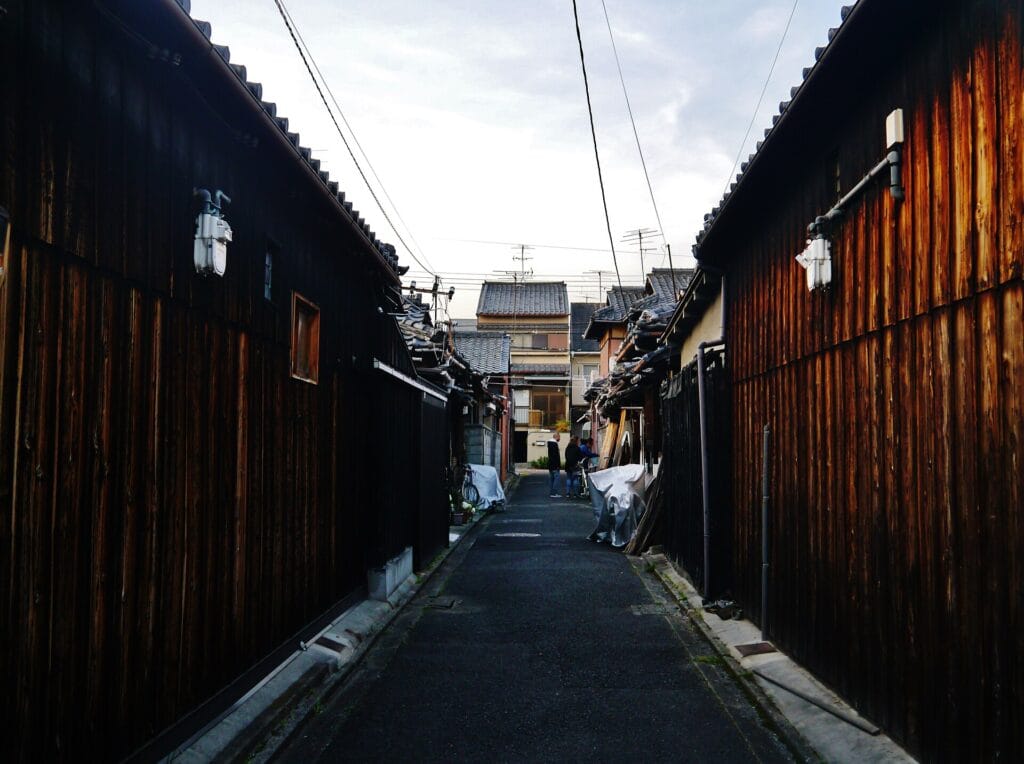
Knowing the best time to visit Kyoto can transform your trip — saving you hundreds on flights and hotels while putting you in better weather with fewer crowds. This guide breaks down each season, key events, and what to expect month by month so you can pick the right travel dates.
Festivals & Events in Kyoto
Cherry blossom peak, usually the last days of March into the first week of April, is the hardest window to book: central hotels go months ahead while the bloom forecast only firms up weeks out. Lock lodging early and stay flexible on exact days.
- Gion Matsuri (Jul)
- Aoi Matsuri (May)
- Jidai Matsuri (Oct)
- Cherry Blossom Season (late Mar-early Apr)
- Autumn Foliage (Koyo) Illuminations (Nov)
When to Visit by Travel Goal
- Fewest crowds: Mid-January through February is the genuinely quiet stretch: cold, low-rainfall days and temple gardens close to empty. Late June’s rainy weeks and the first half of December, once the maples have dropped, are the other windows where the big sites come without queues.
- Festivals & culture: Gion Matsuri owns July, with the big float processions on the 17th and the 24th and the yoiyama street evenings before each. Aoi Matsuri parades on May 15 and Jidai Matsuri on October 22, both single-day and far easier to plan around.
- Budget travelers: The cheapest stretch is typically the cold, quiet run from mid-January through February, plus early December before the New Year rush. June’s rainy weeks are usually soft too. Skip Obon week in mid-August and the New Year holidays, when domestic demand pushes rates back up.
What to Avoid
- Major holidays: Japan’s Golden Week, roughly April 29 to May 5, plus Obon in mid-August and the New Year days around January 1, fill Kyoto with domestic travellers. Chinese Lunar New Year and China’s early-October national holiday add another regional surge.
- Closures: Little shuts for a whole season here, but timing still matters. Special temple openings and the evening blossom or foliage illuminations run only in short spring and autumn windows. Over the New Year period, roughly late December into the first days of January, many small restaurants, shops and museums close for several days.
Booking Tips
- Kyoto has two peaks, so treat them differently. For cherry blossom dates in late March and April, or autumn colour in November, book long-haul flights and Kansai connections roughly five to eight months ahead. For the July-August or December-February low months, two to three months is usually enough.
- The real shoulder weeks are mid-May to mid-June, once Golden Week clears and before the tsuyu rains set in, and September into early October. You trade blossom or maple colour for warm, green, far emptier temples, with rain and lingering humidity as the price.
- The markets that actually crowd Kyoto are Japan’s own school breaks, late March and the late July to August summer holiday, then East Asian ones from mainland China, Taiwan, Hong Kong and South Korea around Lunar New Year and midsummer. European and North American summer holidays typically weigh less by comparison.
- Kyoto’s own weather risk is modest, but the wider region matters: typhoons can track over Kansai between roughly August and September, occasionally disrupting Kansai Airport and shinkansen services. Cover that plus summer heat illness, and check that peak-season blossom or foliage bookings are refundable or insured.
When Kyoto Is Actually Worth It: Peak Crowds vs the Quieter Sweet Spot
The two famous peaks are real but expensive. Cherry blossoms hit full bloom around April 1 in an average year, and autumn maple color peaks roughly November 20 into early December at spots like Arashiyama. Both windows deliver Kyoto at its most photogenic and its most packed, with the late-November crush arguably worse than spring because everyone chases the same two or three temple gardens.
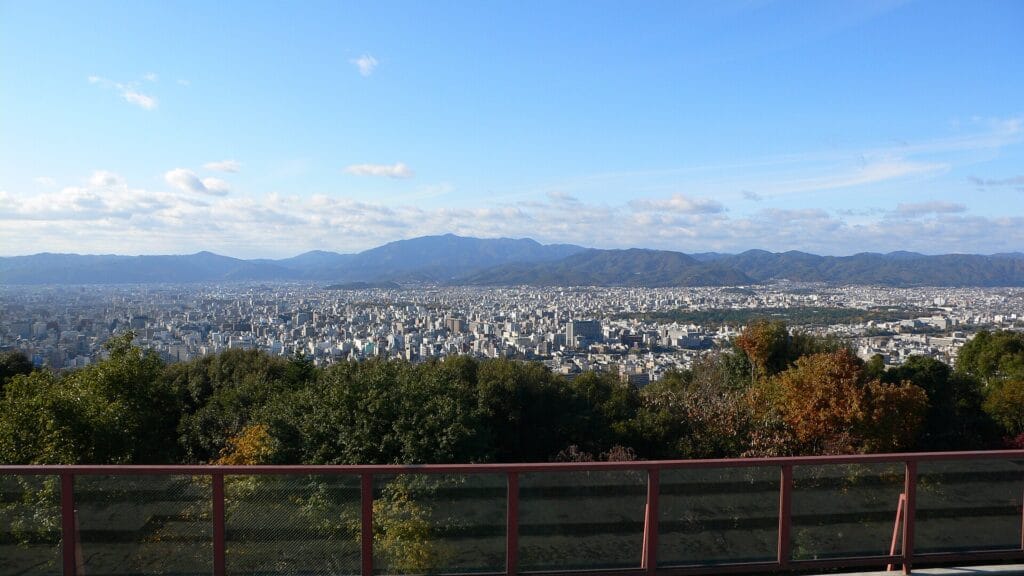
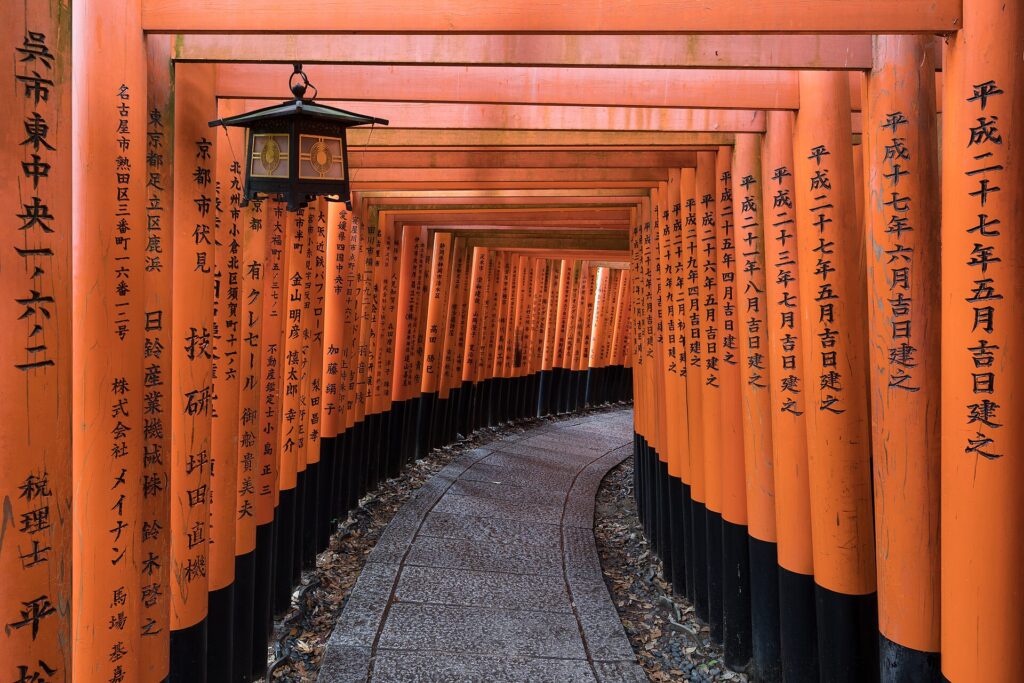
The smarter play is the shoulder month on either side. May lands after the blossom mobs leave and before the rains arrive, with warm, dry days and Aoi Matsuri on May 15. Early-to-mid October is the other sweet spot: highs around 22C, mostly sunny, and Jidai Matsuri parading from the Imperial Palace to Heian Shrine on October 22, all before the foliage crowds build.
What to actually avoid, and why:
- Late June to mid-July: the tsuyu rainy season soaks the city, and July is dominated by Gion Matsuri (parades July 17 and 24), which spikes hotel rates.
- August: the hottest month, with highs near 33C and sticky humidity that makes daytime temple-walking brutal.
If you want the seasons without the squeeze, May and early October are the call.
Frequently Asked Questions
Are there major festivals in Kyoto?
Yes — Kyoto hosts notable events including: Gion Matsuri (Jul), Aoi Matsuri (May), Jidai Matsuri (Oct), Cherry Blossom Season (late Mar-early Apr), Autumn Foliage (Koyo) Illuminations (Nov). Major festivals can spike hotel prices 50-200% — book 3-6 months ahead if attending.
What should I pack for Kyoto?
Pack for the season you’re visiting and the climate zone. Summer in Kyoto: lightweight breathable clothes, sunscreen, hat, comfortable walking shoes. Winter: layers, waterproof jacket, warm accessories. Check the 10-day forecast 1-2 weeks before departure and adjust.
Related Kyoto Travel Guides
- Best Things to Do in Kyoto
- Where to Stay in Kyoto
- Best Food in Kyoto
- How Much Does a Trip to Kyoto Cost?
- Kyoto Itinerary Guide
Torn between destinations? See our honest, first-hand comparisons: Kyoto vs Osaka, Tokyo vs Kyoto, Kyoto vs Hokkaido.
Kyoto weather & climate by month
Best months to visit: May, October. Kyoto’s warmest month is August (avg 32°C / 90°F), the coolest is January (low -1°C / 31°F). The wettest is July (324 mm) and the driest is February.
| Month | Avg high | Avg low | Rainfall | Rainy days |
|---|---|---|---|---|
| January | 8°C / 47°F | -1°C / 31°F | 51 mm | 8 |
| February | 9°C / 49°F | 0°C / 32°F | 55 mm | 7 |
| March | 15°C / 58°F | 4°C / 38°F | 118 mm | 12 |
| April | 18°C / 65°F | 7°C / 45°F | 163 mm | 10 |
| May | 23°C / 74°F | 13°C / 55°F | 183 mm | 12 |
| June | 27°C / 80°F | 18°C / 64°F | 228 mm | 14 |
| July | 30°C / 85°F | 22°C / 72°F | 324 mm | 19 |
| August | 32°C / 90°F | 24°C / 75°F | 218 mm | 13 |
| September | 28°C / 83°F | 21°C / 69°F | 164 mm | 14 |
| October | 22°C / 71°F | 13°C / 55°F | 175 mm | 9 |
| November | 17°C / 62°F | 7°C / 44°F | 71 mm | 7 |
| December | 11°C / 51°F | 1°C / 34°F | 60 mm | 7 |
Climate source: Open-Meteo ERA5 reanalysis (2019–2023). Compare destinations in the Best Time to Visit Index.
You Might Also Love

Written by
Drew Treasury is a contributing travel writer at Packzup, specialising in city culture, food markets, street art, and neighbourhood-level travel.
