
Last updated September 16, 2026 · Editorial policy
Quick answer: The best time to visit the Maldives is the dry season, December to April — sunny skies, calm seas and the best diving visibility. The wet season (May to November) brings more rain and lower prices. Temperatures stay around 28–31°C all year.
Maldives weather by month
The Maldives is warm year-round (around 28-31°C), with two monsoon seasons:
- Nov-Apr — dry season (best, peak): sunny, calm, clear water and little rain. Ideal but priciest.
- May-Oct — wet season: warmer water still, but more rain, wind and occasional storms. Cheaper and quieter, with plenty of sun between showers.
- Surfing is best in the wet season; diving visibility peaks in the dry season.
For guaranteed sun and calm seas, target December to April; for value, the shoulder months of May and November.
When to Actually Book: Peak, Shoulder, and the Month to Skip
The dry northeast monsoon (December to April) earns its peak reputation: calm lagoons, the year’s clearest dive visibility, and the lowest rainfall, with February typically the driest at around 50mm. The trade-off is the year’s highest room rates and the busiest reefs. If you want that weather without peak pricing, target the edges of the dry window rather than its heart.
The real value sits in late April into May and again in November, the transition weeks between monsoons. Resort rates commonly fall about 20 to 30 percent off January-February peaks, crowds thin out, and you still get long sunny stretches broken by short showers rather than all-day rain. Temperatures barely move all year, sitting around 28 to 31C whenever you go, so the calendar is really about rain, wind, and price, not heat.
The southwest monsoon (roughly mid-May to November) is wetter and windier, though it rewards specific travellers:
- Surfers get the strongest, most consistent swells from June through August.
- Budget travellers find the deepest discounts of the year.
The period to skip if you want guaranteed sun and glassy water is September, the single wettest month at about 243mm and prone to the season’s stormiest, windiest spells.
Maldives Weather By Month FAQ
When is the best time to visit the Maldives?
November to April — the dry season, with sunny skies and calm, clear water.
Is the Maldives rainy season worth it?
It’s cheaper and still warm with plenty of sun between showers — good value if you’re flexible.
The Two Monsoons That Actually Run the Weather: Iruvai vs. Hulhangu
Forget “summer” and “winter” — the Maldives runs on two monsoons, and locals name them. Iruvai is the northeast monsoon (roughly December to April): light north/northeast winds, flat lagoons, low humidity, and the best underwater visibility of the year. Hulhangu is the southwest monsoon (May to November): the winds swing around to the southwest, you get short tropical downpours, higher humidity, and choppier seas.
Here’s the part nobody tells first-timers: the wind has a direction, and which side of the atoll your resort sits on matters more than the calendar. During Hulhangu, the western and southwestern-facing shores take the wind and swell head-on — that’s where you get whitecaps in the lagoon and a bumpy snorkel. The sheltered eastern side stays far calmer. During Iruvai it flips: north and northeast-facing beaches catch the breeze.
- Booking in the wet season? Ask the resort which side your villa and house reef face, and request an eastern/sheltered orientation.
- Geography matters too: the southern atolls get noticeably more rain and more rain-days than the north, so a southern resort in shoulder season is a wetter bet than a northern one.
February through April are the driest, sunniest, calmest weeks — peak Iruvai.
What the Weather Brings In: Manta and Whale Shark Months by the Calendar
The monsoon doesn’t just decide whether you get sun — it decides what shows up underwater. The famous plankton-feeding aggregations are weather-driven, so the “worst” weather months are often the best wildlife months.
- Manta rays (eastern atolls): The southwest monsoon (Hulhangu, May–November) funnels plankton into Hanifaru Bay in Baa Atoll, a UNESCO-protected site. Prime aggregation runs July through October, with the wildest gatherings — sometimes up to 100 mantas feeding at once — clustering around the full and new moons. June and July full/new moons are reliably strong too. It’s snorkel-only, no scuba, with a 45-minute limit per group.
- Whale sharks (year-round, but seasonal by region): For the dependable side, South Ari Atoll (the Maamigili / Dhigurah area) holds whale sharks all year. The traditional sweet spot many divers cite is December through April — peak Iruvai, when the dry-season seas give you the visibility to actually find them.
The practical takeaway: if mantas are your dream, you’re booking the wet season on purpose and choosing a Baa Atoll base — don’t let “rainy” scare you off. If you want whale sharks with calm, clear water, aim for the dry months and a South Ari resort. Trying to do both in one trip? May and November are the overlap shoulders.
How the Season Quietly Changes Your Transfer (and Its Cost)
The single most overlooked weather consequence isn’t your beach day — it’s getting to the resort. Seaplanes here fly daylight only (roughly 6:00 AM to about 4:00 PM) because they land on open water and need visibility. The last seaplane usually departs around 16:00–16:30, so you want to land at Velana International (MLE) by about 14:00 to clear immigration and make a same-day connection — otherwise it’s an overnight in Malé.
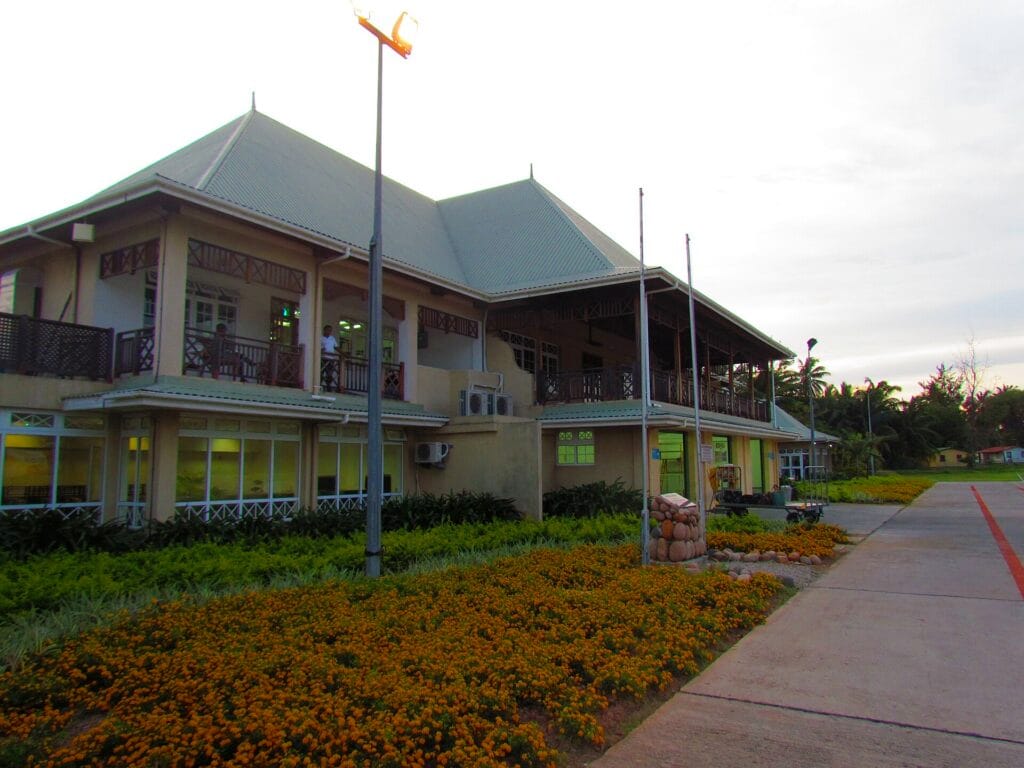
In the Hulhangu wet months, sudden squalls and poor visibility can ground seaplanes for hours. Speedboats, by contrast, usually keep running through moderately rough weather — they’re just a bumpier ride. If you’re booking a far-flung seaplane resort during monsoon, build in buffer and don’t schedule a tight same-night onward flight.
- Speedboat (resorts near Malé): roughly $100–$300 per person round-trip, runs day or night.
- Seaplane (further-out resorts): roughly $500–$850 per adult return, daylight only.
- Domestic flight + speedboat (far-south atolls): roughly $350–$520.
One more weather note for planners: the Maldives runs on Maldives Time (UTC+5), and daylight is remarkably steady year-round near the equator — about 12 hours every day, with June topping out near 12h 20m (sunrise ~05:55, sunset ~18:20 in Malé). You won’t get long summer evenings here in any season.
Want the underlying numbers? Our monthly climate dataset has Malé month by month from ECMWF ERA5 (2019–2023): warmest in April (29.2°C average high), wettest in December (288 mm), driest in February (34 mm). Free CSV and JSON.
You Might Also Love


Written by
John Morrison is the founder and lead travel writer at Packzup. Over the past decade he has explored destinations across Africa, the Americas, Asia, Europe, the Middle East, and Oceania — always self-funded, never on a press trip.
