
Last updated August 28, 2026 · Editorial policy
Best time to visit Istanbul: at a glance
Short answer: April–May and September–October — mild and uncrowded.
| Season | Months | What to expect |
|---|---|---|
| Peak | Jun–Aug | Warm, busy; priciest |
| Shoulder (best value) | Apr–May, Sep–Oct | Ideal weather, fewer crowds |
| Low | Nov–Mar | Cool, rainy, quiet |
Best Time to Visit Istanbul: Month-by-Month Guide
Quick take: Planning a trip to Istanbul? The difference between going in the right month versus the wrong one can mean half the cost, twice the sunshine, and a fraction of the crowds.
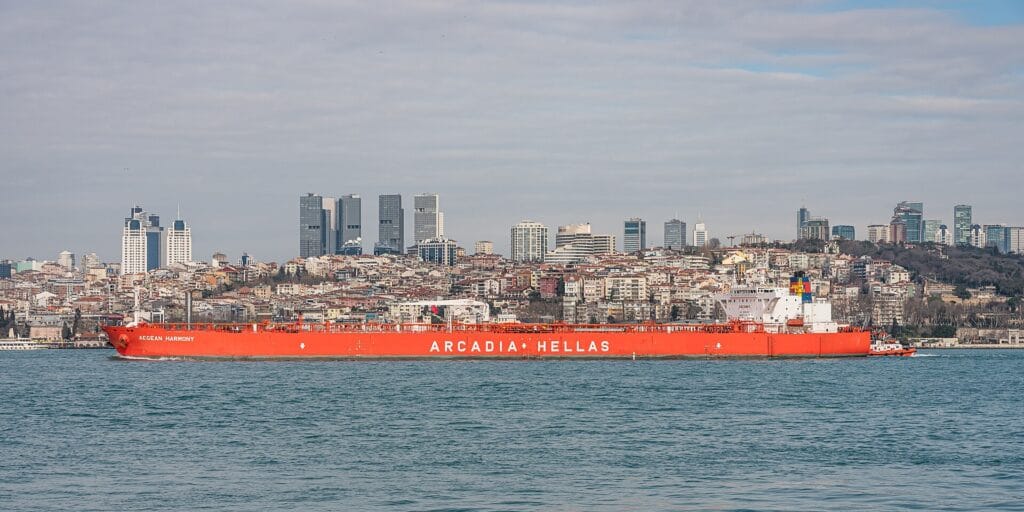
Peak: summer (June-August) · Off-season: winter (December-February)
Knowing the best time to visit Istanbul can transform your trip — saving you hundreds on flights and hotels while putting you in better weather with fewer crowds. This guide breaks down each season, key events, and what to expect month by month so you can pick the right travel dates.
Best Months to Visit Istanbul
Top pick: April through early June and mid-September through October, with autumn the stronger pick: the Sea of Marmara keeps things mild into early November, summer’s cruise crowds have thinned, and hotel rates drop back from the July-August peak. Spring is beautiful too, though the April tulip festival brings its own crowd bump.


September is the steadier bet. The Aegean and Black Sea hold summer’s warmth into early autumn, so you get reliable highs in the low-to-mid 70s F (low 20s C) with far less rain than spring and thinner crowds than the July-August peak, when daytime highs sit near 82-86 F (28-30 C) at around 65-70 percent humidity.
Two periods to plan around:
- Deep winter, especially December and January: January is the coldest and among the wettest months, with highs near 50 F (10 C), roughly 14 rainy days, and the odd dusting of snow.
- Ramadan and Eid: in 2026 Turkey observes Ramadan from about February 16 to March 17, with Eid al-Fitr beginning March 18, when domestic travel surges and many businesses shift hours.
Frequently Asked Questions
Are there major festivals in Istanbul?
Yes — Istanbul hosts notable events including: Istanbul Tulip Festival (Apr), Istanbul Music Festival (Jun), Istanbul Jazz Festival (Jul), Istanbul Biennial (Sep-Nov (odd years; biennial)), Ramadan (Ramazan) (varies (lunar)). Major festivals can spike hotel prices 50-200% — book 3-6 months ahead if attending.
What should I pack for Istanbul?
Pack for the season you’re visiting and the climate zone. Summer in Istanbul: lightweight breathable clothes, sunscreen, hat, comfortable walking shoes. Winter: layers, waterproof jacket, warm accessories. Check the 10-day forecast 1-2 weeks before departure and adjust.
Related Istanbul Travel Guides
- Best Things to Do in Istanbul
- Where to Stay in Istanbul
- Best Food in Istanbul
- How Much Does a Trip to Istanbul Cost?
- Istanbul Itinerary Guide
Istanbul weather & climate by month
Best months to visit: May, June, July, August, September, October. Istanbul’s warmest month is August (avg 30°C / 85°F), the coolest is February (low 4°C / 39°F). The wettest is January (99 mm) and the driest is July.
| Month | Avg high | Avg low | Rainfall | Rainy days |
|---|---|---|---|---|
| January | 10°C / 49°F | 4°C / 39°F | 99 mm | 12 |
| February | 10°C / 50°F | 4°C / 39°F | 84 mm | 11 |
| March | 11°C / 53°F | 5°C / 40°F | 77 mm | 11 |
| April | 16°C / 60°F | 8°C / 46°F | 68 mm | 11 |
| May | 22°C / 71°F | 13°C / 55°F | 53 mm | 8 |
| June | 26°C / 78°F | 18°C / 64°F | 65 mm | 10 |
| July | 29°C / 84°F | 20°C / 69°F | 33 mm | 4 |
| August | 30°C / 85°F | 21°C / 70°F | 26 mm | 4 |
| September | 26°C / 78°F | 18°C / 64°F | 32 mm | 5 |
| October | 21°C / 70°F | 14°C / 58°F | 52 mm | 7 |
| November | 17°C / 63°F | 11°C / 51°F | 90 mm | 9 |
| December | 13°C / 55°F | 7°C / 45°F | 66 mm | 12 |
Climate source: Open-Meteo ERA5 reanalysis (2019–2023). Compare destinations in the Best Time to Visit Index.
You Might Also Love

Written by
Drew Treasury is a contributing travel writer at Packzup, specialising in city culture, food markets, street art, and neighbourhood-level travel.
