
Last updated August 28, 2026 · Editorial policy
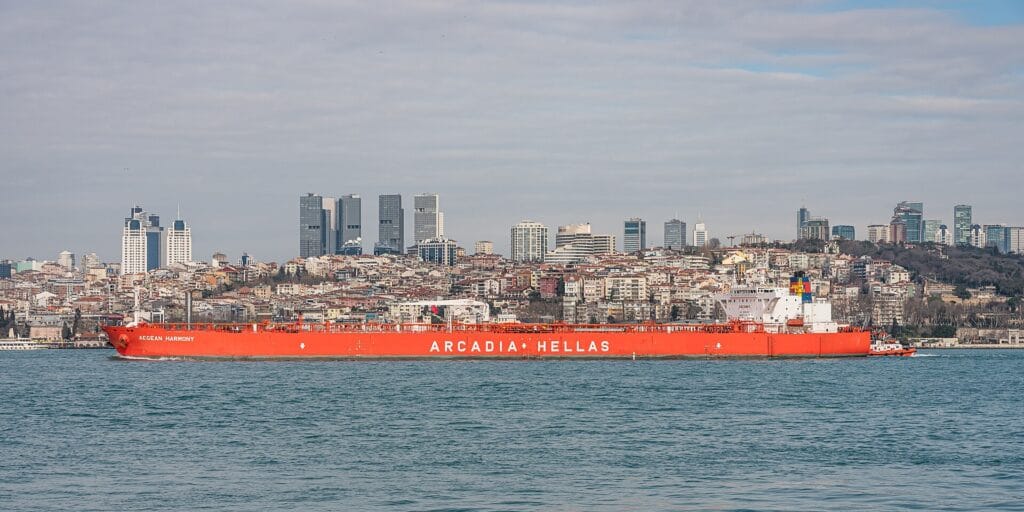
Istanbul’s transport system bridges two continents — literally, with ferries, bridges, metro lines, and the undersea Marmaray tunnel connecting the European and Asian sides across the Bosphorus. The city’s public transport is extensive, cheap, and covers almost everywhere tourists want to go. The Istanbulkart (rechargeable transit card) works on everything — metro, tram, bus, ferry, and funicular. The T1 tram runs through the heart of tourist Sultanahmet and connects to the modern city at Taksim. Walking is essential in the old city, and the Bosphorus ferry is one of the world’s great urban boat rides.
Transport Options:
More: When to visit Istanbul · Istanbul travel guide
1. Istanbul Metro
The Metro network has expanded dramatically — Line M1 connects the airport (Atatürk, now used for other purposes), M2 runs from Yenikapı through Taksim to northern suburbs, M7 crosses the European side. The Marmaray (M9) runs under the Bosphorus connecting Europe to Asia in 4 minutes. Fares are 15 TRY with Istanbulkart (reduced for transfers). Trains run every 3-7 minutes from 6 AM to midnight. The new Istanbul Airport Metro (M11) connects the new airport to the city. Clean, modern, and the fastest way to cross the city.
2. T1 Tram
The most useful line for tourists — the T1 tram runs from Kabataş (Bosphorus ferry terminal) through Sultanahmet (Blue Mosque, Hagia Sophia), past the Grand Bazaar (Beyazıt stop), to Eminönü (Galata Bridge, Spice Bazaar), and beyond. 15 TRY with Istanbulkart. Runs every 5 minutes. The entire tourist core of the old city is along this line. Combined with the funicular up to Taksim (F1), it connects the old and new cities. Trams can be crowded — watch for pickpockets.
3. Bosphorus Ferries
Istanbul’s ferries are both transport and a must-do experience. Vapur (large ferries) cross between Eminönü, Karaköy, Kadıköy, and Üsküdar for just 15 TRY with Istanbulkart. The full Bosphorus cruise runs from Eminönü to Anadolu Kavağı (25 TRY, 90 minutes each way, return same day). Private Şehir Hatları boats and faster motor catamarans run frequent crossings. The evening ferry from Karaköy to Kadıköy with the sunset behind the mosques is one of Istanbul’s great experiences. Runs from 6 AM to 11 PM.
4. Taxis
Yellow taxis are abundant but have a mixed reputation — always ensure the meter is running and on the correct rate (gündüz/day, not gece/night). Short rides cost 50-100 TRY. Sultanahmet to Taksim: about 80-120 TRY. Taksim to the new Istanbul Airport: 250-350 TRY. The BiTaksi app is the local ride-hailing option — more transparent than street hails. Uber operates but with licensed yellow taxis. Some drivers take longer routes — use Google Maps to follow your ride. Avoid taxis that approach you near tourist sites.

5. Buses
IETT buses cover every neighbourhood. Useful for areas between Metro/Tram stops. Same Istanbulkart fare (15 TRY). The double-decker 500T bus from Taksim offers great views. BRT (Metrobüs) runs in dedicated lanes on the main highway — the fastest way to cross the city during rush hour. Buses can be confusing for newcomers but Google Maps shows routes well. Night buses (prefix N) run after midnight on major routes. The Havaist airport buses connect the new Istanbul Airport to Taksim and other hubs (90 TRY).
6. Walking
Essential in the old city — Sultanahmet, the Grand Bazaar, Eminönü, and Galata are all walkable within 30-40 minutes. The walk across Galata Bridge from Eminönü to Karaköy with fishermen lining the rails is iconic. The İstiklal Avenue pedestrian street runs 1.4 km from Taksim to Tünel. Steep hills between the waterfront and upper neighbourhoods make walking tiring in Beyoğlu and Balat. The old city is on seven hills — comfortable shoes are essential. Istanbul is safe for walking day and night in tourist areas.

Transport Tips for Istanbul
Buy an Istanbulkart immediately upon arrival (50 TRY at machines in Metro stations and ferry terminals, recharge as needed). It saves 50% on all public transport fares. The T1 tram + F1 funicular connects Sultanahmet to Taksim in 25 minutes. Take the Bosphorus ferry at least once — it is one of the world’s great urban boat rides. The new Istanbul Airport is 40 km from the city — allow 60-90 minutes by Havaist bus or Metro. Avoid taxi drivers who approach you at tourist sites. Google Maps accurately shows Istanbul transport routes and times. Rush hour traffic (7-10 AM, 5-8 PM) is extreme — use Metro or Metrobüs.
What is the best way to get around Istanbul?
The most practical options are Istanbul Metro and T1 Tram. The Metro network has expanded dramatically — Line M1 connects the airport (Atatürk, now used for ot…
Do I need a car in Istanbul?
No. Istanbul traffic is brutal and parking scarce; the metro, T1 tram, Marmaray rail, ferries, and Metrobus cover the city with a single Istanbulkart. Use BiTaksi or Uber for taxis. Rent a car only for day trips outside the city, like Sile or the Black Sea coast.
Is public transport safe in Istanbul?
Yes, the metro, tram, Marmaray, and ferries are safe and well policed, even at night. Watch for pickpockets on the crowded T1 tram and buses around Sultanahmet and Taksim, and keep bags zipped in rush-hour crushes. Taxis are the bigger hassle; use BiTaksi.
Related Articles
- 20 Best Things to Do in Istanbul (Where East Meets West)
- Where to Stay in Istanbul (7 Neighborhoods Compared)
- Where to Stay in Istanbul: Best Neighbourhoods for Every Budget
- Best Time to Visit Istanbul: Month-by-Month Guide
Frequently Asked Questions
You Might Also Love



Written by
John Morrison is the founder and lead travel writer at Packzup. Over the past decade he has explored destinations across Africa, the Americas, Asia, Europe, the Middle East, and Oceania — always self-funded, never on a press trip.
