
Last updated September 10, 2026 · Editorial policy
Best time to visit Prague: at a glance
Short answer: May–June and September — mild, pretty, fewer crowds.
| Season | Months | What to expect |
|---|---|---|
| Peak | Jun–Aug, Dec | Warm or Christmas markets; busiest |
| Shoulder (best value) | May, Sep–Oct | Mild, golden, fewer crowds |
| Low | Jan–Mar | Cold, quiet |
Best Time to Visit Prague: Month-by-Month Guide
Quick take: The short answer on Prague: The longer answer involves weather windows, festival timing, and the difference between ‘technically open’ and ‘actually enjoyable.’
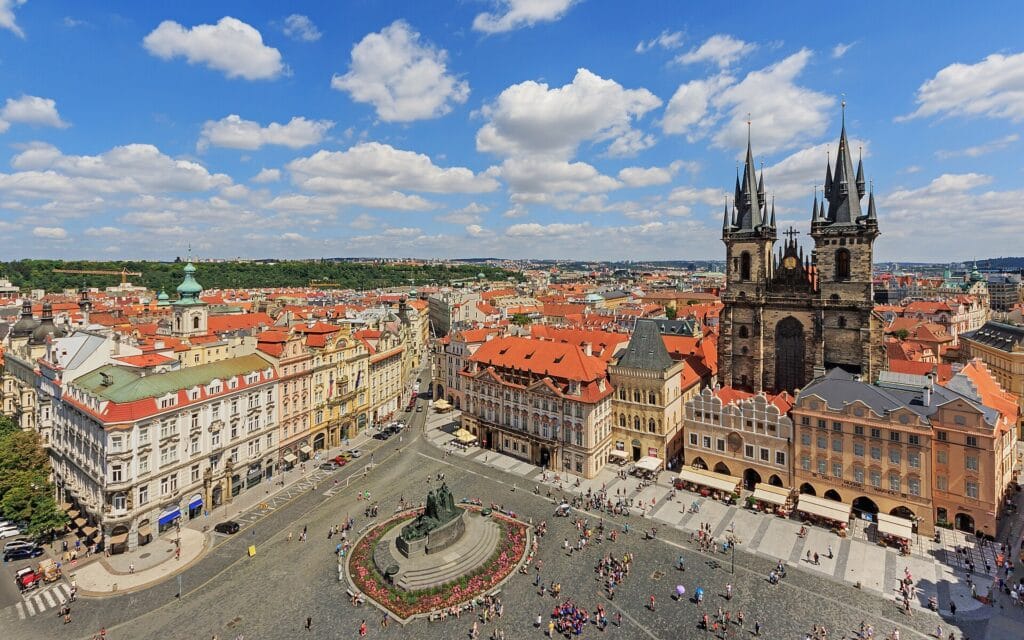
Knowing the best time to visit Prague can transform your trip — saving you hundreds on flights and hotels while putting you in better weather with fewer crowds. This guide breaks down each season, key events, and what to expect month by month so you can pick the right travel dates.
Festivals & Events in Prague
The tightest window is the Christmas market season, roughly late November to January 6, and New Year’s Eve above all. Central Old Town and Mala Strana rooms for the December weekends and December 31 typically go months ahead, so lock dates early.
- Christmas Markets (late Nov-early Jan)
- Prague Spring International Music Festival (May-Jun)
- Easter Markets (Mar-Apr)
- Signal Festival (Oct)
When to Visit by Travel Goal
- Fewest crowds: Late January through early March, once the Christmas markets have gone and before the Easter markets start. Charles Bridge and the castle courtyards are walkable at midday. Early November is the other quiet pocket, sitting between Signal Festival and the market season.
- Festivals & culture: Prague Spring International Music Festival runs from May 12 to June 4 in 2026 and lifts central hotel demand for most of May. Signal Festival lights the historic centre over four October evenings, typically mid-month, and fills weekend rooms.
- Budget travelers: January after the markets close around January 6, plus February and early March, is the genuinely cheap window; cold days and very little daylight are the trade. Late October into the first half of November also softens once Signal Festival ends.
What to Avoid
- Major holidays: Easter weekend, the Czech May 1 and May 8 public holidays, which often chain into long weekends, and the December 24 to January 1 stretch move the most people. Czech school summer holidays run through July and August.
- Closures: Little shuts in a working capital, but the Prague Castle gardens typically close from mid-November to the end of February, Vltava cruise and terrace operators cut winter schedules, and the Old Town and Wenceslas Square markets wrap up around January 6.
Booking Tips
- Prague has two peaks, so book accordingly: for June to August and for the December market weeks, aim roughly four to six months ahead. May and September to October usually settle around two to three months out. January and February often stay cheap inside six weeks.
- The sharpest weeks are the second half of September into the first half of October, before Signal Festival, plus late April into early May before Prague Spring starts around May 12. The trade is cooler evenings and shorter daylight for thinner queues.
- German school holidays matter most, and they are staggered by state across roughly late June to early September. British half-terms in late May and late October, plus Slovak, Polish and Italian summer breaks, are the other markets that noticeably tighten Prague weekends.
- Prague carries no monsoon or hurricane risk. The real exposures are winter: snow, ice and freezing fog can delay flights through Vaclav Havel Airport from December to February. Cover also matters for the December and New Year bookings that are hardest to move.
The Calendar Trap: Why Late September Beats May, and the Weeks to Skip
The shoulder-season verdict above is sound, but the calendar mechanics decide which shoulder you actually want. Late September is the sharper pick over May, for one concrete reason: the Prague Spring International Music Festival runs from May 12 to June 4 in 2026, and its run of concerts pulls central-district hotel demand and rates upward for most of the month. September hands you warm afternoons and crisp evenings around 20C (68F) without that pricing pressure, plus the first real thinning of summer queues.
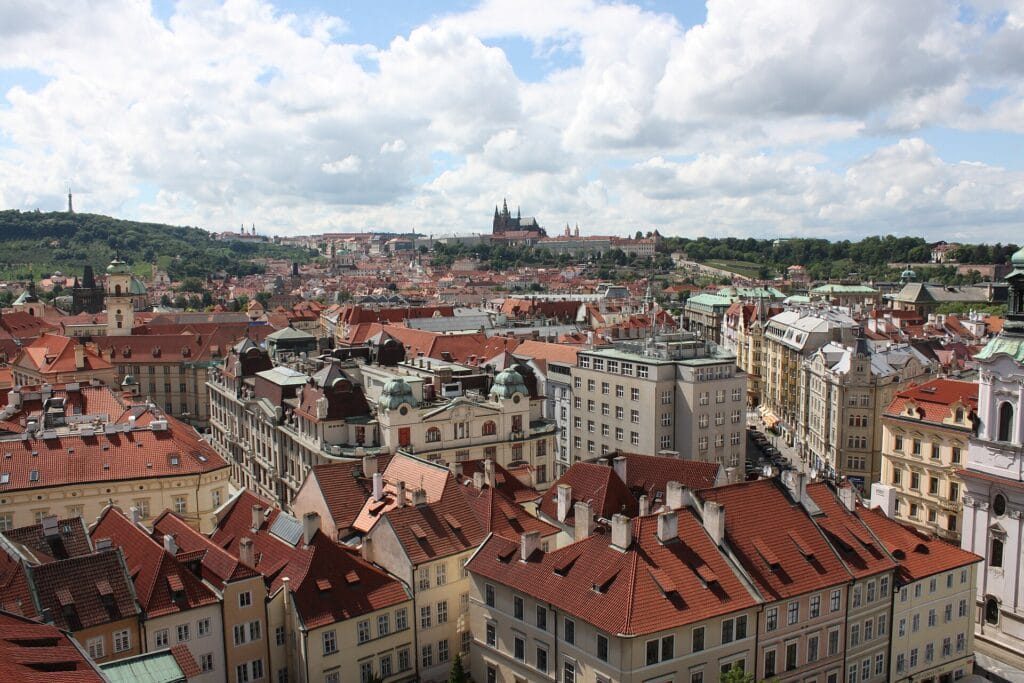
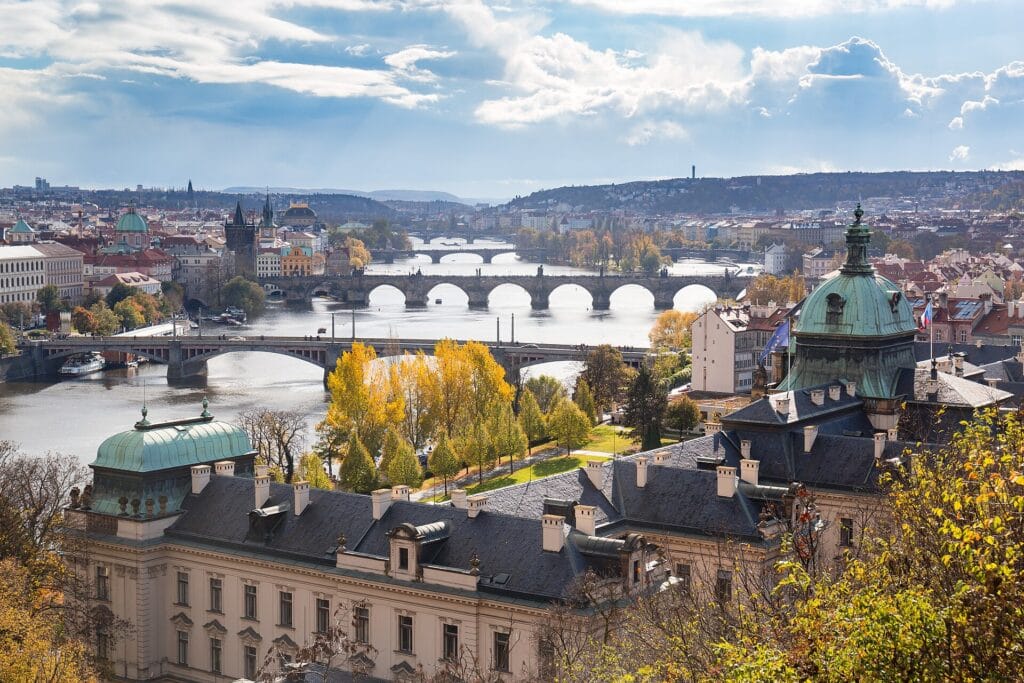
The period to skip, if crowds wear on you, is July through early August. Daytime highs sit around 24-30C (75-86F), heatwaves can push past 35C (95F), and Charles Bridge runs shoulder-to-shoulder from roughly 10am to 6pm. The only reliable workaround is to be on the bridge before 9am or avoid it at midday entirely.
- Cheapest stretch: January, once the Old Town Square Christmas markets close (they run daily 10:00-22:00 from late November to January 6). Trade-off: highs near 0-3C (32-37F) and only about 1.5-2 hours of sun a day, among the year’s darkest.
Frequently Asked Questions
Are there major festivals in Prague?
Yes — Prague hosts notable events including: Christmas Markets (late Nov-early Jan), Prague Spring International Music Festival (May-Jun), Easter Markets (Mar-Apr), Signal Festival (Oct). Major festivals can spike hotel prices 50-200% — book 3-6 months ahead if attending.
What should I pack for Prague?
Pack for the season you’re visiting and the climate zone. Summer in Prague: lightweight breathable clothes, sunscreen, hat, comfortable walking shoes. Winter: layers, waterproof jacket, warm accessories. Check the 10-day forecast 1-2 weeks before departure and adjust.
Related Prague Travel Guides
- Best Things to Do in Prague
- Where to Stay in Prague
- Best Food in Prague
- How Much Does a Trip to Prague Cost?
- Prague Itinerary Guide
Prague weather & climate by month
Best months to visit: May, June, July, August, September. Prague’s warmest month is July (avg 26°C / 79°F), the coolest is January (low -1°C / 30°F). The wettest is July (79 mm) and the driest is February.
| Month | Avg high | Avg low | Rainfall | Rainy days |
|---|---|---|---|---|
| January | 4°C / 40°F | -1°C / 30°F | 20 mm | 6 |
| February | 7°C / 44°F | -1°C / 31°F | 18 mm | 6 |
| March | 10°C / 51°F | 1°C / 34°F | 29 mm | 7 |
| April | 14°C / 58°F | 4°C / 38°F | 28 mm | 6 |
| May | 19°C / 65°F | 8°C / 47°F | 60 mm | 9 |
| June | 25°C / 78°F | 15°C / 58°F | 73 mm | 10 |
| July | 26°C / 79°F | 15°C / 60°F | 79 mm | 10 |
| August | 25°C / 77°F | 15°C / 60°F | 67 mm | 9 |
| September | 21°C / 70°F | 11°C / 52°F | 39 mm | 7 |
| October | 16°C / 61°F | 7°C / 45°F | 34 mm | 7 |
| November | 9°C / 47°F | 3°C / 37°F | 29 mm | 7 |
| December | 5°C / 41°F | -0°C / 32°F | 26 mm | 6 |
Climate source: Open-Meteo / WMO climate normals (WMO 1991–2020, or ERA5 2019–2023 where unavailable). Compare destinations in the Best Time to Visit Index.
You Might Also Love

Written by
Drew Treasury is a contributing travel writer at Packzup, specialising in city culture, food markets, street art, and neighbourhood-level travel.
