Last updated July 30, 2026 · Editorial policy
Torn between India and Nepal for your next trip? Both are fantastic — but they suit different travelers, budgets, and trip styles. Here is an honest, data-driven comparison of India vs Nepal across cost, visas, best time to visit, and overall vibe, with a clear verdict on which to choose.
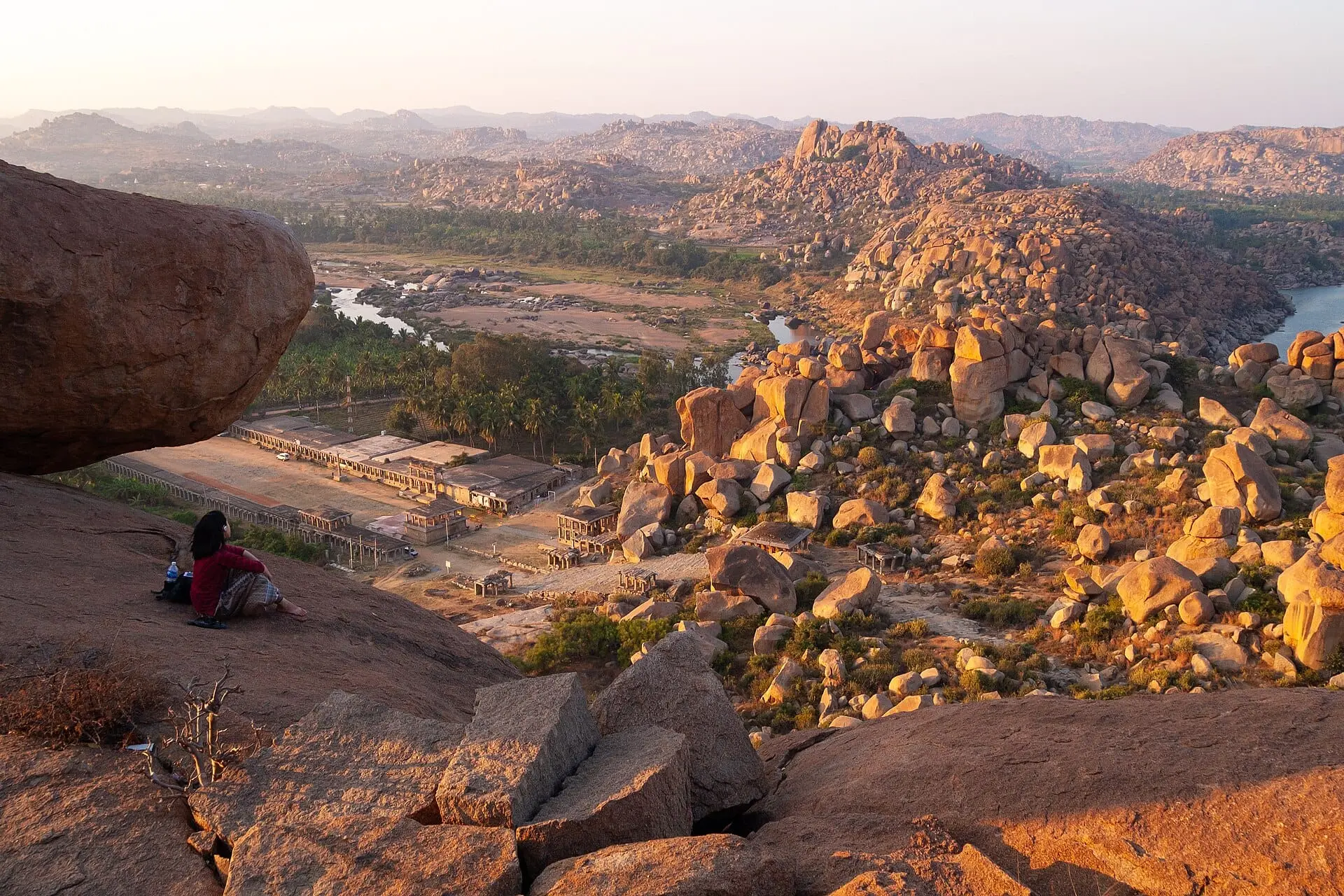
Choose Nepal for the kind of trip it does best — the two sit in the same daily-cost band, so price will not decide this one. Choose India if it better matches the experience you are after. Both reward travelers who plan around the right season.
When to go: India vs Nepal
Measured, not guessed — five years of ERA5 reanalysis (2019–2023). Months are ranked by how close the average high sits to 25°C, penalised by wet days.
India
- Best month
- November
- Then expect
- 26.4°C · 1 wet days
- Next best
- February, December
- Wettest month
- July (22 wet days)
Nepal
- Best month
- November
- Then expect
- 21.2°C · 2 wet days
- Next best
- December, March
- Wettest month
- July (31 wet days)
- Same window — both India and Nepal are at their best in November.
- India is the drier bet at its peak — 1 wet days vs 2.
- Biggest split is May — India is 12.7°C warmer that month.
Source: ERA5 reanalysis (2019–2023) via Open-Meteo, CC BY 4.0 — Packzup Travel Climate Dataset (open data).
India vs Nepal at a glance
| India | Nepal | |
|---|---|---|
| Best for | Vast diversity, culture, intensity | Himalaya, trekking, calmer pace |
| Vibe | Sensory, overwhelming | Mellow, mountainous |
| Daily budget (budget) | $25–50 | $25–50 |
| Best time | Oct–Mar | Oct–Nov, Mar–Apr (trekking) |
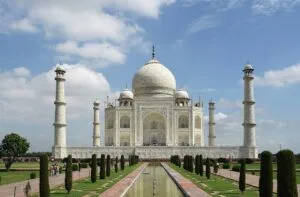
| Don’t miss | Taj Mahal, Rajasthan, Kerala | Everest & Annapurna treks, Kathmandu |
| The catch | Sensory overload; scams | Limited beyond trekking; altitude |
India vs Nepal: Cost & Entry Snapshot
| India | Nepal | |
|---|---|---|
| Region | Asia | Asia |
| Daily cost (mid-range) | $45-$90 | $45-$90 |
| Budget daily | $12-$25 | $12-$25 |
| Cost level | Very Affordable | Very Affordable |
| US visa | An E-Visa | Visa On Arrival |
| Currency | INR | NPR |
| Capital | New Delhi | Kathmandu |
Which is cheaper, India or Nepal?
Day to day, the two are close on cost. A mid-range traveler spends around $68/day in either India or Nepal — roughly $476 per person over a one-week trip, so budget is unlikely to be the deciding factor. Backpackers can go lower in both, and luxury travelers will spend well above these figures in either country.
Visas & entry
For US passport holders, India typically requires an e-visa and Nepal requires visa on arrival. Rules vary by nationality and change often — always confirm with the official government source before booking. See our full visa guides linked below for a passport-by-passport breakdown.
India or Nepal: which is better?
- Entry is straightforward — an e-visa for US travelers.
- Entry is straightforward — visa on arrival for US travelers.
The Verdict: Himalaya or Everything Else?
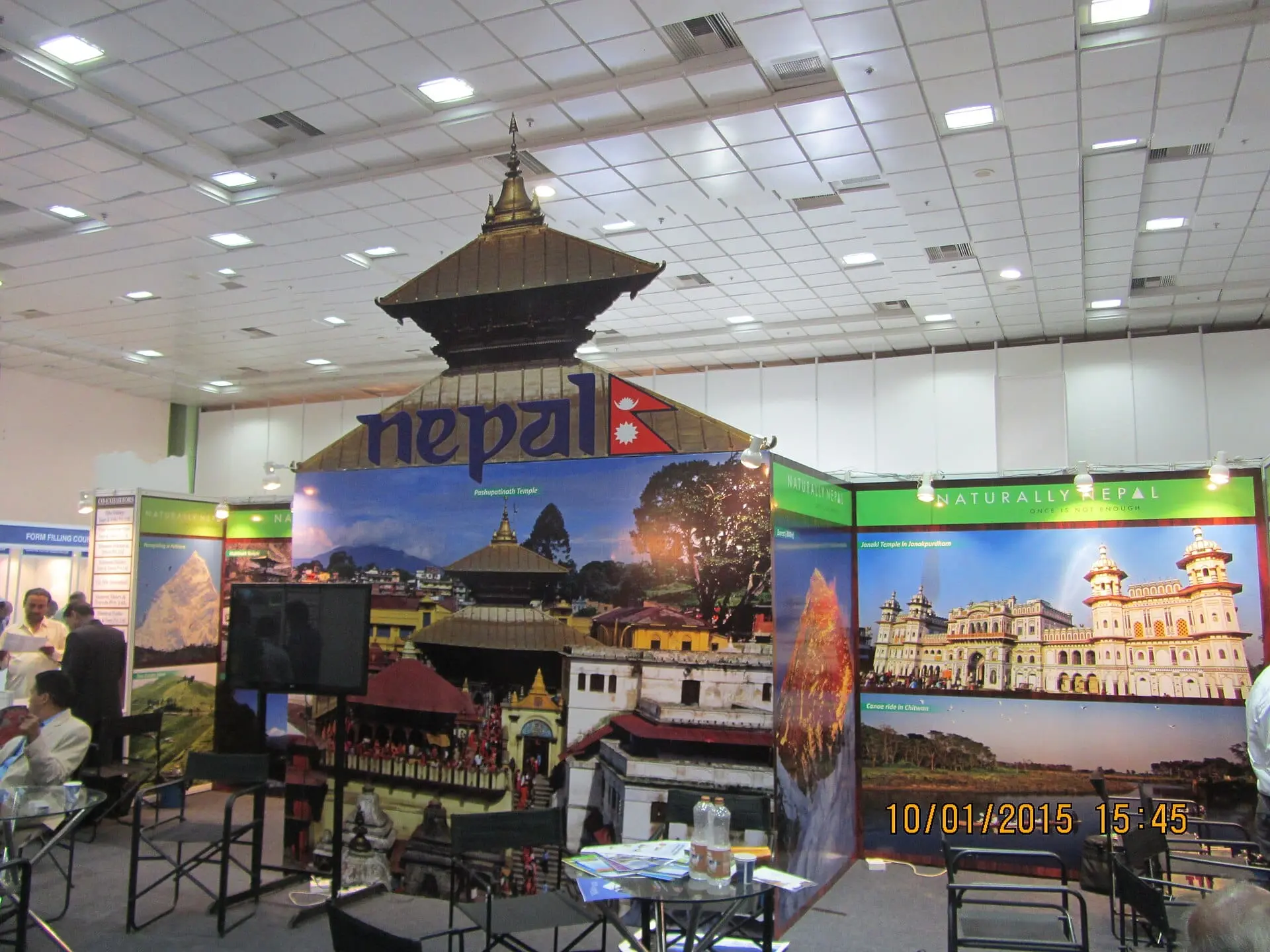
Choose Nepal if you came to trek; choose India if you want range. The deciding factor is mountains. Nepal’s pull is the Himalaya and the teahouse trekking that surrounds it, and almost nothing else on the subcontinent matches it. India’s pull is sheer variety packed into one country.
What separates them:
- Nepal is built for high-altitude walking. The Everest Base Camp permit is modest at around NPR 3,000, but a full guided package typically runs $1,250–$1,800 including the Lukla flight, teahouses and porter. Since 2023 foreign trekkers must hire a licensed guide on routes like Annapurna Circuit, so factor that in.
- India hands you wildly different trips in one visit. The Taj Mahal and Rajasthan’s forts, Kerala’s backwaters and the Himalayan foothills around Rishikesh sit within a single e-visa, where Nepal asks you to commit to the mountains.
- Daily costs land close, so this is not a budget call. Both run roughly $45–90 mid-range, with Nepal a touch cheaper day to day.
Many travelers combine the two on one trip. Pick Nepal for the trek of your life, India when you want a country you could return to ten times.
India vs Nepal FAQ
Is India cheaper than Nepal?
India or Nepal: which is better for first-time visitors?
Can I visit both India and Nepal in one trip?
Do I need a visa for India or Nepal?
Which is better for your trip, India or Nepal?
For families
Verdict: India wins for families. India simply has more variety for mixed ages: the Golden Triangle (Delhi, Agra, Jaipur) works as a one-week loop on good highways and fast trains, Kerala offers calm houseboat stays on the backwaters, and Goa adds easy beach downtime. Nepal is wonderful but skews toward trekking and long, winding road transfers; with young kids you are mostly limited to Kathmandu, Pokhara, and Chitwan National Park. Stick to October to March in India for comfortable sightseeing weather.
For couples & honeymoons
Verdict: India wins for couples and honeymoons. India’s heritage hotels are the difference maker: converted palaces overlooking Lake Pichola in Udaipur, restored havelis in Jaipur and rural Rajasthan, and romantic backwater resorts in Kerala at prices far below comparable stays in Europe. Nepal counters with sunrise over the Annapurnas from Pokhara and boutique lodges in the Kathmandu Valley, which suits outdoorsy couples, but the sheer range of memorable rooms and private experiences is on India’s side.
For budget travelers
Verdict: Nepal wins for budget travelers. Both countries are cheap, but Nepal is one of the best-value destinations anywhere: guesthouse beds in Kathmandu’s Thamel or Pokhara’s Lakeside often run 10 to 15 dollars, dal bhat plates cost a couple of dollars with free refills, and teahouse trekking bundles your bed and meals for 25 to 35 dollars a day. India can match those prices, but big-city hotels in Delhi and Mumbai cost more, and long distances push you toward flights and pricier trains.
For trekking and mountains
Verdict: Nepal wins for trekking, and it is not close. Nepal has eight of the world’s ten highest peaks and a mature teahouse network on the Everest Base Camp and Annapurna Circuit routes, so you can walk lodge to lodge for two weeks without camping gear. India’s Himalayan regions like Ladakh and Himachal Pradesh are superb but require more self-sufficiency or organized camping treks. In Nepal, go in October-November or March-April for the clearest mountain views; Ladakh runs on the opposite calendar, with a short June to September window when its high passes are open.
Planning the trip? Go deeper with things to do in India and best time to visit Nepal.
You Might Also Love


Written by
John Morrison is the founder and lead travel writer at Packzup. Over the past decade he has explored destinations across Africa, the Americas, Asia, Europe, the Middle East, and Oceania — always self-funded, never on a press trip.
Related planning guides: India travel guide