Last updated August 29, 2026 · Editorial policy
- Best time to visit India: at a glance
- Best Time to Visit India: Month-by-Month Guide
- Best Months to Visit India
- India Travel Seasons at a Glance
- Weather in India
- Festivals & Events in India
- When to Visit by Travel Goal
- What to Avoid
- Booking Tips
- The Editor's Verdict: Why February Beats the December Crush
- Frequently Asked Questions
- Related India Travel Guides
Best time to visit India: at a glance
Short answer: October to March — cool, dry and comfortable.
| Season | Months | What to expect |
|---|---|---|
| Peak | Oct–Mar | Cool, dry, ideal almost everywhere; busiest |
| Shoulder (best value) | Apr, Sep | Hotter or just after the rains, quieter |
| Low | Jun–Sep (monsoon), Apr–May (heat) | Heavy rain or extreme heat |
Best Time to Visit India: Month-by-Month Guide
Quick take: India changes dramatically depending on when you visit. Here’s what each month actually looks like on the ground.
Peak: December-February · Off-season: May-September (monsoon, hot)
Knowing the best time to visit India can transform your trip — saving you hundreds on flights and hotels while putting you in better weather with fewer crowds. This guide breaks down each season, key events, and what to expect month by month so you can pick the right travel dates.
Best Months to Visit India
Continue planning your India trip
Top pick: October to March, when the post-monsoon dry season brings cool, clear days across most of the country. Aim for October-November or February: you skip the mid-December to early-January holiday spike, when Goa and Rajasthan room rates can roughly double, while still avoiding the April-June heat and the June-September monsoon rains.
India Travel Seasons at a Glance
| Season | Months | What to Expect |
|---|---|---|
| Peak | December-February | Best weather (for that region), highest prices, biggest crowds. Book hotels 3-6 months ahead. |
| Shoulder | October-March | Sweet spot: good weather, moderate crowds, 15-30% lower prices than peak. |
| Off-season | May-September (monsoon, hot) | Cheapest, quietest. Some sights may be closed. Best for budget travelers and shoulder-month flexibility. |
Weather in India
Three seasons: cool winter, hot summer, monsoon. Typical peak season highs: 85-110°F summer.
Festivals & Events in India
If Diwali is your target, lock in trains and hotels months ahead: the festival usually lands in late October or November, and the week around it is India’s single busiest travel window, with domestic flights and rail selling out fast. The Pushkar Camel Fair, typically weeks later, fills that small town completely.
- Diwali (Oct/Nov)
- Holi (Mar)
- Pushkar Camel Fair (Nov)
When to Visit by Travel Goal
- Best weather: Visit during October-March. Comfortable temperatures, low rainfall, manageable crowds.
- Lowest prices: May-September (monsoon, hot). Hotels and flights cut 30-50%. Trade weather for savings.
- Fewest crowds: September and early October, just after the monsoon, offer green landscapes and still-quiet sites before peak season builds. February is the calmest of the pleasant winter months once the December-January crush has gone. The true low is June-September, if you can take the rain.
- Festivals & culture: Diwali, usually falling in late October or November, lights up the whole country and is worth planning around, though hotels and trains book out weeks ahead. Holi, the springtime color festival in March, is most intense around Mathura, Vrindavan and Jaipur; the Pushkar Camel Fair typically follows in November.
- Outdoor activities: Avoid peak rain/hurricane months. October-March is generally optimal.
- Budget travelers: The June-September monsoon is India’s real bargain window, with hotels across Rajasthan, Goa and Kerala discounting heavily. April and September shoulder weeks trade some comfort for savings too; just avoid Diwali week and the December-January peak, when domestic demand pushes prices up.
What to Avoid
- Peak crowds: December-February brings 2-3x the visitors. Major sites require ticket reservations weeks ahead.
- Major holidays: Diwali, typically late October or November, is the big one; trains, flights and hotels fill with domestic travelers for about a week around it. Holi in March, Dussehra in October and the Christmas-New Year stretch, especially in Goa and Kerala, also spark domestic surges, so book transport well ahead.
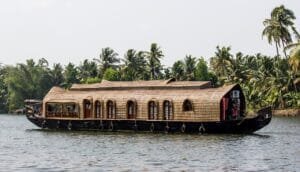
- Closures: Goa’s beach shacks dismantle for the June-September monsoon and Kerala houseboats scale back; many national parks, including Kaziranga and Corbett’s core zones, close roughly from May or June until October; high Himalayan roads to Leh and Spiti typically shut from around November until May or June.
Booking Tips
- For India’s December-February peak, book international flights around three to five months out; the Christmas-New Year fortnight sells out earliest as diaspora travel surges. For October, November or March trips, two to three months ahead is typically enough, and monsoon-season fares in June-September need far less lead time.
- India’s shoulder windows are late September through mid-October, as the monsoon retreats and before Diwali crowds arrive, and March, when winter warmth lingers around Holi. Both trade a little heat or humidity for thinner crowds and better rates than the December-February peak. April works too if you head for the hills.
- Indian school holidays matter far more than foreign ones here: the domestic summer break, typically May and June, packs hill stations like Shimla, Manali and Ooty, while the late-December winter break crowds Goa and Rajasthan. UK and US holiday periods add diaspora traffic around Christmas and summer.
- Travel insurance earns its keep during the June-September monsoon, when flooding and landslides regularly disrupt flights and trains, especially around Mumbai, Kerala and the Himalayan foothills. Coastal regions also see occasional Bay of Bengal cyclones around October-December, so cover trip delays and medical evacuation if traveling then.
The Editor’s Verdict: Why February Beats the December Crush
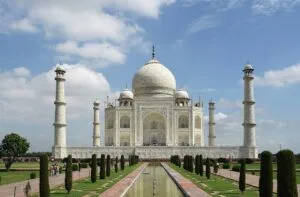
Everyone funnels into India during December and January because the weather is flawless, which is exactly why those weeks bring the thickest crowds and the steepest room rates at Taj-view hotels in Agra and palace stays in Udaipur. The sharper play is February. North Indian afternoons sit around 28-32C (82-90F), dry and easy for fort-hopping across Rajasthan, while desert nights still cool off, and tourist numbers thin out noticeably once the New Year holiday wave clears.
Push into early March and you trade a little more daytime warmth for one of the country’s best reasons to be there: Holi, the colour festival, falls on March 4 in 2026, with the Holika Dahan bonfire the evening before on March 3. Jaipur and Udaipur stage some of the most photogenic celebrations. Book those specific dates months out, since rates spike locally.
The window to refuse is April through June across the northern plains. Delhi, Churu and Ahmedabad routinely cross 45C, interior readings can touch 47-48C, and the dry westerly wind called the Loo makes midday sightseeing genuinely unsafe rather than merely uncomfortable.
Frequently Asked Questions
What is the best month to visit India?
The single best time to visit India depends on your priorities. For ideal weather plus reasonable crowds, target October-March. Peak season is December-February (busiest, highest prices). Off-season is May-September (monsoon, hot) (cheapest, least crowded — but check what’s open).
What’s the cheapest time to visit India?
The cheapest time to visit India is during the off-season: May-September (monsoon, hot). Flights and hotels drop 30-50%. Trade-offs: some sights/restaurants may close, weather may be less favorable, fewer events.
What is the weather like in India?
Three seasons: cool winter, hot summer, monsoon. Summer highs and winter lows vary by altitude, coast vs. inland, and exact location within India. Always check the specific city forecast a week before departure.
Are there major festivals in India?
Yes — India hosts notable events including: Diwali (Oct/Nov), Holi (Mar), Pushkar Camel Fair (Nov). Major festivals can spike hotel prices 50-200% — book 3-6 months ahead if attending.
What should I pack for India?
Pack for the season you’re visiting and the climate zone. Summer in India: lightweight breathable clothes, sunscreen, hat, comfortable walking shoes. Winter: layers, waterproof jacket, warm accessories. Check the 10-day forecast 1-2 weeks before departure and adjust.
Related India Travel Guides
- Best Things to Do in India
- Where to Stay in India
- Best Food in India
- How Much Does a Trip to India Cost?
- India Itinerary Guide
Want the full month-by-month breakdown? See our India weather by month (temperatures, rainfall & crowds).
More on this destination: India in December (2026): Weather, Festivals & Where to Go
India weather & climate by month
Best months to visit: February, March, November, December. India’s warmest month is June (avg 38°C / 101°F), the coolest is January (low 8°C / 46°F). The wettest is August (227 mm) and the driest is November.
| Month | Avg high | Avg low | Rainfall | Rainy days |
|---|---|---|---|---|
| January | 19°C / 65°F | 8°C / 46°F | 19 mm | 5 |
| February | 23°C / 74°F | 11°C / 51°F | 22 mm | 3 |
| March | 29°C / 84°F | 16°C / 60°F | 19 mm | 4 |
| April | 36°C / 97°F | 21°C / 70°F | 13 mm | 1 |
| May | 38°C / 100°F | 24°C / 76°F | 29 mm | 4 |
| June | 38°C / 101°F | 27°C / 81°F | 81 mm | 6 |
| July | 34°C / 94°F | 27°C / 80°F | 196 mm | 22 |
| August | 33°C / 92°F | 26°C / 79°F | 227 mm | 17 |
| September | 33°C / 91°F | 25°C / 77°F | 128 mm | 15 |
| October | 31°C / 88°F | 20°C / 67°F | 14 mm | 3 |
| November | 26°C / 80°F | 14°C / 57°F | 4 mm | 1 |
| December | 21°C / 70°F | 9°C / 48°F | 8 mm | 1 |
Climate source: Open-Meteo / WMO climate normals (WMO 1991–2020, or ERA5 2019–2023 where unavailable). Compare destinations in the Best Time to Visit Index.
You Might Also Love

Written by
Drew Treasury is a contributing travel writer at Packzup, specialising in city culture, food markets, street art, and neighbourhood-level travel.