
Last updated September 11, 2026 · Editorial policy
Few travel decisions get agonized over quite like this one. Both countries sit at the bottom of the world, both demand a long-haul flight and a serious chunk of vacation time, and both cost enough that most travelers realistically get to pick one. I’ve done the South Island in a campervan, driven a good stretch of Australia’s east coast, and lost whole evenings arguing this exact question with people in hostel kitchens. It never gets a clean answer, because these are genuinely different trips wearing similar accents.
Here’s the short version before we get into it: New Zealand is the better trip if you want staggering landscapes, road trips, and outdoor adventure compressed into a country you can actually cover in two weeks. Australia wins for beaches, wildlife, food, big-city energy, and sheer variety — if you have the time and money to deal with its size. The longer answer depends on your budget, your season, and what kind of traveler you are, so here’s the full, no-marketing-gloss breakdown.
| Category | New Zealand | Australia | Winner |
|---|---|---|---|
| Scenery & landscapes | Absurd density: fiords, glaciers, volcanoes | Epic but spread across a continent | New Zealand |
| Beaches | Beautiful, but cold water | Arguably the world’s best coastline | Australia |
| Wildlife | Rare birds, marine life, nothing dangerous | Kangaroos, koalas, the reef — everywhere | Australia |
| Adventure activities | Queenstown, Great Walks, heli-everything | Diving, surfing, Tasmania’s trails | New Zealand |
| Road trips | Everything within a day’s drive | Great drives, but huge empty gaps | New Zealand |
| Cities & food | Wellington charms, Auckland is fine | Melbourne and Sydney are world-class | Australia |
| Ease of covering the country | Two weeks covers the highlights | You fly between regions, always | New Zealand |
| Value for money | Slightly cheaper day-to-day | Domestic flights quietly add up | New Zealand (narrowly) |
Cost comparison
Neither country is cheap, and anyone who tells you otherwise is remembering a trip from fifteen years ago. But New Zealand edges out Australia on real-world daily spend, mostly because you don’t need internal flights and the campervan infrastructure keeps accommodation costs sane.

Realistic daily budgets in US dollars: backpackers can do New Zealand on roughly $70–110 a day with hostel dorms, supermarket cooking, and buses or a shared cheap car. Australia runs closer to $80–130 for the same style, and the hostel scene in Sydney and Byron Bay has gotten noticeably pricier. Midrange travelers — private rooms or motels, a mix of eating out and cooking, a rental car, paid activities every couple of days — should budget $160–250 a day in New Zealand and $180–280 in Australia. Comfortable travel with nice hotels and no spreadsheet anxiety starts around $300–400 a day in either country and climbs fast in Queenstown and Sydney, which are both wallet-killers.
The hidden cost in Australia is distance. A Sydney–Cairns or Melbourne–Perth flight isn’t ruinous individually, but a three-region itinerary means two or three domestic flights plus a rental car in each place. In New Zealand, one campervan or car rental covers the entire trip. Casual restaurant mains run about $15–25 in both countries, fuel is expensive in both, and a flat white costs about the same in Wellington as it does in Melbourne — they’ll each tell you theirs is better.
Scenery & landscapes
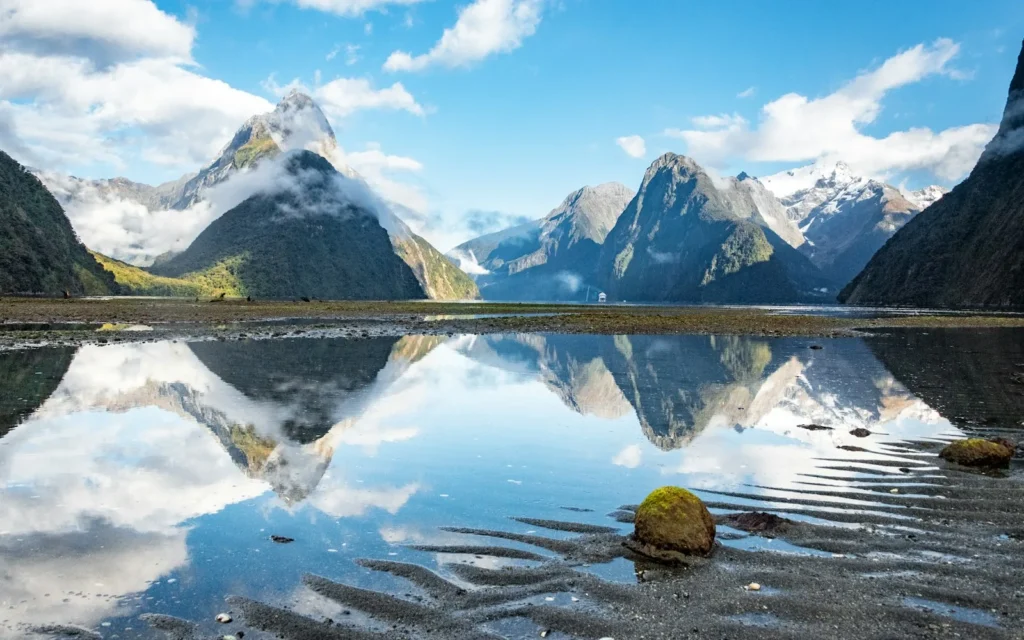
This is New Zealand’s knockout category. Nowhere else on earth packs this much geographic drama into so little space: you can watch sunrise over a glacier, drive through rainforest, and stand on a beach by mid-afternoon. Milford Sound genuinely lives up to the photos, the Aoraki/Mount Cook region looks computer-generated, and the volcanic plateau around Tongariro feels like a different planet from the fiords six hours south. Outside Patagonia — a region that fuels its own version of this debate, which we’ve covered in our Argentina vs Brazil comparison — there’s nothing comparable at this density.
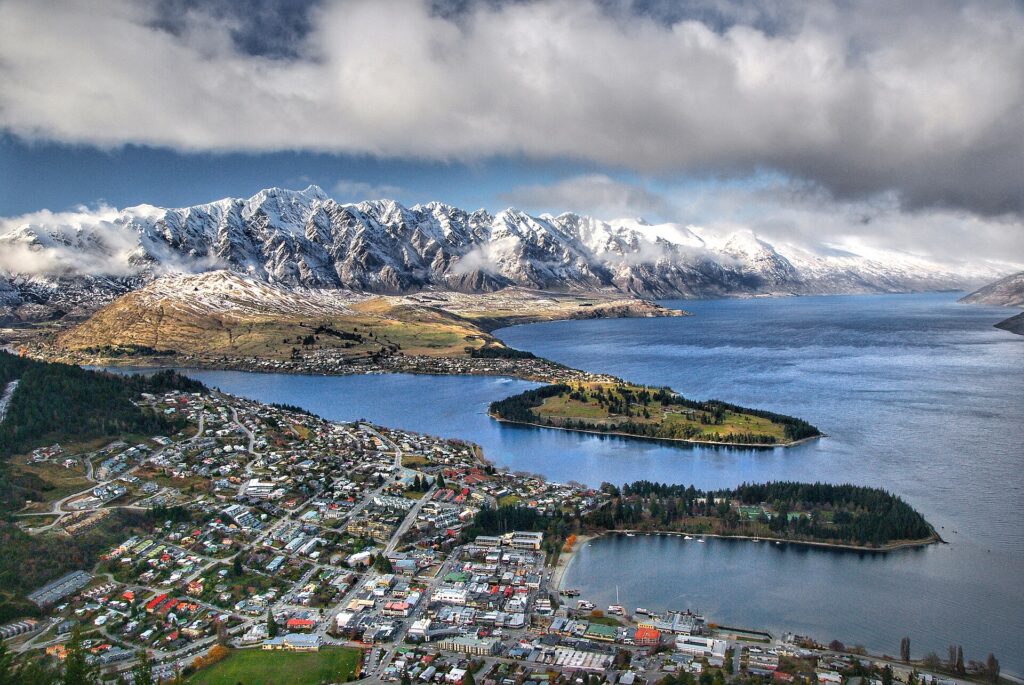
Australia’s landscapes are spectacular in a completely different register: scale and strangeness rather than density. Uluru at dusk is one of the great sights of the world, the Great Barrier Reef is exactly as vast as advertised, and the Great Ocean Road earns its reputation. The catch is that these highlights are separated by distances Europeans and even Americans consistently underestimate. You don’t road-trip between Australia’s greatest hits; you fly, and the country in between is often flat, dry, and empty for hours. Beautiful in a haunting way, but not postcard-per-kilometer the way New Zealand is.
Beaches & coastline
Australia, and it isn’t close. The Whitsundays have some of the whitest sand you’ll ever squeak your feet through, Noosa and Byron Bay deliver that effortless surf-town life, and Western Australia’s coast is a whole second country’s worth of beaches most visitors never see. Crucially, the water in the northern half of the country is warm enough to actually swim in for most of the year. Australians treat the beach as public living room, and the free ocean pools, surf clubs, and beachside barbecue areas reflect that.
New Zealand’s coastline is genuinely lovely — the golden coves of Abel Tasman, the Coromandel’s cathedral-carved shores — but the water is cold, the weather turns fast, and beach days feel like a bonus rather than the point of the trip. If your ideal vacation is towel-on-sand for a week, this whole debate is already over. It’s the same beach-versus-everything-else trade-off that decides a lot of destination rivalries, including Croatia vs Portugal on the other side of the world.
Wildlife
Australia wins this one almost by default, because its wildlife is unlike anywhere else on the planet and — this is the part that surprises people — it’s everywhere. You will see wild kangaroos without trying, usually grazing at the edge of a golf course or a campground at dusk. Koalas, wombats, echidnas, flying foxes streaming over Sydney at sunset, and an entire alien ecosystem on the reef. Yes, some of it can hurt you; no, it almost certainly won’t. The snake-and-spider fear is the most overblown thing in travel.
New Zealand’s pitch is quieter: it’s a land of birds, from cheeky alpine kea dismantling car antennas to albatross colonies near Dunedin, plus world-class marine encounters around Kaikoura. Wild kiwi sightings are rare and take real effort. The honest counterpoint in New Zealand’s favor — nothing there wants to bite, sting, or ambush you, which some travelers find quietly liberating.
Adventure, hikes & road trips
New Zealand invented commercial bungy jumping and has never let anyone forget it. Queenstown remains the adventure capital of the world with some justification: canyon swings, skydives, jet boats, and paragliding all within one absurdly scenic town, plus skiing at Queenstown and Wanaka from roughly July to September. The hiking is the real crown jewel, though. The Great Walks — Routeburn, Kepler, the Milford Track — are among the best multi-day hikes anywhere, with a hut system that makes them accessible to regular fit people, though the famous ones book out months ahead.
Australia’s adventure card is the water: learning to surf at Byron or Noosa, diving and snorkeling the reef, sailing the Whitsundays. Its hiking is better than it gets credit for — the Blue Mountains are two hours from Sydney, and Tasmania is essentially Australia’s New Zealand, with the Overland Track as its flagship. But for the density of adventure per day and the quality of the driving between it all, New Zealand takes this. A South Island road trip, where the route itself is the attraction, is one of the world’s great travel experiences.
Cities, food & coffee
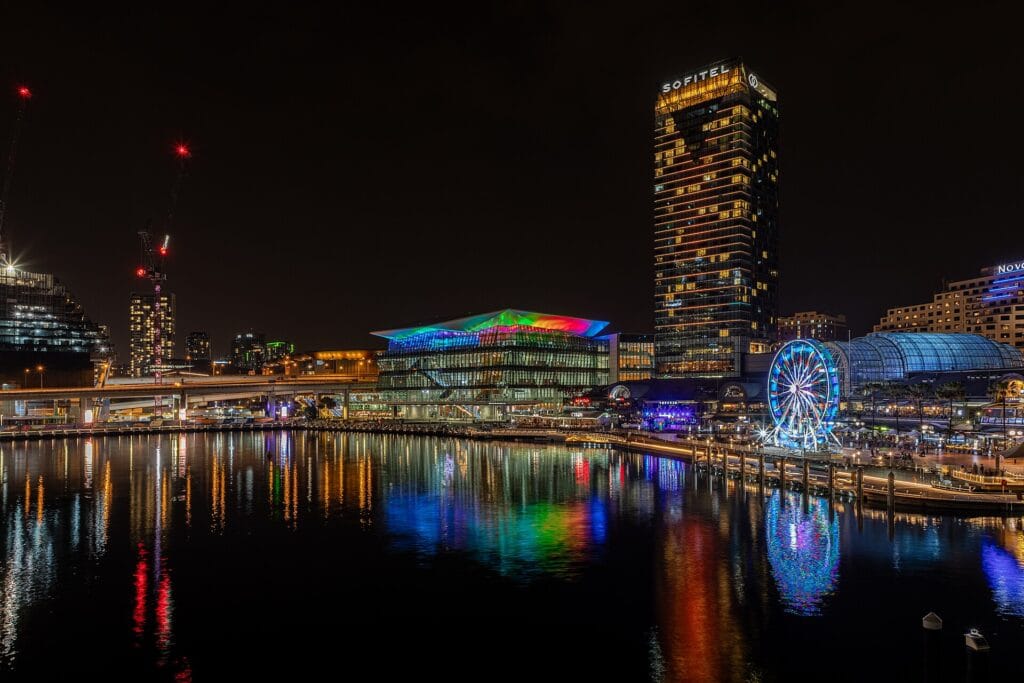
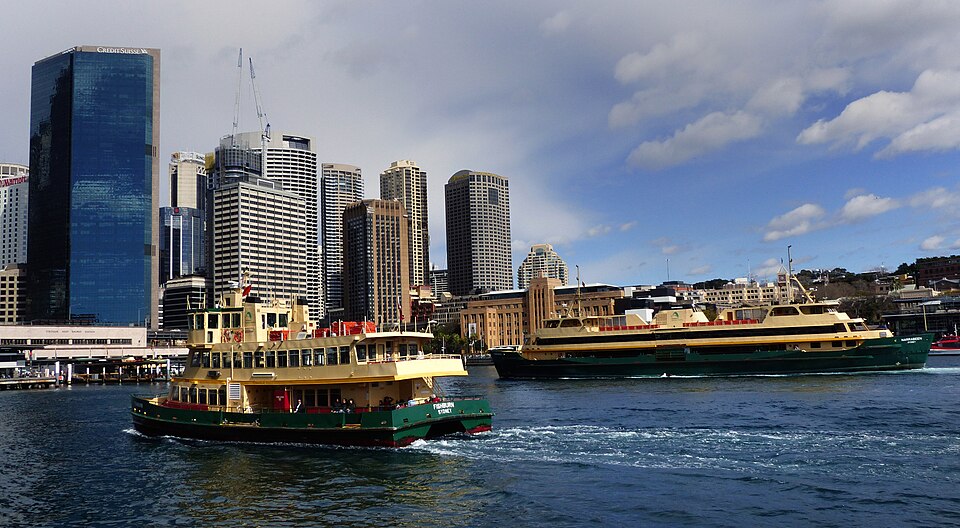
Australia, comfortably. Melbourne is one of the best eating and coffee cities on earth, with laneway restaurants working Vietnamese, Thai, Cantonese, and Middle Eastern food at a level that reflects genuine immigrant communities rather than trend-chasing. Sydney pairs a jaw-dropping harbor with beaches inside city limits, and even second-tier Australian cities like Adelaide and Hobart punch well above their weight for food and wine.
New Zealand’s cities are pleasant rather than thrilling. Auckland is a fine gateway you don’t need to linger in. Wellington is the charmer — compact, walkable, crammed with good coffee and craft beer, with green hills tumbling straight into the harbor. It reminds me of Vancouver, another outdoorsy harbor city that’s more livable than flashy (our Vancouver guide makes the family resemblance obvious). But nobody flies fourteen hours for Auckland’s restaurant scene, and everybody should consider doing so for Melbourne’s.
Weather & when to go
Both countries flip the seasons — summer runs December through February, winter June through August — but they behave very differently. New Zealand has changeable maritime weather year-round; the “four seasons in one day” cliché is accurate, and you’ll want rain gear even in January. The sweet spot for most trips is December to March, with November and April as underrated shoulder months. Ski season runs roughly July to September.
Australia is really several climates in a trench coat. The southern cities — Sydney, Melbourne, Adelaide — are at their best from October to April. The tropical north, including Cairns and the reef, is best in the dry season from about May to September; the summer wet season brings humidity, storms, and stinger season in the ocean. The red center is brutally hot in summer. The practical upshot: Australia is a year-round destination if you pick your region to match the calendar, while New Zealand has one clearly best window. If you can only travel in July, Australia’s north makes a far stronger case than a rain-lashed North Island.
Getting there & around
From North America or Europe, you’re committing to a long haul either way — figure fourteen-plus hours of flying, with Auckland and Sydney as the main gateways and fares usually in the same ballpark for both. Watch both when fare-hunting; the difference is often the airline sale of the week rather than the destination.
On the ground, they diverge completely. New Zealand is a driving country: one rental car or campervan covers both islands, connected by the Cook Strait ferry, and while the roads are slower and windier than the map suggests, nothing is more than a day’s drive from anything else. Australia is a flying country. Sydney to Perth is roughly a New York to Los Angeles distance, and even Sydney to Cairns is a serious flight, so you drive within regions and fly between them. Trans-Tasman flights between the two countries take only about three to four hours, which makes combining them tempting — but cramming both into under three weeks shortchanges each. It’s the same advice we give in our Japan vs China comparison: pick one and do it properly.
New Zealand or Australia: the honest verdict
For budget travelers, New Zealand wins narrowly. Free world-class hiking, cheap campsites, no internal flights, and a backpacker infrastructure built around cooking for yourself. Australia only pulls ahead if you’re on a working holiday visa and staying long enough to earn.
For foodies, Australia — and it isn’t close. Melbourne alone settles it, and Sydney, Adelaide, and Hobart pile on. New Zealand eats well but small.
For beach lovers, Australia, easily. Warm water, better sand, more of it, and a culture built around using it.
For first-timers with two weeks, New Zealand. One campervan or car loop delivers glaciers, fiords, beaches, and adventure towns without a single internal flight or complicated logistics. It’s the highest guaranteed-payoff two weeks in travel.
For wildlife lovers and families, Australia. Kangaroos at the campground beat birds you might not spot, and the reef is a lifetime memory for kids.
If you forced me to hand over my own ticket: two weeks, one country, no repeats — I’d take the South Island of New Zealand and not think twice. With three weeks or more, Australia’s variety starts winning the argument.
FAQ
Is New Zealand or Australia cheaper to visit?
Can you visit both New Zealand and Australia in one trip?
How many days do you need in each country?
Which is better for a first big overseas trip?
Planning the trip? Go deeper with our New Zealand Travel guide and best time to visit Australia.
You Might Also Love
More side-by-side comparisons


Written by
John Morrison is the founder and lead travel writer at Packzup. Over the past decade he has explored destinations across Africa, the Americas, Asia, Europe, the Middle East, and Oceania — always self-funded, never on a press trip.
