
Last updated September 12, 2026 · Editorial policy
Quick answer: The adventure capitals earning their reputation in 2026: Queenstown for adrenaline density, Costa Rica and Slovenia for nature-sports variety, Nepal for the world’s greatest treks and Jordan for desert adventure with history attached.
1. Queenstown, New Zealand
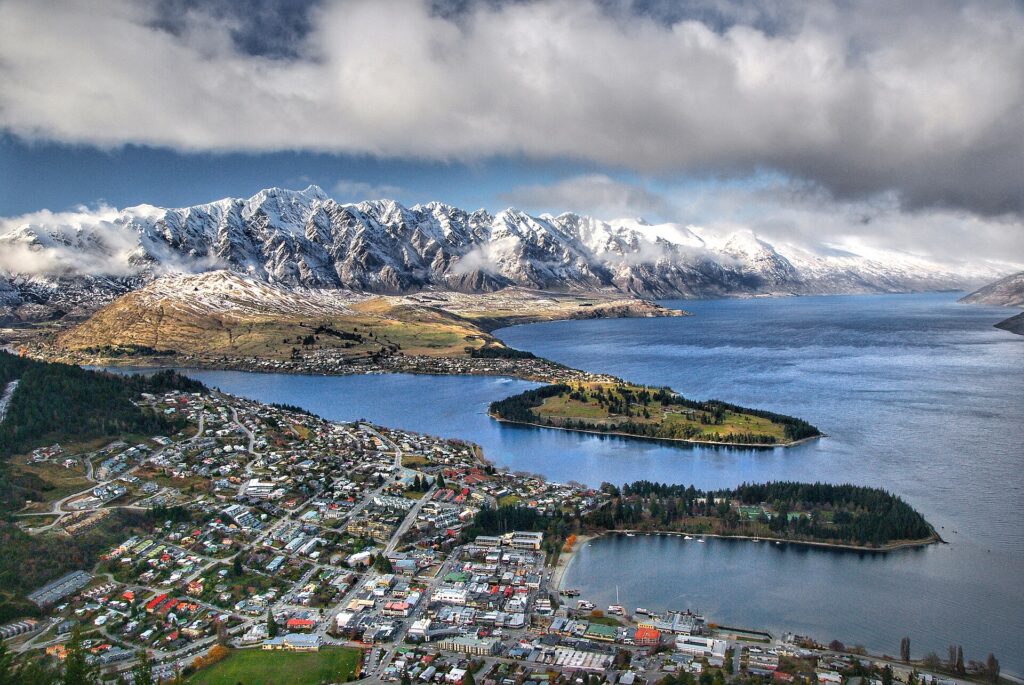
The original adventure capital: bungy’s birthplace, canyon swings, jet boats, the Routeburn Track and winter skiing — all within an hour of excellent wine. December–March for summer sports.
2. Costa Rica
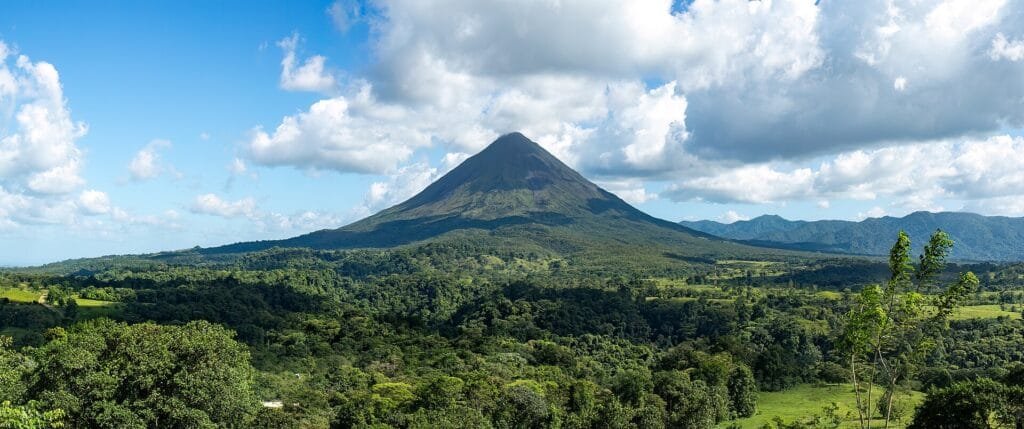
Zip-line through cloud forest at Monteverde, raft the Pacuare’s rainforest gorges, surf both coasts and watch volcanoes steam — the densest eco-adventure menu on earth, organised to a tee.
3. Nepal
Everest Base Camp and the Annapurna Circuit headline, but paragliding Pokhara and white-water on glacier-fed rivers round out the planet’s best high-altitude playground. October–November is prime.
4. Slovenia
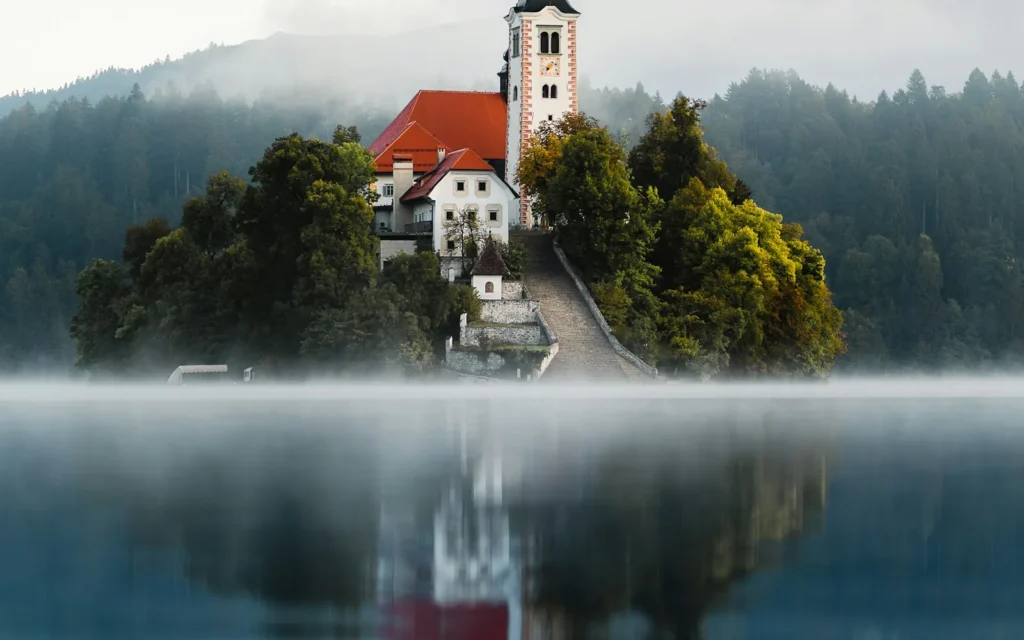
Europe’s compact adventure gem: raft or kayak the impossibly turquoise Soča, canyon at Bled, via ferrata in the Julian Alps — then debrief over čevapčiči an hour later.
5. Jordan
Canyon through Wadi Mujib’s slot gorges, climb and camp Bedouin-style in Wadi Rum, dive the Red Sea at Aqaba and walk into Petra at dawn — adventure stitched through ancient history.
6. Iceland
Ice-cave and glacier-hike in winter, hike Landmannalaugar’s painted mountains in summer, snorkel the Silfra fissure between continents year-round. Weather is the adventure’s co-author.
7. Peru
The Inca Trail is the headline; the Salkantay and Ausangate routes are the connoisseur’s choices. Add sandboarding Huacachina and the Amazon’s Tambopata for a full spectrum.
8. South Africa
Shark-cage dives, the world’s highest bridge bungy (Bloukrans), Drakensberg hikes and safari self-drives in Kruger — big adventure with big wildlife.
Adventure, insured
Standard travel insurance excludes half of this list’s activities — buy adventure-sport cover, check operator safety records over prices, and acclimatize properly for anything above 3,000m. The mountain is always there next year; make sure you are too.
The Real Reasons to Go — Plus When and What It Costs
These five aren’t interchangeable. Each one rewards a different appetite, and the right month matters more than the right gear.
- Queenstown, New Zealand — The world’s adrenaline capital, and it earns the title. The original Kawarau Bridge bungy (the one that started commercial bungy in 1988) runs around NZD 235 / ~USD 140, while the Nevis Bungy — 134m, New Zealand’s highest — is about NZD 275 / ~USD 165. Go December–February for long daylight and lake swims, or June–August if you’d rather ski the Remarkables. Planning note: all four AJ Hackett sites sell out in peak season — book 2–3 days ahead, and grab a combo (Nevis Bungy + Swing is ~NZD 429) since you’ll regret only doing one.
- Costa Rica — Pick it for the Río Pacuare, repeatedly ranked among the planet’s top five rafting rivers: 52 Class III–IV rapids through a roadless gorge under 200-foot canyon walls. A day trip runs roughly USD 105–115 all-in; a 3-day raft-and-jungle-lodge stay is around USD 635–655. Counterintuitively, the wettest months — June through October — deliver the biggest water. Planning note: book the lodge overnight; you raft into a gorge with no road access and wake up in rainforest.
Deepening the Hard-Earned Picks: Nepal, Slovenia and Jordan
- Nepal — The Himalaya are non-negotiable for serious trekkers. The Everest Base Camp trek (12–14 days, guided packages roughly USD 2,100–4,500 in 2026) hinges on the white-knuckle Lukla flight — 25–35 minutes onto a clifftop runway, about USD 216–240 each way for foreigners (in peak season flights shift to Ramechhap/Manthali). The gentler Annapurna Base Camp trek runs 7–12 days from around USD 600–1,500; the Annapurna region’s ACAP permit costs only ~USD 30 (TIMS is no longer enforced on the standard route). Go in spring (March–May) for blooming rhododendrons or autumn (Oct–Nov) for the clearest peaks. Planning note: build a buffer day into your itinerary — Lukla flights are cancelled for weather constantly, and a helicopter bailout runs ~USD 500.
- Slovenia — Europe’s best-value adventure base. The emerald Soča River near Bovec delivers Class III–IV rafting for about €55–60, and Fratarica adrenaline canyoning runs ~€100. Note: from March 15, 2026 a mandatory river-access permit (€18–21) applies. Go June for warm-ish water without August crowds. Planning note: base in Bovec for the serious water, not Bled — Bled’s Sava runs are family-mellow by comparison.
- Jordan — The Dana-to-Petra trek, a 5-day route National Geographic ranks among the world’s 15 best hikes, ends by walking into Petra from the back. Buy the Jordan Pass (waives the ~USD 60 visa and covers Petra’s ~USD 70 entry plus Wadi Rum). Trek in March–May or Sept–Nov; summer hits 40°C. Planning note: pack warm layers — desert nights drop hard even in shoulder season.
How to Choose — and How to Actually Get There
Match the trip to your appetite, not the photos. Want maximum adrenaline with zero roughing it? Queenstown — bungy by morning, craft beer by night. Want wilderness immersion on a budget? Slovenia punches far above its price. Chasing a bucket-list physical feat? Nepal, full stop — but train for altitude. Want raw nature plus warm water? Costa Rica. Craving culture welded onto adventure? Jordan, where you hike to a 2,000-year-old wonder.
Getting there (from the US):
- Queenstown — Connect through Auckland; the AKL→ZQN hop is just 1h 55m, and the airport sits ~15 minutes from town.
- Costa Rica — Fly into San José (SJO), ~12 miles west of the city; direct from most US hubs, with taxis, rideshare and rental cars on-site.
- Nepal — Fly to Kathmandu, then catch the early-morning Lukla flight (mornings only — afternoons are weathered-out).
- Jordan — Queen Alia (AMM) is ~10h 55m nonstop from New York, ~35 minutes’ drive from central Amman; Uber works curbside at gate 3.
- Slovenia — Fly into Ljubljana (or Venice/Zagreb and drive); Bovec is a scenic ~2-hour transfer.
One rule across all five: book signature activities and shoulder-season lodging ahead — the marquee experiences (Lukla seats, Pacuare lodges, peak-season bungy slots) are exactly the ones that sell out first.
Explore more natural wonders
- The 12 best slot canyons in the world
- The 12 most beautiful natural arches in the world
- The 12 best caves and caverns in the world
- The best ice caves in the world
You Might Also Love


Written by
John Morrison is the founder and lead travel writer at Packzup. Over the past decade he has explored destinations across Africa, the Americas, Asia, Europe, the Middle East, and Oceania — always self-funded, never on a press trip.
