Quick answer: Slow travel means staying longer in fewer places, going deeper into local life, and prioritising experience over ticking off sights — a more relaxed, sustainable way to travel.
Slow travel is a growing movement away from rushed, checklist holidays toward something more meaningful. Here’s what it means and how to do it.
What it is
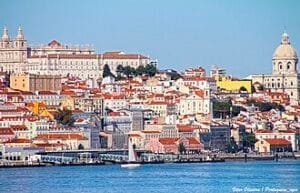
Rather than cramming many destinations into a trip, slow travel means spending more time in one place — a week in a single town instead of five cities in five days — to actually understand it.
Why people love it
It’s less exhausting, often cheaper (fewer transfers, weekly rates, cooking your own food), more sustainable (fewer flights), and far more rewarding — you meet locals and find the places no guide lists.
How to do it
Pick one base, rent an apartment, learn a few words of the language, shop at the local market, build a routine, and leave room for spontaneity instead of a packed itinerary.
Is it for you?
If you come home from holidays needing another holiday, slow travel is worth trying — even one trip at a gentler pace can change how you travel for good.