
Last updated September 5, 2026 · Editorial policy
- Where to stay in Guatemala: best areas
- Antigua: colonial heart
- Lake Atitlán: pick a village
- Flores: the Tikal springboard
- Guatemala City: transit only
- Quick picks by traveler type
- Picking Your Base by Traveler Type: Antigua's Sub-Districts and the One Zone to Skip
- FAQ
- Which Guatemala base suits which trip
- Which Lake Atitlán village should you book?
- How you actually move between Guatemala's bases
- Tikal entrance fees, sunrise and sunset hours
- Which official source tells you whether a Guatemalan volcano is safe to climb
- Arriving at La Aurora, and why most visitors do not stay in Guatemala City
- What you pay on top of the room rate in Guatemala
- At a glance
- Frequently asked questions
Quick answer: Antigua is the perfect base-and-first-stop: cobbled, volcano-ringed, safe-feeling and gorgeous: then Lake Atitlán (choose your village by personality) and Flores for Tikal. Guatemala City is for flight logistics only.
Where to stay in Guatemala: best areas
| Area | Best for | The vibe |
|---|---|---|
| Antigua | First-timers, colonial | Charming, walkable |
| Lake Atitlán | Scenery & villages | Stunning, laid-back |
| Guatemala City | Gateway | Urban hub |
| Flores (Tikal) | Ruins access | Island town |
Antigua: colonial heart
Ruined-church streetscapes, rooftop volcano views and Spanish schools: boutique conversions of colonial houses run US$40–150. Acatenango overnight hikes (the lava-show pilgrimage) book from here: two to four nights.
Lake Atitlán: pick a village
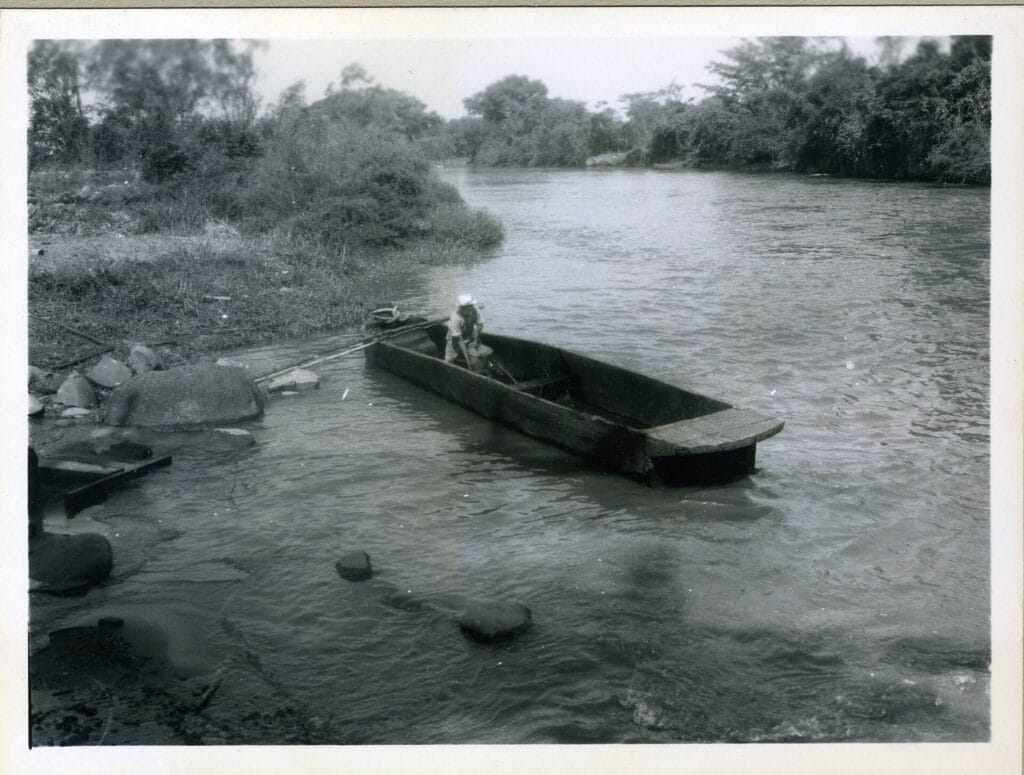
Panajachel: the practical hub with boat docks and markets. San Marcos: yoga-and-cacao spiritual hillside. San Pedro: backpacker budget and Spanish schools. Santa Cruz/Jaibalito: boat-only tranquility with the best lake views. Lakefront lodges US$30–120: boats link everything by day.
Flores: the Tikal springboard
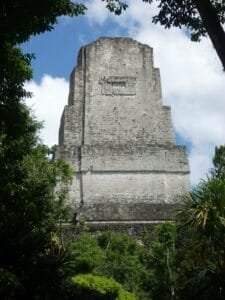
A pastel islet on Lake Petén Itzá: sunrise-tour vans to Tikal’s pyramids leave at dawn: spend the night before and after rather than long-hauling. Guesthouses US$25–60.
Guatemala City: transit only
Fly in, sleep near the airport if needed (Zone 10/13 hotels), move on: Antigua is under an hour by shuttle.
Quick picks by traveler type
First trip: Antigua → Atitlán → Flores/Tikal. Wellness: San Marcos. Budget Spanish-school month: San Pedro or Antigua. Honeymoon: Santa Cruz lakefront + Antigua boutique.
Picking Your Base by Traveler Type: Antigua’s Sub-Districts and the One Zone to Skip
Antigua is not a single choice; the district inside it changes your trip. First-timers should book around El Casco, the grid surrounding Parque Central, where almost everything sits within a 10-minute walk and boutique colonial conversions run around US$40 to US$150 a night. Budget travelers do better in Santa Ana, roughly a 15-minute walk southeast of the plaza, where dorm beds sit near US$8 to US$15 and private rooms stay under US$40 with a calmer, more local feel. Remote workers and younger crowds gravitate to the streets near La Merced church, thick with coffee shops and coworking spots.
For actual nightlife you need Guatemala City, specifically Zona 10 (the Zona Viva). It is the only part of the country with rooftop bars and clubs running at scale, plus the one zone where walking after dark is reasonable; hotels here run roughly US$50 to US$180.
Skip sleeping in Zona 1, the Centro Historico. Its palace and cathedral are worth a daytime visit, but muggings and armed robberies after dark are common enough that many locals avoid it at night. See it by day, then move on before evening.
FAQ
Is Guatemala safe to stay?
Best Atitlán village?
How to reach Tikal?
Shuttle or chicken bus?
Which Guatemala base suits which trip
Guatemala splits cleanly into six bases, and almost every itinerary that goes wrong tries to make one base do the work of three.
Antigua is the default first and last base: close to La Aurora airport in Zona 13 of Guatemala City, compact enough to walk, and the place where volcano treks, Spanish schools and onward shuttles are organised. Lake Atitlán is the base for slow days, and needs three nights minimum because the lake is crossed by boat rather than by road.
Flores and Santa Elena exist to serve Tikal and the Petén sites: lowland, hot and humid, a different climate rather than just a different town. Cobán in Alta Verapaz is the base for the Semuc Champey and Lanquin area, the wettest of the six and the one where road time punishes a tight schedule hardest.
Quetzaltenango, usually called Xela, is the highland alternative to Antigua: higher, colder at night, far fewer visitors, better for a long language course. Guatemala City is an arrival and departure base rather than a destination, and Zona 10 and Zona 4 are the districts most visitors use.
Season cuts across all six, and the useful point is that Guatemala’s rainy season does not start on the same date everywhere. INSIVUMEH, the national institute for seismology, volcanology, meteorology and hydrology, publishes an época lluviosa outlook with CONRED each year and its 2026 edition led on a differentiated regional start and a rainfall deficit in several regions. So check insivumeh.gob.gt for the year you are travelling rather than working from a general May to October rule of thumb, especially if you are heading for Cobán or the Pacific slope.
Which Lake Atitlán village should you book?
Choose the village by how you intend to arrive and leave, because that is the constraint that actually bites.
Panajachel is the road-served hub. Shuttles terminate here, the public boat docks are here, and it has the cash machines, pharmacies and bus connections. Book it if you are staying two nights or fewer, arriving late, or travelling with anyone who should not be lifting luggage into a small boat.
San Pedro La Laguna is the busiest far-shore village, with the most language schools and budget rooms and the liveliest evenings. San Marcos La Laguna is the quiet, wellness-oriented end with the fewest services. Santa Cruz La Laguna and the hamlets near it sit on a steep shore with very limited road access, so you arrive and leave by boat. That is the point of staying there and also the risk.
Two rules apply to every far-shore choice. The public lancha network runs in daylight and thins out in the evening, and last departures are not published centrally, so confirm the last boat with your accommodation on the day. And the boats are open craft on a lake that gets choppy in the afternoon wind, so cross in the morning where you can.
One road warning matters before you book a transfer. The UK Foreign, Commonwealth and Development Office names two specific roads. It says to avoid the Godínez bypass between Guatemala City and Panajachel, which passes through Patzún, calling it an isolated area with high risks of criminality. It says to avoid the road between Cocales in Suchitepéquez and San Lucas Tolimán if possible, for criminality and poor road conditions. And it adds that boat services between towns on the shore of Lake Atitlán may be a safer alternative. For the wider area it tells you to get route advice from PROATUR, Guatemala’s tourist assistance service, when travelling in and around Sololá, Panajachel and Lake Atitlán. That is a reason to check which road your shuttle uses, not only how long it takes. Advice as last updated 13 August 2026 and current at 5 September 2026; re-check gov.uk before you travel.
How you actually move between Guatemala’s bases
There are three ways to move and they are not interchangeable.
Tourist shuttles are the default: shared minibuses running fixed pairs, mostly radiating from Antigua, which is why Antigua works as a hub. They cost more than public transport and less than a private transfer, and most accommodation will book one for you.
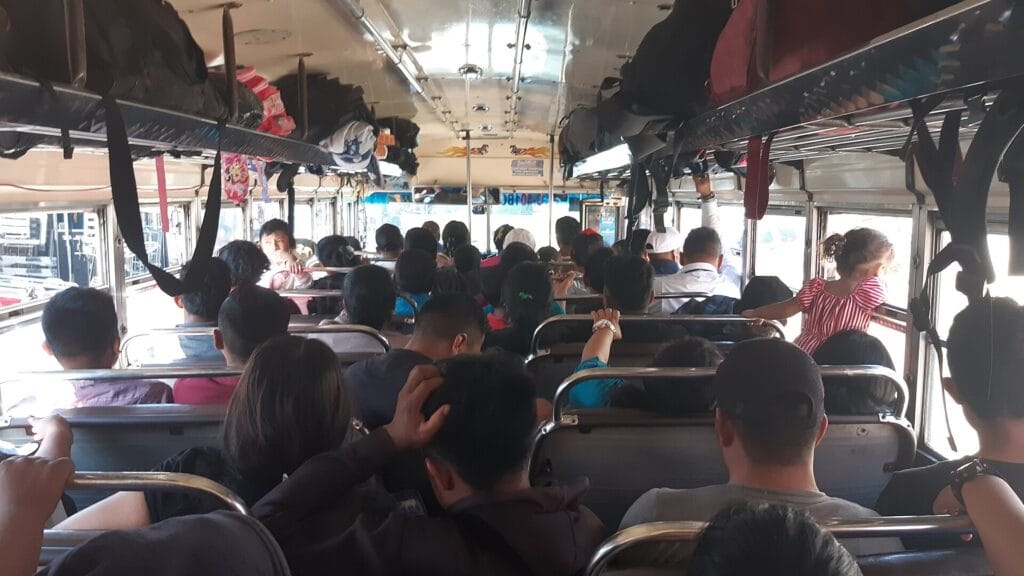
Chicken buses, the repainted school buses that form the public network, are the cheapest and the option the FCDO is most direct about. Its Guatemala advice says to avoid travelling on public buses, citing attacks and extortion by local gangs on bus drivers that have resulted in serious injury or death, and adds that private intercity coach services are generally safer but that gangs have targeted these too, even on main roads. Treat that as a reason to use shuttles or a reputable coach line for longer legs.
Flying matters for one route. Petén is at the other end of the country and the overland run from the capital to Flores is an overnight rather than an evening. The airport for it is Mundo Maya International at Santa Elena, next to Flores. Scheduled service on the Guatemala City to Flores route has come and gone over the years, so confirm the operator and the schedule directly before you build a plan around it, and have an overland fallback in mind rather than assuming a flight will exist.
Whatever you book, save the tourist assistance line before you set off. INGUAT runs a tourist assistance department that the FCDO names PROATUR, and the FCDO publishes both its numbers: 1500 from inside Guatemala, or +502 2290 2810 from abroad. The FCDO describes it as 24-hour emergency assistance and routine guidance for tourists, with call centre staff who speak English and Spanish. INGUAT’s own asistur.gt page says the service is free, that it handles tourist emergencies 365 days a year, and it carries a current road-situation section. Checking that page the morning you move is worth more than any general advice about which route is safe today.
For an emergency rather than a question, the FCDO lists 110 for police and 122 or 123 for fire and ambulance. Save those alongside PROATUR, because a shuttle breakdown on a rural road is the moment you will not want to be searching for them.
Tikal entrance fees, sunrise and sunset hours
Standard entry to Parque Nacional Tikal for a foreign visitor costs Q150, and sunrise or sunset access is a Q100 supplement on top of it, according to the official ticket site of the Ministry of Culture and Sports at boletos.culturaguate.gob.gt. Guatemalan citizens and residents pay Q25 with a Q20 supplement, and children under 10 enter free without a ticket. Prices as of 5 September 2026.
The hours are the part that decides where you sleep. The same official site sets regular access at 06:00 to 18:00, sunrise access at 04:00 to 06:00 and sunset access at 18:00 to 20:00. Sunrise and sunset tickets do not include a guide, which has to be arranged separately.
Two consequences follow. A Flores or Santa Elena base means a night-time road departure if you want the 04:00 sunrise slot, which is why lodging exists inside the park for people who want to walk to the gate. If you only want the 06:00 opening, Flores is entirely workable and much cheaper. Paying by an international card adds a 2.30 per cent surcharge at the official checkout, so bring quetzales.
Three buying rules on that site are worth knowing before you reach the gate. The park entrance ticket is compulsory before any of the sunrise tour, sunset tour, museum, camping area or Uaxactún ticket can be used, so a sunrise ticket on its own is not entry. Sunrise and sunset tours do not include a guide and the site treats hiring an authorised one as a requirement rather than an extra. And you must buy the ticket that matches your nationality, using a passport as a foreign visitor, because the site warns that the wrong ticket type can mean being refused entry to the park. Nothing on the official pages states how long a ticket stays valid, so ask at the ticket office if you want to spread a visit over two days.
Which official source tells you whether a Guatemalan volcano is safe to climb
INSIVUMEH and CONRED are the two institutions entitled to say whether a Guatemalan volcano is safe to climb, and the FCDO tells you to read both before you go. This page does not answer it for you, because the answer moves week to week.
INSIVUMEH runs a volcanology section that publishes a daily bulletin, the Boletín diario, and special bulletins when something changes. CONRED, the national disaster reduction coordinator, issues the alerts, restrictions and evacuations that follow. The FCDO’s instruction, in its own words, is to visit the websites of the Guatemalan Meteorological Office, which is INSIVUMEH, and CONRED before you climb volcanoes, for information on access, restrictions and recommendations. So the rule is simple: read insivumeh.gob.gt and conred.gob.gt for your dates, and treat any operator’s reassurance as secondary to what those two publish.
Tajumulco carries a separate warning, and it is about crime rather than the mountain. The FCDO’s regional risks page states that there is a risk of violent crime in the municipalities of Ixchiguán and Tajumulco in the department of San Marcos, and it tells anyone planning to travel there to get advice from PROATUR, Guatemala’s tourist assistance service, including whether current conditions mean it is safe to climb the Tajumulco volcano. So the country’s highest peak raises a public-order question as well as a volcanic one, and for that question the body to ask is PROATUR rather than a bulletin.
The FCDO is blunt about guided ascents: local tour organisers tend to underestimate the risks, deaths have occurred, and there is no mountain rescue service. Treat an overnight Acatenango trek as a serious mountain trip, check the bulletins the day before, and take proper cold-weather clothing, because the summit camps are far colder than Antigua. Note too that the FCDO removed its specific note about Fuego volcanic activity in its 13 August 2026 update, which is a reminder that these warnings move in both directions and that a page you read last season is not evidence about this one.
Arriving at La Aurora, and why most visitors do not stay in Guatemala City
La Aurora International Airport sits in Zona 13, inside Guatemala City itself, which is unusual and useful: the transfer to a city hotel is short, and the road to Antigua is the standard onward leg.
Most visitors skip the capital because it is not walkable between its zones and Antigua does the same first-night job in a smaller footprint. It still earns a night for a very early departure, a late arrival where you do not want a mountain road after dark, or a trip that includes the national museums.
If you do stay, the two districts that suit visitors are Zona 10, the embassy and business district the FCDO calls the Zona Viva, and Zona 4, the smaller redeveloped district holding much of the city’s independent hotel and restaurant scene. The FCDO notes Zona 10 is popular but not crime-free, and advises particular care in Zona 1.
Time the Antigua transfer around traffic rather than distance. The route runs on the CA-9 and RN-10 and the same trip can take well under an hour or roughly double that in peak flow, so a late-afternoon landing is the one that goes wrong. Landing in the evening, either pre-book a transfer that meets the flight or take the first night in the city.
One national caution before choosing any route: as of its 13 August 2026 update the FCDO advises against all but essential travel to within 5 km of the Mexican border from the Pacific coast up to and including the Gracias a Dios crossing, and to the towns of Santa Ana Huista, San Antonio Huista and La Democracia in Huehuetenango.
What you pay on top of the room rate in Guatemala
A Guatemalan room rate carries a 10 per cent lodging tax for INGUAT and 12 per cent value added tax, so budget 22 per cent above a tax-free base rate. The two are created by different laws and behave in opposite ways, which is why a quoted price can already contain one of them and not the other.
The lodging tax sits in Article 21, inciso b), of Decreto 1701, the INGUAT organic law, as amended by Article 1 of Decreto 7-80. Cite the inciso rather than the bare article, because the opening of Article 21 was separately modified by Decreto 7-90 and the two are often run together. The text decrees a tax of ten per cent on hospedaje, charged on the rate with food and other services excluded, in hotels, motels, campsites, pensiones and other lodging establishments, and only where the authorised rate is two quetzales or more per day or part of a day. That threshold is so low it now catches every commercial room. The same paragraph says the tax falls on the user, is not built into the lodging rates INGUAT approves, and must be made public. It is therefore a genuine addition to the rate, and the law expects you to be able to see it rather than have it absorbed. The inciso closes by leaving the mechanics to INGUAT, saying the tax is to be satisfied and collected in accordance with INGUAT’s own disposition or regulation, which is why the collection detail does not sit in the law itself.
A stay taken by the month is outside the tax altogether. The same paragraph says it is not charged on lodging in rooms or apartments taken for monthly periods or thirty consecutive days. If you are settling in Antigua or Quetzaltenango for a month of language study, ask for a monthly rate, because the exemption attaches to how the stay is contracted rather than to how many nights you happen to sleep.
Value added tax works the other way round. Article 10 of Decreto 27-92, the Ley del Impuesto al Valor Agregado, sets a single rate of twelve per cent and states that the rate must in every case be included in the sale price of the goods or the value of the services. A Guatemalan price is meant to be VAT-inclusive already. Both law texts were read on 5 September 2026 from the FAO legal database and the ECLAC legal repository, which hold them verbatim, because INGUAT’s and SAT’s own sites refuse connections from outside Guatemala.
Treat 22 per cent as a budgeting figure rather than an exact one. Neither law says whether the INGUAT lodging tax is worked out on the rate before or after value added tax, so the two can stack slightly differently from one property to the next. The gap is about a percentage point on a hundred-quetzal base, which is small, but it is a reason to ask for the arithmetic rather than assume it.
Ask the property to itemise both taxes on the booking confirmation before you pay. That one request settles whether your quote is a bare rate, a rate with VAT in it, or the full 22 per cent, and it is the only check that does not depend on reaching a Guatemalan government website. INGUAT is the authority on the lodging tax and SAT on value added tax.
At a glance
| Parque Nacional Tikal ticket | Foreign visitor | Guatemalan citizen or resident | Access hours |
|---|---|---|---|
| Park entrance | Q150 | Q25 | 06:00 to 18:00 |
| Sunrise supplement | Q100 | Q20 | 04:00 to 06:00 |
| Sunset supplement | Q100 | Q20 | 18:00 to 20:00 |
| Museum | Q30 | Q5 | Requires a park ticket |
| Uaxactún | Q50 | Q5 | Requires a park ticket |
| Camping area | Q50 | Q10 | Requires a park ticket |
| Children under 10 | Free, no ticket | Free, no ticket | Regular hours apply |
Official prices and hours from boletos.culturaguate.gob.gt, the Ministry of Culture and Sports ticket site, as of 5 September 2026. Sunrise and sunset tickets do not include a guide, and international card payments carry a 2.30 per cent surcharge.
| Base | Best for | How you arrive | What goes wrong |
|---|---|---|---|
| Antigua | First and last nights, volcano treks, Spanish schools | Road from La Aurora, Zona 13 | Late-afternoon landings hit peak traffic |
| Panajachel, Lake Atitlán | Short lake stays, late arrivals, heavy luggage | Shuttle by road; boats leave from here | Busier than the far shore |
| San Pedro, San Marcos, Santa Cruz | Longer lake stays, quiet, language study | Public lancha from Panajachel | Boats thin out after dark; last departures unpublished |
| Flores and Santa Elena | Tikal and the Petén sites | Flight to Mundo Maya, or overnight road | Flights on the route have been intermittent |
| Cobán | Semuc Champey and Lanquin | Road only, long and slow | Wettest base; road time wrecks tight schedules |
| Quetzaltenango, Xela | Highland weeks, long language courses | Shuttle or coach from Antigua | Cold at night; few direct lowland links |
| Guatemala City, Zona 10 or Zona 4 | Very early departures, museums | Short transfer from La Aurora | Not walkable between zones; care in Zona 1 |
Frequently asked questions
How much does it cost to enter Tikal, and what are the opening hours?
A foreign visitor pays Q150 for park entry, with a Q100 supplement for sunrise or sunset access. Guatemalan citizens and residents pay Q25 plus Q20. Regular access runs 06:00 to 18:00, sunrise access 04:00 to 06:00 and sunset access 18:00 to 20:00, per the Ministry of Culture and Sports ticket site.
Should I stay in Guatemala City or go straight to Antigua?
Go straight to Antigua unless you have a very early departure, a late-evening landing, or the national museums on your list. La Aurora airport is inside the city in Zona 13, so a city night is easy, but Antigua does the same job in a walkable town. Time the transfer around traffic, not distance.
Which Lake Atitlan village is best for a first visit?
Panajachel if you are staying two nights or fewer, arriving late or carrying heavy luggage, because shuttles reach it by road and the boats leave from there. Choose San Pedro for language schools and nightlife, San Marcos for quiet, or Santa Cruz for a boat-access shore, and confirm the last lancha of the day.
Is it safe to travel around Guatemala given the active volcanoes?
Check rather than assume, and check the two official sources rather than an operator. INSIVUMEH publishes a daily volcanological bulletin and special bulletins, and CONRED issues the alerts, access restrictions and recommendations that follow, so read insivumeh.gob.gt and conred.gob.gt for your dates. The FCDO tells visitors to do exactly that before climbing, and notes that local tour organisers tend to underestimate the risks, that deaths have occurred and that there is no mountain rescue service. Tajumulco is the exception to the pattern: the FCDO’s warning there is about a risk of violent crime in the municipalities of Ixchiguan and Tajumulco in San Marcos, and it says to get advice from PROATUR, the tourist assistance service, including on whether conditions make the climb safe.
What taxes are added to a Guatemalan hotel bill?
A 10 per cent lodging tax for INGUAT plus 12 per cent value added tax, so 22 per cent above a bare room rate. Article 21, inciso b), of Decreto 1701, as amended by Article 1 of Decreto 7-80, charges the 10 per cent on the lodging rate with food and other services excluded, says it falls on the user and is not built into INGUAT-approved rates, and requires it to be made public. Lodging taken for a monthly period or thirty consecutive days is exempt, so ask for a monthly rate for a long stay. Article 10 of Decreto 27-92 sets VAT at 12 per cent and requires it to be included in the advertised price, so ask the property to itemise both before you pay. Neither law fixes whether the INGUAT tax is calculated before or after VAT, so treat 22 per cent as a budgeting figure.
Are chicken buses a reasonable way to get between towns?
For short local hops many visitors use them, but the FCDO says to avoid travelling on public buses, the repainted US school buses, citing attacks and extortion by local gangs on drivers that have caused serious injury or death, and it notes private intercity coaches are generally safer but have also been targeted, even on main roads. For longer legs a tourist shuttle or a reputable coach line is the safer default, and PROATUR, INGUAT’s tourist assistance service, answers on 1500 inside Guatemala or +502 2290 2810 from abroad and publishes a current road-situation page.
Best time to visit Guatemala (real climate data)
Best months: January, February, March, April, November, December.
Guatemala’s warmest month is April (avg 27°C / 81°F), the coolest is January (low 12°C / 54°F). The wettest is June (236 mm) and the driest is February.
Source: Open-Meteo / WMO climate normals (WMO 1991–2020, or ERA5 2019–2023 where unavailable). See the full month-by-month weather →
You Might Also Love


Written by
John Morrison is the founder and lead travel writer at Packzup. Over the past decade he has explored destinations across Africa, the Americas, Asia, Europe, the Middle East, and Oceania — always self-funded, never on a press trip.
